
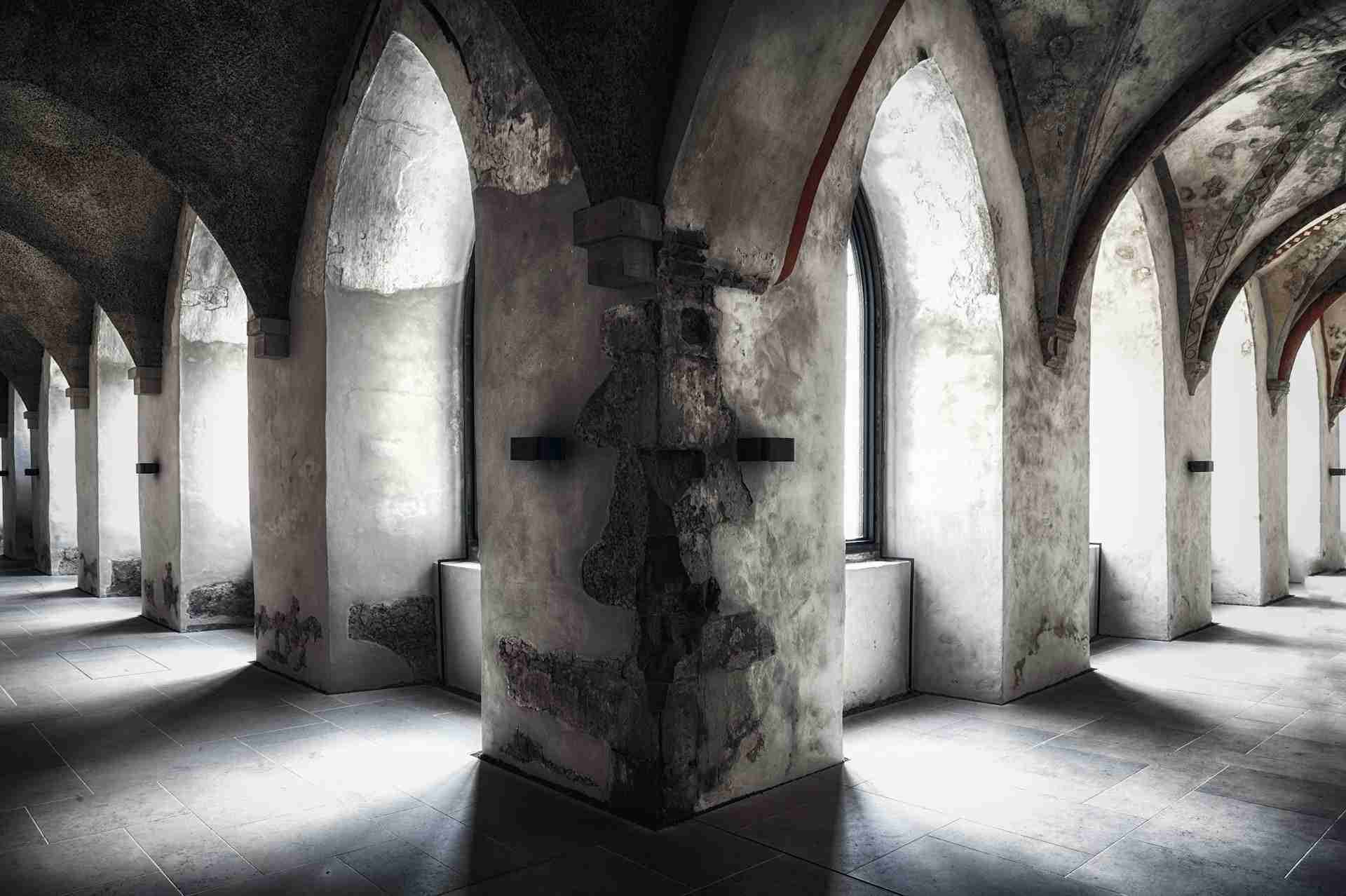
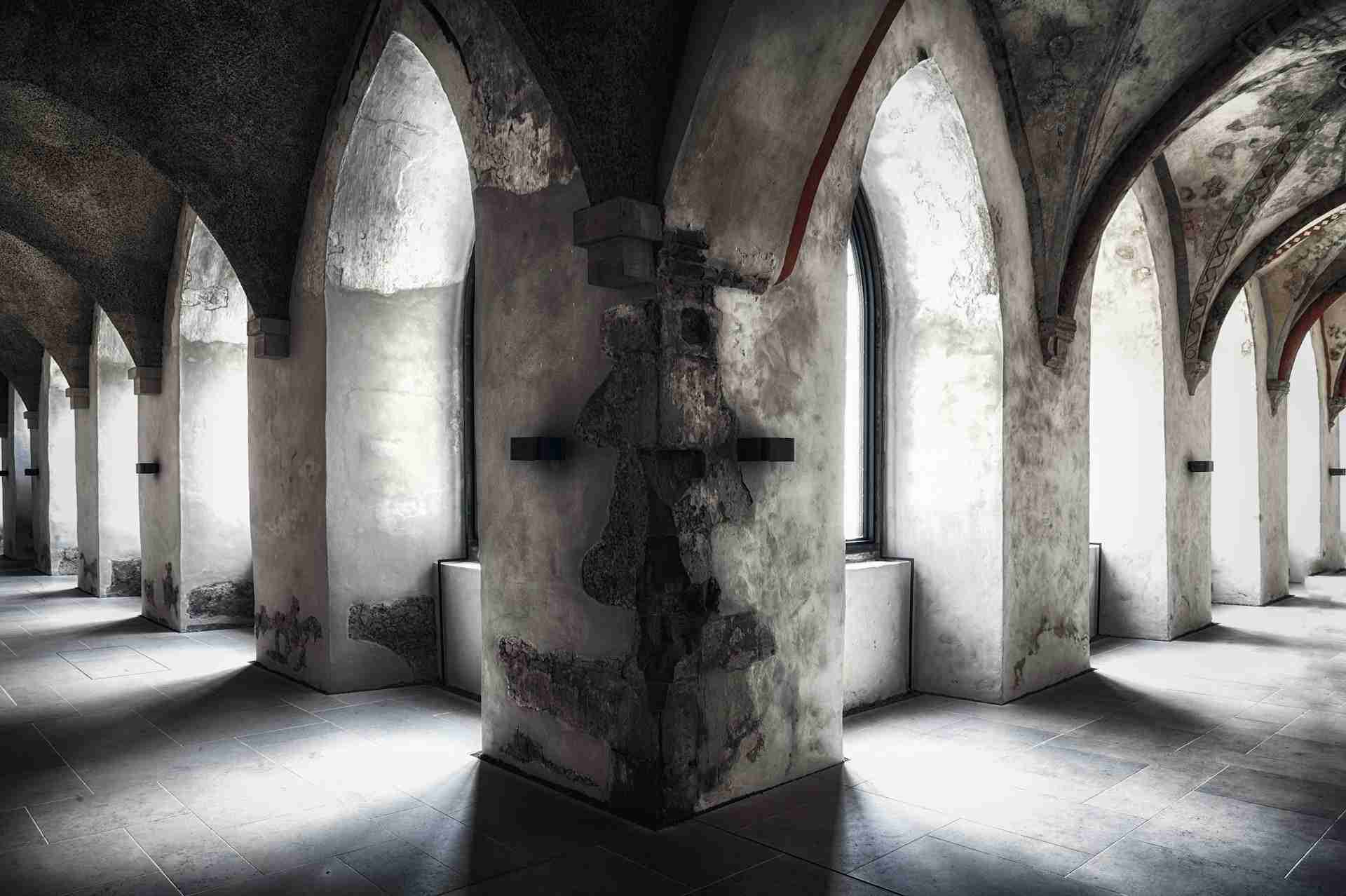
Set amid the gentle hills of North Rhine-Westphalia near Lichtenau, Kloster Dalheim is a former Augustinian monastery whose quiet setting and centuries-old architecture make it a rewarding subject for photographers. Founded in the Middle Ages, the monastery evolved through Gothic and Baroque periods, leaving behind a complex of cloisters, chapels, gardens, and fortified walls that tell a layered story of faith and resilience. Today, it houses the LWL Open-Air Museum of Monastic Culture, which preserves both the structures and the atmosphere of monastic life. The site's broad courtyards, weathered stonework, and surrounding countryside offer photographers opportunities to work with both architectural and landscape compositions. Kloster Dalheim invites an exploration of detail and atmosphere, from the geometry of cloisters to the play of light across thick walls and arched windows.
Best Photography Opportunities
• The cloister courtyard
: The heart of Kloster Dalheim is its cloister, a square courtyard surrounded by arched walkways. From the arcades, you can frame repeating stone arches in perspective, creating strong leading lines that pull the viewer into the composition. A wide-angle lens emphasizes the rhythm of these arches and captures the interplay of light and shadow as the sun passes overhead. Midday can be harsh, but the covered walkways soften contrast, while morning and evening bring gentle angled light that enriches the texture of the stone. Long exposures can blur visitors moving through, leaving the cloister in stillness that suits its contemplative character.
• Baroque church façade
: The monastery church presents a striking Baroque exterior, with sculptural details, towers, and a commanding presence above the courtyard. Shooting from a low angle enhances its vertical scale, while including foreground cobblestones adds texture and historical atmosphere. Late afternoon light is especially effective here, casting warm tones that highlight carvings and surface details. A medium focal length lens allows you to balance the grandeur of the church with its context, while a telephoto lens isolates details such as statues, cornices, or decorative reliefs. Overcast conditions can also be advantageous, eliminating harsh shadows and emphasizing the sculptural qualities of the façade.
• Monastic gardens
: Beyond the stone walls, the reconstructed gardens illustrate the self-sufficient life of the monastery, with orderly plots of herbs, vegetables, and medicinal plants. These gardens lend themselves to both documentary and artistic photography. Wide compositions capture the symmetry and design of the plots, while closer shots focus on textures and colors of the plants themselves. In summer, the gardens burst with life, creating contrasts between greenery and the pale stone walls beyond. Morning light is best here, as it filters gently through the foliage and avoids the harsh overhead glare of midday. Including gardeners or visitors in your frame can provide scale and narrative.
• Fortified walls and towers
: The monastery is enclosed by walls that speak to its defensive past, and these provide opportunities for both architectural detail and landscape compositions. Shooting along the perimeter paths lets you frame the walls against rolling countryside, creating contrast between built and natural environments. Golden hour light enhances the stone's warm hues and casts long shadows across the grass. The towers provide dramatic vertical accents that can be isolated with a telephoto lens or included in wide shots that stretch the eye across the length of the wall. Textural detail shots of weathered stone or gates provide additional material for tighter compositions.
• Seasonal events and museum exhibits
: Kloster Dalheim frequently hosts cultural events, exhibitions, and reenactments, which bring life and color to the historic site. Photographers can capture costumed interpreters or craftspeople within the architectural setting, blending human presence with centuries-old stonework. These opportunities allow for more dynamic compositions than static architecture alone. A standard zoom lens gives you the flexibility to move between contextual wide shots and intimate portraits. Ambient light in the interiors is often low, so fast lenses or higher ISO settings are necessary to maintain sharpness without flash.
Best Time to Visit
Kloster Dalheim is rewarding year-round, but each season provides different qualities of light and subject matter. Spring brings fresh greenery to the gardens and bright new growth to the surrounding countryside, creating colorful contrasts against the muted tones of the stone. Summer offers long days and warm evening light that lingers across the cloisters and walls, making it the best time for capturing golden hour imagery. Autumn introduces warm tones across the landscape, with fields and trees adding richness to exterior views, particularly when paired with the monastery's stone walls. Winter, though quieter and often cold, delivers soft low-angle light that emphasizes textures and can add atmosphere through frost or mist in the early mornings.
Daily timing is equally important. Morning light is softer and often casts interesting shadows across the cloisters and gardens, while late afternoon highlights the church façade and outer walls in warm tones. Overcast days reduce contrast and are excellent for detail work, particularly of stone carvings and interiors. Sunset can be dramatic when clouds catch light above the countryside, framing the monastery in rich tones, while night photography of the illuminated church creates opportunities for atmospheric long exposures.
How to Get There
Kloster Dalheim is located near the town of Lichtenau in North Rhine-Westphalia, about 30 kilometers southeast of Paderborn. By car, the site is easily reached via regional roads, with parking available directly at the entrance to the museum. Public transport options are limited, though buses run from Paderborn to nearby towns, with onward connections by taxi or local routes. The monastery is part of the LWL Open-Air Museum of Monastic Culture, which charges an admission fee that includes access to the cloisters, church, gardens, and exhibitions. Paths within the site are well-maintained, though some cobblestones and stairs require care when carrying gear. Tripods are usually permitted outdoors, but indoor restrictions may apply, so check regulations before setting up inside.
Recommended Photography Gear
A wide-angle lens in the 16 to 35 millimeter range is essential for capturing the cloisters, gardens, and expansive courtyards, where space can be limited. A mid-range zoom such as a 24 to 70 millimeter provides flexibility for framing the church façade and balancing context with detail. A telephoto lens up to 200 millimeters is useful for isolating architectural elements on the façade, towers, or walls, and for compressing views of the monastery within the surrounding countryside. For interior work, a fast prime lens such as a 35 or 50 millimeter f/1.8 is helpful in low light, especially in vaulted passageways or exhibition spaces.
A sturdy tripod is valuable for long exposures in the cloisters, at dusk, or for night photography of the illuminated church. A polarizing filter reduces glare on stone surfaces and deepens the colors of the gardens and sky. Graduated neutral density filters are useful during sunset or sunrise when the sky is much brighter than the monastery. Protective covers and a microfiber cloth are recommended, as cobblestone dust and occasional rain showers can affect equipment. Comfortable footwear is essential for moving across uneven surfaces, and a compact bag helps navigate stairways and narrow passageways without obstructing other visitors.
Nearby Photography Locations
: Located in the nearby city, the cathedral is an impressive medieval structure with a soaring interior and detailed Romanesque and Gothic architecture. Its crypt and cloister offer excellent opportunities for both wide and detail photography.
: A striking sandstone rock formation about 25 kilometers north of Kloster Dalheim, Externsteine is a dramatic natural site best photographed at sunrise or sunset when light grazes its vertical surfaces. The reflections in the small lake at its base create additional compositional possibilities.
: A triangular Renaissance castle set in the countryside near Büren, Wewelsburg is notable for its unique shape and historical significance. Its towers and surrounding valley offer strong compositions in both aerial and ground-level photography.
• Teutoburg Forest
: Stretching across the region, this wooded landscape provides hiking trails, rolling hills, and seasonal changes that contrast beautifully with the stone architecture of Dalheim. Early morning mist often lingers in the valleys, producing atmospheric wide landscapes.
: A UNESCO World Heritage Site on the banks of the Weser River, Corvey Abbey combines Carolingian architecture with later Baroque additions. Its church, cloisters, and library are excellent subjects for architectural and historical photography.
Kloster Dalheim rewards photographers who enjoy both architectural precision and atmospheric storytelling. Its combination of cloisters, church, walls, and gardens provides a range of subjects, while its rural setting ensures quiet light and space for exploration. Whether focusing on fine details of monastic life or broad views of the complex in the landscape, Dalheim offers images that blend history, devotion, and timeless stone.
Comments
Loading comments…