
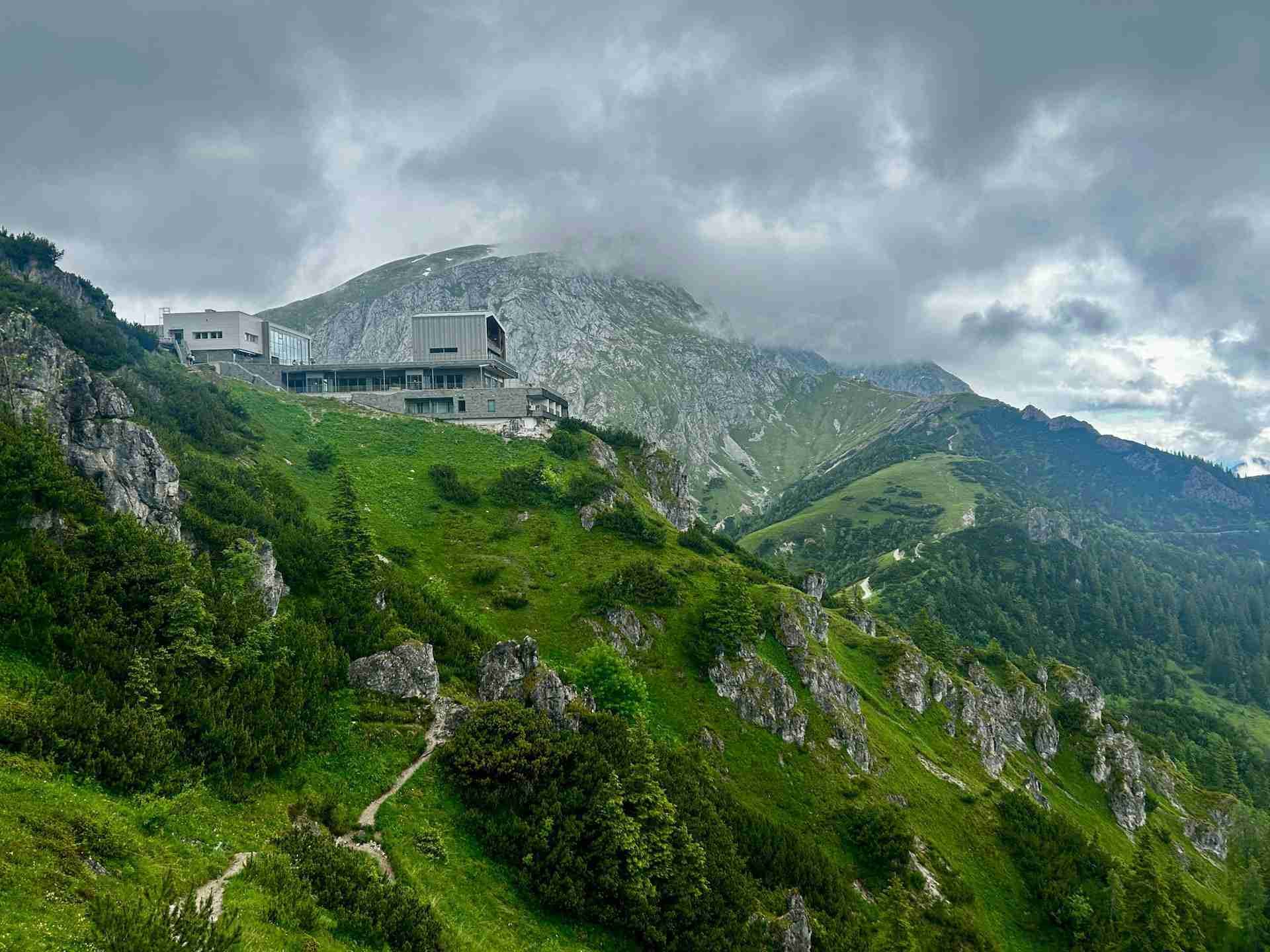
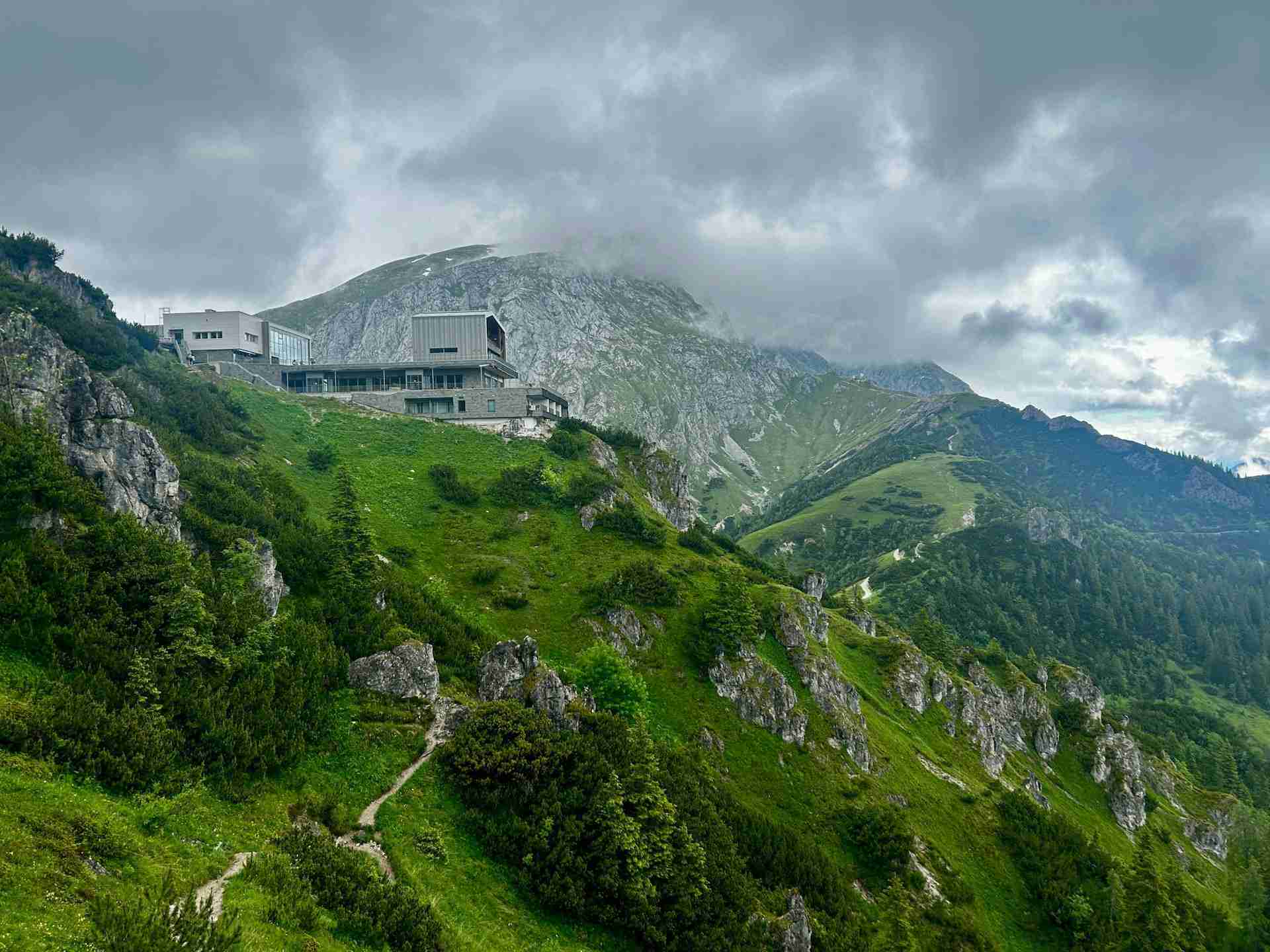
Mount Jenner and the Jennerbahn: Alpine Views Over Königssee and the Bavarian Peaks
Mount Jenner, located in Schönau am Königssee, Germany, is one of the most accessible and photogenic alpine summits in the Berchtesgaden region. Rising to over 1,800 meters, it offers panoramic views of the emerald waters of Königssee far below, framed by the dramatic cliffs of the Watzmann range. The Jennerbahn cable car allows photographers of all skill levels to reach the summit without the need for strenuous hiking, making it a prime destination for high-altitude landscapes, weather drama, and sweeping mountain compositions. The mix of peaceful nature, high vantage points, and a well-developed access route makes Mount Jenner a rewarding location in any season.
Best Photography Opportunities
• Summit View Over Königssee
: The view from Mount Jenner looks directly over the length of Königssee, Germany's deepest lake. This high vantage point lets you capture the lake's emerald waters surrounded by dramatic vertical rock walls. A wide-angle lens helps include the towering cliffs and the distant peaks in one sweeping image. For the best results, arrive just after sunrise when light strikes the tops of the cliffs and mist still lingers over the water, creating soft, dreamy layers. This location works well year-round, with snow in winter and rich foliage in summer and fall adding variety to your compositions.
• Watzmann Massif and Sunrise Glow
: To the west of the summit, the sharp ridges of the Watzmann range catch early morning light in a dramatic display of color and contrast. From the summit area or one of the nearby trails, you can isolate the jagged peaks using a telephoto lens and take advantage of golden hour light. These mountains create some of the most recognizable silhouettes in the Bavarian Alps, especially when backlit at sunrise. Try shooting a series of images at different focal lengths to capture both the broader scene and the intricate patterns of snow and shadow across the slopes.
• Jennerbahn Infrastructure in the Landscape
: While the cable car system is modern, its towers and gondolas add an interesting element to wide-angle mountain landscapes. Including the Jennerbahn in your shots can help convey scale and provide a sense of accessibility within this otherwise rugged setting. In winter, the tracks and towers become stark contrasts against the snow, making them especially graphic. Try composing shots where the cable line leads diagonally across your frame, drawing the viewer's eye into the distance or toward the summit. If you time your shot with a gondola in motion, it adds life and balance to the scene.
• Alpine Flora and Trailside Views
: During the warmer months, the trails near the summit burst with alpine flowers, low shrubs, and patches of exposed stone. These elements make great foregrounds for wide-angle compositions that include the distant mountain ridges. Get low to the ground with your camera to highlight flowers against sweeping backdrops, and use a small aperture to keep both foreground and background in focus. If you're shooting close-ups, consider photographing in soft morning or evening light to preserve the delicate colors and avoid harsh shadows. These trail details provide a quieter, more intimate complement to the sweeping summit views.
• Atmospheric Weather and Changing Light
: One of the most exciting aspects of photographing from Mount Jenner is how quickly the weather can change. Rolling fog, sudden sunlight, or fast-moving clouds can transform a flat scene into something magical in minutes. Set your camera on a tripod and be ready to adapt as light breaks through or clouds move across the peaks. Long exposures work particularly well here, softening clouds or fog to add a sense of mood and motion. Stormy skies, scattered snow, or even distant lightning over the Alps can create dramatic, one-of-a-kind compositions that reward patience and preparation. Mount Jenner often sits above or within layers of shifting cloud, especially in shoulder seasons. Fog rolling through the valleys, shafts of light breaking through clouds, or sudden clearings after rain all offer unique moods. Patience is key here—set up a stable composition and wait for weather changes to animate the scene. These conditions are excellent for time-lapse or long-exposure work.
Best Time to Visit
Mount Jenner is photographable year-round, but the experience and lighting conditions vary with the seasons. Summer offers clear paths and vibrant greens, while fall adds warm tones to the valleys and often brings morning fog to the lake below, perfect for atmospheric compositions. Winter transforms the landscape into a minimalist canvas of snow and shadow, ideal for graphic, high-contrast images.
Sunrise and golden hour offer the best light for mountain photography, particularly if you're aiming to shoot the Watzmann peaks or catch the glow on the waters of Königssee. Mornings tend to be quieter, with better visibility before mid-day haze rolls in. In winter, low sun angles all day long create dramatic side lighting and long shadows.
Avoid visiting in the middle of the day during high summer if possible. While the views are still impressive, the overhead light can flatten the scene. Weather changes quickly in the mountains, so it's smart to check forecasts before heading up. Overcast or misty days shouldn't be dismissed either. They often deliver the most moody and memorable images.
How to Get There
The Jennerbahn cable car base station is located in Schönau am Königssee, just outside Berchtesgaden. From town, it's a short drive or bus ride to the station, which offers ample parking. The cable car operates year-round, with different hours depending on the season. Tickets can be purchased at the station or online in advance.
From the top station, it's only a short walk to the summit viewpoints and surrounding trails. The paths are well-maintained and range from paved walkways to gravel tracks. Access to the summit area is included with the cable car ticket, and there's no additional fee to explore the photography spots mentioned above.
If you prefer to hike, trails from the valley wind their way to the summit, but they are steep and require good fitness, especially in winter conditions. Public transportation via bus from Berchtesgaden connects easily to Königssee, making the location accessible without a car.
Recommended Gear for Photographing Alpine Landscapes
A wide-angle lens (16–35mm) is essential for capturing expansive mountain vistas, especially when shooting the view over Königssee or framing the Watzmann range. A telephoto lens (70–200mm) is useful for isolating details on distant ridges or for compressing layers of mountain peaks. A standard zoom (24–70mm) will cover most situations if you're packing light.
A tripod is recommended for sunrise, sunset, or low-light shooting, especially when using ND filters or waiting for cloud movement. A polarizing filter can help reduce glare on the lake and enhance contrast in the sky, while a graduated ND filter is helpful for balancing bright skies with darker foregrounds.
Weather protection is important at high altitudes—bring lens cloths, waterproof covers, and layered clothing for sudden changes in temperature. Good boots will help with rocky or uneven terrain near the summit. A backpack with enough space for water, snacks, and spare batteries will make it easier to stay on location for longer periods.
Nearby Photography Locations
: At the base of the mountain, this emerald-green lake provides perfect reflections of the surrounding cliffs and peaks. The view from the dock near St. Bartholomä Church is especially iconic. In calm conditions, the mirrored surface creates beautifully symmetrical images, particularly in the early morning light.
• Watzmannhaus and Hocheck
: For those willing to hike higher, this alpine hut and its surrounding trails offer rugged views, rocky ridges, and dramatic morning light above the clouds. It's an excellent location for capturing the scale and drama of the Watzmann massif up close, especially at sunrise.
: Just a short drive away, this historic town features colorful facades, charming squares, and distant views of the mountains. Early morning or evening light works best. Look for compositions that mix architectural detail with background alpine peaks for a classic Bavarian feel.
: A scenic mountain road nearby that winds its way through high-altitude meadows and open ridgelines, ideal for sunrise drives and layered landscape shots. The road is accessible by car and offers numerous pull-offs where you can shoot sweeping views without hiking.
: A peaceful alpine lake surrounded by mossy boulders and thick woods, perfect for moody forest scenes and long-exposure water photography. In autumn and spring, fog often settles over the water, creating a soft, atmospheric backdrop for compositions that blend water, forest, and reflection.
Comments
Loading comments…