
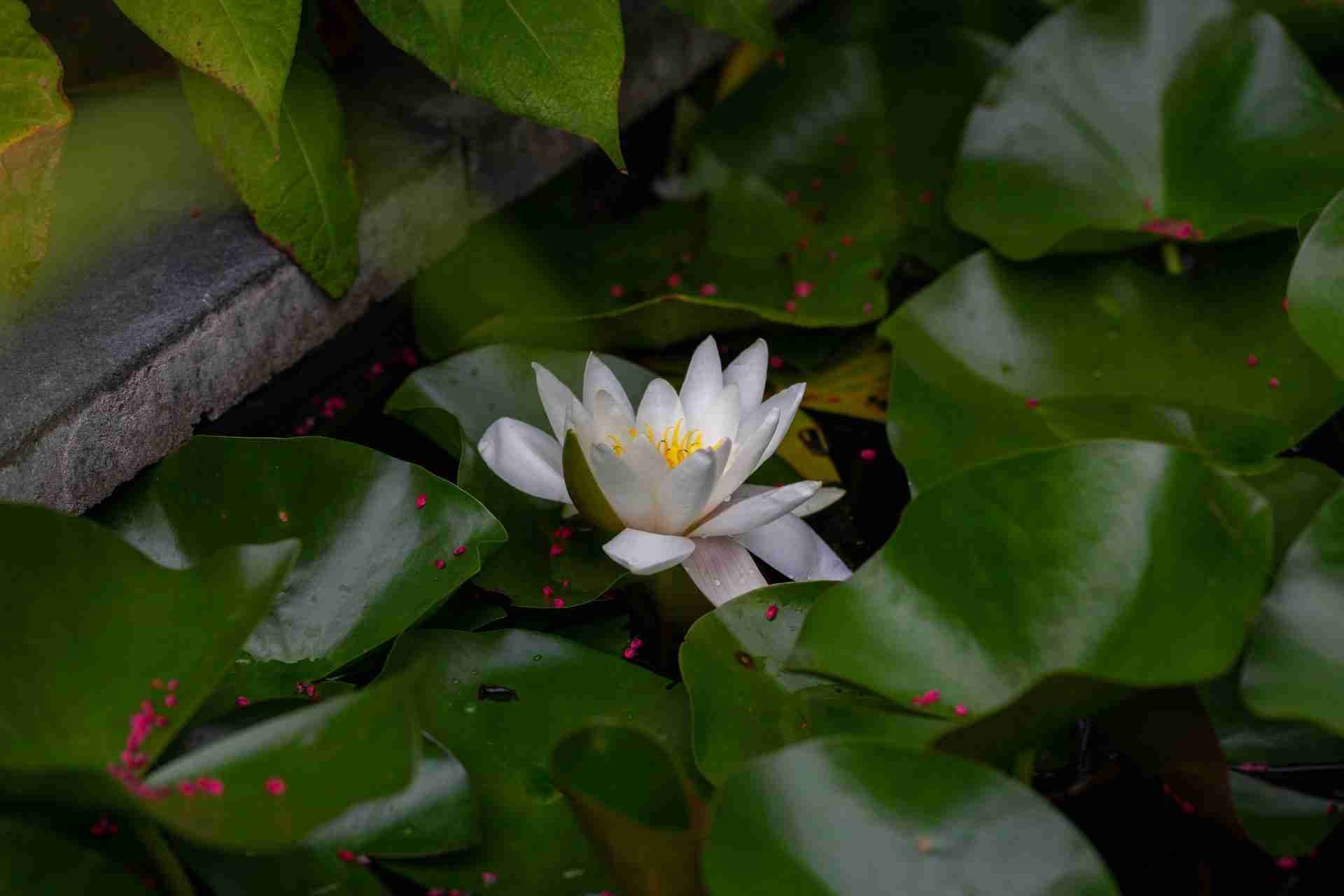
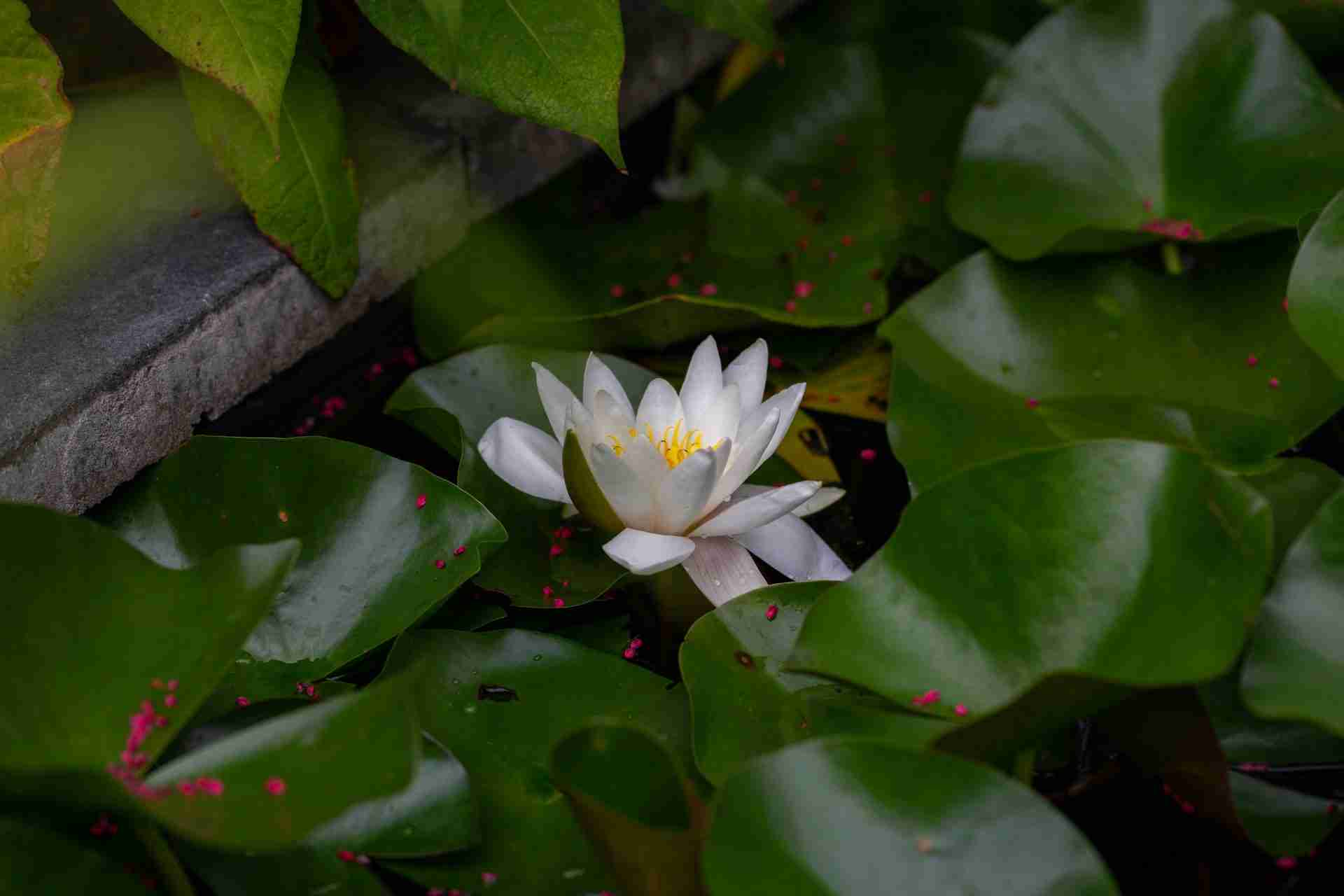
Tucked into the countryside of Rhineland-Palatinate, Nachtigallenhof Staudengarten is a peaceful combination of nursery, garden café, and perennial haven that invites slower, more observational photography. The layout is informal and naturalistic, with walking paths winding through flowerbeds, old fruit trees, climbing roses, and seasonal borders that change throughout the year. This is not a manicured display garden but a space that celebrates variety, texture, and relaxed growth. For photographers, it offers gentle light, layered color, and small subjects that respond to careful framing and patience. Whether you're shooting macro detail, soft backgrounds, or wider views across the garden, the setting lends itself to quiet images built around shape, light, and mood.
Best Photography Opportunities
• Macro Flower Studies in Soft Light
The garden is filled with perennials and flowering plants that offer a rich palette for macro photography. Early in the day or under light overcast skies, petals retain moisture and color, and the diffused light avoids harsh shadow. Use a macro lens or a close focusing prime around 85 to 100mm to isolate blooms, capture petal texture, or highlight bees and other insects moving between flowers. These images are best when backgrounds are soft and muted, so watch your angles and shoot with wide apertures.
• Layered Color from Mixed Borders
Many of the beds are arranged with overlapping height and color, creating a painterly scene when viewed from mid-distance. A 50 to 70mm lens works well to compress the layers without losing the garden's sense of depth. Framing from slightly above allows you to look across the beds, combining foreground detail with mid-ground variety and a backdrop of greenery or garden structures. Late afternoon or early morning side light can be used to bring out contrast between leaves and blooms.
• Wide Compositions with Seating and Structures
The café seating areas, small gates, trellises, and orchard trees provide natural subjects for storytelling compositions. Use a wide lens between 24 and 35mm to include these elements within the larger garden context. These shots benefit from soft sidelight that brings out the warm tones of the wood and the texture of the pathways. Placing a table or chair in partial frame helps create depth and a sense of scale, especially when partially obscured by flowers in the foreground.
• Soft Portraits or Still Life Scenes in Garden Corners
Many corners of the garden are well suited to informal portraits or still life arrangements. Backdrops of climbing roses or textured fencing provide separation and subtle interest without overpowering a subject. A fast prime lens in the 50 to 85mm range can isolate faces or objects while keeping the garden's atmosphere present in the background. These areas are most photogenic when the light is even or filtered through tree canopy.
• Seasonal Transitions and Plant Detail
As a working nursery, Nachtigallenhof offers something different in every season. Spring brings out bulbs and early perennials, while summer fills the borders with height and color. Autumn introduces seed heads, grasses, and warmer tones, while even winter offers structure through bare branches and dried textures. Detail shots of changing leaf color, withering blooms, or frost covered stems provide a more reflective way to photograph the garden through its slower moments.
Best Time to Visit
Late spring through early autumn is the most productive period for garden photography here, with peak bloom generally arriving between May and July. Arriving early in the day provides the best chance for soft light and quiet paths, as well as dew on the plants. Overcast days are especially useful for flower detail and close up work, as they eliminate harsh contrast and deepen color. Summer afternoons can be bright and busy, so plan for lower-angle light later in the day if you want warm tones and quieter scenes. In autumn, visit for structure and changing tones, while winter visits focus more on shapes and texture rather than bloom.
How to Get There
Nachtigallenhof Staudengarten is located just outside the village of Wallertheim, Germany, in the wine growing region of Rheinhessen. The garden is accessible by car and is well marked on local signage and online maps. Visitors can park on site, and there are no long walking approaches or hikes involved. The garden itself is level and easy to navigate, with gravel and grass paths throughout. Entry is free, though guests are encouraged to support the café or purchase plants from the nursery. Photography is welcome, but tripods may be discouraged during busy café hours, so early visits are best if you plan to work slowly or set up more involved shots.
Recommended Photography Gear
A macro lens or a close focusing prime is the most useful tool for flower photography in this setting. Pair it with a lightweight tripod or monopod for stability in low light. A standard zoom from 24 to 70mm offers flexibility for wider garden views, while an 85mm prime is perfect for portraits or shallow depth of field studies. A circular polarizer can help control glare on leaves and bring out depth in flower petals. Consider bringing a lens cloth if shooting close to ground level where soil or mist can fog the lens. A small reflector may be helpful in shaded areas to bounce light back onto flowers or details. The site is small, so there is no need to overpack.
Nearby Photography Locations
• Wallertheim Vineyards
Just beyond the garden, the surrounding vineyards offer long lines, changing colors, and open sky compositions. These are best photographed in early morning or late afternoon, especially in late summer and early autumn when the vines are full.
• Armsheim Old Railway Station
A short drive from Wallertheim, this former train station has rustic textures, old signage, and overgrown tracks that make for compelling industrial or decay themed photography in a quiet rural setting.
• Wörrstadt Wind Turbines
Visible from the higher fields around Wallertheim, these modern turbines offer a clean contrast to the traditional landscape. They are often framed against sunset skies or rolling farmland, especially with a long lens.
A nearby small town with cobbled streets, timber-framed buildings, and quiet courtyards. It is ideal for architectural detail, shadow play, and casual street photography in a relaxed setting.
• Selztal Valley Trails
For those wanting more open natural scenery, the trails through the Selz River valley offer views of fields, wildflowers, and distant hills. The light is best in the early morning as it cuts across the open valley floor.
Comments
Loading comments…