
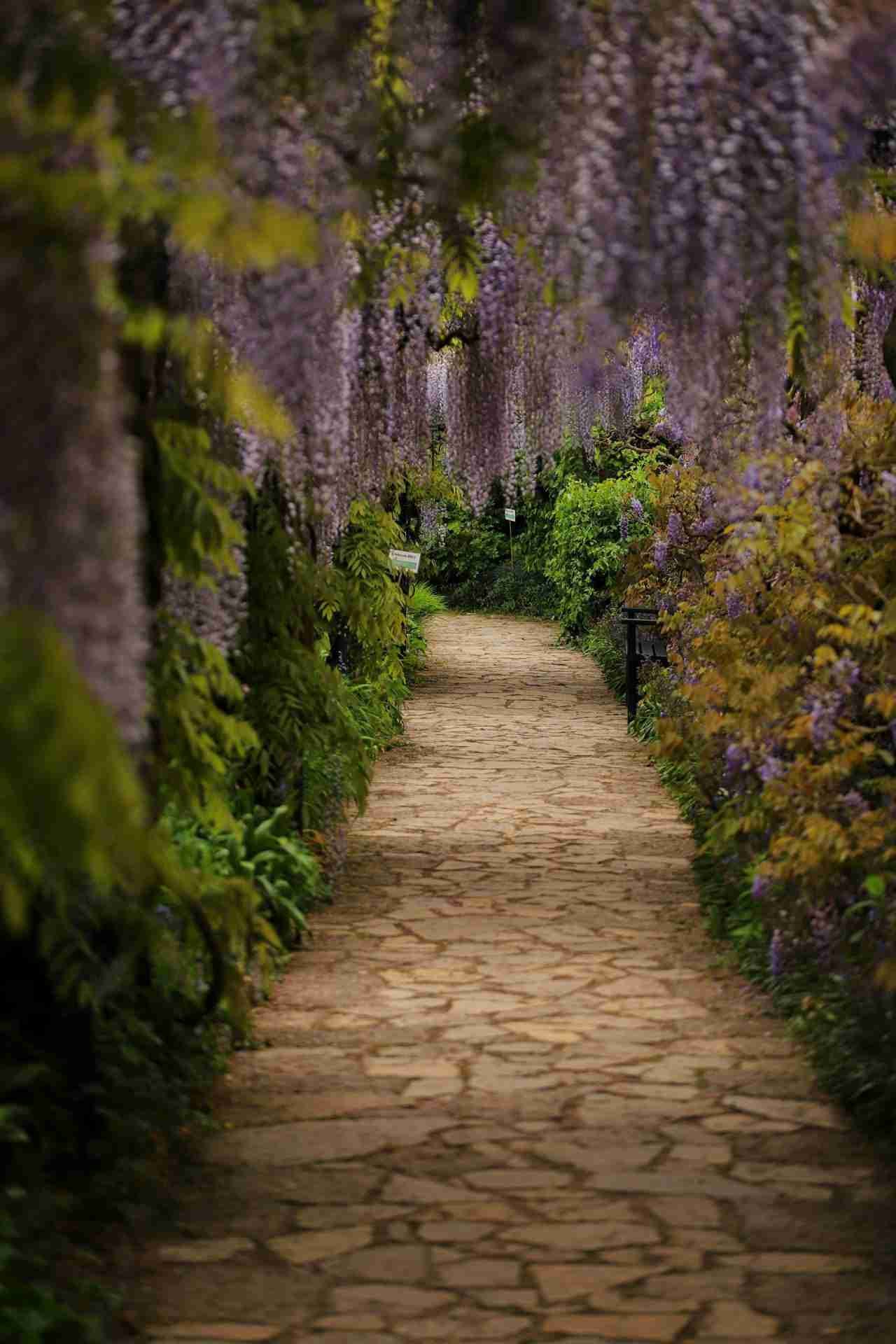
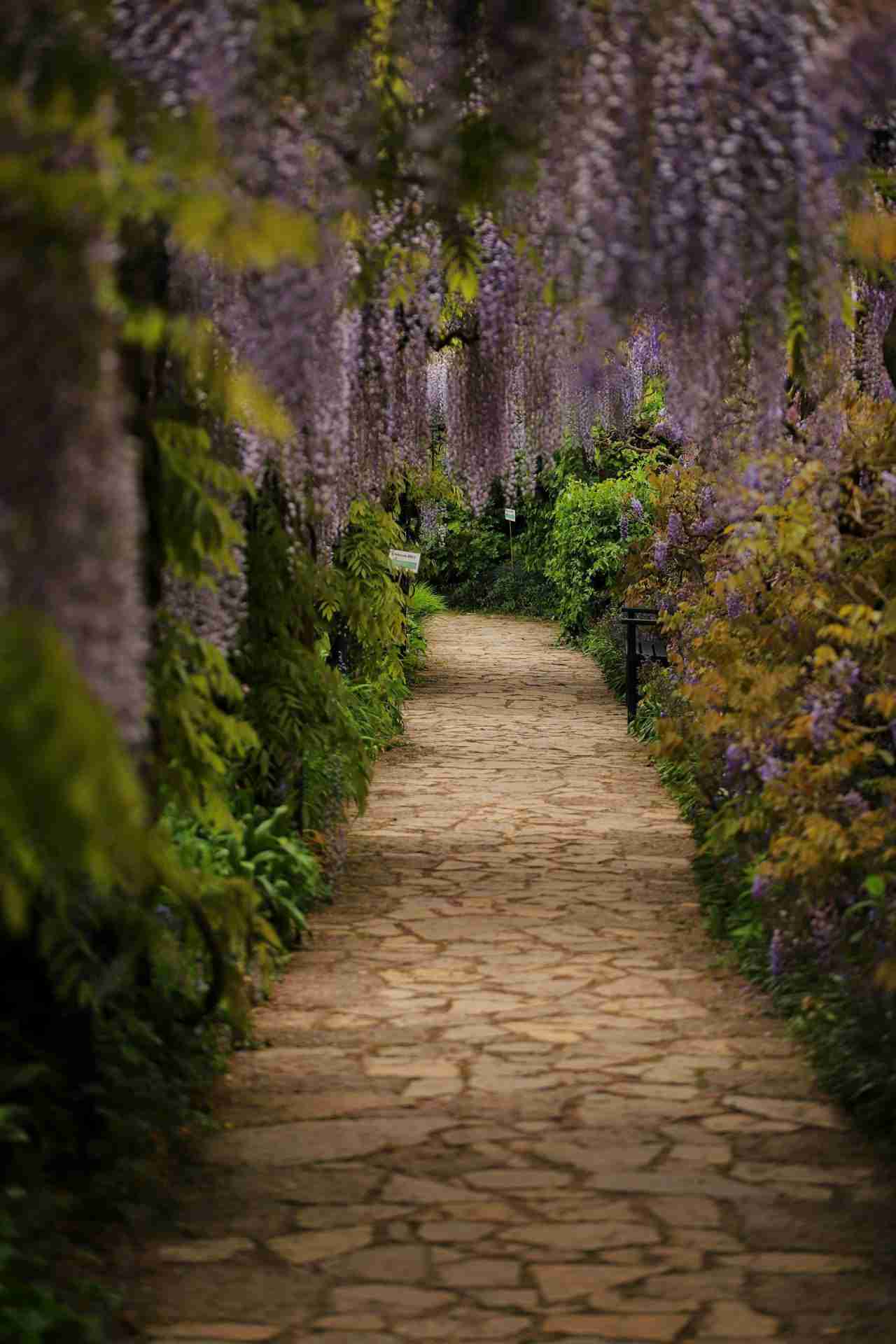
The Schau- und Sichtungsgarten Hermannshof in Weinheim is a living canvas for photographers, where carefully designed plantings and naturalistic landscapes create a constantly shifting array of colors, textures, and forms. Spread across approximately 2.5 hectares, the garden is a combination of botanical research site and public park, showcasing over 2,500 plant species arranged in innovative, climate-adapted planting schemes. From sweeping drifts of flowering perennials to intimate corners shaded by mature trees, the space offers compositions for every lens and style of photography. Its setting in Weinheim's old town adds to its charm, with the Odenwald hills visible in the background on clear days. Here, photography is as much about capturing seasonal transitions and light quality as it is about individual blooms, making it a destination worth returning to throughout the year.
Best Photography Opportunities
• Spring Bulb Displays
: In early spring, large sections of the garden burst into color with tulips, daffodils, and other bulbs arranged in bold sweeps. Shooting in the early morning captures the flowers while they are still fresh with dew, and the lower sun angle adds depth to their colors. A mid-range zoom lens allows for a mix of close floral portraits and wider scenes showing the scale of the displays. Overcast days can be ideal for reducing contrast and bringing out the saturation in the petals. Experimenting with low angles helps place the blooms against the sky, giving a fresh, vibrant look to the composition.
• Summer Prairie Borders
: By midsummer, the Hermannshof is dominated by its naturalistic prairie-style plantings, with grasses and perennials such as coneflowers, rudbeckia, and liatris creating layered textures and color combinations. These plantings change subtly day to day, offering endless variations for macro and landscape-oriented shots. Late afternoon light filters through the taller grasses, creating backlit effects that highlight seed heads and flower petals. A polarizing filter can enhance blue skies and help balance the warm tones of the blooms. Moving around the beds allows you to find compositions with strong depth, leading the viewer's eye through overlapping plant layers.
• Autumn Color and Structure
: Autumn brings rich golds, russets, and deep purples, with ornamental grasses reaching full height and flowering asters adding splashes of late-season color. Photographing in early morning or late afternoon accentuates the warm hues and brings out the textures of both flowers and foliage. Macro photography works especially well at this time of year, with opportunities to capture the fine details of seed heads, turning leaves, and morning frost. Wide shots benefit from including paths or seating areas to give scale and context. Even on gray days, the variety of plant forms provides visual interest that holds up well without direct sunlight.
• Winter Textures and Frost
: While winter may seem a quieter season, Hermannshof offers striking photographic opportunities in its dormant months. Grasses left standing create sculptural forms, and seed heads often hold onto light snow or frost, catching the low winter sun. This is the time to focus on shape, contrast, and simplicity, using longer shadows and a muted color palette to create mood. A telephoto lens can compress scenes for a more abstract look, while a wide-angle lens captures the bare bones of the garden's structure. Early morning frost days are especially rewarding, with sparkling textures against a pale blue winter sky.
• Shaded Corners and Woodland Plantings
: Throughout the garden, shaded areas under mature trees host more delicate plantings of ferns, hostas, and spring ephemerals. These spots are perfect for close-up studies of foliage patterns and textures, particularly on overcast days when the light is even and soft. Using a wide aperture can isolate individual leaves or flowers against a blurred background. Early morning is the quietest time to work in these areas, when foot traffic is minimal and the light filtering through leaves creates gentle highlights.
Best Time to Visit
The Hermannshof garden is worth visiting in every season, but your photographic approach will change depending on the time of year. Spring is vibrant, with the first bulbs and flowering trees setting the tone for the growing season. These early months are best for soft, detailed shots of emerging growth and colorful displays against fresh green backdrops. Summer is the peak for the prairie-style plantings, when the garden is at its fullest and most colorful, offering both wide landscapes and close-up floral work.
Autumn brings dramatic light and a more subdued but richly colored palette, ideal for capturing texture and depth. The ornamental grasses are at their most photogenic, and the lower sun angles enhance their golden tones. Winter is the quietest season in terms of color but one of the most rewarding for structure-focused compositions. Frosty mornings add sparkle to seed heads and grasses, while mist can soften the background for atmospheric scenes. Early morning and late afternoon light is consistently the best for depth and richness in color, though overcast days work especially well for macro work and evenly lit compositions.
How to Get There
The Schau- und Sichtungsgarten Hermannshof is located in the heart of Weinheim in the state of Baden-Württemberg, Germany. From Mannheim or Heidelberg, Weinheim is easily reached by train in about 15 to 30 minutes, followed by a short walk from the Weinheim (Bergstraße) station to the garden. For those arriving by car, parking is available in nearby public lots within walking distance. The garden is open daily and entry is free, making it easy to plan repeat visits to capture different seasons and light conditions.
Paths throughout the garden are level and accessible, making it easy to transport camera gear. Benches and shaded areas are available, allowing photographers to pause and plan shots. While tripods are permitted, be mindful of other visitors, especially during peak bloom periods when paths can be busy.
Recommended Photography Gear
A macro lens is highly recommended for capturing the intricate details of flowers, foliage, and seed heads throughout the seasons. A 24 to 70 millimeter zoom works well for general garden scenes, while a 70 to 200 millimeter lens allows you to isolate plant groupings and compress layered plantings for a more painterly look. For wide overviews of the garden, a 16 to 35 millimeter lens can emphasize depth and scale, especially when shooting along paths or through arching plant forms.
A tripod is useful for early morning or low-light conditions, particularly in shaded areas or for macro work with narrow apertures. A polarizing filter can help manage reflections on foliage and deepen sky tones, while a diffuser or small reflector can be handy for controlling light on close-up subjects. Comfortable shoes are important, as photographing the garden often involves slowly walking the grounds to find the best angles and light.
Consider bringing extra batteries and memory cards, especially in peak bloom seasons, as it is easy to spend several hours capturing the variety of scenes on offer. For winter visits, gloves that allow for fine camera control will make shooting more comfortable during frosty mornings.
Nearby Photography Locations
: Just steps from the garden, the historic center of Weinheim features half-timbered houses, cobblestone streets, and small squares that provide an architectural counterpoint to the natural beauty of Hermannshof.
: This unique forest park contains exotic tree species from around the world, offering unusual textures, forms, and seasonal colors just a short walk from the garden.
: Perched above Weinheim, the ruins of Windeck Castle offer panoramic views of the Rhine plain and the town below, especially photogenic at sunset.
• Odenwald Hills
: A short drive from Weinheim, the Odenwald provides rolling landscapes, forest paths, and hilltop views for those looking to combine garden photography with wider natural scenery.
: Less than half an hour away by train, Heidelberg offers a blend of riverfront views, historic architecture, and hilltop castle perspectives that pair beautifully with a trip to Hermannshof.
The Schau- und Sichtungsgarten Hermannshof is more than just a display garden; it is a living example of how plants can be arranged for both scientific study and artistic impact. With its changing seasons, layered planting styles, and accessible layout, it offers photographers the chance to create images that range from sweeping seasonal portraits to intimate botanical studies.
Comments
Loading comments…