
Photographing Strand Kühlungsborn in Northern Germany
Strand Kühlungsborn is a long stretch of clean, soft sand along the Baltic Sea coast in northeastern Germany. Located in the town of Kühlungsborn in Mecklenburg-Vorpommern, the beach blends open seascapes with calm waters, wide skies and the slow rhythm of life along the German Riviera. What sets this location apart is the quiet balance between manmade and natural elements. Wooden piers, neatly lined beach chairs and smooth stone groynes all blend into a setting defined by light, texture and repetition. Whether you are working with minimal seascapes or structured compositions that include the town's subtle coastal infrastructure, this is a place that rewards simplicity and patience.
Best Photography Opportunities
• Morning Light and Baltic Stillness
Early mornings offer some of the most peaceful and productive conditions along Strand Kühlungsborn. The sun rises over the water from the east, and the light spreads across the calm sea and empty beach in soft pastel tones. This is the best time to capture long exposures without people in the frame. The air tends to be still, so reflections on the wet sand or in shallow tide pools hold sharp detail. A tripod is essential during the early blue hour, and a graduated neutral density filter helps hold the sky and water in balance before the sun fully clears the horizon. Light during this time is low contrast and naturally flattering for wide compositions.
• Compositions with the Kühlungsborn Pier
The wooden pier, known as the Seebrücke, extends nearly 240 meters into the sea and creates strong linear elements for foreground and vanishing point compositions. From the sand, you can frame the structure from a low angle to emphasize its symmetry, or from the side to show depth and repetition in its supports. As the tide shifts and the sun moves, light reflects off the water and pier structure in changing patterns. Golden hour adds warmth to the tones, while overcast light softens everything and allows more focus on shape and texture. Shooting from the pier back toward shore gives you a different angle to work with, especially during cloud-heavy skies.
• Beach Chairs in Different Seasons
The classic Strandkörbe, or German beach chairs, are as much a part of Kühlungsborn's identity as the sea itself. In summer, they are arranged in rows along the beach, creating order and rhythm in the frame. These repeated forms work especially well in wide shots taken during morning or evening when shadows are long. Outside of the tourist season, the chairs are often stacked or covered, which changes the mood entirely. A single chair left behind or draped in protective fabric can become the focal point of a minimalist frame. This contrast between seasons gives the same subject new character throughout the year.
• Long Exposures with Water and Horizon
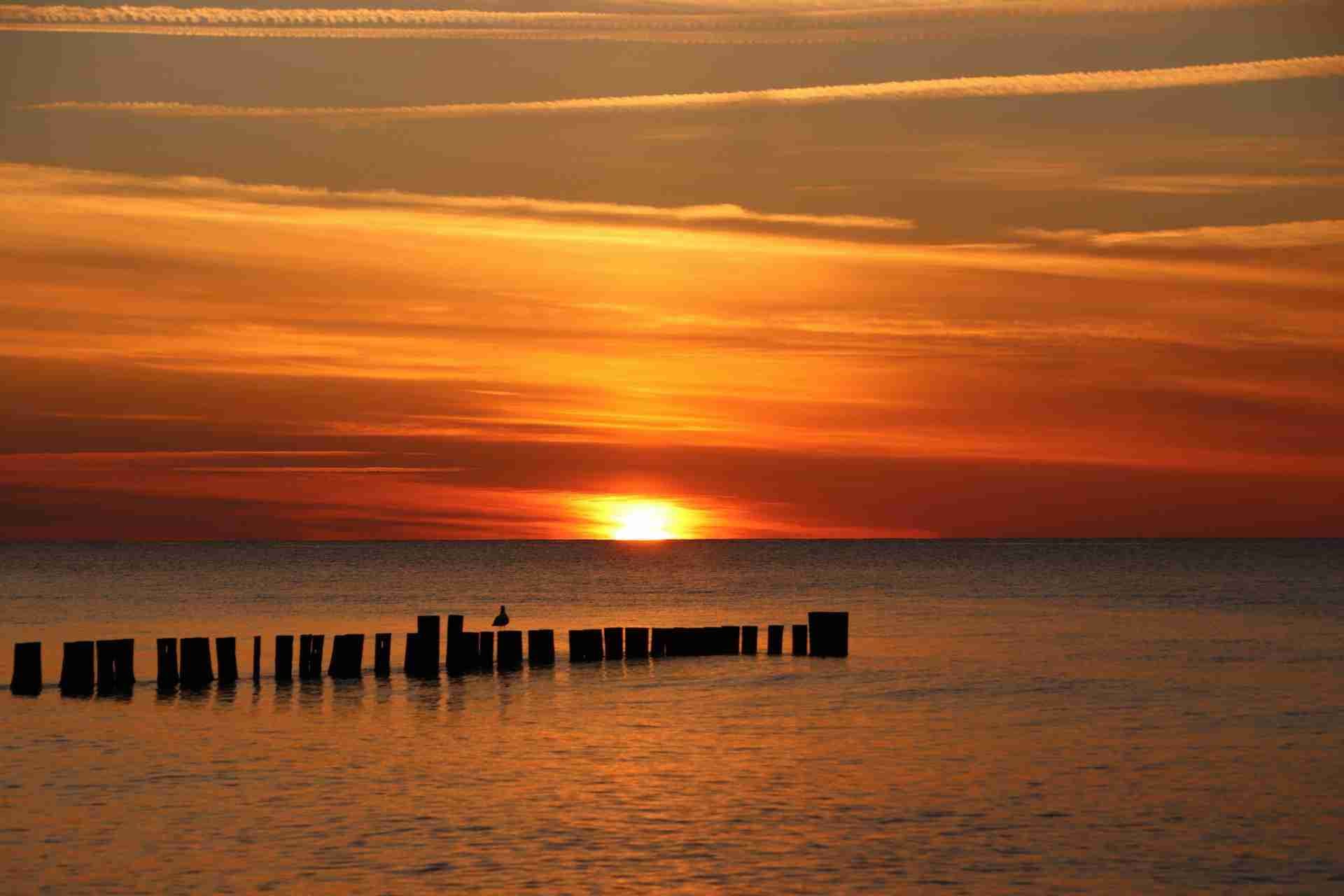
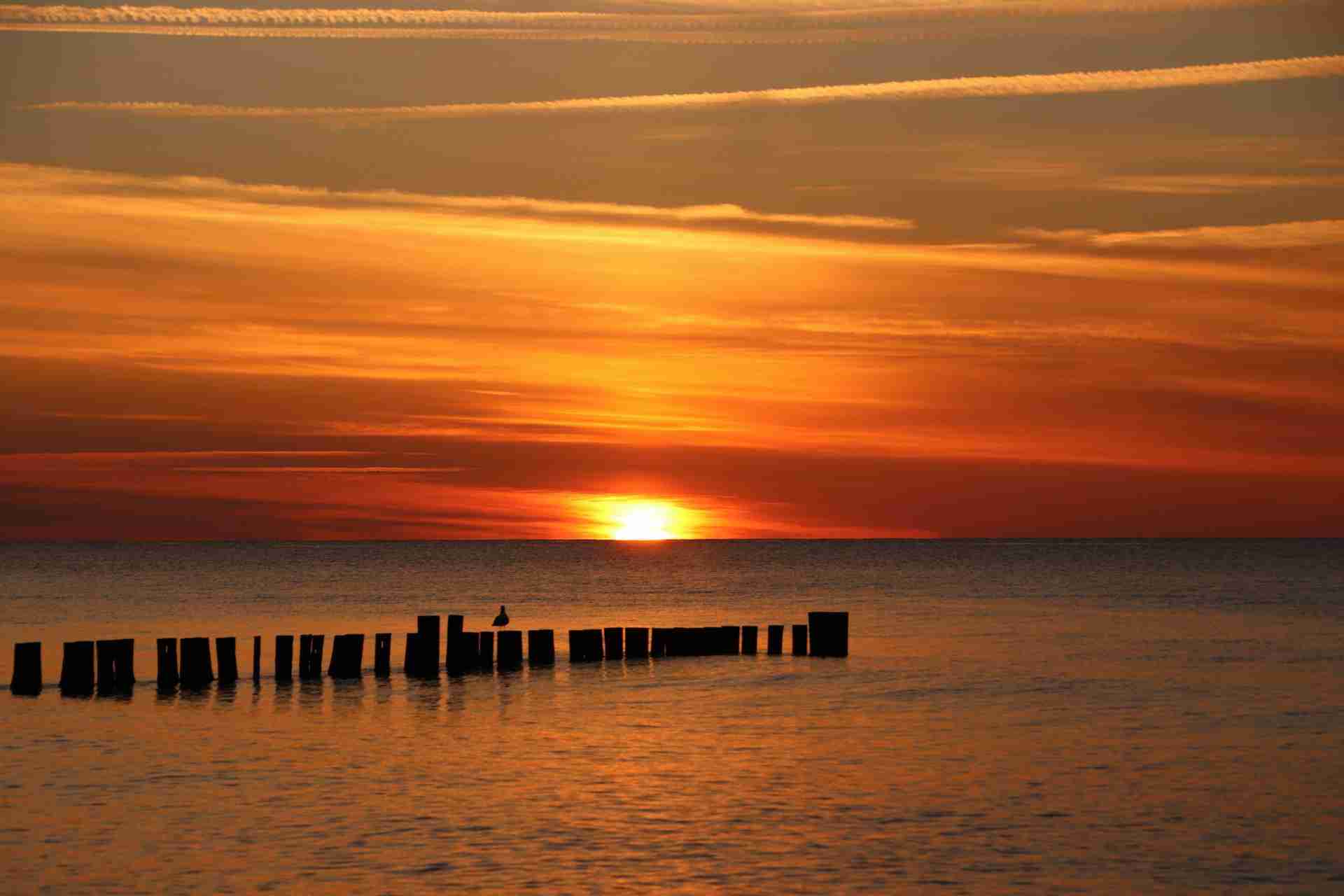
The Baltic's low waves and flat horizon make Strand Kühlungsborn a perfect place to work on long exposure seascapes. With a six-stop or ten-stop neutral density filter, you can stretch your shutter speed and smooth out the movement in the water and sky. The groynes, wooden breakwaters and small navigation posts give your frame a clean anchor point. Shooting during twilight or under a thick cloud layer flattens the tones and brings out fine color shifts. These exposures often work best with a wide lens and careful attention to the level of your horizon line. The quiet mood of this style suits the location well.
• Cloud Layers and Baltic Storm Light
During colder months or after seasonal changes, Kühlungsborn often sees dramatic skies and quick shifts in weather. Thick cloud banks, sharp wind and diffuse light give the beach a heavier tone. These conditions are perfect for monochrome shooting or for deep contrast images with strong texture in the sky and sand. Watch the edges of the clouds for breaks where sunlight creates fast highlights on the water or wet stones. Weatherproof your gear and be ready to shoot quickly as the light and wind can change the scene from minute to minute. These conditions are less comfortable but often produce the most memorable frames.
Best Time to Visit
Strand Kühlungsborn can be photographed in any season, but spring and fall offer the most flexibility and the best balance between light, crowd levels and weather. From March to early June, the light is soft, and the beach is not yet filled with summer visitors. Golden hour lasts longer, and overcast days create excellent soft light for both wide and detail shots. September and October offer similar conditions with the added benefit of changing skies and fewer people.
In summer, the beach is more active, but early morning and late evening still allow for clean, open shots. Beach chairs, boats and umbrellas offer more subjects, and you can work with shadows and structure. Winter visits are colder and windier, but the light is more directional and often more dramatic. Snow is rare but not impossible. Fog and cloud cover are common and can flatten the color palette in a way that suits the minimal nature of the landscape.
Sunrise shoots are often more rewarding than sunset, especially when photographing the pier and the beach from the town side. The sun clears the horizon over the water and gives direct light across the wet sand. Sunsets are better from the promenade or near the edges of town, where you can catch color reflecting off low clouds.
How to Get There
Kühlungsborn sits along the Baltic Sea coast, about 30 kilometers west of Rostock in the state of Mecklenburg-Vorpommern. By car, take the A20 autobahn and follow signs for Bad Doberan, then Kühlungsborn. Public parking is available near both the eastern and western sections of the beach, including the promenade. From most parking areas, it is a short walk to the sand or the pier.
If you are arriving by train, connect through Rostock to Bad Doberan, where you can take the narrow-gauge Molli railway directly into Kühlungsborn. The Molli line is a historic steam train that also offers good photo opportunities if you want to add a local transport element to your visit.
The beach is public and accessible year-round, with well-maintained walking paths and access points throughout the town. Most spots are easy to reach with gear, and there are no permits or fees required for standard photography. Drone use is allowed in some areas, but check for local regulations and keep distance from wildlife and residential areas.
Recommended Photography Gear
Photographing Strand Kühlungsborn requires gear that can handle open light, soft tones and changing weather. A wide-angle lens is essential for shooting beachscapes, the pier and long exposure compositions with groynes or boats. A mid-range zoom lens in the 24 to 70 millimeter range is useful for framing beach chairs or isolating smaller subjects in the open space.
A tripod is important for long exposure work and for shooting in lower light, especially during twilight or cloudy conditions. Neutral density filters are useful for controlling shutter speed over the water, while a circular polarizer can help reduce glare on wet sand and enhance contrast in the sky. Keep in mind that Baltic light is often flat, so subtle changes in tone are worth watching for.
Pack a microfiber cloth to deal with sea spray or condensation on the lens, especially in winter or early morning. A rain cover or weatherproof bag will protect your gear during windy conditions. Waterproof shoes or boots help you reach the edge of the tide or shoot near the breakwaters. If you plan to fly a drone, bring a compact model that handles light wind well and fly during early hours when the air is calm and the beach is quiet.
Nearby Photography Locations
Just a short drive east, Heiligendamm is Germany's oldest seaside resort and features white neoclassical architecture along the shore. The contrast between formal buildings and open beach makes for strong coastal compositions, especially in overcast or diffused light.
The Molli narrow-gauge steam train travels between Bad Doberan and Kühlungsborn, passing through fields, towns and forest. You can photograph the train at crossings or small stations for a classic rural rail scene, especially in the golden hour when the light hits the steam.
West of Kühlungsborn, this quiet lagoon and nature area is less developed and ideal for wildlife and minimalist landscape shots. The open dunes and grasses shift in the wind and are especially photogenic under layered skies or early morning mist.
Set on a small hill outside of Kühlungsborn, Bastorf Lighthouse offers high views across the coast and farmland. The lighthouse itself is compact and photogenic, and the surrounding landscape is ideal for sunrise compositions with open skies.
• Wustrow Peninsula
A bit farther east, the Fischland-Darß-Zingst region offers larger landscapes, dramatic dune systems and open Baltic views. It is a great day trip from Kühlungsborn if you are looking to expand your portfolio with more varied coastal scenes.
Strand Kühlungsborn is a quiet location with clean structure, soft light and endless opportunity for slow, focused photography. It is a place where you can spend hours adjusting your frame by inches, waiting for the right sky or watching the tide pull a pattern into the sand. Whether you are working on a single long exposure or walking the promenade with just one lens, this beach rewards stillness and simplicity.
Comments
Loading comments…