
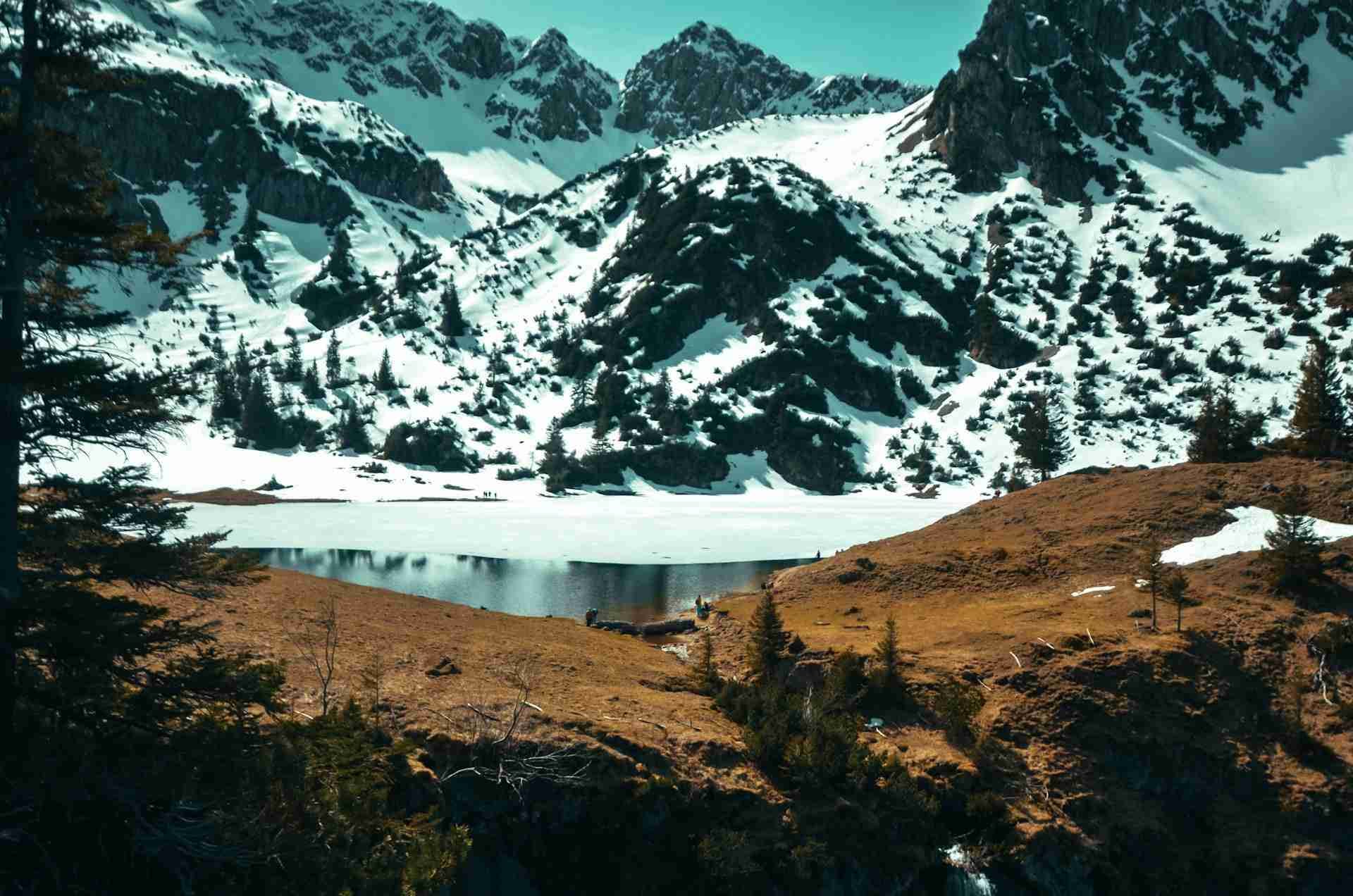
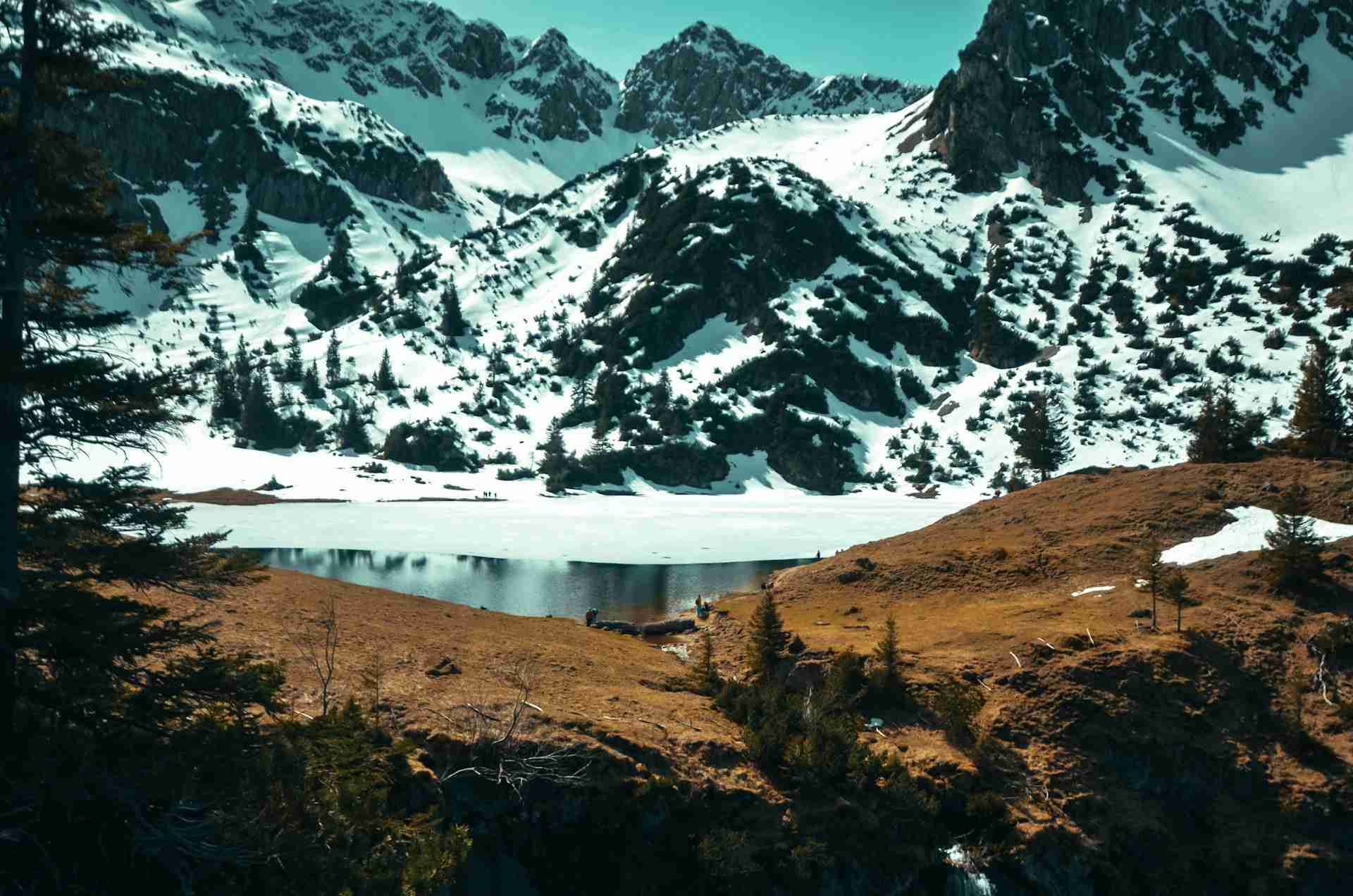
Tucked into a steep glacial basin above Oberstdorf in Bavaria's Allgäu Alps, Unterer Gaisalpsee is a remote alpine lake where light, rock, and silence meet in perfect balance. At over 1,500 meters elevation, the lake is framed by towering cliffs and steep slopes, offering photographers an unspoiled natural setting with near-constant drama in the terrain. The surrounding peaks rise like curtains around the lake's glassy surface, which captures every ripple of cloud and every shift of mountain light. The approach (whether from the Gaisalpe or via the Freibergsee trails) is part of the reward, offering steadily expanding views and a deepening sense of immersion. With no roads, no structures, and minimal foot traffic, Unterer Gaisalpsee is pure landscape photography territory, offering compositions that range from wide-open alpine vistas to intimate reflections and rugged geological details.
Best Photography Opportunities
Morning Reflections on the Lake Surface
Arriving early in the day, particularly during the calm window before the wind rises, allows photographers to capture the full mirror effect of Unterer Gaisalpsee's surface. The encircling cliffs reflect with near-perfect clarity when the air is still, and any lingering clouds or morning haze only amplify the lake's reflective quality. Shooting wide with a lens in the 16–35mm range lets you place the lake in the foreground with peaks and sky forming the upper frame. For low compositions, a lightweight tripod and knee-level positioning help center the reflection symmetrically. The lake's clarity also reveals submerged rocks near the shore, which can add layered interest to foregrounds when using a polarizer to reduce surface glare.
Dramatic Cliff Backdrop from the Western Shore
From the lake's western edge, the full scale of the basin becomes visible, with steep rock faces rising sharply behind the water. This is a powerful vantage point for capturing the contrast between soft water and jagged terrain. Using a mid-telephoto lens from this spot allows you to compress the scene and emphasize the vertical rise of the cliffs. Cloud movement adds mood and shifting shadows to the rock face throughout the day, while snow patches in early summer add graphic contrast. The light is strongest here in mid- to late morning, when the sun begins to climb above the ridge and fill the basin with directional side light.
Golden Light from the Eastern Trail Ridge
Climbing slightly above the lake on the eastern approach trail reveals a sweeping perspective that places the lake in the lower third of the frame, surrounded by sunlit grass slopes and deepening shadows along the western cliff. This location becomes especially compelling in late afternoon as the light turns golden and rakes across the upper flanks of the basin. Wide shots from this spot show the full spatial relationship between the lake, trail, and rock formations, while a 24–70mm lens provides the flexibility to include nearby textures such as alpine flowers or weathered rocks. The golden light intensifies color contrast, particularly in early autumn when grasses and shrubs begin to change.
Minimalist Compositions with Water and Stone
Up close, Unterer Gaisalpsee offers strong material contrasts that lend themselves to simple, focused compositions. Wet rock meeting water, small cascades from snowmelt feeding into the lake, or still shoreline stones become subjects in themselves. These quiet details photograph well under soft light—particularly on overcast days when texture and tonal variation take priority over sweeping vistas. A fast prime lens, like a 35mm f/1.8, works well here, allowing you to isolate elements with precision and shoot handheld at slower shutter speeds. Black and white processing suits this approach, emphasizing surface detail and tonal gradients in stone and water.
Alpenglow on Surrounding Peaks
For those willing to stay into twilight, the high cliffs above Unterer Gaisalpsee occasionally catch the pink and red hues of alpenglow, particularly in the cooler months or after clear sunset days. From a position near the lake's southern end, photographers can frame the glowing peaks above the still water, capturing the transition from day to night with long exposures. This light lasts only a few minutes but transforms the upper basin into a rare and fleeting color display. A tripod, remote shutter release, and graduated ND filter are useful tools here to balance exposure between sky and shaded foreground. The lake, meanwhile, turns deep blue or slate gray, contrasting beautifully with the warm tones above.
Best Time to Visit
Unterer Gaisalpsee is best visited from late May through early October, when trails are clear of snow and the lake is fully accessible. In early summer, snowmelt feeds small waterfalls and freshens the lake's color, while patches of snow on the cliffs offer visual contrast. June and July bring alpine blooms and the clearest skies, making them prime months for high-contrast daytime photography and long evening light.
August and September are ideal for golden hour and twilight shots, as the air begins to cool and the light softens earlier in the day. Early morning visits offer the best reflections, particularly from June through August when winds tend to rise later. Arriving at or just after sunrise often means having the lake entirely to yourself—important not just for clean compositions, but for the quiet that amplifies your connection to the scene.
October marks the end of the safe hiking season. By mid-month, light snow can start to coat the trail or the lake basin itself, which creates beautiful photographic contrast but also demands more caution in travel. Winter visits are not recommended unless you're an experienced alpine hiker with the gear and skills for snow-covered navigation, as the trail involves exposure and slippery descents. In all seasons, weather can change quickly, so bringing layers and planning extra time for light conditions is essential for a successful shoot.
How to Get There
Unterer Gaisalpsee can be reached via two main routes, both starting from the Oberstdorf area. The most direct and popular path begins at Gaisalpe, a small hamlet accessible by car from Oberstdorf or by foot from Reichenbach. From the Gaisalpe parking area, the trail climbs steeply along a marked path through mixed forest and exposed switchbacks, eventually opening into alpine meadows and rock-strewn upper slopes. The hike takes about 1.5 to 2.5 hours depending on pace and conditions, and includes sections of loose stone and occasional water crossings.
An alternative route begins at Oberstdorf and ascends via the Freibergsee trail system, offering a longer but more gradual approach that adds additional viewpoints over the surrounding valley and lake. Whichever route you choose, sturdy footwear, water, and weather protection are essential. The trail is well marked but requires attention in wet or foggy conditions. There is no entry fee to access Unterer Gaisalpsee, and no facilities at the lake, so bring everything you need and plan to pack out all gear and waste. Tripods and drones are permitted, though drone use should be done with respect for the peaceful setting and other hikers.
Recommended Photography Gear
Given the hike and the elevation gain, photographers should pack light but with purpose. A wide-angle zoom (16–35mm) is indispensable for capturing the lake and surrounding cliffs in one expansive frame. The scale of the landscape here makes it important to include foreground elements, which this lens supports well. A mid-range zoom, such as a 24–70mm, offers the flexibility to switch quickly between detail and broader scenes without changing lenses on the trail.
A lightweight, collapsible tripod is essential for early morning reflection shots, twilight exposures, and shooting long water exposures in low light. Consider a carbon fiber model that can be strapped to a pack without adding significant bulk. A circular polarizer helps with reducing surface reflection on the water and adding richness to the lake's natural blues and greens, while a graduated ND filter can be helpful in balancing sky and land exposure during sunrise or sunset sessions.
For detail work—textures, cascades, trail-side elements—a fast prime lens such as a 50mm or 35mm adds sharpness and low-light capability. Bring extra batteries, as colder morning temperatures at elevation can drain power more quickly than expected. Footwear should be trail-grade with ankle support, and your camera bag should be well-balanced for steep hiking. A microfiber cloth is a must, especially on misty or humid mornings when condensation can build quickly on filters and lenses.
Nearby Photography Locations
Located on the lower slopes south of Oberstdorf, Freibergsee is a forested mountain lake that offers calm water and excellent reflection photography, particularly at dawn. The tree-lined shore and surrounding ridges make it ideal for peaceful water compositions and tighter natural detail shots. It's also a rewarding prelude if you're taking the longer trail route toward Unterer Gaisalpsee.
Nebelhorn Ridge Trails
Easily accessible by cable car from Oberstdorf, the Nebelhorn offers high-elevation views and sharp ridgelines that photograph well at both wide and compressed focal lengths. Golden hour from these trails provides long-reaching light across the Allgäu Alps, and the ridge paths open to views of distant peaks and deep valleys.
Gerstruben Village and Dietersbach Valley
This preserved mountain hamlet sits above the Stillachtal and offers traditional alpine architecture nestled against forest and slope. It's a quiet and historically rich location perfect for landscape and cultural compositions, especially in soft light. Trails from here also connect toward deeper valleys with dramatic geological features.
Running southeast from Oberstdorf, the Trettachtal valley is one of the most visually balanced in the region, with a winding river, open pasture, and high ridgelines. Sunrise brings warm side light that creeps slowly across the meadows and cliffs, rewarding early risers with subtle, layered compositions.
Gaisalphorn Summit
For experienced hikers, continuing above Unterer Gaisalpsee leads to the Gaisalphorn summit. This high point provides aerial views of the lake below and sweeping scenes across the Allgäu Alps. The trail is more technical, but the photographic reward includes rare top-down compositions and layered mountain silhouettes.
Unterer Gaisalpsee is a place where the camera slows down and the environment takes over. For photographers seeking solitude, precision, and alpine texture, this lake is more than a destination. It's a quietly unfolding canvas that changes with every step and every breath of mountain air.
Comments
Loading comments…