
Alpine Panorama: A Photographer's Guide to Wallberg, Bavaria, Germany
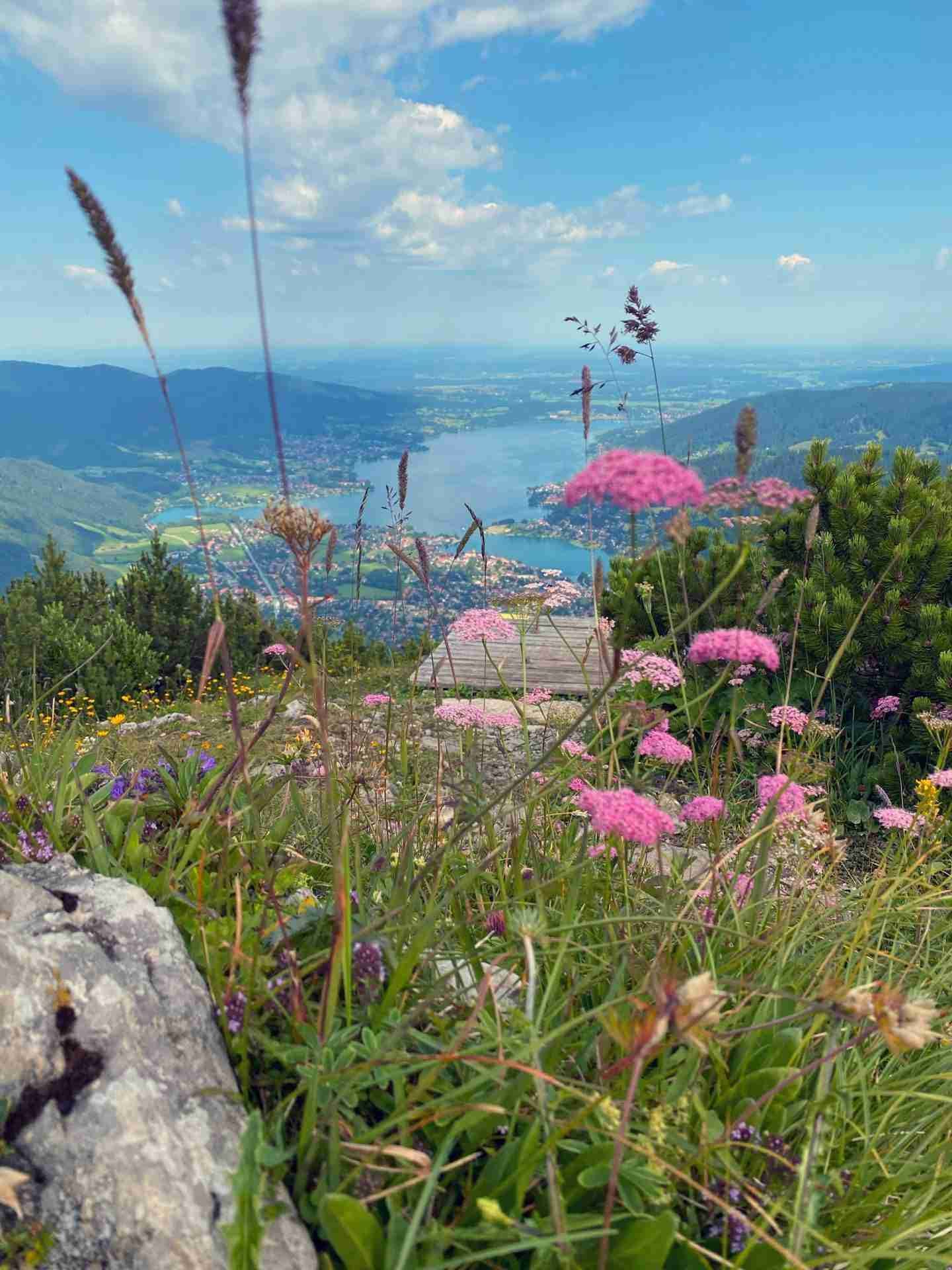
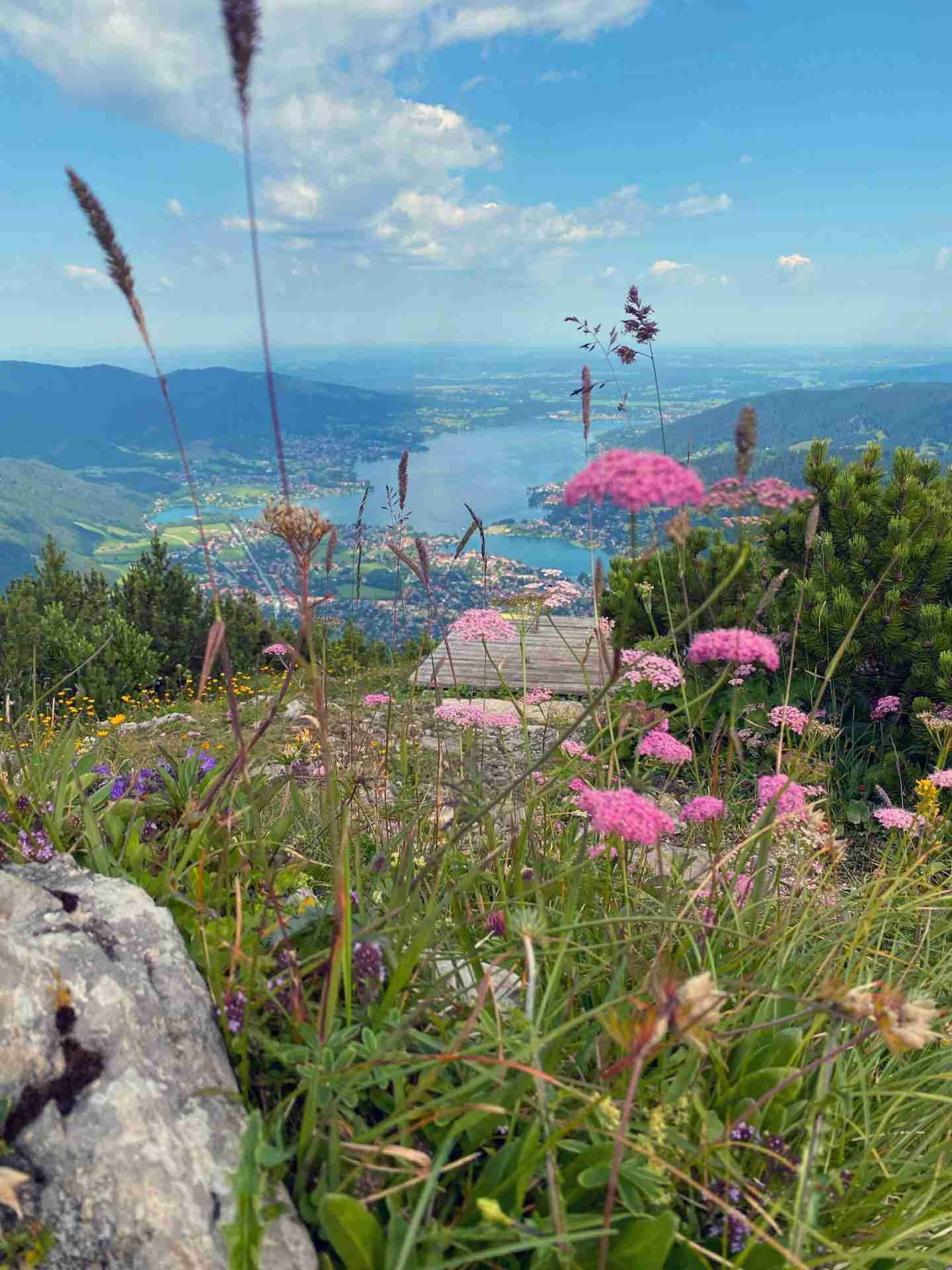
Wallberg is a beautiful mountain rising above the clear blue waters of Lake Tegernsee in southern Germany. Located in the Bavarian Alps, it offers photographers a chance to capture sweeping alpine views, peaceful meadows, and the charm of the surrounding countryside. The summit reaches 1,722 meters and features a large summit cross, several trails, and panoramic viewpoints in every direction. Whether you take the cable car or hike to the top, this mountain delivers unforgettable scenes in every season.
Best Photography Opportunities
• Sunrise over Lake Tegernsee
One of the most memorable times to photograph Wallberg is early in the morning, when the sun begins to rise above the eastern horizon. The soft morning light casts a golden glow over the lake and mountain peaks, and the summit area is often peaceful and quiet. From the ridge near the summit cross, you can include the lake in the background, clouds in the sky, and maybe a few hikers standing in silhouette. Bring a tripod for long exposures and arrive early to set up before the light changes. As the sun rises, the mist often lifts from the valley below, adding atmosphere and depth to your photos.
• Mountain ridges and moving clouds at midday
As the day progresses, Wallberg often sees fast-moving clouds rolling over the ridges. Midday light can be stronger, but the dramatic contrast between shadows and highlights gives your photos a sense of shape and structure. Walk along the ridge path to find unique angles where the clouds create patterns over the landscape. A mid-range zoom lens is helpful for adjusting your framing quickly. Even in bright light, a polarizing filter can improve the sky's color and reduce glare on rocks or snow.
• Alpine wildflowers and forest paths in the afternoon
During spring and summer, the slopes below the summit are filled with blooming wildflowers and tall grasses. The late afternoon sun brings out the colors in the meadows and softens the light for more balanced exposures. A walk down the trail toward the cable car station offers a variety of foreground elements like flowers, wooden fences, and pine trees. You can frame these natural details against the vast backdrop of distant peaks and sky. A telephoto lens will help compress the layers of the landscape and create a stronger sense of scale.
• Golden-hour silhouettes and long views
Before sunset, the light turns warm and golden, casting long shadows and rich highlights across the mountain landscape. This is the perfect time to photograph the summit cross or hikers standing on the ridge. With the sun setting behind them, their figures become dark shapes against a glowing sky. Use a tripod and longer lens to focus on these silhouettes while still showing the wide mountain scenery. Golden hour often produces some of the most emotionally resonant photos, with strong colors and peaceful moods.
• Star photography and nighttime skies
If you're able to stay after dark, Wallberg becomes a great location for night photography. With limited light pollution and a high vantage point, you can see many stars and even the Milky Way on clear nights. Bring a sturdy tripod and a wide-angle lens to capture as much of the sky as possible. Long exposures will make the stars appear brighter, and you can include the summit cross or mountain ridge as a dramatic foreground.
Best Time to Visit
Wallberg is photogenic all year, but each season brings a different atmosphere. Spring is full of color as the snow melts and flowers begin to bloom. The contrast between remaining snow patches and green meadows creates interesting textures. Early summer brings warmer weather, clear skies, and longer days, making it a great time for early morning or evening photography.
Autumn is especially beautiful, with the forests around the mountain turning bright red, orange, and yellow. Clear, cool air and fewer crowds make this a favorite time for many photographers. Golden light at sunrise and sunset enhances the warm tones of the landscape.
Winter turns Wallberg into a snowy scene with sparkling frost and peaceful stillness. The mountain is popular with skiers, but you can still find quiet spots to photograph untouched snow and glowing horizons. Be prepared for cold temperatures and icy trails, and check the cable car schedule in advance as hours may be limited.
Regardless of season, early morning and late afternoon are the best times for soft light and dramatic shadows. Weekdays tend to be less crowded, especially if you plan to hike.
How to Get There
Wallberg is located near the town of Rottach-Egern, on the southern side of Lake Tegernsee. The easiest way to reach it is by car, and there is parking available near the Wallbergbahn cable car station. From there, you can take the cable car to the upper station, which brings you close to the summit in just a few minutes.
If you prefer a more active approach, several hiking trails lead to the top. The main trail starts near the parking lot and winds through forest and alpine meadows. It takes about 90 minutes to two hours to hike to the summit, depending on your pace. The trail is well-marked and suitable for most hikers, but can be slippery or snowy during colder months.
Once at the top, paths connect the various viewpoints, the summit cross, and a small café where you can rest. Restrooms are also available. Always bring proper clothing, as weather conditions can change quickly at high elevations.
Recommended Gear for Wallberg Photography
Bring a wide-angle lens to capture the full scope of the mountain landscape, especially during sunrise and sunset. A mid-range zoom lens is great for flexible compositions, allowing you to quickly adjust between wide scenes and tighter details. A telephoto lens will help you photograph distant peaks, layers of ridgelines, or hikers from afar.
A tripod is essential for low-light and night photography, especially during golden hour or after dark. Use a polarizing filter to enhance the sky's color and reduce reflections. A graduated neutral density filter can help balance bright skies and darker foregrounds. Don't forget a lens cloth to keep your glass clean, especially in damp or snowy weather.
For night photography, a remote shutter release and extra batteries are useful. Pack layers of clothing, water, snacks, and sun protection, especially if you're planning to stay on the mountain for a full day.
Nearby Photography Locations
From the edge of the lake, you can photograph Wallberg rising above the water. Early morning and evening reflections are particularly striking when the surface is calm.
This nearby peak offers a different view of Wallberg and the surrounding Alps. The summit is accessible by cable car and hiking trail, and it's a great place to capture panoramic mountain layers.
• Rottach-Egern Pier
Located at the southern end of Lake Tegernsee, this wooden pier offers a peaceful spot to shoot lake reflections, boats, and distant peaks in soft light.
• Roman Ruins at the Lake
Near the lake's southern shore are the remains of a Roman villa. These old stone structures make an interesting historical foreground against a dramatic natural backdrop.
• Valepp Valley Trail
This nearby trail follows a quiet stream through a dense forest. It's ideal for more intimate nature photography, including mossy rocks, flowing water, and shaded light.
Comments
Loading comments…