
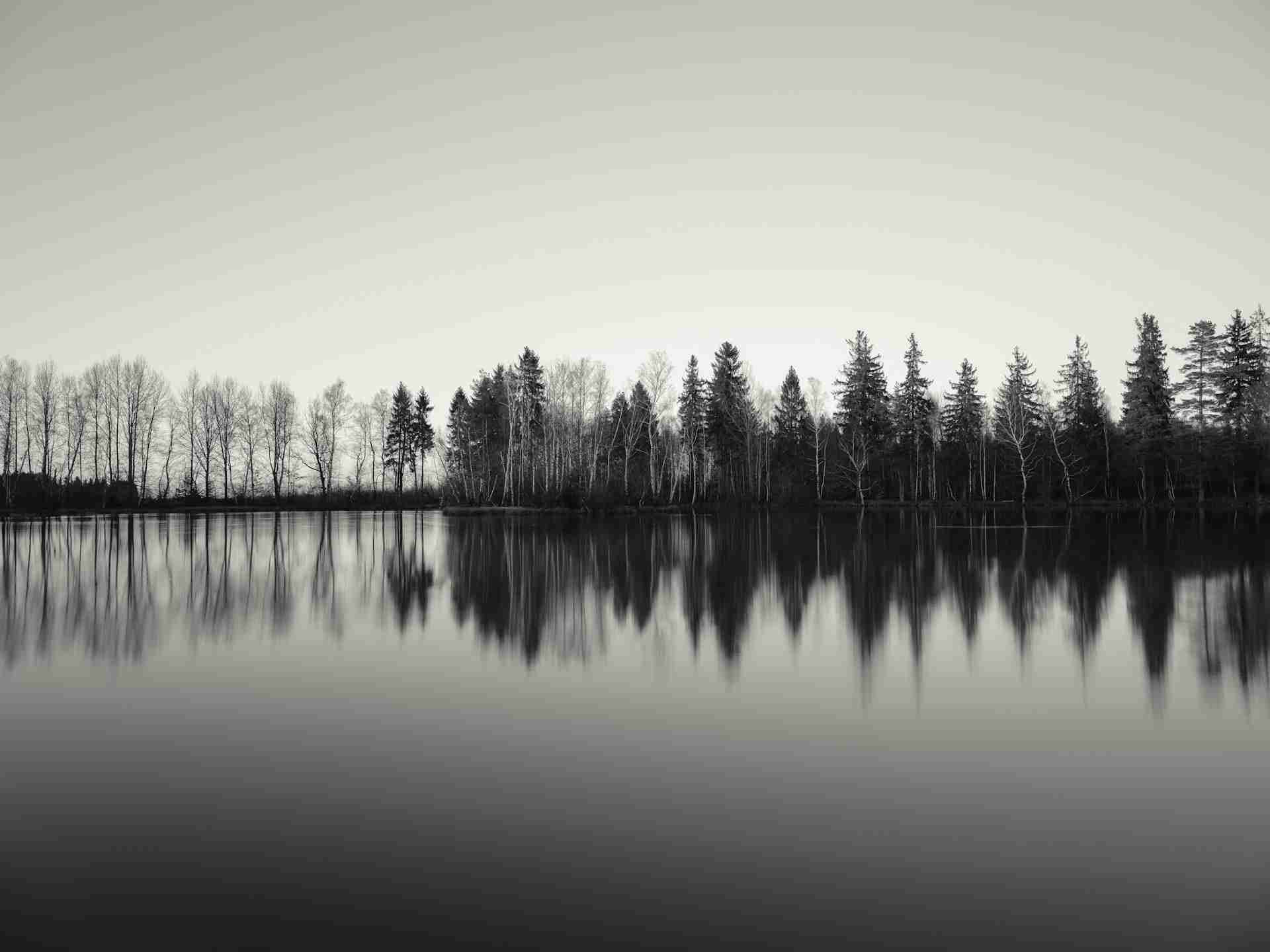
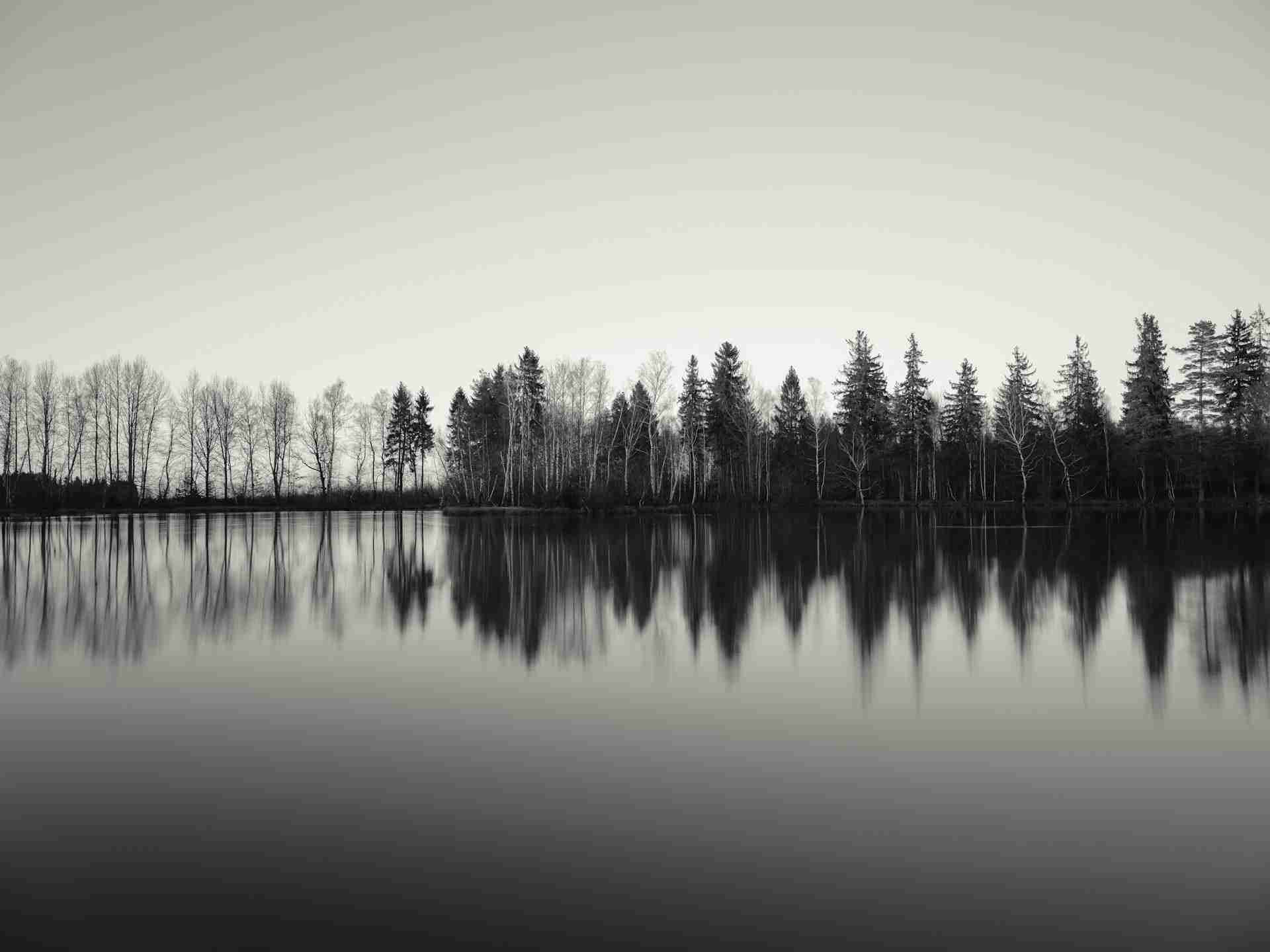
Hidden in the forested hills of Saxony, just north of the historic town center of Schneeberg, the Ziegelteich is a small, serene pond surrounded by meadows, woodland trails, and gently rising terrain. Though it may not appear on every tourist map, this quiet body of water holds significant appeal for photographers seeking a peaceful landscape with mirrored surfaces, seasonal textures, and subtle changes in light. Framed by grasses and reeds in the summer and surrounded by leaf color in the fall, the pond serves as both subject and canvas, reflecting the natural rhythms of its environment. The slow-moving surface, rustic piers, and occasional mist hanging above the water make Ziegelteich a rewarding location for those who work with patience and attention to detail.
Best Photography Opportunities
• Still Water Reflections from the Northern Bank
The clearest view across the pond can be found on its northern edge, where a small path runs alongside open ground and low vegetation. In calm weather, the water becomes a natural mirror, reflecting the sky and surrounding trees with near-perfect symmetry. This is an ideal place to shoot wide-angle compositions that emphasize the vertical lines of tall birch and pine trees mirrored in the pond below. Shooting during blue hour or just after sunrise helps maintain soft contrast and cool tones, while incorporating reeds or wildflowers in the foreground adds textural interest.
• Reeds and Ripples at the Eastern Inlet
The eastern side of Ziegelteich receives gentle water flow from a nearby meadow, creating ripples that spread outward and break the pond's mirror surface in rhythmic patterns. These delicate movements can be used as leading lines in longer compositions or as the subject of minimalist studies. A mid-range zoom lens, such as a 24 to 70 millimeter, allows you to isolate sections of shoreline, reeds, and reflected light. This is also the best area for macro work with morning dew on the grasses and occasional insect life that adds a natural documentary element to your shoot.
• Low-Fog Compositions in Early Morning
On crisp autumn mornings, a fine mist often rises from the surface of Ziegelteich and drifts above the water before burning off in the sun. These moments are brief but magical, offering a dreamlike atmosphere and a cool, even light that wraps around the trees and shoreline. To photograph this fog effectively, arrive before sunrise and set up with a stable tripod along the northwestern bank. Longer exposures between one and four seconds work well for smoothing out water texture while retaining the soft edges of the mist. This is also a perfect time for black and white conversions, which emphasize shape and mood over color.
• Seasonal Color from the Western Slope
In late September through mid-October, the slope above the western shore turns into a palette of amber, gold, and deep green as the deciduous trees shift into autumn. From this angle, the light in the afternoon strikes the trees directly and casts golden reflections across the water. This location is ideal for slightly elevated compositions that look down onto the pond and capture both foliage and mirrored sky in one frame. A polarizing filter can be used here to manage glare and control how much of the pond's reflection is visible, giving you creative control over the balance between surface and depth.
• Frozen Patterns in Winter Ice
During colder months, Ziegelteich freezes over, and the stillness of the scene creates a minimalist setting perfect for high-contrast compositions. Cracks in the ice, embedded leaves, and soft snowfall create delicate surface patterns that can be photographed up close or from the banks using a longer focal length. The lack of foliage draws attention to the textures of bark, branch, and snow. This is a quiet, subtle season for photography, but one full of opportunities for those who enjoy working with line and structure rather than color.
Best Time to Visit
The light and mood at Ziegelteich shift throughout the day and across the seasons, offering different types of imagery depending on your timing. In spring and summer, early morning provides soft light and the best chance for undisturbed reflections before wind or wildlife begin to stir the water. Summer also brings rich green tones and blooming wildflowers along the pond's edges, creating vibrant foregrounds and lively natural textures.
Autumn is the most colorful and photographically rewarding time to visit. From late September through October, the trees around the pond turn into rich tones of orange, yellow, and red. Morning light during this season enhances these colors and adds depth to reflections across the water. Even dull or overcast days work well in autumn, as diffused light helps preserve color saturation and reduces glare on the pond.
Winter is the quietest season in terms of foot traffic and color, but it is ideal for photographers who appreciate minimalism and a slower pace. The frozen pond, bare trees, and occasional snowfall create opportunities for quiet, high-key compositions that feel contemplative and timeless.
How to Get There
Ziegelteich is located just north of the Schneeberg town center, in the state of Saxony, Germany. From the center of town, it is an easy walk or short bike ride following local trails and small roads that wind past residential areas and into lightly wooded terrain. For visitors arriving by car, public parking is available near the edge of town, from where you can walk to the pond in about ten to fifteen minutes. There are no signs specifically marking Ziegelteich, so using a map app or GPS coordinates is helpful in locating the site precisely.
There is no entrance fee to access the pond, and it remains open to the public year-round. The area is not heavily trafficked, especially on weekday mornings and during the off-season, making it an excellent location for focused and uninterrupted photography. The trail surrounding the pond is generally level and well-maintained, but conditions can become slippery in winter or after heavy rain. Basic facilities such as restrooms and food are not available at the site itself, but Schneeberg's town center offers everything you might need before or after your session.
Recommended Photography Gear
Because of the pond's relatively small size and the range of natural subjects available, a flexible and lightweight gear setup works best at Ziegelteich. A wide-angle lens, such as 16 to 35 millimeters, allows you to capture full reflections, sky detail, and foreground textures in a single frame. This is particularly useful when working with sunrise light or composing around leading lines formed by grasses and tree branches.
A mid-range zoom like a 24 to 70 millimeter lens gives you the ability to move quickly between environmental frames and more concentrated studies of shoreline vegetation or water surface detail. For photographers interested in abstraction or texture, a short telephoto lens or macro lens opens up close-up possibilities, especially in winter when cracks in the ice or frost-covered leaves provide excellent subjects.
A sturdy tripod is essential for morning fog shots, long exposures, or macro compositions where sharpness and stability matter. Filters can be useful here as well. A polarizer helps control surface reflections and enhances the richness of greens or autumn tones. Neutral density filters may come in handy for slowing shutter speeds and softening water ripples during longer exposures.
Other gear recommendations include weather-resistant outerwear, especially in the colder months, a lens cloth to manage moisture from mist or rain, and a small waterproof pack to protect your camera if light rain or wet ground becomes an issue. Footwear with good tread is recommended, especially in muddy or frozen conditions around the banks.
Nearby Photography Locations
• Schneeberg Town Center and St. Wolfgang Church
Just a few minutes south of Ziegelteich, the historical heart of Schneeberg offers rich architectural photography, with steep slate-roofed buildings and the impressive St. Wolfgang Church dominating the skyline. The elevated streets provide scenic vantage points, especially at sunrise when the morning light touches the church tower and the tiled rooftops below.
A short drive or bike ride from Ziegelteich, this larger body of water offers open landscapes, moody cloud reflections, and wide sweeping shoreline compositions. In the fall, the surrounding hills light up with color, and the paved loop around the reservoir makes it easy to find new angles without retracing your steps.
Located about thirty minutes east by car, the Greifensteine are towering granite rock spires surrounded by dense forest. A hiking trail leads to the top of the formations, offering panoramic views of the Erzgebirge hills. The early morning light through the trees and dramatic shapes of the rocks provide a very different photographic character compared to Ziegelteich.
• Eibenstock Dam and Upper Reservoir
For those interested in industrial and natural contrast, the Eibenstock Dam presents an impressive curved concrete wall holding back forested hillsides. It is best photographed from the eastern overlook during sunrise or from the trails that climb through the woods on either side of the reservoir. Reflections and layered compositions are plentiful on calm days.
Ziegelteich may be quiet, but it speaks in reflections, textures, and slow light. For photographers who enjoy subtlety, patience, and working with the natural world at its most peaceful, this small Saxon pond offers more than meets the eye. Every season brings a different tone, every morning a different mist or shadow, and every visit a new chance to see what might otherwise be overlooked.
Comments
Loading comments…