
Turquoise Dreams: A Photographer's Guide to Kathisma Beach, Lefkada, Greece
Kathisma Beach on the western coast of Lefkada is one of the most visually striking coastal locations in the Ionian Islands. With its expansive shoreline of fine white sand, turquoise-blue waters, and dramatic cliffside backdrop, this beach is a treasure trove of photographic potential. Unlike the more commercial beaches of mainland Greece, Kathisma offers a raw, natural beauty that reveals different moods throughout the day, from the stillness of morning mist to the fiery glow of a summer sunset. Whether you're interested in long exposures, aerial perspectives, or intimate coastal detail, this location delivers a wealth of possibilities in a single setting.
Best Photography Opportunities
• Soft Sunrise on the Shore
Though Kathisma is known more for its sunsets, arriving just before sunrise offers an unexpected reward. The Ionian Sea appears especially calm in the early hours, often reflecting subtle pastel hues that gently emerge from the horizon. This time of day brings out the finer textures of the sand and surf, enhanced by the absence of crowds and visual distractions. Set up near the northern end of the beach where large rocks punctuate the shoreline and can be used as foreground elements. A wide-angle lens and tripod will allow for long exposures that smooth the water and reveal layers of tone and texture in both sky and sea. The cliffs catch the first light gradually, offering opportunities for transitional compositions as shadow lifts and color intensifies.
• Cliff-Lined Beach Textures
The towering cliffs that frame Kathisma are an integral part of its dramatic appeal. These cliffs exhibit a mix of sedimentary layers and sun-bleached outcroppings, with shrubs and pines clinging to their ledges. Around mid-morning, the angle of the sun reveals crisp contrasts in the stone and casts long diagonal shadows that move steadily across the beach. This is an ideal time to work with a mid-range zoom lens to isolate patterns in the rock, textural interactions between sand and stone, or the interplay of waterlines retreating across pebbled surfaces. For more abstract compositions, look for how sunlight creates rippling reflections on the cliff base, especially where freshwater runoff seeps onto the sand.
• Golden Hour Aquatic Reflections
Late afternoon at Kathisma delivers a striking shift in tone as the sun lowers over the Ionian Sea. The beach's western exposure means that golden hour is prolonged and deeply immersive. The warm light not only enriches the colors of the water but also reveals submerged sand patterns and shifting shadows in the waves. Set up near one of the outcroppings or stairway viewpoints to take in an expansive view that leads the eye from textured foreground to horizon. Using a polarizing filter can help eliminate glare on the water and enhance the vivid blues and greens beneath the surface. This is also an excellent time for handheld shooting if you prefer to move freely, as the light becomes more diffuse and forgiving.
• Sunset Silhouettes and Color Transitions
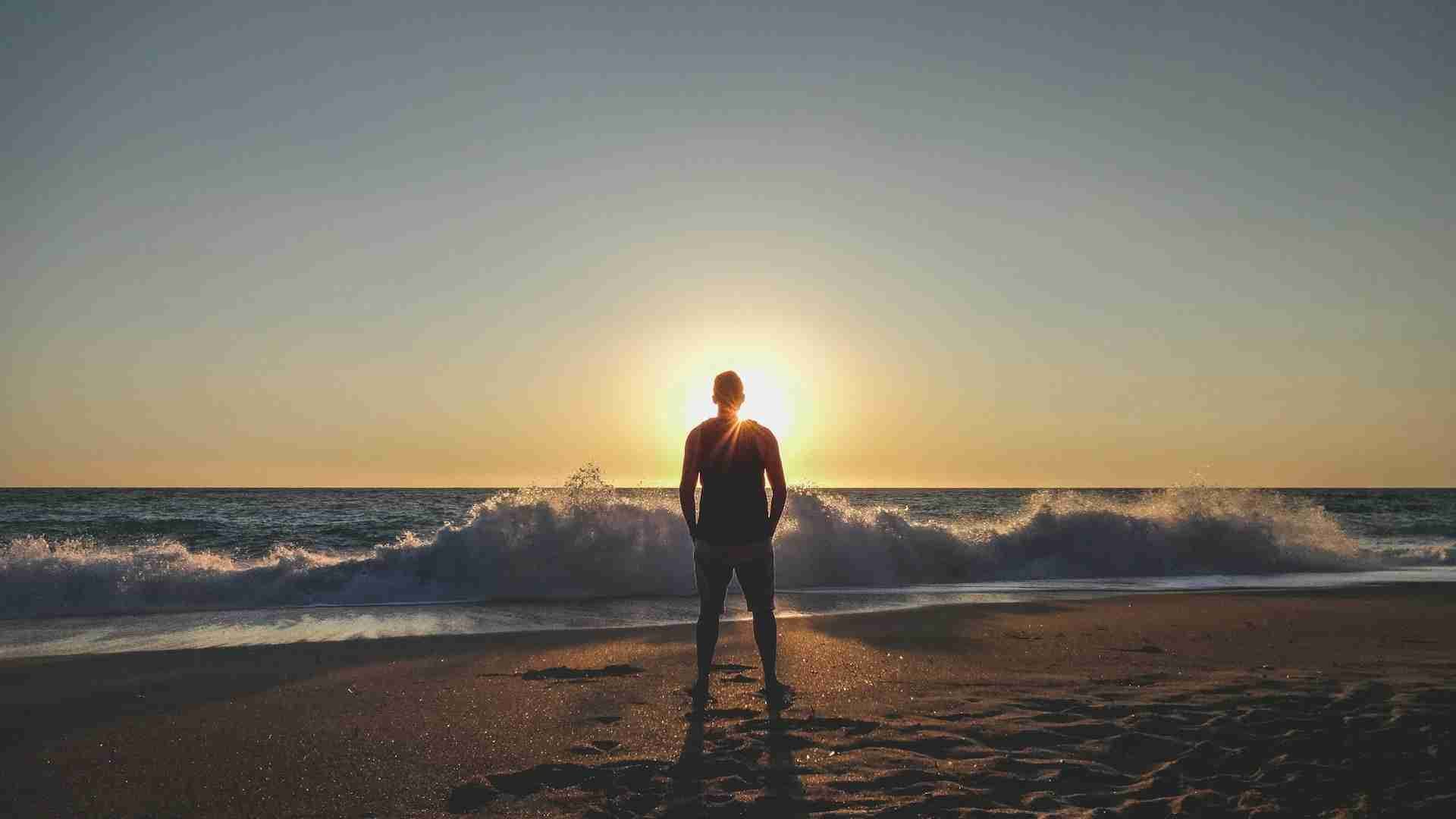
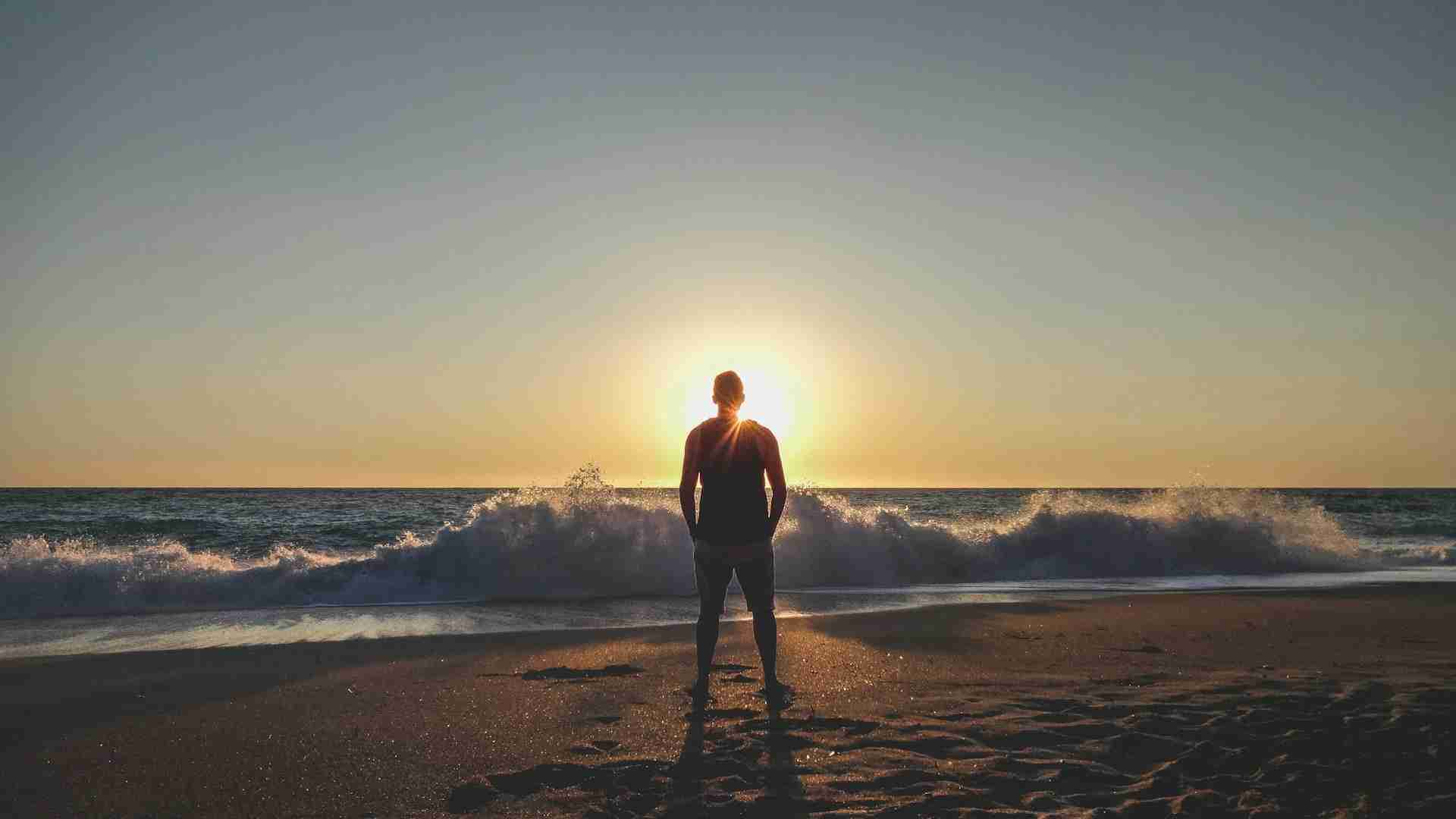
As the sun approaches the horizon, Kathisma becomes a canvas of evolving light. The intense oranges, pinks, and purples that often dominate the sky are reflected in the water and wet sand, creating a mirror-like effect. Silhouettes of sunbathers, cliffside trees, or distant swimmers add a sense of narrative to your compositions. Shooting directly into the sun, especially with a neutral density filter, allows for dramatic contrast and layered compositions. Alternatively, turn your back to the sun and photograph the warm glow it casts on the cliffs and waves from a side-lit angle. This is the moment when long exposure work shines, so be ready with a tripod and remote shutter to reduce vibration.
• Night Sky Over Ionian Panorama
Once the sun dips below the sea, Kathisma continues to deliver as a prime astrophotography spot. The area has relatively low levels of light pollution, particularly outside of the summer high season. On clear nights, the Milky Way can be seen arching above the cliffs, and the calm sea reflects ambient starlight in subtle patterns. Use a fast, wide-angle lens (f/2.8 or lower) and exposures ranging from 15 to 30 seconds to capture sharp stars with minimal trail. The silhouettes of rocks or beach furniture can provide scale and structure to otherwise open skies. If you're including human figures, use a low-power flashlight for subtle foreground illumination that complements rather than overwhelms.
Best Time to Visit
Kathisma Beach reveals different moods depending on both the season and time of day, and understanding these variations is key to maximizing your photographic experience.
In spring, the landscape comes alive with blooming wildflowers on the cliff slopes and milder temperatures that make long outings more comfortable. The light during these months tends to be softer, with a lower sun angle that flatters both land and sea. Summer, while popular, offers unmatched clarity and brilliance in the water, making it the best season for underwater and reflection work. That said, early morning and late evening are preferable to avoid harsh midday shadows and beachgoers.
Autumn often goes overlooked but provides some of the most balanced light of the year, with warm tones in both the sky and cliffs, and fewer people to interrupt compositions. Winter transforms Kathisma into a tranquil and contemplative space, ideal for moody skies, dramatic clouds, and minimalist seascapes with strong compositional lines.
The best daily shooting times are early morning for pastel calm and late afternoon through twilight for rich color and emotion. Blue hour extends well past sunset, giving ample time for creative exposures that balance residual light with fading detail.
How to Get There
Kathisma Beach is approximately 30 minutes by car from Lefkada Town. Take the main road south and follow signs toward Agios Nikitas and then west to Kathisma. The access road is winding and narrow in sections but well-paved. Upon arrival, you'll find several parking areas perched above the beach, many associated with cafes or beach bars that allow free or inexpensive parking for visitors.
A set of concrete staircases and sloped paths connect the parking zones with the beach itself. These are easy to navigate but can become slippery in wet conditions. The beach is accessible all year, and there are no entry fees. Facilities such as restrooms, cafes, and sunbed rentals operate from late spring through early autumn. Outside of this season, services may be limited, so bring your own supplies including water, snacks, and weather-appropriate gear.
There are no restrictions on photography, and both drone and handheld work are common here. Be mindful of others during crowded periods and aim to shoot from elevated areas when privacy is a concern.
Recommended Gear for Coastal Photography
To fully take advantage of the diverse scenes Kathisma offers, a thoughtfully selected gear kit is essential. A wide-angle lens (16–35mm) is indispensable for capturing sweeping beach scenes, cliff walls, and vast sky compositions. Pair this with a mid-range zoom (24–70mm) for flexibility in framing mid-distance subjects like rock formations, waves, or dynamic human silhouettes. A telephoto lens (70–200mm or 100–400mm) will help isolate distant subjects such as surfers, boats, or cliff textures catching slanted light.
A tripod is a must for early morning, sunset, and night work. Long exposures during these times benefit from a sturdy base, especially in windy conditions. Circular polarizers are excellent for removing glare from water surfaces and saturating blues and greens. For creative motion blur in daylight, bring neutral density filters ranging from 3 to 10 stops. A microfiber cloth and air blower are helpful to clean off sea spray or sand. Always pack extra batteries and memory cards, particularly if you plan to stay from sunrise through twilight. A waterproof bag and weather cover will protect your gear during sudden shifts in wind or sea mist.
Nearby Photography Locations
Just south of Kathisma, Megali Petra is a quieter spot known for its giant boulders scattered along the shore. These formations provide unique foregrounds and compositional anchors, especially effective in low light or under dramatic skies.
Accessible by foot or water taxi from Agios Nikitas, Milos Beach is more secluded and offers a rugged, untouched coastline ideal for wide shots and long exposures. The path down includes elevated views that are perfect for morning or golden hour compositions.
This charming seaside village features narrow pedestrian alleys, traditional Greek architecture, and colorful fishing boats. Street photography, cultural detail, and candid human elements come alive here, contrasting with Kathisma's open spaces.
Further south, Porto Katsiki is perhaps Lefkada's most photographed beach. High white cliffs and turquoise waters combine to create a dramatic setting, best captured at midday or golden hour from the overlook above.
Recently reopened, Egremni offers long stretches of white sand beneath steep cliffs. It is ideal for aerial photography and expansive beachscapes. Sunrise light here is especially luminous, illuminating the cliffs in golden hues.
Comments
Loading comments…