
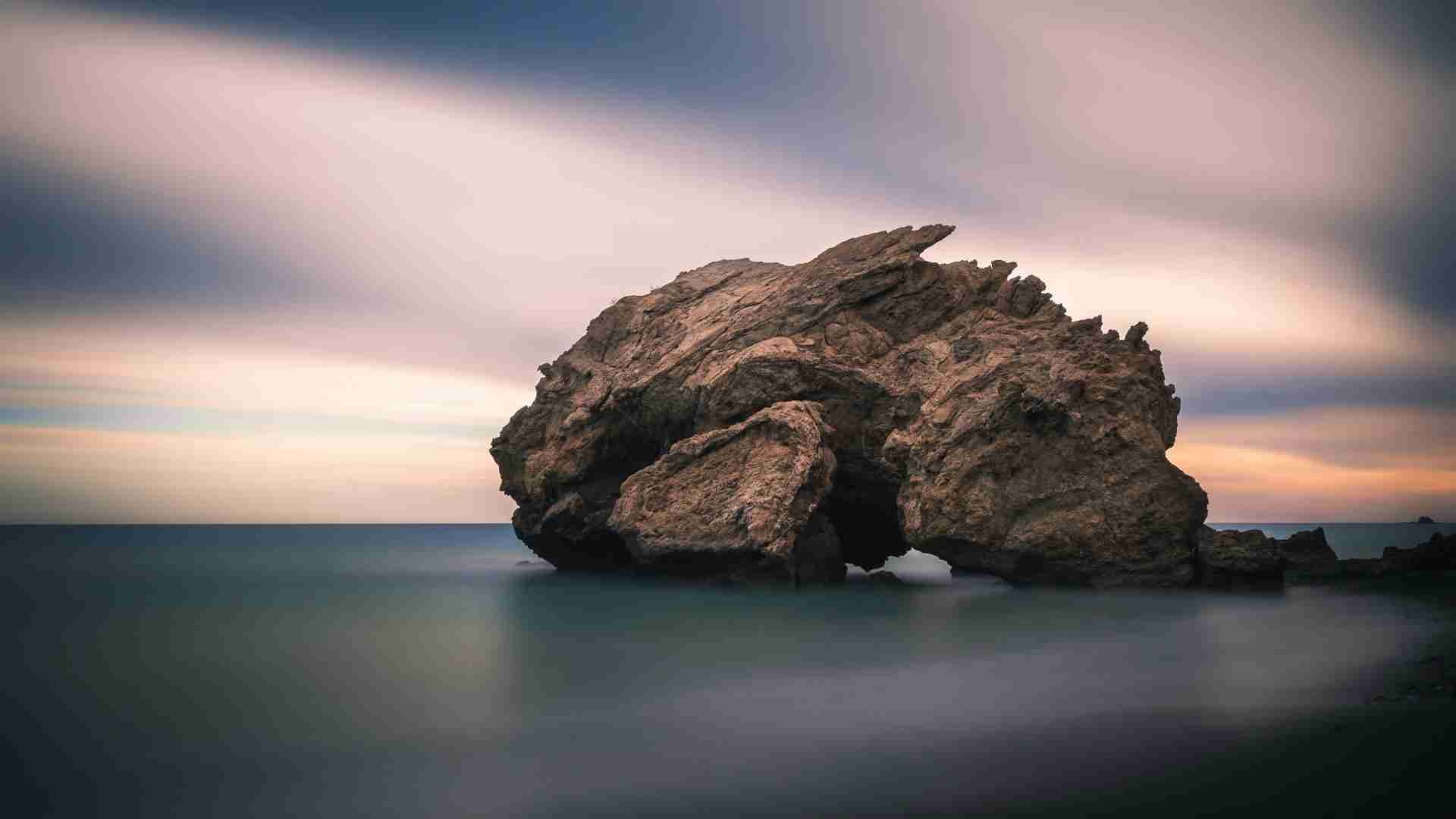
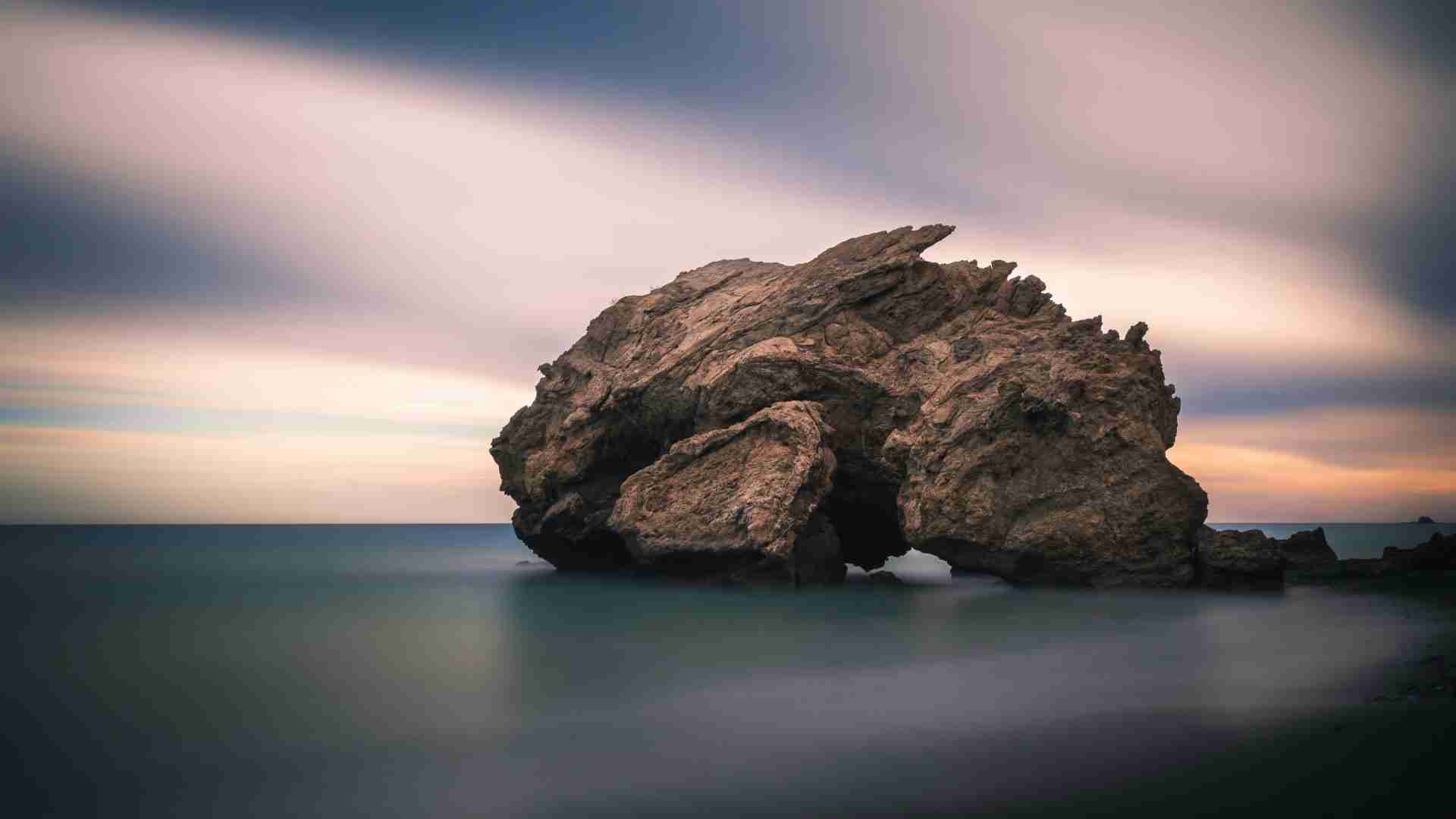
Tertsa Beach is a quiet stretch of coastline tucked away on Crete's less traveled southern shore. Nestled between steep hills and the Libyan Sea, the small village of Tertsa feels far removed from the tourist heavy beaches of northern Crete. The beach itself is mostly coarse sand and smooth pebbles, with large rock formations breaking up the shoreline and the surrounding cliffs offering natural framing. Photographers will find wide open space, clean light, and a pace that feels unhurried. The beach faces southwest, making it especially rewarding in the late afternoon and evening, when the sun drops low across the water. For anyone looking to photograph the meeting of land, light, and sea without the usual summer crowds, Tertsa Beach offers quiet beauty and strong, simple compositions.
Best Photography Opportunities
• Rock Formations Along the Shoreline
The large rock formations that dot the waterline are the most recognizable features on Tertsa Beach. These rocks add depth, scale, and texture to wide landscape shots and can be used as foreground anchors in sunset compositions. Depending on the tide and recent storms, their position relative to the water changes slightly, which keeps each visit visually fresh. Side light in the late afternoon brings out the rough texture of the stone, and reflections in the wet sand add another layer to the image. These formations also lend themselves well to long exposure photography, where blurred water and sharp rocks can work together for contrast.
• Sunset Views
Because the beach faces southwest, sunsets over the sea are clean and unobstructed. The sun drops directly into the horizon for much of the year, casting warm light across the beach and water. Photographers can work with silhouettes, reflections, or use driftwood, footprints, or rock lines as leading elements. The area remains relatively quiet even in summer, so it's easy to set up a tripod without distraction. On days with scattered clouds, the entire sky can pick up color, turning the sea pink and orange while the rocks and sand stay neutral for balance.
• Minimalist Compositions with Pebbles and Sand
The mix of sand and pebbles on the beach allows for tightly framed shots that focus on color, shape, and pattern. Early morning or overcast days are ideal for this kind of work, when the light is even and the contrast is low. Close ups of smoothed stones, ripples in wet sand, or washed up branches make strong abstract images that reflect the character of the place without showing the whole landscape. A macro lens or short telephoto lens will help isolate textures while keeping the background soft.
• Cliffs and Hills Framing the Bay
From either end of the beach, the surrounding cliffs rise steeply, creating a natural frame around the shoreline. These elevated viewpoints allow you to shoot looking down the curve of the beach or across to the far hills with the sea stretching out beyond. The terrain is dry and rocky, dotted with scrub brush and cactus, giving images a distinctly Mediterranean feel. Light moves quickly across these slopes, and the shadows change shape by the hour, which makes multiple visits throughout the day worthwhile.
• Local Boats and Coastal Details
Tertsa remains a working coastal village, and while not filled with fishing boats, you'll still find small vessels pulled up on shore or tied along the rocks. These boats and their nets, anchors, or painted hulls can add human elements to your shots without crowding the frame. These subjects are best photographed in soft light (either early in the morning or just before dusk) when their colors don't get washed out and the textures hold up. A standard or 35mm lens works well here to capture both the object and the space around it.
Best Time to Visit
The best time to photograph Tertsa Beach is during the late afternoon and golden hour, when the light comes in low across the water and the hills begin to glow with warm tones. This timing highlights the beach's southwest facing view, making it ideal for sunset photography. Evenings are also when the sky tends to develop color, especially if there are scattered clouds offshore. The rocks cast longer shadows, the sand takes on richer tones, and the cliffs pick up texture that would be flat under midday sun.
Early morning can also be productive, especially for shooting quiet coastal details, textures in the sand, and soft, evenly lit scenes. You won't get direct light on the water in the morning, but the beach is almost always empty at this time, making it perfect for long exposure work or minimal compositions with no people or footprints. Overcast days bring out subtle tones in the water and sky, especially if you're focusing on textures and muted colors.
Spring and autumn are the best seasons for both light and comfort. Summer brings strong midday heat and bright sun that can make the beach appear harsh and flat in photos. However, summer evenings can still be excellent, and with the area being less crowded than other parts of Crete, even peak season remains manageable. Winter offers dramatic skies, stormy waves, and softer light all day long, though weather conditions are more variable.
How to Get There
Tertsa Beach is located on the southern coast of Crete, about 90 minutes by car from Heraklion or 30 minutes west of Ierapetra. The drive winds through olive groves and hills, with the final stretch following the coastal road through Myrtos. The road is paved and well maintained, and there is space to park along the main street in Tertsa just a short walk from the beach. The beach itself is easy to access on foot, with no stairs or steep inclines.
There are no fees to access the beach or walk through the village. Basic amenities like a few local tavernas, umbrellas, and rental rooms are available during the warmer months, but the area remains low key and undeveloped. There are no public restrooms or facilities right on the beach, so come prepared if you're staying for a full day. Public transit to Tertsa is limited, and having your own vehicle is the most reliable option for getting there and exploring nearby locations.
Recommended Photography Gear
A versatile zoom lens in the 24 to 70mm range will cover most of what you want to shoot here, from wide beach views to tighter details in the rocks or boats. A wide angle lens is useful for working close to the shoreline, capturing sweeping views, and including the cliffs or sky in frame. For long exposure work at sunset or in changing light, a tripod is essential. Bring a neutral density filter if you're planning to blur the motion of waves or clouds.
A circular polarizer is helpful for controlling reflections off the water and deepening the blue of the sky on sunny days. If you're working with coastal textures, a macro or short telephoto lens can help isolate small subjects like pebbles or driftwood. Be sure to pack lens cloths or wipes; wind and sea spray can coat your gear quickly here. A lightweight camera bag and comfortable footwear are useful if you're planning to explore the rocks or walk along the cliffs for elevated shots.
Nearby Photography Locations
Just 15 minutes east of Tertsa, Myrtos is a small coastal village with whitewashed buildings, narrow streets, and a long pebbled beach backed by tamarisk trees. The beach curves gently, giving you plenty of options for framing the horizon, local boats, or simple waterline shots. It's also a good spot to photograph daily village life without the tourist rush.
About 30 minutes inland, Sarakina Gorge offers a complete contrast to the beach with steep canyon walls, narrow rock passages, and small waterfalls during the wetter months. The play of light and shadow through the rock makes it a great spot for more dramatic compositions. This is best visited early in the day to avoid strong contrast and direct sun overhead.
• Myrtos to Tertsa Coastal Road
The drive between Myrtos and Tertsa offers several roadside pullouts where you can photograph the coastline from above. These spots are perfect for wide-angle shots of the sea, with the hills rolling down toward the water and small pockets of green or terraced farmland breaking up the rocky landscape.
If you're willing to head inland, the lower slopes of Mount Dikti open up with dry stone walls, scattered trees, and rural farm scenes. This area is ideal for golden hour or cloudy days, where you can shoot low contrast scenes that highlight shape and landform. It adds another layer of depth to a southern Crete photo trip.
Comments
Loading comments…