
Ancient Light and Nordic Myths: A Photographer's Guide to Arctic Henge, Raufarhöfn, Iceland
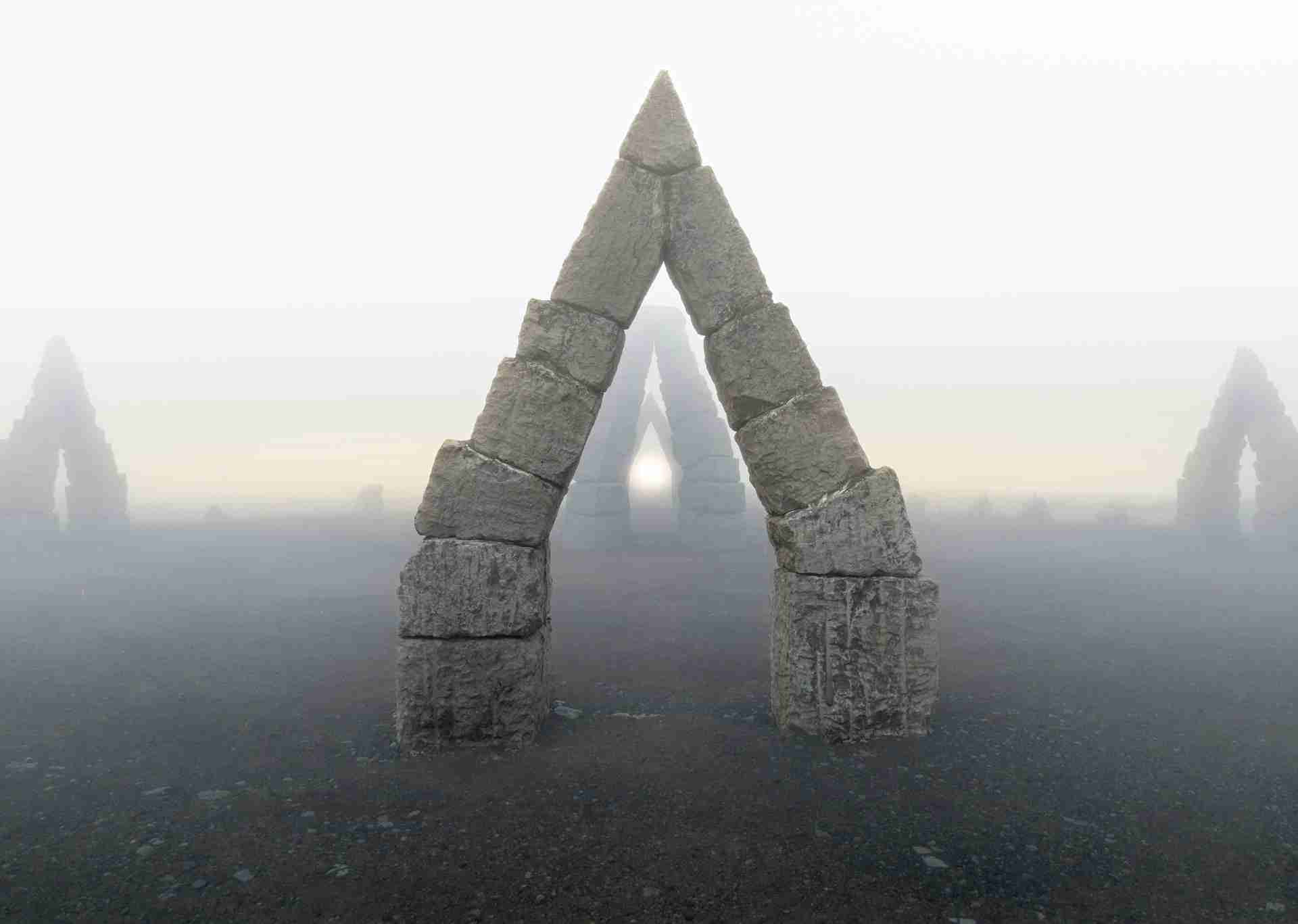
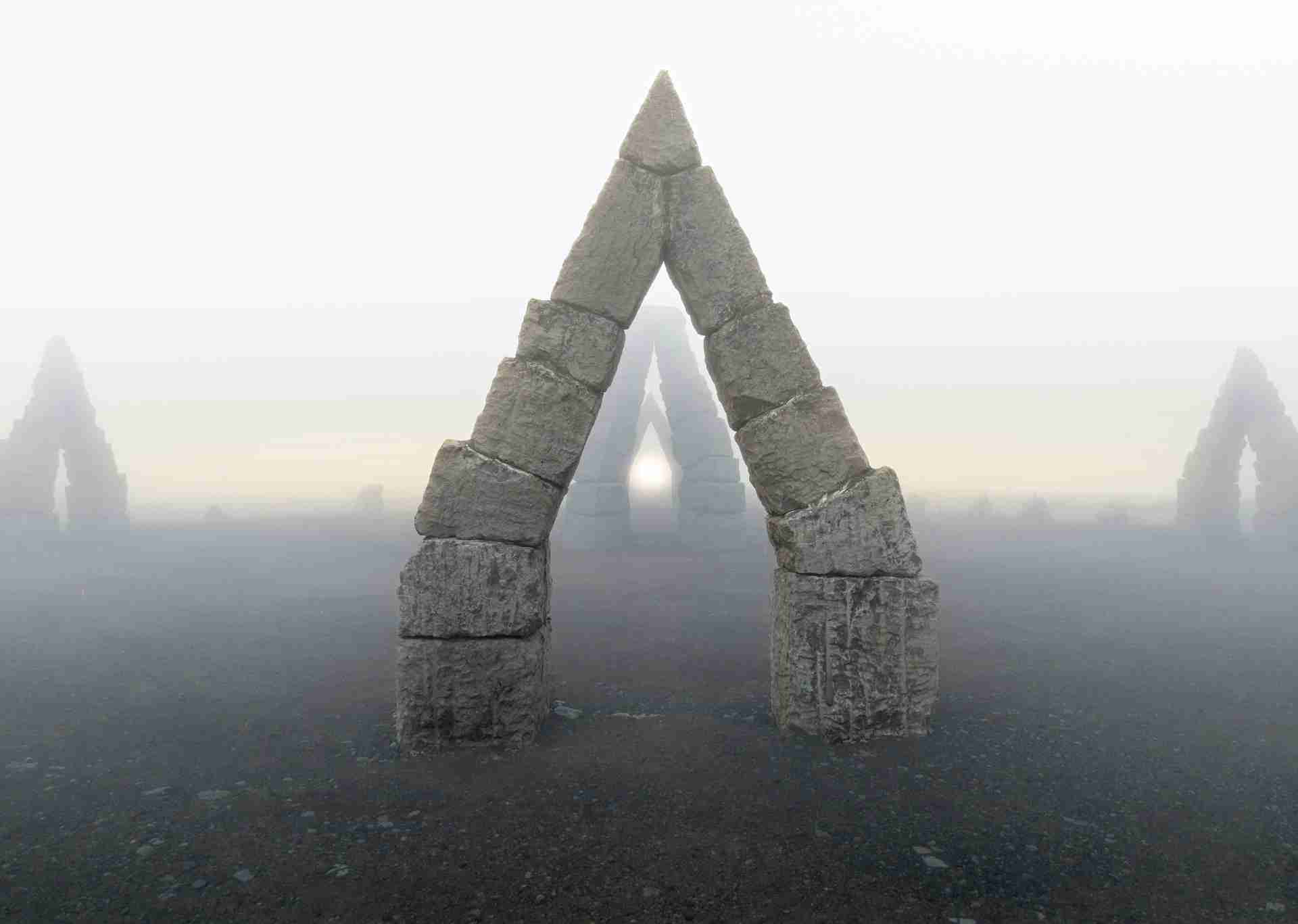
Arctic Henge stands as a modern monument to myth, astronomy, and the ethereal beauty of Iceland's far north. Constructed from basalt in concentric rings and aligned with key solar points, this dramatic site near the village of Raufarhöfn is designed to function as a kind of Icelandic Stonehenge. The structure references Norse mythology and invites visitors to explore the cycles of the sun, particularly the midnight sun and solstice events. For photographers, Arctic Henge offers a wealth of creative opportunity: the clean geometry of its basalt arches contrasts with the rugged tundra landscape, while its isolated location and shifting light conditions allow for solitude and unique compositions throughout the year. Whether working with warm summer tones or cold winter light, the henge offers endless potential for atmospheric, architectural, and environmental photography.
Best Photography Opportunities
• Midnight Sun Compositions
The highlight of Arctic Henge photography occurs during Iceland's summer months, when the midnight sun circles the sky without fully setting. Around the summer solstice, the sun aligns with the main arches of the henge, casting elongated shadows and bathing the stones in golden light that seems to stretch forever. These compositions benefit from a wide-angle lens that captures both the structural grandeur of the henge and the pastel-colored sky. Use a tripod to maintain clarity in long exposures and experiment with varying shutter speeds to enhance the ethereal quality of low-angled light. This time of day also brings a stillness to the site that enhances reflective and symmetrical compositions.
• Geometric Framing and Architectural Studies
Each arch and pillar of Arctic Henge is precisely placed to emphasize certain celestial alignments. These lines and forms create compelling geometric subjects for both wide-angle and tighter telephoto compositions. Walk around the circle and explore how each structural element frames the others and creates new lines when viewed from different angles. Use a mid-range zoom lens to isolate intersecting shapes or emphasize the strong verticals of the basalt stones. Overcast conditions can enhance these compositions by muting background distractions and bringing full attention to shape and contrast.
• Aurora Borealis through Stone Arches
From autumn through early spring, Arctic Henge becomes a breathtaking location for northern lights photography. When auroras are active, the stone arches frame the sky in natural symmetry. These are challenging but rewarding conditions. You will need a wide-angle lens with a fast aperture of f/2.8 or lower and a sturdy tripod. Compose with the henge as a foreground element and wait for the aurora to move into position. Long exposures between ten and twenty seconds are often effective depending on auroral strength. The dark basalt forms silhouetted against glowing green and purple skies produce some of the most mythic and cinematic images possible in the region.
• Winter Mood and Monochrome Drama
Arctic Henge's northern location means that it frequently sits beneath a blanket of snow during winter months. Snow collects on the basalt, creating stark contrasts between white and black, light and shadow. These scenes lend themselves well to black-and-white photography, which emphasizes structure and tonal range. Use a telephoto lens to isolate sections of the henge or capture snow blowing across the stones. When light filters through clouds or mist, it creates ghostly atmospheres that speak to the monument's mythic origins. Stormy weather can further enhance drama. Always ensure your equipment is weather-sealed and protected from moisture and cold.
• Contextual Landscapes and Coastal Integration
The remote location of Arctic Henge means that the surrounding landscape becomes an important part of the photographic story. Rolling tundra, distant ocean horizons, and the low-built village of Raufarhöfn form the broader visual context. Position yourself to include the shoreline or nearby cliffs in your frame to create layered landscape images that root the henge in its environment. Sunrise and sunset can cast warm light on distant landforms while shadowing the stones for atmospheric balance. Using a polarizing filter helps enhance sky contrast and definition in the clouds.
Best Time to Visit
Each season offers distinct opportunities for photographing Arctic Henge. The summer months of June and July are dominated by the midnight sun. During this time, light is golden, directional, and available for hours. This extended window is perfect for capturing multiple angles and light qualities in a single session. Additionally, the dry tundra landscape makes the site more accessible and comfortable to explore.
Autumn brings crisper air, colorful mosses and ground cover, and increased chances of aurora activity. This season offers moody skies and varied cloud formations that frame the henge beautifully. Winter offers stark visual contrast and the drama of Arctic light. Short days mean that golden hour can extend for much of the daylight period, and snow transforms the site into a black-and-white dreamscape. Spring is transitional. Snow may linger into May, but thawing patterns and returning light provide a soft, pastel palette and an air of renewal.
The best times of day are sunrise, sunset, and during the midnight sun. These provide the most directional and interesting light. Night hours during the aurora season are also extremely rewarding. Blue hour—both before sunrise and after sunset—adds a rich tonal depth to both stone and sky. Avoid midday during overcast or windy conditions, as the light is often flat and conditions can be difficult.
How to Get There
Arctic Henge is located near the village of Raufarhöfn in northeastern Iceland, one of the country's northernmost settlements. From Route 85, follow signs to the village and continue north through town until the road turns into a gravel track. This leads up a small hill directly to the henge. The road is unpaved but generally passable in summer with any vehicle. During winter, snow and ice may require a four-wheel-drive vehicle and caution.
There is a small parking area at the base of the site. From here, a short path leads up to the structure. The terrain is open, with minimal shelter, so wind exposure can be high. There is no entrance fee and no formal infrastructure at the site. Bring food, water, and all weather-appropriate clothing. GPS or offline maps are strongly recommended, as cell reception may be intermittent. Raufarhöfn offers limited accommodation and services, so plan accordingly. The site is open year-round and photographers are welcome at any hour, though respectful conduct is expected.
Recommended Gear for Arctic Photography
For capturing Arctic Henge in all its seasonal variety, bring a versatile kit. A wide-angle lens is essential for photographing the entire structure and sky in one frame. A mid-range zoom lens allows you to isolate specific features of the henge or compress background layers. A telephoto lens can capture distant mountain backdrops or close-up patterns in the stonework, especially when layered with snow or framed by light.
A tripod is non-negotiable for aurora, blue hour, and low-light scenes. Use a remote shutter release or timer to prevent camera shake. Fast lenses (f/2.8 or wider) are invaluable for night photography. Circular polarizers enhance skies and control reflections, while neutral density filters allow for long exposure effects during daylight. Extra batteries are a must in cold weather, as they deplete quickly. Pack weather-sealed gear or protective covers and lens cloths to deal with wind and precipitation. Clothing should include thermal layers, windproof outerwear, and gloves with removable fingertips for camera operation.
Nearby Photography Locations
Just south of Arctic Henge, the small fishing village of Raufarhöfn provides colorful contrasts to the stark stone structures. Photograph boats, piers, and red-roofed homes beneath shifting northern skies. Golden hour light adds warmth and reflection opportunities in the harbor water.
This rugged peninsula extends eastward from Raufarhöfn and offers desolate coastal vistas, bird cliffs, and wide tundra plains. The area is rich in mood and minimalism, especially in flat light or misty conditions. Bring a telephoto lens to isolate distant birds or dramatic rock forms.
About a two-hour drive west, this horseshoe-shaped canyon is said to be formed by Odin's horse. Its high rock walls and deep green vegetation offer a distinct change from the open landscape near the henge. Ideal for vertical compositions, forest details, and layered landscapes.
Located within Vatnajökull National Park, Dettifoss is one of Europe's most powerful waterfalls. Its raw energy and basalt canyon setting make it an intense location to photograph. Arrive early or late to avoid harsh contrast and bring waterproof gear.
Further west along the coast, Húsavík offers whale watching and ocean-based compositions. The town also has colorful harborfront buildings and scenic viewpoints. It makes an excellent complement to the stark inland visuals of Arctic Henge.
Comments
Loading comments…