
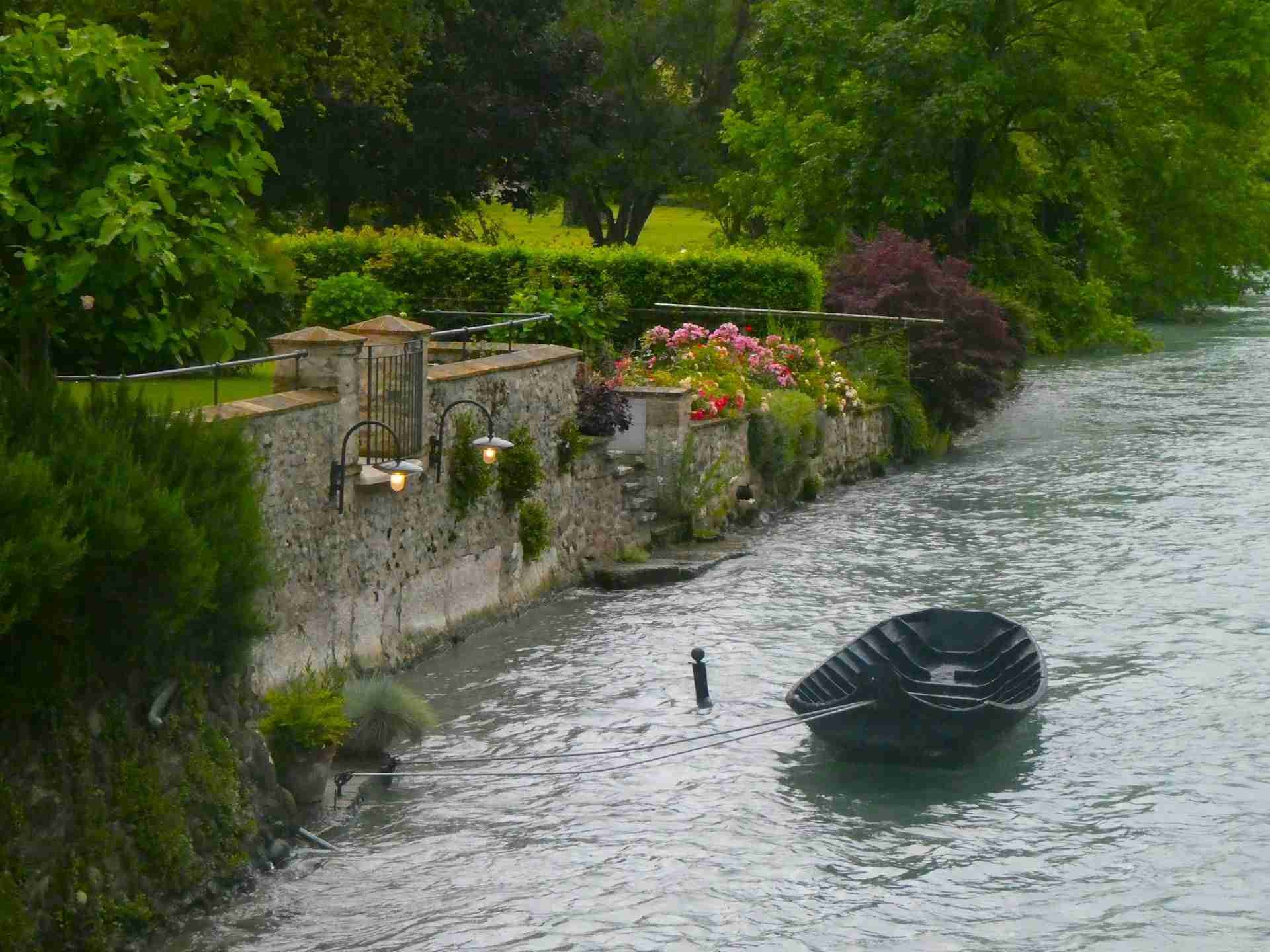
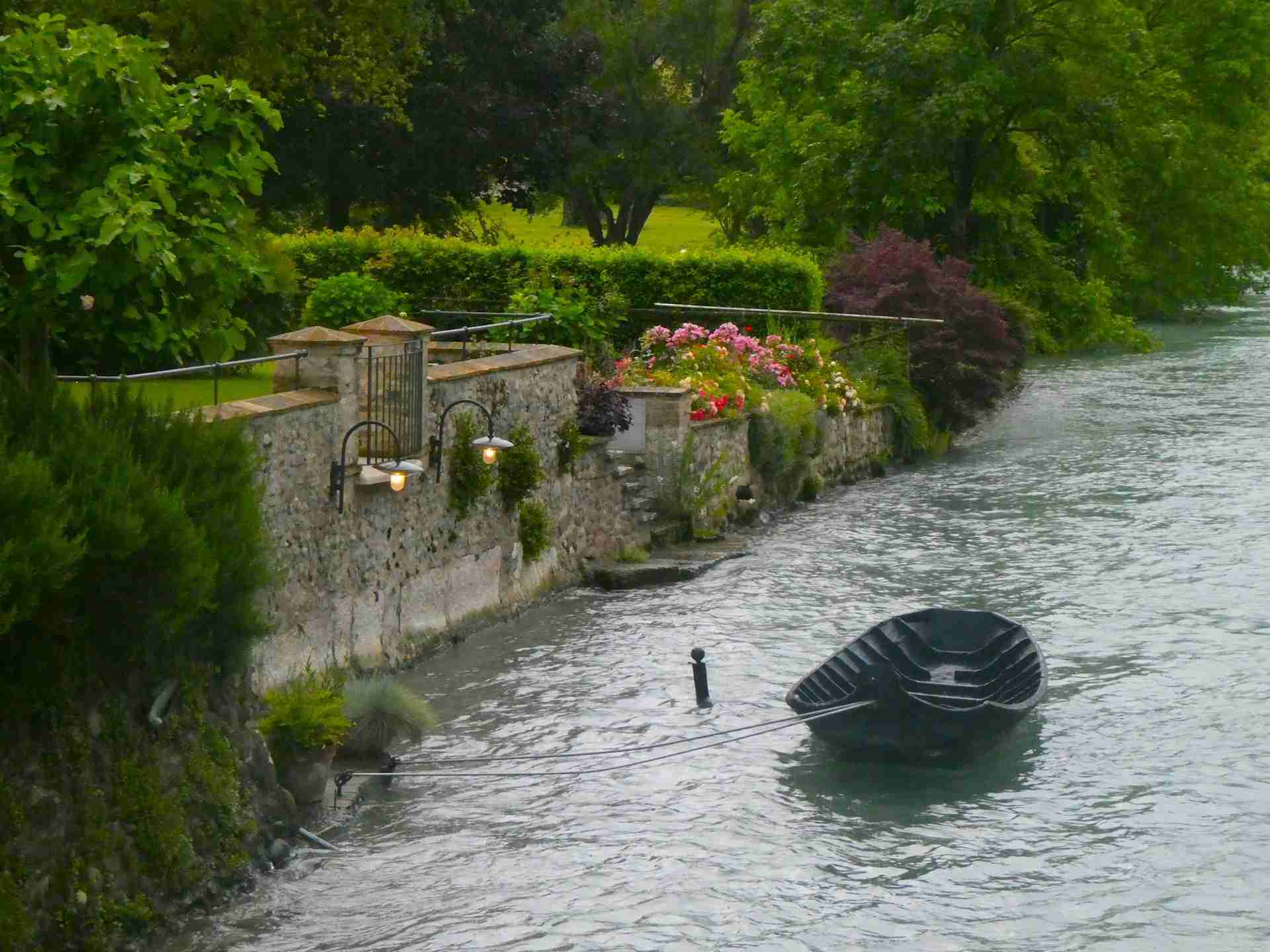
Borghetto sul Mincio, a small hamlet near Valeggio in northern Italy's Veneto region, is a place where water, stone, and centuries-old architecture intersect in quiet harmony. Built along the banks of the Mincio River, the village is known for its medieval watermills, arched stone bridges, and a setting that feels suspended in time. Narrow lanes wind past ivy-covered buildings, while the slow-moving river mirrors bell towers, arcades, and weirs with painterly softness. Despite its small size, Borghetto offers a wealth of photographic material—reflections, textures, human scale, and moments where light and water transform the scene into something timeless. It's a location best explored at a slower pace, with attention to light, angle, and the balance between built form and natural flow.
Best Photography Opportunities
• Reflections at the Visconteo Bridge
The Ponte Visconteo, a fortified 14th-century bridge-dam that stretches across the river just north of the village, provides one of the strongest compositional anchors in the area. Standing atop the bridge or shooting from below along the riverbank, you can capture symmetrical reflections of its massive arches and the surrounding tree line. Golden hour light bathes the stone in warm tones, while early morning mist often softens the scene and enhances mood. A wide-angle lens works well for capturing both bridge and reflection, while a longer lens allows you to isolate repeated arches or architectural texture. The calmness of the water here makes it ideal for long exposure work, especially just after sunrise.
• Watermills and Riverside Buildings
Along the central part of the village, several restored watermills still sit perched over narrow channels of the Mincio. These structures are deeply photogenic, combining aged stone, wooden wheels, and flowering balconies. Reflections in the water, movement in the wheel, and the contrast between still architecture and gentle flow create compelling visual tension. Shoot from either side of the small pedestrian bridge in the heart of the village to frame these buildings with their mirrored forms. Side light during early morning or late afternoon brings out texture in the stone and ripple in the water, especially when shooting from low angles at the river's edge.
• Alleyway Details and Textures
Borghetto's small scale allows for close study of its narrow lanes, where cobblestones, climbing ivy, and weathered walls create a palette of earthy color and form. These details are best captured with a 35mm or 50mm lens, allowing you to frame windows, doors, wrought iron signs, or flower pots with precision. Look for scenes where light spills through the alley at an angle, casting shadows and highlighting surface variation. Overcast days are particularly good for shooting texture-rich details without high contrast. These quieter compositions pair well with wider scenes and help create a narrative series from the location.
• Twilight Along the Mincio
As evening falls and lights begin to glow within the village, Borghetto transforms into a delicate interplay of natural and artificial light. Streetlamps and window lights reflect in the river, and the sky often turns a deep blue that balances the golden glow of interior illumination. Shooting during blue hour, especially from the footbridge or along the weirs, allows for long exposures that smooth the water and add elegance to the scene. A tripod is essential here, and framing the village with the river as a leading line provides strong composition. The subtle movement of water under soft light creates a quiet, cinematic mood that's unique to this hour.
• View from Parco Giardino Sigurtà Overlook
Although not part of the village itself, the higher points within nearby Parco Giardino Sigurtà offer a clear view back toward Borghetto and its surrounding countryside. From here, you can photograph the rooftops, river curves, and distant bridge framed by trees or flowering hedges. A telephoto lens allows you to compress the view and bring out the architectural layers of the village. Shooting in the late afternoon from this elevated angle gives you backlit compositions that accentuate the sparkle on the water and the glow of the rooftops. This spot also allows for seasonal variation, with blooming plants in spring and warm foliage in autumn.
Best Time to Visit
Borghetto sul Mincio is most photogenic from late March through early June, and again from mid-September into early November. In spring, the riverside buildings are draped in fresh greenery, and the surrounding countryside adds soft color without blocking key views. Mornings are typically quiet, with still water and rising mist that adds subtle drama to wide compositions. Early daylight is ideal for photographing the watermills and bridge reflections, especially before the streets begin to fill with visitors.
Autumn brings lower sun angles, warm light, and quieter crowds. The stone of the village reflects soft amber tones, and the river mirrors both the buildings and the foliage lining its banks. Twilight during this season is particularly beautiful, as the air remains clear and the golden hour stretches long over the valley.
Summer sees increased visitor traffic and higher sun, which can wash out detail during midday hours. However, longer evenings allow more time for golden hour shooting, especially along the bridges and lower riverbanks. Winter is quieter and often overcast, but the muted color palette and emptier streets provide opportunities for introspective or monochrome work. On foggy mornings, the village takes on a hushed, dreamlike quality that's especially suited to minimalist compositions and moody frames.
How to Get There
Borghetto sul Mincio is located just south of Lake Garda in the province of Verona, Italy. The nearest major town is Valeggio sul Mincio, less than two kilometers away. If driving, take the A4 motorway and exit at Peschiera del Garda, then follow signs for Valeggio and Borghetto. Public parking is available just outside the historical center, with short walking access into the village itself. Cars are not allowed within the core of the hamlet, preserving its pedestrian-friendly atmosphere.
For those using public transportation, trains to Peschiera del Garda are frequent, and local buses or taxis can bring you directly to Borghetto. The village is small and walkable, with all major photo spots within a few minutes of one another. Comfortable walking shoes are recommended, as the cobblestones can be uneven, and riverside access may be slippery in damp weather. The village is open year-round, with no entrance fee or time restrictions for visitors.
Recommended Photography Gear
Because Borghetto sul Mincio is both compact and varied, a lightweight but flexible camera setup will serve you best. A 24–70mm zoom lens covers most needs, from wider river scenes to tighter architectural framing. For more expansive compositions or including dramatic sky above the Visconteo Bridge, a 16–35mm wide-angle lens will help capture the breadth of the scene. A 70–200mm telephoto is especially useful when shooting from higher elevation or compressing the elements of the village into clean compositions across the river.
A tripod is essential for blue hour and long exposure work, especially when shooting reflections or smoothing the movement of water. A circular polarizer is useful during the day to reduce glare from wet stone and enhance foliage and water color. A neutral density filter, especially 3- or 6-stop, is helpful when photographing the flowing river or fountains during daylight. Bring a microfiber cloth to clean lenses after damp or misty sessions near the water's edge.
Fast prime lenses, like a 35mm or 50mm, are ideal for detail shots, capturing low-light alleyway scenes, or shooting handheld in dimmer interiors. A small backpack is more practical than a full kit bag, given the narrow lanes and busy pedestrian flow. Spare batteries, a compact rain cover, and weather protection for your gear are helpful, particularly during changeable spring or autumn weather.
Nearby Photography Locations
Just above Borghetto, Valeggio offers castle ruins, narrow streets, and elevated views over the Mincio Valley. The Scaligero Castle is particularly photogenic at sunrise or late afternoon when the light cuts across the hilltop and highlights the old stone towers.
This vast landscaped garden borders Borghetto to the east and provides seasonal blooms, structured paths, and reflection pools. It's ideal for macro work, wide floral compositions, and balanced symmetry that contrasts beautifully with the organic forms of Borghetto.
Located at the southern tip of Lake Garda, this fortified lakeside town provides canals, bridges, and waterfront compositions. Twilight here is excellent for reflections in the harbor and capturing city lights along the water.
A small walled village to the south, Castellaro is perched above a heart-shaped lake and offers preserved medieval structures and cobbled lanes. It's a quiet location best photographed at golden hour or on soft overcast days for subtle shadow and architectural color.
For broader landscapes, Monte Baldo offers sweeping alpine views and Lake Garda vistas. It contrasts with Borghetto's human scale and provides opportunities for sunrise panoramas and cloudscape work from high elevation.
Borghetto sul Mincio is a place where every angle offers quiet elegance. With its river-carved charm and centuries-old stonework reflected in slow water, it offers photographers the kind of scenes that invite both stillness and creative depth. Whether you're working with morning mist, golden sunlight, or blue hour reflections, Borghetto yields images that feel timeless and grounded.
Comments
Loading comments…