
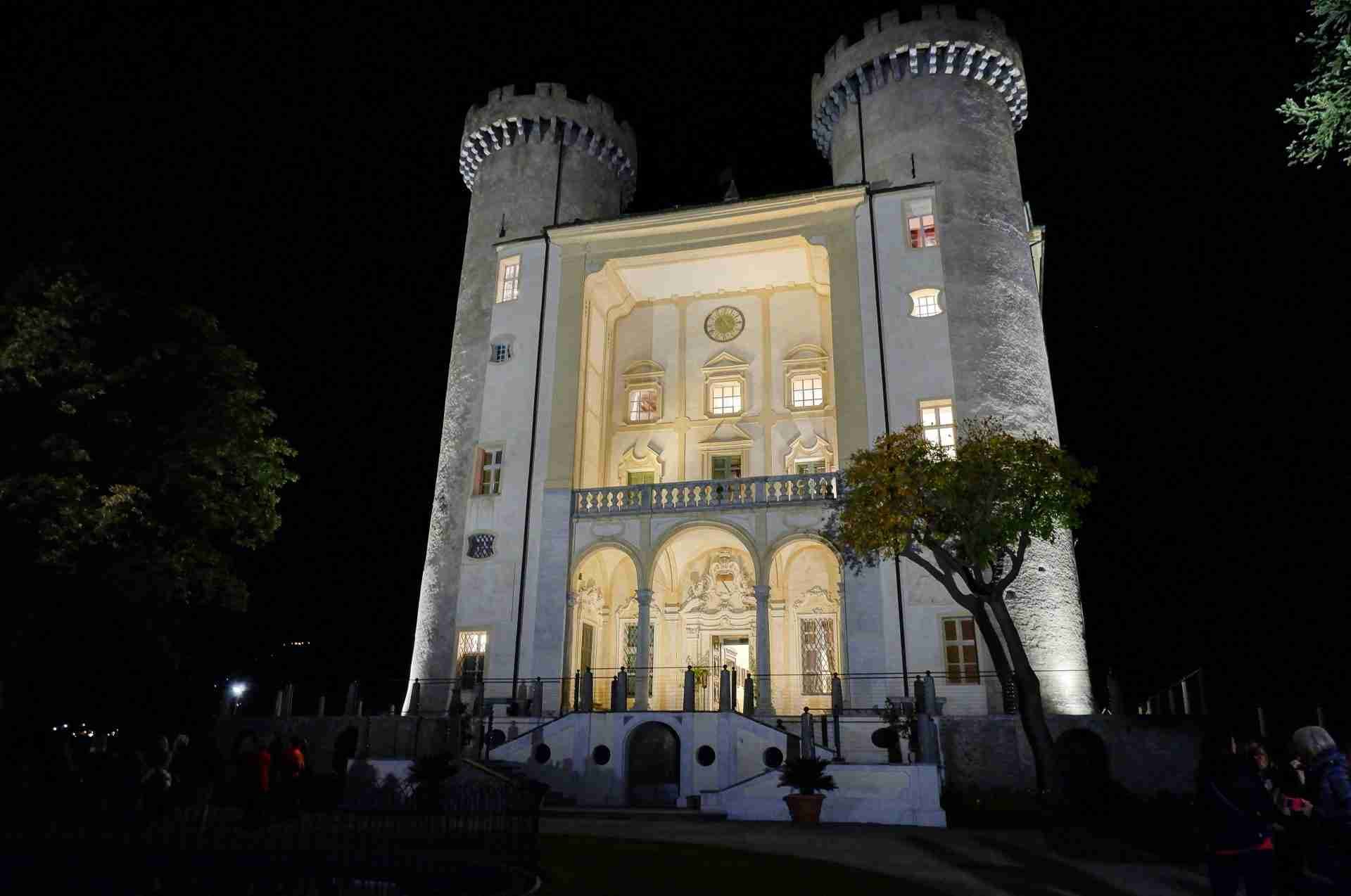
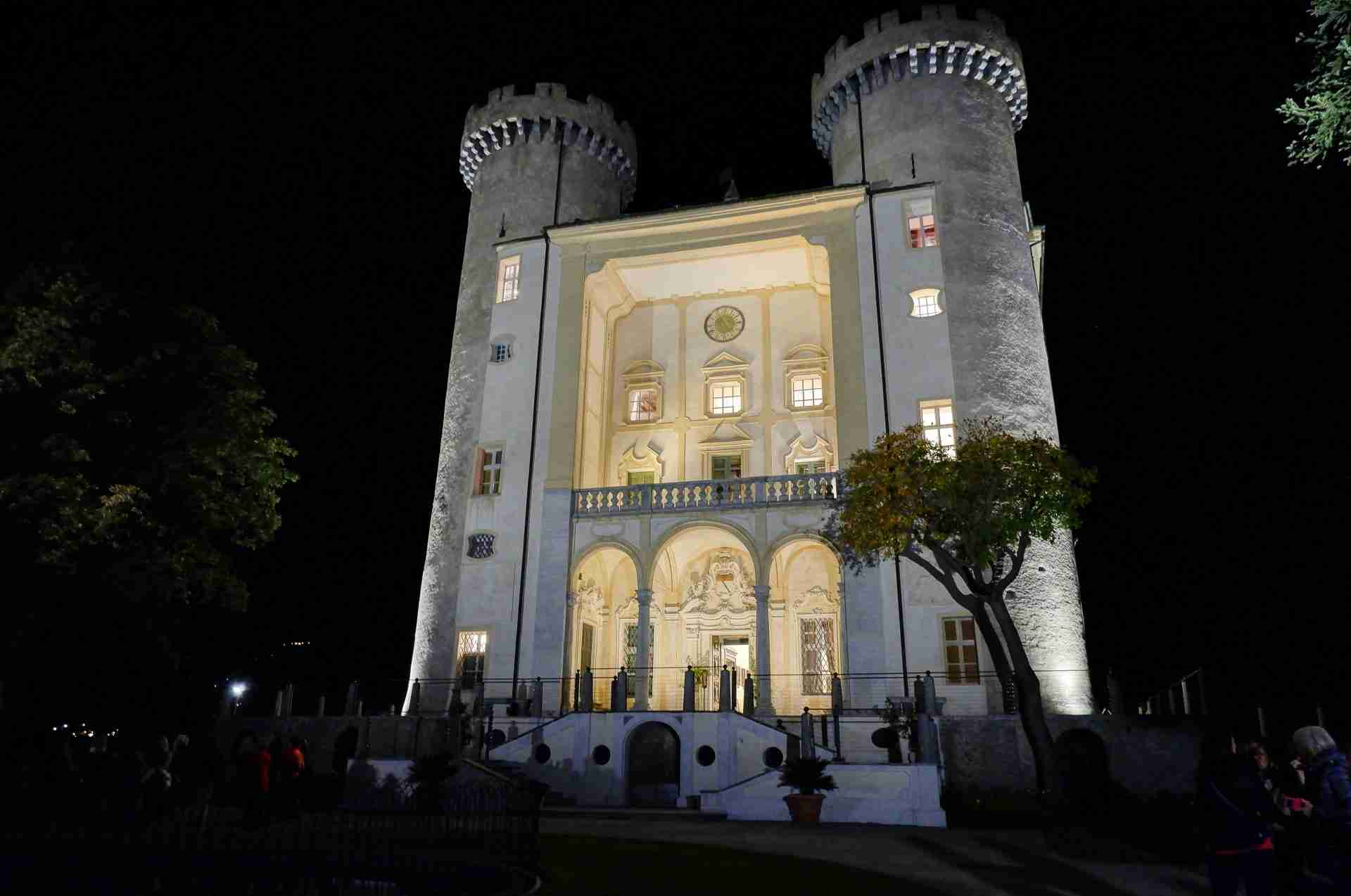
Set against the backdrop of the Aosta Valley's soaring mountains, Castello di Aymavilles rises like a sculpted sentinel above the village below. With its four symmetrical cylindrical towers and crisp pale façade, the castle is both architecturally distinct and strikingly placed. Surrounded by vineyards and framed by alpine ridgelines, it offers a unique balance between man made precision and natural scale. While its form is geometric and refined, the setting changes constantly with the seasons and weather (mist drifting down from the mountains, snow dusting the towers, or golden afternoon light skimming the valley). For photographers, the castle presents a rare chance to work with architectural clarity in a landscape filled with texture and movement.
Best Photography Opportunities
• Framing the Castle with Mountain Backdrop
The best known perspective of Castello di Aymavilles places its clean form against the dramatic peaks of the Aosta Valley. Shooting from lower in the village or along nearby vineyard paths lets you use the distant slopes as a towering background. This contrast between solid geometry and rugged landscape creates a dynamic tension in the frame. The most effective compositions happen in late afternoon or early morning, when side light brings depth to both structure and terrain. On clear days, snowcapped peaks can add a cool balance to the castle's pale walls.
• Tower Symmetry
The castle's most distinct visual feature is its symmetry, particularly when shot head on to reveal all four cylindrical towers. This front composition benefits from a slightly elevated viewpoint to avoid visual distortion. You can center the castle in the frame for a graphic, formal image or offset it slightly to include foreground elements like stone fences or grapevines. This is one of the few views that holds up even under flat light, making it a solid choice for overcast days. The play of light on the tower curves creates subtle highlights and shadows that add depth without clutter.
• Drone Perspectives
From above, the castle sits like a crown on a patchwork quilt of vineyards, narrow roads, and surrounding rooftops. Aerial photography offers unique compositions that emphasize the layout of the towers and the geometric footprint of the building. Early morning drone flights often deliver calm air and warm directional light sweeping across the vines. A higher perspective can also show the castle's relationship to the broader valley, including the nearby Dora Baltea River and alpine ridges. Be sure to follow local drone regulations and remain mindful of nearby residential areas.
• Detail Studies
While much of the castle has a restored and polished appearance, there are still moments of texture that tell a quieter story. Weathered stone at the base, decorative cornices, narrow windows, and the contrast between the rounded towers and the sharp rooflines all lend themselves to more intimate compositions. Use a longer lens or fast prime to isolate these elements against a clean background. Soft, indirect light is ideal for this kind of work, particularly in the morning when the shadows are less harsh. Detail shots can also be used to complement wider views in a full photographic series.
• Seasonal Transitions Around the Castle Grounds
Each season brings new possibilities to frame the castle differently. Spring offers budding vines and clear skies, while autumn cloaks the nearby fields in warm color. In winter, snow creates a stark tonal contrast against the pale stone and sharp lines of the towers. Summer sun can be more difficult to manage mid day, but early and late hours bring long shadows and pastel tones. Exploring the paths around the castle during different seasons is a worthwhile way to revisit the site with fresh eyes and build a varied portfolio.
Best Time to Visit
Spring and autumn provide the best mix of light, color, and atmosphere for photographing Castello di Aymavilles. In spring, the surrounding vineyards and fields turn vibrant green, and snow still lingers on the higher peaks, adding contrast to wide compositions. Autumn light is lower and warmer, and the vines shift into tones of gold and amber, which pair beautifully with the stone of the castle. Summer offers longer shooting windows and clearer skies, especially in the early morning, though heat haze and harsh light can flatten midday images. Winter, while colder and more challenging to access in certain weather, brings the possibility of snow, mist, and clean light on clear days. The best time of day is early morning for soft light on the eastern face or late afternoon for backlit glow and deeper shadows. Cloudy conditions can also be productive for detail work and balanced exposures.
How to Get There
Castello di Aymavilles is located in the Aosta Valley region of northwestern Italy, just a short drive from the city of Aosta. The site is easily accessible by car, with parking available near the base of the castle. From the lot, a short uphill walk leads to the entrance and surrounding viewpoints. The area is well signposted and can also be reached by local bus routes from nearby towns. Entry fees may apply for interior access, but the exterior grounds and nearby trails offer plenty of shooting opportunities without charge. The castle is open throughout the year, though some facilities may close or adjust hours in winter. For drone operators, it's important to review local airspace restrictions and fly only in permitted zones.
Recommended Photography Gear
A wide angle lens is essential for capturing the full structure of the castle, especially when working from close range or lower elevations. A mid range zoom helps with tighter architectural framing and background compression when shooting from distance. For drone work, a model with strong wind resistance and a high-resolution camera will help in alpine conditions, especially when working above the valley. A sturdy tripod is useful for sunrise and sunset sessions, particularly when light levels are low or longer exposures are needed. Polarizing filters help manage sky reflection and increase tonal depth in the stonework and vineyards. In colder seasons, pack extra batteries and lens cloths to manage condensation and battery drain. Good hiking shoes will let you move comfortably between viewpoints, especially along nearby trails that lead to more distant framing options.
Nearby Photography Locations
The historic center of Aosta offers Roman ruins, cobbled streets, and alpine views from within the city. It is an excellent spot for combining street photography with architectural detail and mountain backdrops.
Just south of the castle, this ancient Roman aqueduct bridge spans a steep gorge and offers dramatic structural shots with strong lines and shadow play. It is best visited in morning light when the canyon below is fully illuminated.
This high alpine valley provides open meadows, dense forests, and dramatic mountain views. It is ideal for wide landscape work or atmospheric nature photography, especially during golden hour or misty mornings.
Another striking castle nearby, with towers and a long façade that faces the valley. Its hilltop position and surrounding pine forest make it a strong subject under moody or foggy conditions.
This neighboring town features a church and castle perched together on a rocky spur. The combined forms are excellent for layered compositions, especially from the road above or trails around the base.
Comments
Loading comments…