
Towering Heritage: A Photographer's Guide to Castello di San Salvatore, Susegana, Italy
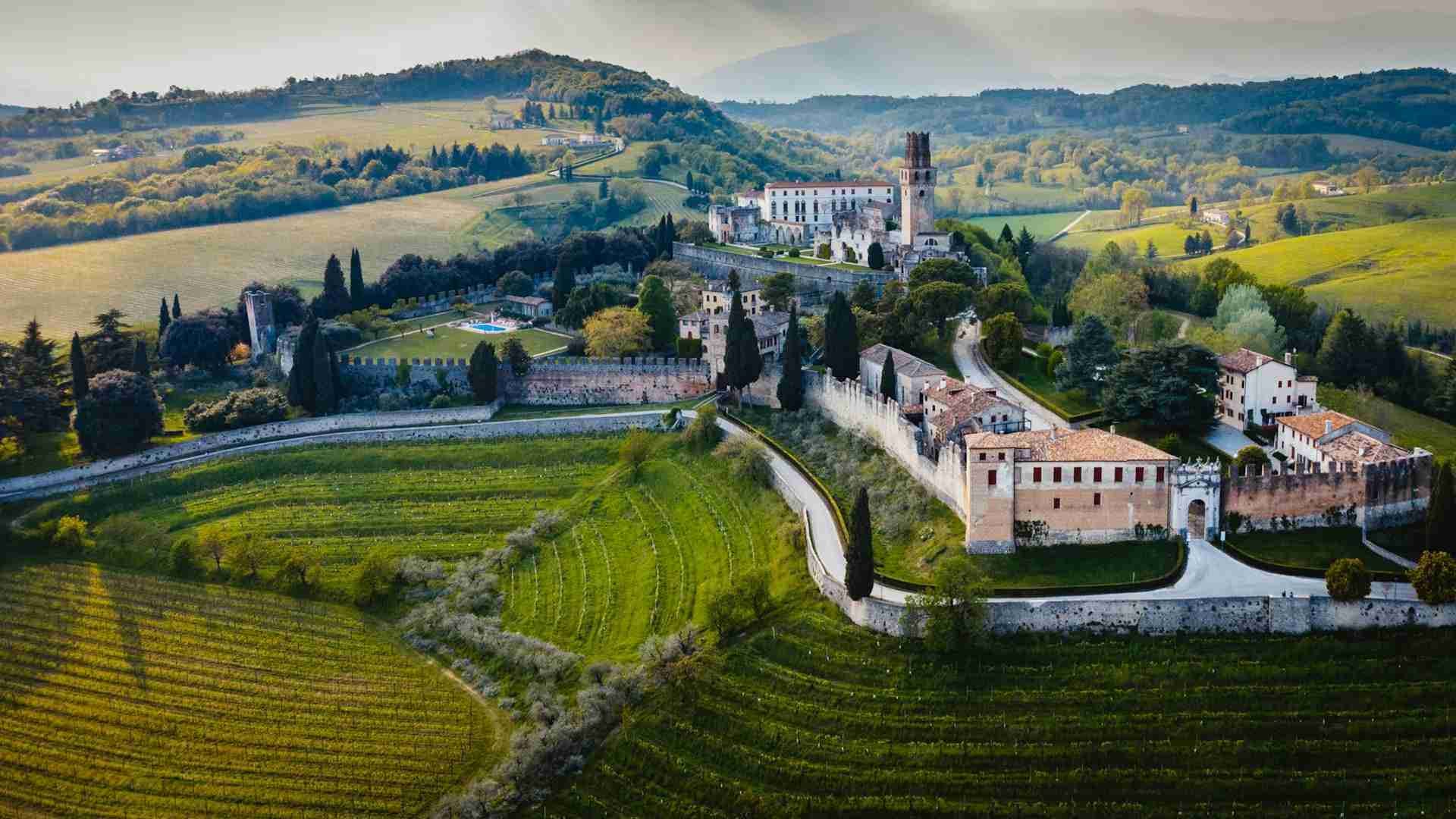
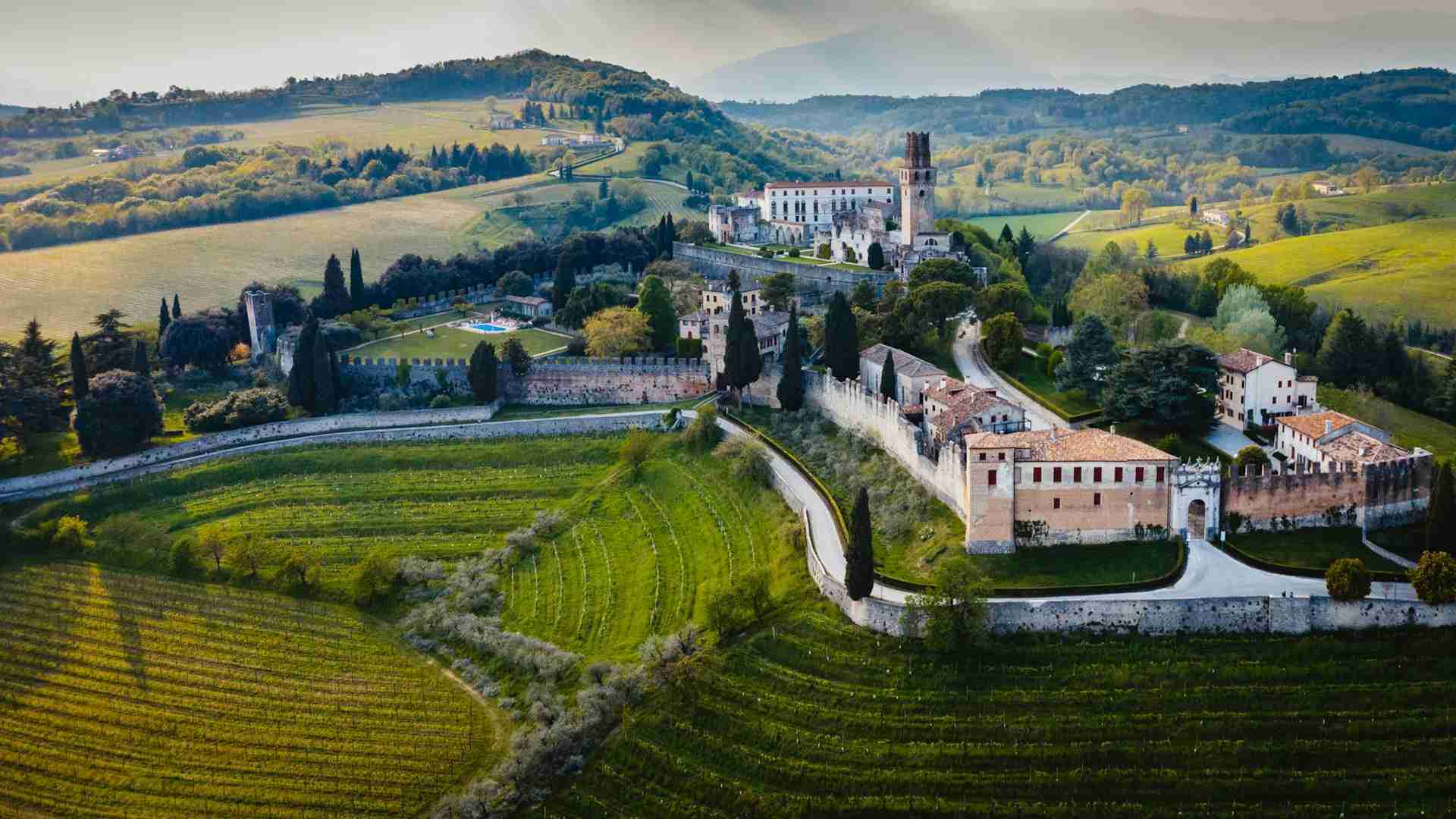
Castello di San Salvatore rises above the hills of Susegana in the Veneto region of northern Italy, its battlements echoing a thousand years of history. Once the seat of the powerful Collalto family, the castle today stands as a majestic sentinel over a landscape of terraced vineyards and ancient woodlands. The dramatic architecture, nestled within the gentle folds of the Conegliano Valdobbiadene Prosecco hills, offers a unique blend of medieval gravitas and Italian pastoral elegance. For photographers, the castle's setting presents an exquisite range of opportunities—from panoramic countryside vistas to architectural textures framed by the changing light of the Veneto seasons.
Best Photography Opportunities
• Golden-hour façade illumination
Late afternoon light warms the golden stone of the castle walls, casting long shadows that articulate the fortification's layers of parapets and arched walkways. Standing along the outer vineyard trails below the south wall, you can shoot up toward the castle with rows of Prosecco vines providing powerful leading lines. This elevation creates a sense of scale and narrative, connecting the agricultural life of the region to its feudal past. A wide-angle lens allows inclusion of the full breadth of the walls and towers, while a mid-range zoom offers tight control over the rhythm of shadow and highlight across the stone surface. Light continues to change dramatically during golden hour, offering multiple variations on a single composition.
• Silhouettes at sunset from the cliff edge
As dusk approaches, the castle's profile becomes a dramatic silhouette against the deepening sky. From the eastern edge of the grounds, especially from the old olive grove trail, you can capture the crenellated towers outlined by streaks of orange and pink as the sun sets behind the distant hills. A telephoto lens works well here to compress the shape of the castle against the horizon, emphasizing its iconic silhouette. Compositions including framing branches or stone walls in the foreground help create layers and a sense of depth. Subtle shifts in cloud cover during sunset can yield wildly different color palettes and moods within minutes.
• Structural details and textures close-up
Inside the castle grounds, there is no shortage of photogenic detail. Arched passageways, carved lintels, iron grilles, and moss-covered stones offer endless opportunities for studies in texture and form. Early morning or late afternoon light filtering through narrow corridors and cloisters creates intimate contrast and soft directional light. A macro or mid-range lens allows you to focus on individual motifs—such as coats of arms embedded in the stone, weathered door hardware, or cracks in plaster walls. These images are rich in storytelling potential and provide an excellent counterpoint to grander landscape shots.
• Aerial panorama from vineyard trails
The terraced trails southeast of the castle climb gently through working vineyards, leading to elevated positions where you can capture the full expanse of Castello di San Salvatore set against the patchwork of agricultural land and forest. In the distance, the Pre-Alps form a jagged border that lends depth to wide compositions. Use a wide-angle lens to embrace the full scene, but switch to a mid-telephoto if you wish to isolate the castle within the rolling terrain. Early morning fog or low clouds often drift through the valley, adding mystery and atmosphere to the view. A tripod and graduated ND filter help balance the sky and foreground during sunrise and sunset.
• Moody weather and castle among clouds
In spring and autumn, the weather in Susegana is particularly changeable, bringing periods of mist, rain, and dramatic skies that transform the castle into a Gothic reverie. From vantage points along the outer walls, you can photograph the towers disappearing into low cloud or appearing framed by shafts of light. These conditions are ideal for monochrome or muted color processing. Adjust shutter speed depending on cloud movement—long exposures to blur motion, or faster settings to capture definition. Watch for moments when sunlight breaks through and illuminates a single feature, such as the main tower or chapel bell, adding cinematic intensity to your composition.
Best Time to Visit
Every season brings something unique to Castello di San Salvatore. Spring fills the vineyards with new growth and wildflowers, while soft morning light enhances the freshness of the landscape. Early mornings in May often come with mist in the valley and dew on the grass, creating a soft-focus effect that is ideal for romantic compositions.
Summer provides long days and consistent light, perfect for extensive location scouting and repeat visits to explore how shadows move across the architecture. Sunrises and sunsets during the summer months tend to be vibrant and expansive, with good visibility toward the mountains and across the Veneto plains.
Autumn may be the most dramatic season, as the surrounding vineyards turn shades of rust, orange, and deep crimson. Afternoon light during this time is golden and low, casting dynamic contrast on the walls and watchtowers. It's also the most rewarding season for atmospheric shots, as the cooler air brings increased chances of fog, cloud inversions, and isolated sunbursts.
Winter offers stark beauty with its frosted vines, empty courtyards, and snow-capped peaks in the distance. The castle becomes a study in high contrast and texture, with fewer tourists and a greater sense of stillness. Whether you're after sunlit stone, moody fog, or the interplay of shadow and history, the castle rewards both spontaneity and meticulous planning. Weekdays and early mornings are best to avoid crowds and take advantage of the clearest light.
How to Get There
Castello di San Salvatore is situated just north of the town of Susegana, in the province of Treviso, within the Veneto region. The castle is accessible by car via the SP34 and SP143 roads. From Venice, it is roughly a one-hour drive, heading north through Conegliano. The main entrance is reached by following signs from the center of Susegana, with parking available at the visitor lot near the base of the hill.
A modest entrance fee is charged for access to the castle grounds and interior during open hours, which vary by season. The vineyard paths, however, are accessible year-round and offer excellent exterior views. The approach to the castle includes gravel walkways and a gentle incline, suitable for most visitors but best navigated with good walking shoes. In wet weather, the paths can become slippery. The castle grounds include rest areas, a visitor center, and occasional guided tours, which provide historical context useful for photographic storytelling.
Recommended Gear for Castello di San Salvatore Photography
Photographing Castello di San Salvatore to its full potential requires a versatile kit. A wide-angle lens (16–35mm) is essential for capturing the full breadth of the castle within its sweeping landscape. For tighter architectural shots or layered compositions from afar, a mid-range zoom (24–70mm) or telephoto lens (70–200mm) gives you the reach and flexibility to isolate interesting elements like towers or the juxtaposition of stone and vine.
A tripod is invaluable, particularly during golden hour or for low-light interior spaces. Bring a polarizing filter to deepen skies and reduce glare on stone and glass surfaces. A graduated neutral density filter will help manage bright skies when shooting landscapes. For close-up detail work, a macro lens or a prime 85mm allows for crisp rendering of textures like wrought iron, old frescoes, and carved masonry.
Weather in this region can shift quickly, so pack rain covers for your gear and an absorbent cloth for wiping lenses. Extra batteries and memory cards are essential, as you'll likely be capturing a variety of subjects and lighting conditions across multiple hours. Footwear should be waterproof and well-treaded for navigating the cobblestone and gravel paths around the castle and vineyard trails.
Nearby Photography Locations
provide sweeping views of geometric vine rows and rustic stone buildings that form an ideal foreground for castle compositions. Shooting from low elevation between vines helps build drama in the image.
• Col San Martino
offers elevated vantage points with panoramic views across the Piave River valley and toward the Dolomites. It's a rewarding location for sunrise and offers great layering in wide-angle landscape shots.
features charming alleys, frescoed facades, and a Renaissance castle of its own, providing a nice urban contrast to San Salvatore's rural grandeur. It is ideal for golden hour street scenes and shadow play.
winds through hills dotted with old chapels, farms, and terraced vines. It's particularly striking in autumn and serves as a dynamic backdrop for road-trip themed photography.
sits atop a nearby hill and offers panoramic views of the entire castle complex and the surrounding countryside. It's a prime spot for wide compositions, drone photography, and blue hour vistas.
Comments
Loading comments…