
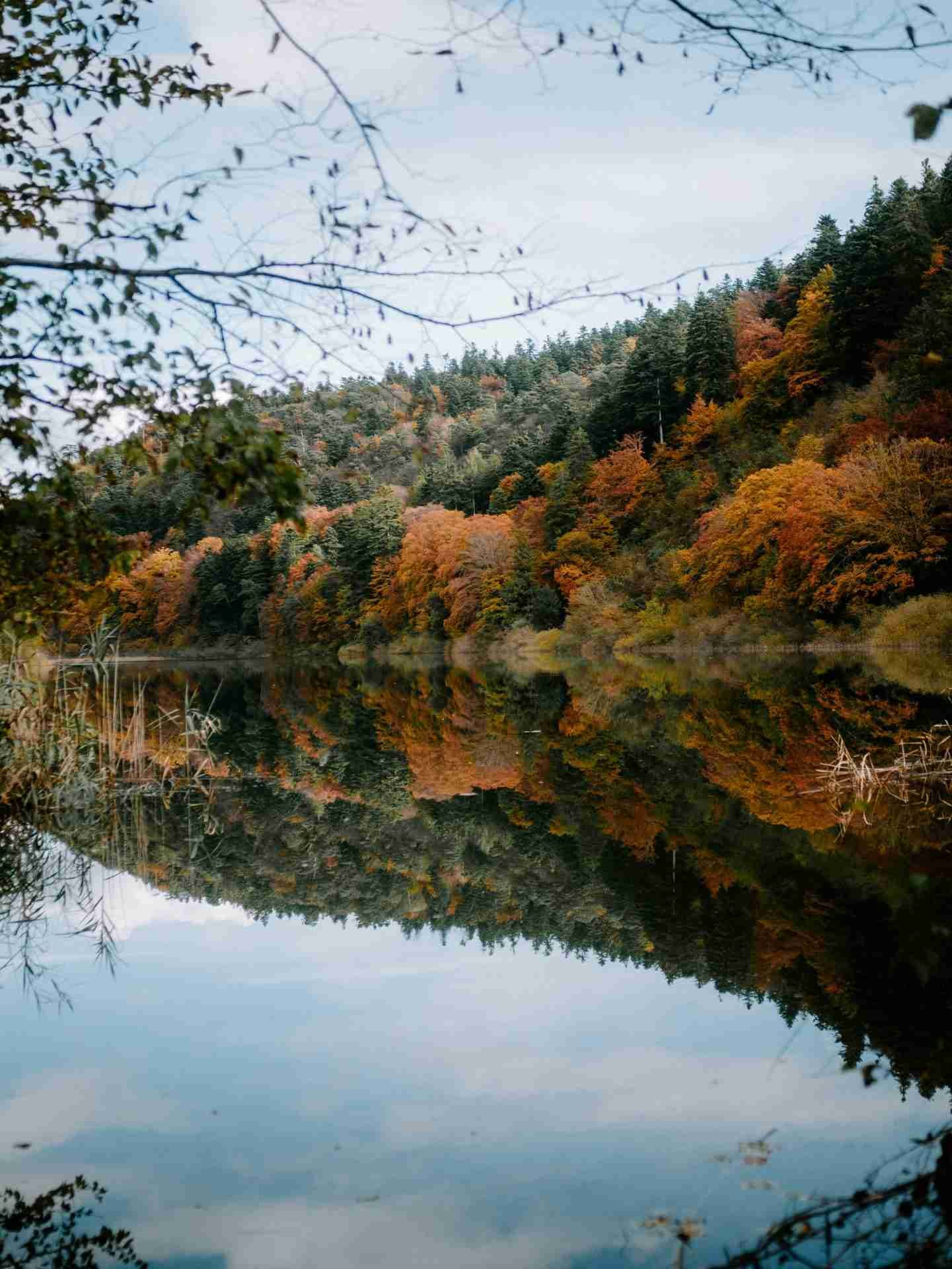
![Reflections and Forest Light at Lago di Lamar, Trentino, Italy Lago di Lamar is a small alpine lake tucked into […]](https://storage.googleapis.com/pixeo-blog.firebasestorage.app/article-images/wp-import/featured-135543.jpg)
Lago di Lamar is a small alpine lake tucked into the forested hills near the town of Vallelaghi in the Trentino region of northern Italy. Surrounded by steep tree covered slopes and calm, green blue water, it offers a quiet escape from busier destinations in the Dolomites and is especially well suited to photographers looking for stillness, symmetry, and natural color. The lake sits in a basin that shelters it from wind, which makes reflections a reliable part of the composition. There are no major peaks or large buildings around the shoreline, giving the lake a self contained, minimalist feel that works well for focused landscape and nature photography. Whether you come for sunrise light over glassy water or soft forest tones under overcast skies, Lago di Lamar gives you space to slow down and work closely with the scene.
Best Photography Opportunities
• Sunrise
Early morning is one of the best times to shoot at Lago di Lamar, when the lake is at its calmest and the water turns mirror like. From several spots along the north and west shoreline, you can capture near perfect reflections of the forest, the rocky cliffs beyond, and the soft light entering the valley. The colors in the lake shift gently from green to blue depending on the light and weather. With no strong wind or boat traffic, long exposures can stretch the surface into smooth gradients. Arrive before the sun clears the trees to catch the glow filtering through the canopy and reflecting off the water without harsh contrast.
• Close Up Compositions
The lake's small size and quiet paths allow you to work with tighter compositions along the edge, combining trees, stones, and ripples. Fallen branches, roots, and mossy rocks create natural framing elements, while low angles help bring texture into the foreground. These shots work best in soft light, either during overcast conditions or when the sun is low and filtered through the trees. A polarising filter can help manage glare and deepen the tones in both the foliage and the lake. This is a good place to slow down and focus on individual elements rather than wide views.
• Seasonal Color
In autumn, the surrounding forest turns a mix of warm yellows, oranges, and soft reds that reflect in the water and line the shoreline. The view from the southern end of the lake lets you look north across the water with the hills as a backdrop. Framing the lake with trees or low brush adds depth, especially if you keep the composition simple and let the color carry the image. Even light rain or fog can add atmosphere without blocking your view. Use a mid range zoom lens to quickly adjust to the scene as the light shifts.
• Long Exposures
The natural bowl shape of the lake and the surrounding trees give it a very symmetrical feel that lends itself well to long exposure photography. Using a tripod and neutral density filter, you can smooth the surface of the water and soften any movement in the trees or clouds. These shots work best during the transition between day and night when there's still enough light to work with color and shape. Because the lake is small and relatively undeveloped, the clean edges and stillness help create a minimalist, almost abstract feel.
• Blue Hour
After the sun sets or before it rises, the lake holds onto the last and first light in the sky. With little ambient light pollution in the area, the surface of the water often reflects cool blues and purples, along with any remaining glow near the horizon. Shooting during blue hour allows you to work with a softer palette and more even tones. You can also capture subtle color gradients that might be lost in the full daylight. A remote shutter release and sturdy tripod are useful for keeping these exposures sharp in low light.
Best Time to Visit
Spring through autumn are the best seasons for photography at Lago di Lamar. In spring, the forest comes alive with fresh green tones and soft light, while summer brings clearer skies and the possibility of stronger reflections. Early autumn is especially good for color, with foliage changing across the hillsides and cooler temperatures making for crisp air and more frequent fog or mist in the morning.
Sunrise is the ideal time of day, both for reflections and soft light entering the valley. The lake is typically quiet in the early hours, and the surrounding forest helps block any direct sun until it rises high enough to illuminate the far side. Sunset can also work, but light is often softer and more limited as the hills block the last rays. Overcast days provide even lighting for forest detail and midday photography without heavy contrast. Winter visits are possible but less productive unless you're focused on snow covered trees or ice patterns, and trail access may be limited by conditions.
How to Get There
Lago di Lamar is located near the village of Monte Terlago in the municipality of Vallelaghi, about 20 minutes by car from Trento. The final road to the lake is narrow but paved and manageable for most vehicles.
There is a small parking area close to the lake with space for several cars. From the parking lot, it's just a short walk down a forest path to reach the water's edge. The loop trail around the lake is relatively flat and easy to follow, making it simple to scout different shooting spots without much effort. There are no entrance fees or permits required for visiting or photography. Keep in mind that the area is popular with swimmers and hikers in summer, so early arrival is best if you want fewer distractions in your compositions.
Recommended Photography Gear
A wide angle lens in the 16 to 35mm range will help you make the most of reflections, shoreline compositions, and scenes that include both the water and the forest canopy. A 24 to 70mm zoom is ideal for framing seasonal color, shooting across the lake, or isolating smaller elements like trees, rocks, and reflections. For long exposure work, a tripod and a set of neutral density filters will let you shoot smooth water even during brighter parts of the day.
A polarising filter is useful in managing glare from the lake's surface, especially when shooting under bright skies or when trying to bring out color in the water and foliage. Lightweight gear and a weather resistant pack will help you move easily around the lake, especially if the trail is wet or muddy. Bring a lens cloth and protective cover in case of fog, mist, or light rain, which are all common in the early morning.
Nearby Photography Locations
A short drive east, this slightly larger lake has a more open shoreline and often gets morning fog that hovers just above the surface. It's a good secondary stop if you're working on a series of reflective water images or want more sky in your compositions.
The surrounding valley is dotted with vineyards, stone farmhouses, and quiet roads that wind between small villages. This area is ideal for rural scenes, rolling hills, and golden hour photography with wide, soft light.
• Monte Gazza Ridge Trails
For those willing to hike, the nearby Monte Gazza trails offer higher elevation views over the Valle dei Laghi region. These trails give you a different perspective on the surrounding mountains, forests, and lake basins, especially during sunrise or sunset.
Just a short drive southwest, this scenic lake has a castle on the shoreline and more open views, making it a popular but very rewarding place to photograph during the early morning mist or late afternoon glow.
Comments
Loading comments…