
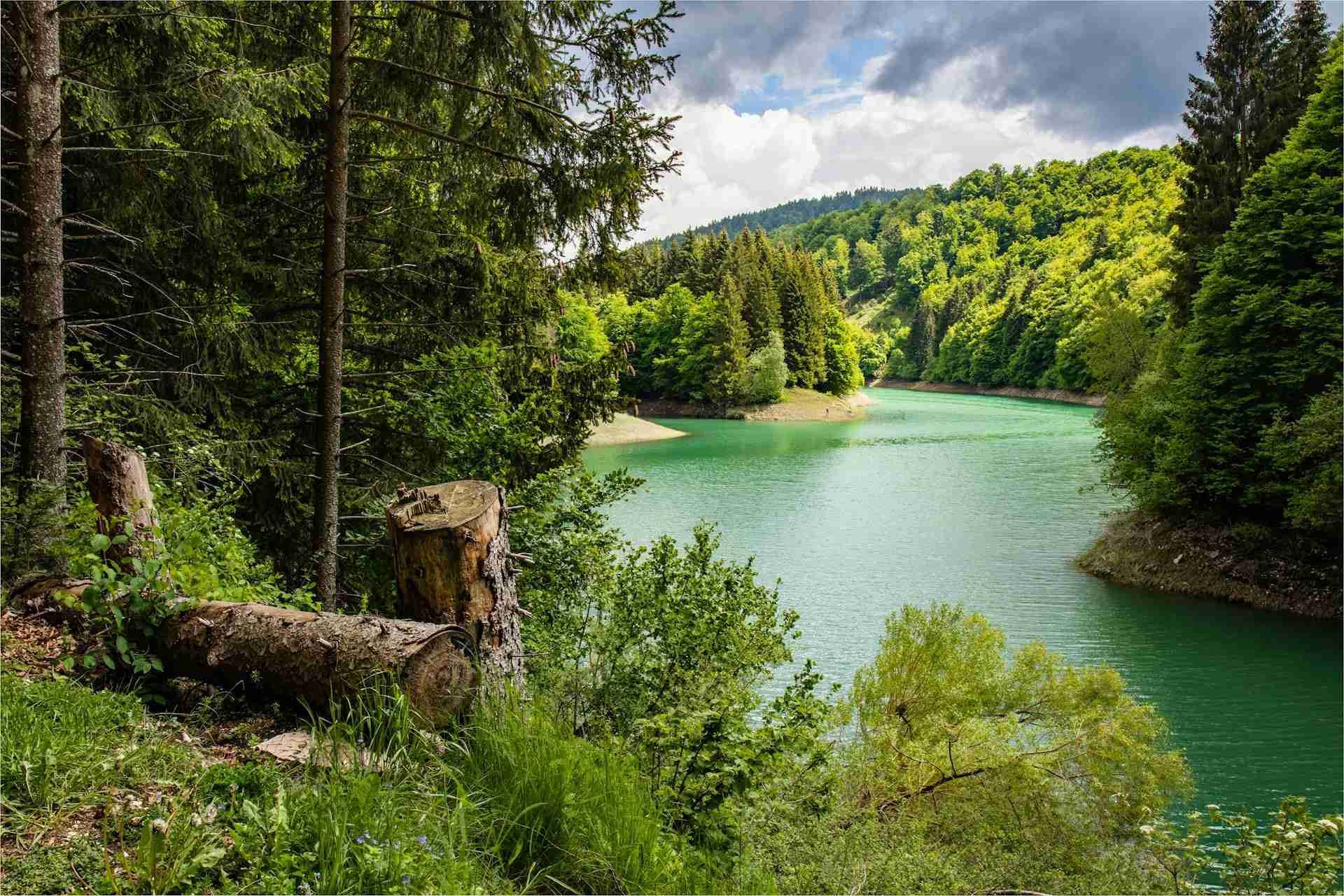
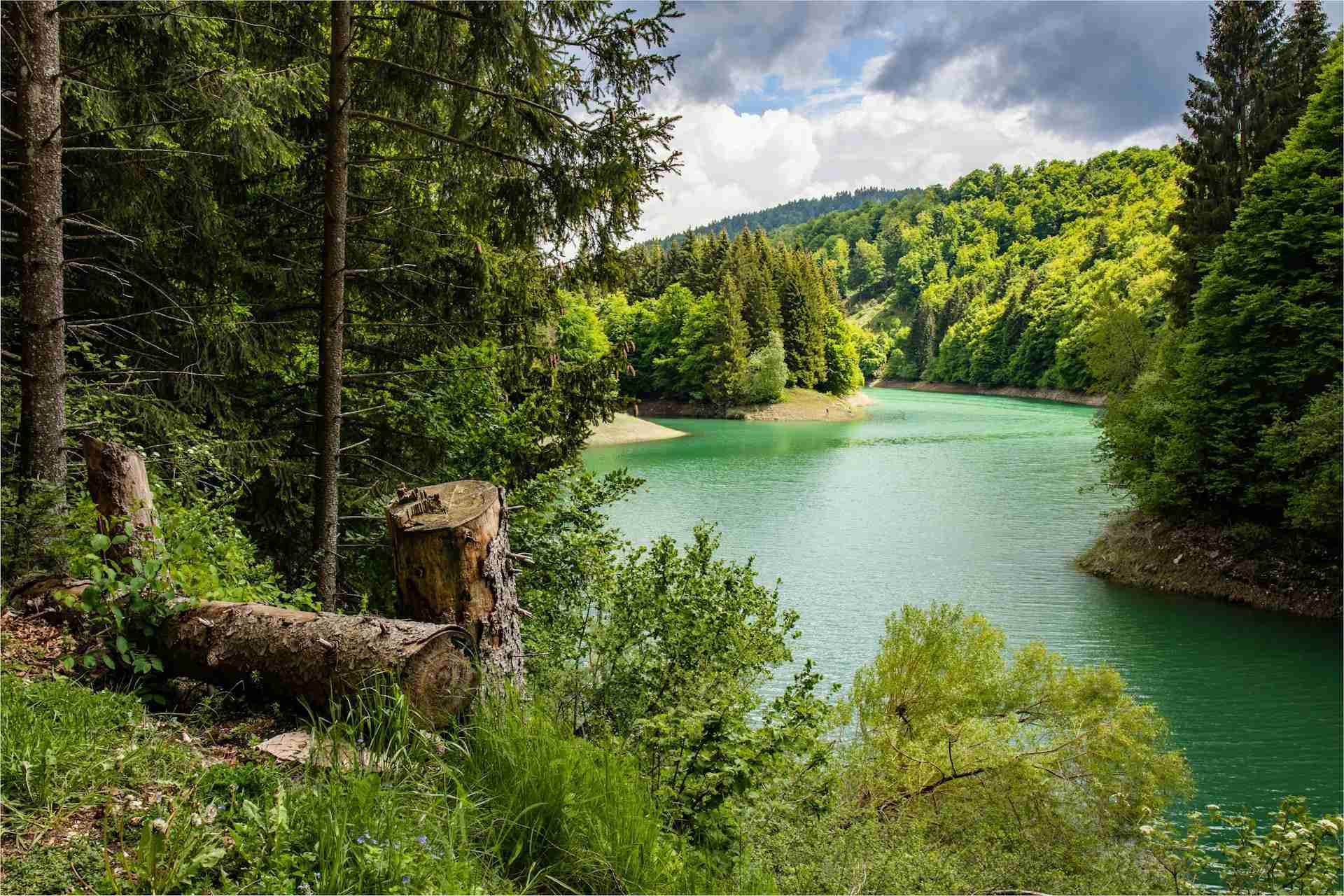
Nestled deep within the Lessini Mountains of northern Italy, Lago di Pra da Stua is a serene, pine-fringed reservoir in the heart of Trentino's Parco Naturale Locale del Monte Baldo. Surrounded by dense forest and backed by limestone ridges, this small but captivating lake offers a peaceful, reflective environment with an intimate scale ideal for contemplative landscape work. Its still waters mirror the seasonal shift of the canopy—from deep summer greens to golden autumn hues—and the absence of mass tourism makes it especially appealing to photographers seeking solitude, mood, and natural symmetry. With light filtering softly through mist or bursting through the trees at golden hour, Lago di Pra da Stua invites slow, deliberate image-making rooted in atmosphere and detail.
Best Photography Opportunities
• Mirror Reflections at Dawn from the Northern Shore
: This is the lake's most naturally symmetrical vantage point, offering pristine conditions for mirror-style compositions. At sunrise, the still surface reflects the surrounding pine forest and limestone cliffs with near-perfect clarity. Position yourself along the grassy bank and aim southward to include both the reflective waterline and distant ridges. Use a wide-angle lens to fully frame the scene, and include natural foreground anchors such as boulders or reeds to ground the composition. During autumn, the golden foliage mirrored in the calm surface transforms the lake into a painterly palette of color and texture. Early morning mist often adds a luminous quality, softening contrast and enhancing depth.
• Backlit Pines and Mist from the Western Trail
: Walking along the western side of the lake offers access to a more intimate and moody composition zone. In the early morning or late afternoon, sunlight filters laterally through the trees, creating shafts of light when there's morning fog or recent rainfall. These sunbeams illuminate suspended mist and give the scene a magical, almost ethereal tone. Using a mid-range zoom, you can compress forest layers or isolate details like a single illuminated branch or tree trunk. This is also a prime spot to experiment with vertical framing or film-style ratios that emphasize the forest's height and the interplay of light and shadow.
• Minimalist Wide Shot from the Eastern Bank
: The eastern bank of Lago di Pra da Stua offers cleaner lines, open views, and a sense of structured calm ideal for minimalist landscape compositions. Facing west from this location, you'll often capture long shadows stretching across the lake in late afternoon. This side is also less traveled, allowing for undisturbed long exposures. Set up low to the ground and look for lone trees or elements like a partially submerged rock or drifting leaf to break the still surface with intent. Overcast days excel here—reducing contrast and enriching midtones across the water and sky. This perspective works particularly well in square crops or black-and-white.
• Seasonal Color and Leaf Accumulation at the Southern Inlet
: In the fall, the southern tip of the lake becomes a mosaic of drifting leaves, moss-covered rocks, and golden reflections. This spot is where a small stream feeds the reservoir, and its shallow waters make it easy to photograph submerged patterns and leaf clusters without glare. Use a polarizer to cut surface shine and emphasize the color and structure beneath the water. Try composing from slightly above with a 35mm or 50mm lens to create top-down intimacy. This location is especially evocative in diffused light, where soft transitions between wet leaves, ripples, and reflections result in quiet, introspective images with subtle motion.
• Long Lens Study of Wildlife and Textural Layers
: The stillness of Pra da Stua makes it an ideal setting for telephoto studies of its delicate wildlife and layered environment. Herons, ducks, and frogs can be seen skimming the shoreline or resting quietly in reeds. With a 100–400mm lens, you can also isolate overlapping forest textures and vertical lines, composing scenes that read more like abstract studies than traditional landscapes. Fog and light haze often enhance this approach by softening the background and creating painterly gradations of tone. Shooting through near-foreground branches or grasses introduces natural framing and helps blend human perspective into the environment for a more immersive feel.
Best Time to Visit
Lago di Pra da Stua is accessible throughout the year, but the best months for photography are late spring through early autumn. From May to June, the lake is ringed with lush greenery and wildflowers, while early mornings often bring fog and dewdrops—ideal for mood and detail work. Sunrise comes quickly in summer due to the high tree line, so pre-dawn arrivals reward you with soft, clear reflections before the light becomes too harsh.
In autumn, especially from late September through mid-October, the lake reaches its visual peak. The surrounding forest turns golden and copper, creating mirrored tapestries across the water. Afternoon light from the west catches the tops of the trees and reflects across the lake, warming the entire scene. Morning sessions in autumn are frequently misty, with air still cool enough to keep the surface undisturbed.
Winter transforms the lake into a minimalist snowscape, with snow clinging to the pines and light raking low across the frozen surface. Accessibility can be limited due to snow on minor roads, but the reward is complete solitude and stark beauty—particularly on clear days when the surrounding peaks reflect sharply in the icy water.
Weather can shift rapidly in the mountains, so always check local conditions before heading out. Calm, overcast days are ideal for subdued reflections and color saturation, while partly cloudy skies lend strong structure to wide compositions.
How to Get There
Lago di Pra da Stua is located within the Monte Baldo Natural Park in the Trentino region of northern Italy. The nearest town is Avio, which lies approximately 15 kilometers to the west. From Avio, follow signs toward the village of Sabbionara and then head east along Via del Bosco, which turns into Strada Provinciale SP218. The lake is clearly marked and accessible via a small turnout and parking area near the dam.
The road is paved but narrow and winding, especially in the final stretch, so drive with caution. Parking is limited but usually sufficient, especially in the early morning or outside of high summer weekends. From the parking area, trails circle much of the lake, with easy access to both banks and elevated viewpoints.
There is no entrance fee to access the lake, and it's open year-round. However, services are minimal—there are no cafés or rental facilities nearby, so bring everything you need with you, especially if you're planning to shoot during golden or blue hour.
Recommended Photography Gear
A wide-angle lens (16–35mm) is essential for capturing the lake's full reflections, especially from the northern and eastern shores. It allows you to include both sky and shoreline in symmetrical compositions, and to work with foreground details like rocks or reeds to create depth.
A mid-range zoom (24–70mm) gives you flexibility around the forested edges, where tighter compositions work better in diffused light or during foggy conditions. It's ideal for backlit foliage and abstract compositions.
A telephoto lens (70–200mm or longer) is useful for wildlife spotting, isolating distant detail, or compressing layers of light and shadow along the lake's southern inlet. It's especially handy for capturing birds or creating texture-rich vignettes.
A tripod is recommended for long exposures, especially in low light or when shooting mist, reflections, or detail compositions at the forest's edge. Polarizers help reduce glare on the water and enhance color, while ND filters allow for smooth exposures that emphasize calm. Be sure to pack weather-resistant bags—dew, rain, and damp moss are constant companions in this part of Italy.
Nearby Photography Locations
: A small hermitage chapel perched high on the cliffs above the lake. From the trail leading up to it, photographers can capture expansive views of the Lessini Mountains and Avio Valley, especially beautiful at sunset.
: One of the best-preserved castles in Trentino, with Romanesque frescoes and medieval towers. Excellent for architectural photography and wide shots that include vineyard-covered hills below.
: Known as the "organic valley," this lush agricultural region is filled with terraces, stone walls, and farm scenes perfect for rural landscape photography, particularly in spring and early autumn.
: Just southeast of the lake, Monte Baldo offers panoramic views of Lake Garda and the surrounding Alps. A great destination for sunrise, sunset, or alpine flora macro work in the summer.
: Another photogenic alpine lake to the north, with lily-covered shallows, symmetrical reflections, and vibrant autumn foliage. Less isolated than Pra da Stua but equally beautiful under calm conditions.
Whether blanketed in fog or glowing in the evening light, Lago di Pra da Stua is a quiet alpine jewel that rewards slow photography. Its small scale allows for deep exploration, and the lack of distractions lets the landscape speak for itself—through water, stone, and stillness.
Comments
Loading comments…