
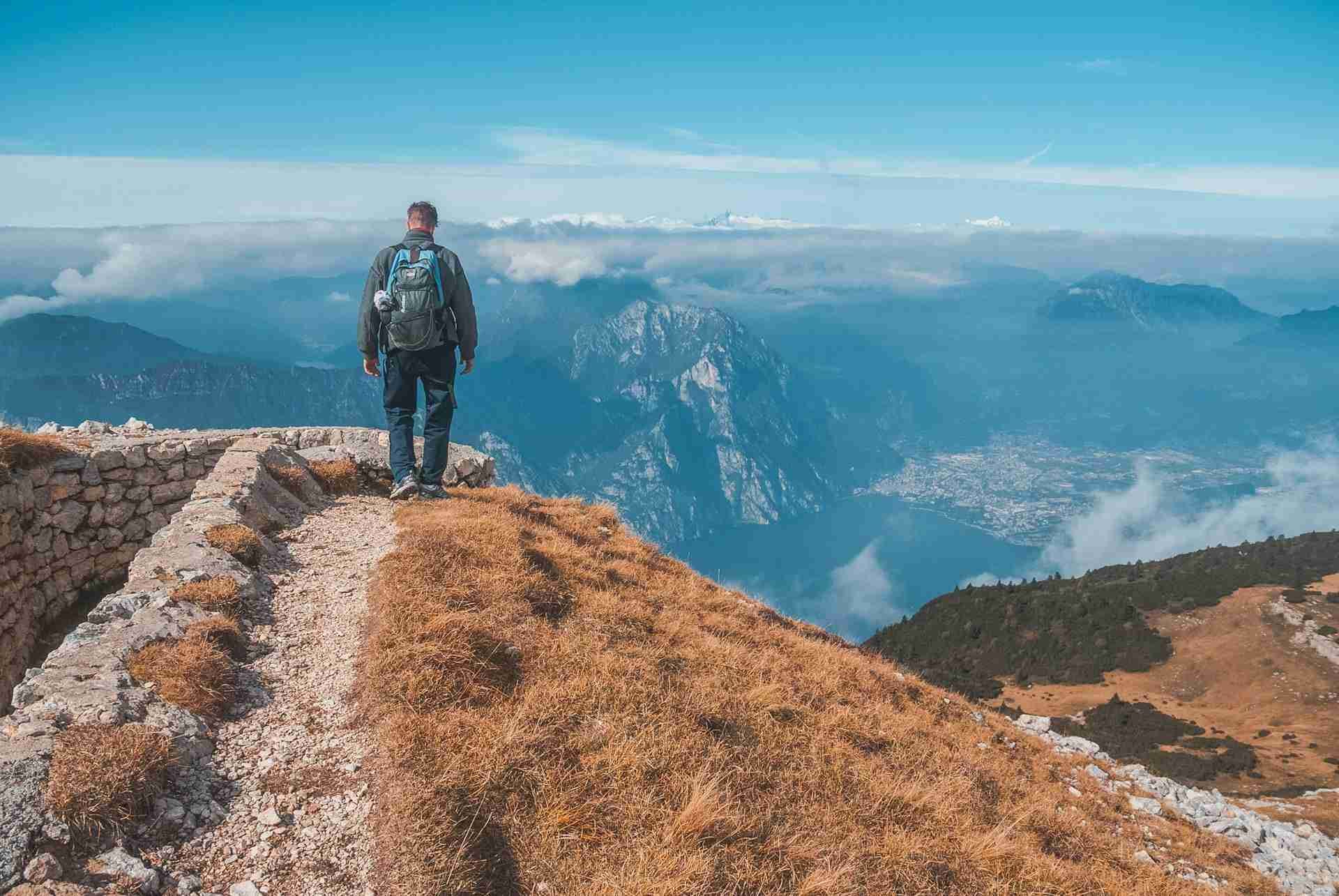
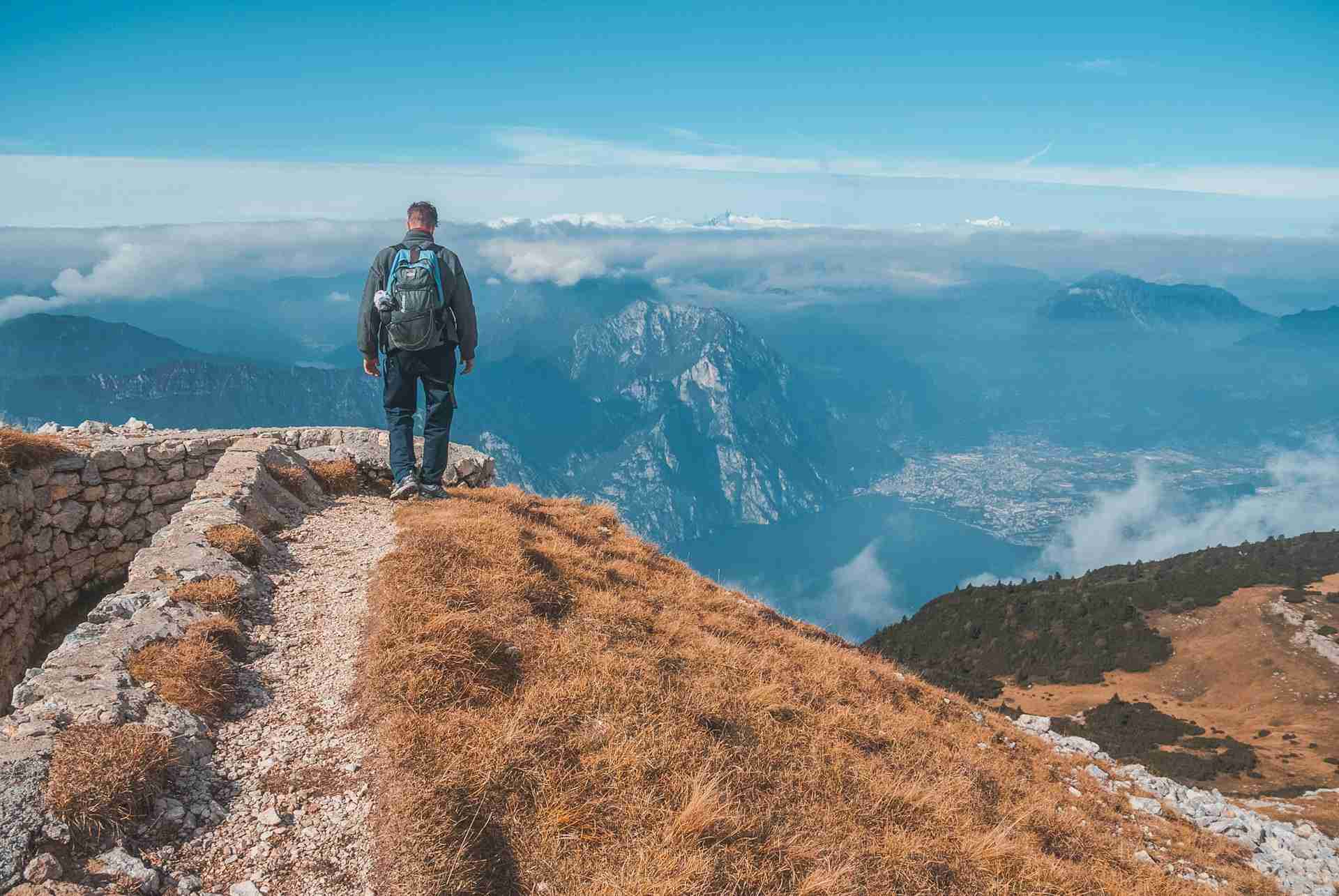
Monte Altissimo di Nago rises above the northern edge of Lake Garda in Italy's Trentino region, offering photographers an elevated vantage point where the rugged peaks of the Monte Baldo range meet the expansive blue of the lake far below. At 2,078 meters, the summit provides sweeping 360-degree views across the Sarca Valley, the Brenta Dolomites, and even into the Alps on a clear day. Alpine meadows, limestone outcrops, and winding trails make the landscape visually diverse, while the shifting weather patterns common to high altitudes introduce dynamic lighting and cloud drama throughout the day. With its mix of panoramic grandeur and high-mountain intimacy, Monte Altissimo is ideal for those seeking to capture natural forms in both broad and detailed compositions.
Best Photography Opportunities
• Summit Views Over Lake Garda
From the cross at the summit, the view plunges sharply toward the northern tip of Lake Garda, with Riva del Garda and Torbole visible far below. A wide-angle lens is essential to encompass the lake's deep color and the steep drop-off that defines the mountain's western face. Early morning light from the east illuminates the cliffs and water surface, while late afternoon brings shadow and structure to the valleys. Framing the summit cross or surrounding cairns in the foreground adds context and scale. Atmospheric haze in summer can soften the distant view, so visit in spring or autumn for clarity.
• Trail Compositions with Alpine Meadow Foregrounds
The path to the summit from Rifugio Graziani passes through rolling meadows dotted with alpine flowers in summer. Use these in the foreground of wide or standard lens compositions, with the mountain crest or sky forming the background. Morning dew and side light add texture and depth to grasses and wildflowers. These scenes work best with a low shooting angle and a small aperture to ensure detail from front to back. Consider using a polarizer to deepen sky color and reduce glare on vegetation.
• Cloud and Weather Drama from the Ridge
Due to its height and exposed position, Monte Altissimo frequently sits near or above cloud layers. Photographers can capture fast-moving clouds drifting over the ridge, casting shifting light on the landscape below. Use a mid-range zoom to balance sky and terrain, and consider shooting time-lapses or long exposures to express the movement. Fog and low cloud occasionally roll over the summit, obscuring then revealing views in seconds. Be prepared for rapidly changing conditions, which can transform compositions quickly.
• Textures in Limestone and Rock Formations
The geology of Monte Altissimo includes fractured limestone that forms jagged outcrops and weathered surfaces ideal for abstract or detail-driven photography. Get close with a macro or short telephoto lens to explore the patterns and embedded fossils that appear in certain areas. Low-angle light emphasizes the texture of these formations, especially at the edge of sunrise or sunset. These images work well in overcast conditions too, which reduce harsh shadows and allow detail to shine through. Include small alpine plants or tufts of grass for color contrast.
• Human Scale and Shelter at Rifugio Damiano Chiesa
Near the summit sits Rifugio Damiano Chiesa, a mountain hut that offers food, shelter, and a strong architectural counterpoint to the natural landscape. Including the rifugio in your frame adds a sense of scale and narrative to your mountain photography. Shoot during blue hour or golden hour when warm light hits the building and softens the surrounding peaks. Incorporating hikers or resting visitors creates opportunities for storytelling and adds energy to the otherwise still terrain.
Best Time to Visit
The best months to photograph Monte Altissimo di Nago are from late May through early October, when snow has cleared from the trails and the rifugi are open for rest and refreshment. Summer provides the easiest access and the richest color in the meadows, but conditions can be hazy and midday light intense. Early morning and late afternoon are the most productive shooting times, offering softer light and better definition in terrain.
Autumn brings more stable air, cooler temperatures, and a chance for clearer skies across the lake and valleys. September and early October are particularly good for crisp visibility and low-angle sun that enhances depth in mountain landscapes. Sunrise at the summit is especially striking, with warm light sweeping across the lake and clouds below the ridge.
Avoid visiting during winter or early spring unless you are prepared for snow and have alpine experience. The summit can be extremely windy and cold, and access becomes limited without proper gear.
How to Get There
Monte Altissimo di Nago is most commonly accessed via the Strada Graziani, a narrow but paved mountain road that ascends from the village of Nago-Torbole. From there, drive to Rifugio Graziani, where there is limited parking near the trailhead. The hike to the summit takes roughly 1.5 to 2 hours and follows a well-maintained path with moderate elevation gain.
Alternatively, more advanced hikers can reach the summit from the lower villages via longer trails that climb through forest, alpine pasture, and rocky ridges. These routes offer additional photographic opportunities but require good fitness and proper navigation.
No permit or entrance fee is required to access the trail or summit. The rifugio near the top is usually open during the summer and offers basic amenities. Plan your timing carefully, as weather can shift rapidly, and light changes quickly at high altitude. Be sure to check trail conditions before starting your ascent, especially in early or late season.
Recommended Photography Gear
A wide-angle lens is essential for summit views, meadow compositions, and dramatic sky work. A standard zoom (24–70mm) adds flexibility for mid-range framing and scenes that include people or structures. A telephoto lens, ideally 70–200mm, allows for distant landscape compression, cloud layers, and isolated ridge shots.
A sturdy, lightweight tripod is recommended for shooting sunrise, sunset, or long exposures of cloud motion. A circular polarizer is useful to manage glare and enrich the blue of Lake Garda below. A lens cloth is essential at higher altitudes where dust and moisture from wind are common.
Bring a weather-resistant camera bag and carry enough water and layers to remain comfortable during sudden weather shifts. A headlamp or flashlight is necessary if you plan to shoot during twilight hours or descend after sunset. Extra batteries are also important, as cold temperatures and long sessions can drain power quickly.
Nearby Photography Locations
Continuing south from Monte Altissimo, the Monte Baldo ridge trail offers uninterrupted views of the lake and distant peaks. The changing terrain and constant light shift make this an excellent all-day photography route.
Down at lake level, Riva offers elegant facades, marina scenes, and strong morning light reflecting off the harbor. It's ideal for early cityscape or waterside photography after a summit session.
This historic trail includes WWI-era fortifications and panoramic viewpoints. It adds historical depth and structure to your landscape work and is accessible from nearby mountain passes.
A tranquil mountain lake west of the summit, this location features calm water, forested slopes, and reflections perfect for early morning photography. Cloud inversion sometimes occurs here during cooler months.
• Malcesine and the
Monte Baldo Cable Car
Further south on Lake Garda's edge, Malcesine is a charming lakeside town with cobbled streets and stone buildings. The cable car to Monte Baldo provides quick access to more high-mountain views with minimal hiking.
Further south on Lake Garda's edge, Malcesine is a charming lakeside town with cobbled streets and stone buildings. The cable car to Monte Baldo provides quick access to more high-mountain views with minimal hiking.
Monte Altissimo di Nago combines the drama of elevation with the tranquility of alpine meadows and far-reaching lake views. It's a setting where weather, light, and geology meet in every direction, offering photographers a full range of creative possibilities at the edge of the sky.
Comments
Loading comments…