
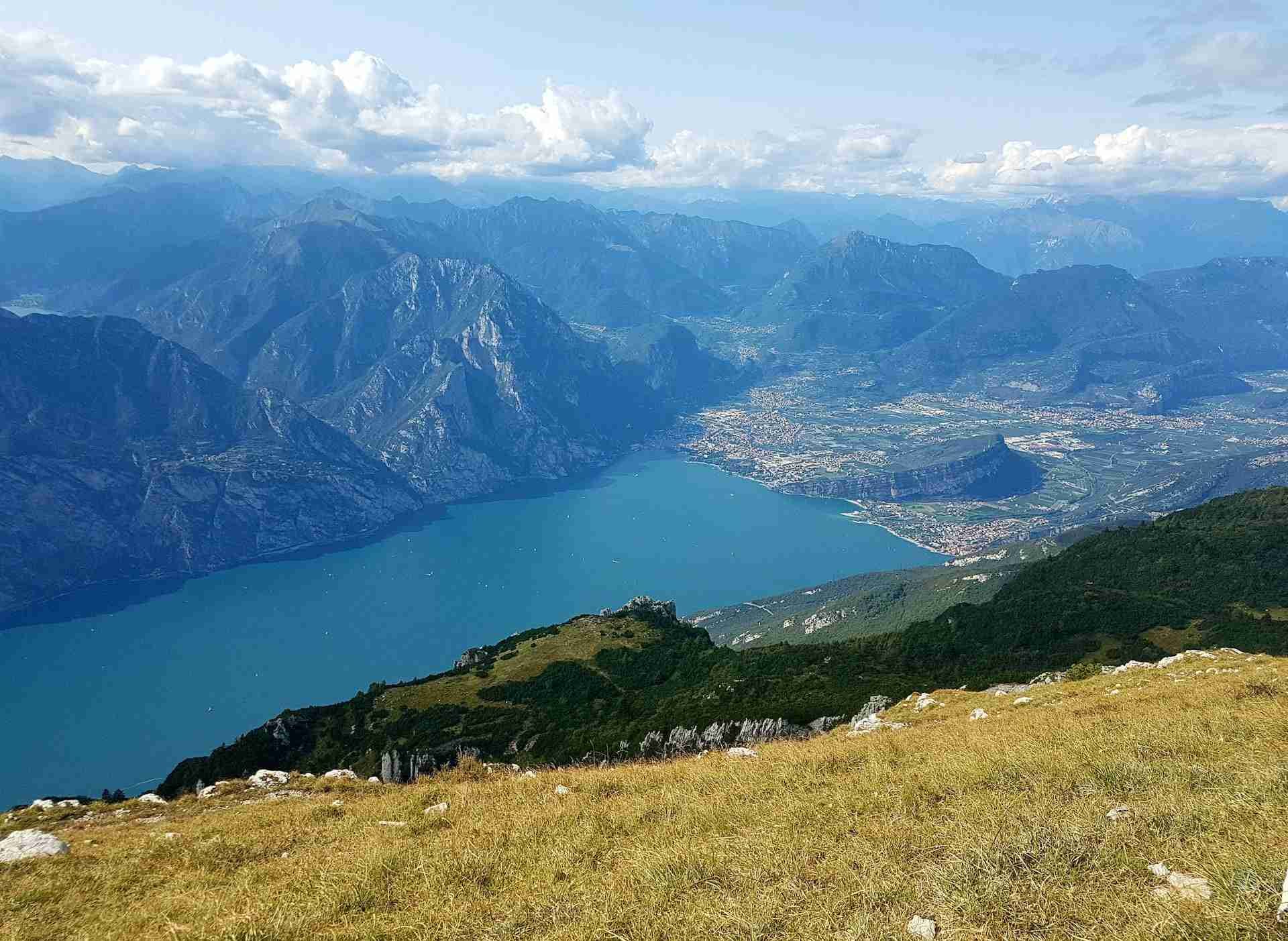
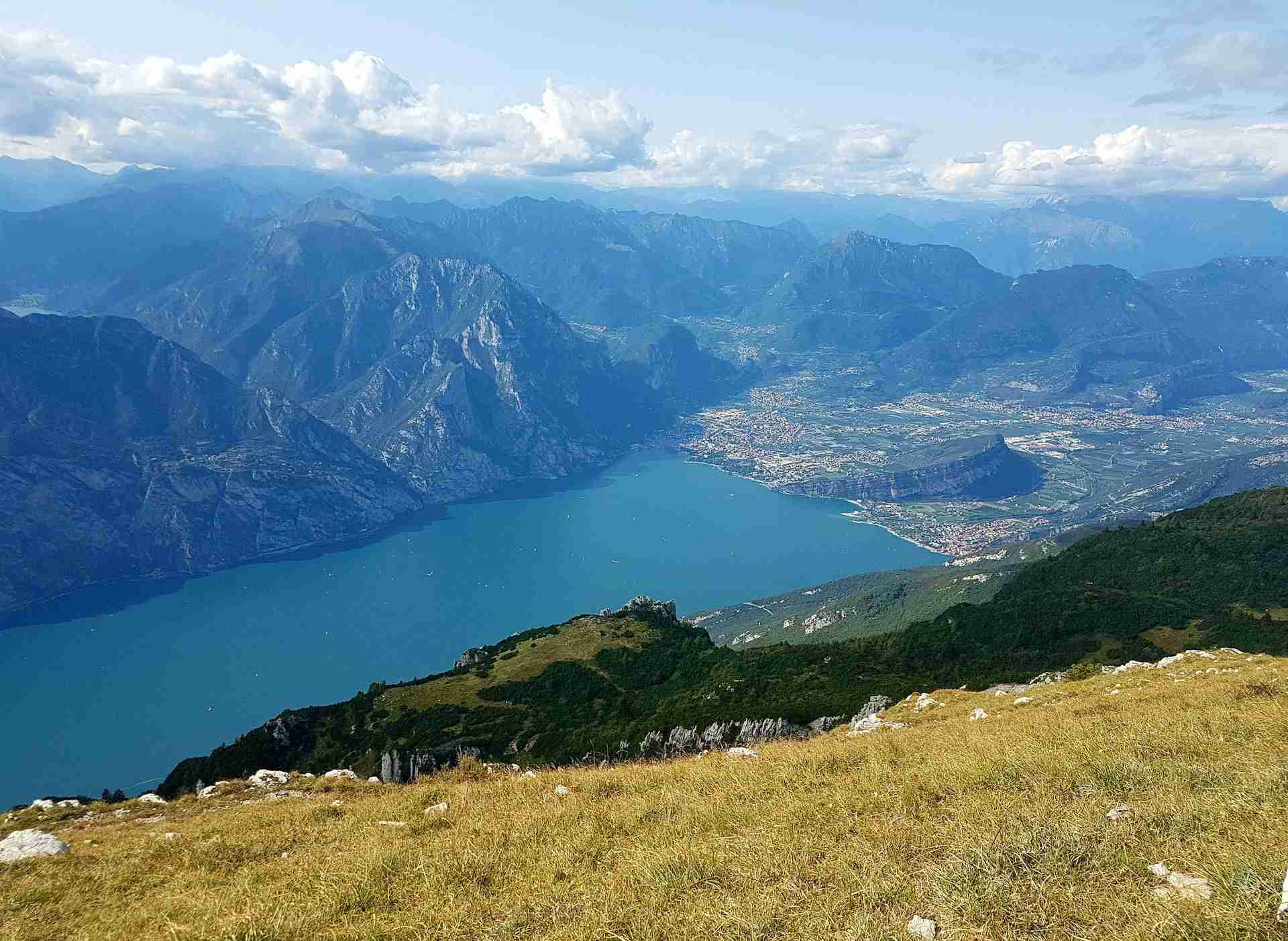
Monte Baldo is one of the most dramatic and rewarding photographic destinations in northern Italy. Rising steeply above the town of Malcesine on Lake Garda's eastern shore, the mountain reaches more than two thousand metres and offers views that shift from alpine ridges to Mediterranean waters. Known for its extraordinary biodiversity, Monte Baldo is often called the "Garden of Europe," and its slopes change character with each season. From the flower-filled meadows of spring to the snowy ridges of winter, the mountain provides endless variety for photographers willing to explore. The cable car that runs directly from Malcesine to the upper slopes makes the summit surprisingly accessible, transforming what could be a demanding climb into a fifteen-minute ascent. This combination of accessibility, scale, and variety makes Monte Baldo a location where you can spend a full day creating images that range from expansive panoramas to delicate macro studies, all within a single setting.
Best Photography Opportunities
• Panoramas of Lake Garda
The sweeping views of Lake Garda from Monte Baldo are reason enough to visit with a camera. From the ridges, the lake stretches into the distance, flanked by rugged cliffs and dotted with small villages along the shoreline. Wide-angle lenses capture the vastness of this view, while telephoto work can pick out details such as ferries crossing the water or the cluster of terracotta roofs in Malcesine. The view changes dramatically with the light: mornings bring soft blues and still water, while evenings bathe the lake in warm golden tones. Polarising filters are particularly useful here, reducing glare and haze, and deepening the colours of both sky and water.
• The Cable Car Journey
The cable car from Malcesine to Monte Baldo is not only a means of reaching the summit, but also a photographic opportunity in itself. The second stage of the ascent features cabins that rotate slowly, offering a constantly shifting view over the lake and mountains. Shooting from inside requires careful control of reflections on the glass, but the reward is a series of images that capture the transition from lakeshore to alpine ridge. At the upper station, you can frame the cable car arriving against the backdrop of the lake below, creating a composition that highlights both the human and natural scale of the place. On cloudy days, cabins sometimes disappear into fog, creating dramatic and mysterious frames.
• Alpine Meadows and Wildflowers
Monte Baldo's biodiversity is famous, and during spring and summer its meadows burst into colour with alpine flowers. This is a perfect opportunity for both wide and close-up photography. Shooting from a low angle with a wide lens allows you to place a cluster of flowers in the foreground against the vast sweep of Lake Garda in the background. Macro work reveals delicate detail, from the textures of petals to the insects moving among them. Each season offers a new palette, with early summer filled with wild orchids and later months dominated by grasses and daisies. The contrast between fragile flowers and massive ridges is one of the mountain's most rewarding photographic themes.
• Ridges, Trails, and Human Scale
The paths along Monte Baldo's ridges are naturally photogenic, creating strong leading lines that guide the eye through your compositions. Hikers are a constant presence, and including them in your frames adds scale and a sense of movement. These paths also provide excellent opportunities for storytelling photography, as you can capture figures silhouetted against the sky or walking along winding trails that disappear into the distance. Wide-angle compositions emphasise the scale of the ridges, while longer lenses compress the layers of paths, peaks, and sky into more graphic compositions. In the evenings, the paths often glow with warm light, creating dramatic shadows that add depth to the landscape.
• Paragliders Over Lake Garda
Monte Baldo is one of Italy's most popular paragliding launch sites, and for photographers this creates a unique subject. Paragliders fill the sky on clear summer days, their brightly coloured canopies standing out against the deep blue of the lake. Telephoto lenses are ideal for isolating a single glider against the water or mountains, while wider frames capture the spectacle of multiple gliders floating in the same sky. The contrast between static landscape and dynamic human movement creates energy and variety in your images. Patience is key, as waiting for gliders to enter your chosen composition often produces the most balanced and striking results.
• Dramatic Weather and Atmospheric Light
The altitude of Monte Baldo means that weather conditions change quickly, and for photographers this can be an advantage. Clouds sweep across ridges, fog rolls in from the lake, and sudden shafts of light break through over the water. These moments create moody and powerful images that are completely different from the clear-sky panoramas more commonly associated with Lake Garda. Monochrome photography works especially well in these conditions, highlighting contrast between light and shadow. Long lenses are effective for compressing layers of ridges and clouds, while wide shots emphasise the scale of the shifting weather.
• Seasonal Transformations
Monte Baldo changes character with every season, offering a different photographic palette each time. Spring brings the wildflowers that give the mountain its reputation as a garden, with meadows full of colour. Summer is clearer, with long days and paragliders filling the skies. Autumn adds golden tones to the slopes and often produces misty mornings that soften the ridges and valleys. Winter transforms the summit into a snowy landscape, where stark contrasts between white snow, dark rock, and bright skies create opportunities for both colour and monochrome work. For photographers who enjoy returning to the same subject across seasons, Monte Baldo is endlessly rewarding.
Best Time to Visit
Early mornings and evenings are the best times to photograph Monte Baldo, when light is soft and the air is calm. In the morning, Lake Garda often reflects the ridges and sky, while shadows add depth and texture to the mountains. The evening light warms the landscape, bathing both ridges and lake in gold, and often creating dramatic silhouettes of hikers and paragliders. Midday can be harsh and hazy in summer, reducing clarity in panoramas, though this is still a productive time for macro work among the wildflowers. Seasonal timing matters: spring and early summer are best for biodiversity, summer offers the clearest skies and paragliders, autumn brings atmospheric light and colour, and winter provides stark snowy contrasts. For astrophotographers, the summit areas away from the cable car stations offer relatively dark skies, especially on clear nights outside the summer tourist season.
How to Get There
The most straightforward way to reach Monte Baldo is by cable car from Malcesine. The journey is in two stages, with the second featuring rotating cabins that provide panoramic views throughout the ascent. Schedules vary by season, and the cable car does not operate in poor weather or during certain maintenance periods, so checking in advance is essential. Tickets are required, but exact prices change over time. For those who prefer to reach the summit on foot, trails lead up from Malcesine and other nearby villages. These hikes are long and demanding, often taking several hours with steep elevation gain, but they offer plenty of photographic opportunities along the way. Driving access is possible on the eastern slopes, with mountain roads leading to trailheads and huts, although parking can be limited during peak months. Once on the mountain, paths are well marked, ranging from short walks to full-day ridge hikes. Facilities are concentrated near the cable car stations, but once you step onto the trails, the environment becomes remote and exposed, so bring food, water, and appropriate clothing.
Recommended Photography Gear
Photographing Monte Baldo benefits from a varied kit. A wide-angle lens is essential for capturing the scale of the ridges and the sweep of Lake Garda below. A mid-range zoom such as a 24 to 70 millimetre lens is versatile for environmental portraits, hikers on trails, and compositions that balance foreground and background. A telephoto lens in the 70 to 200 millimetre range is invaluable for isolating paragliders, compressing layers of mountains, and picking out shoreline villages from above. A tripod is important for sunrise and sunset landscapes, long exposures of moving clouds, and astrophotography. Filters, including a circular polariser and neutral density set, will help control glare, reduce haze, and extend exposure times during bright daylight hours. A drone can capture extraordinary aerial perspectives, but flying is weather-dependent and local regulations must always be respected. Sturdy footwear, layered clothing for changing temperatures, and lens cloths for moisture or dust are practical necessities, as conditions on the summit can shift rapidly.
Nearby Photography Locations
At the base of Monte Baldo, Malcesine is a picturesque lakeside town with narrow streets, stone houses, and the striking Castello Scaligero. The castle's tower provides one of the best elevated views of both town and lake, especially at sunset. The harbour, filled with boats, offers strong compositions at dawn when the water is calm.
On the opposite shore, Limone is known for its lemon terraces that climb above the lake. These terraces are especially photogenic in golden evening light, and the ferry crossing from Malcesine provides excellent opportunities for photographing both towns from the water.
At the northern tip of the lake, Riva combines a vibrant historic centre with sweeping views of surrounding mountains. Its piazzas, harbour, and lakeside promenade provide opportunities for both street and landscape photography. Sunrise from this end of the lake is particularly beautiful.
• Torbole
North of Malcesine, Torbole is famous for windsurfing and sailing, making it one of the most dynamic locations for action photography on Lake Garda. Colourful sails against mountain backdrops provide excellent opportunities for both wide shots and detail studies.
• Verona
A longer trip inland brings you to Verona, a city rich with photographic subjects, from the Roman Arena to medieval bridges and winding riverfront streets. The panoramic view from Castel San Pietro at sunset is one of the most rewarding in the region.
Monte Baldo is a location that combines accessibility with grandeur. The cable car makes alpine landscapes available to anyone, yet the ridges and meadows still feel wild and expansive. For photographers, it offers a spectrum of subjects, from delicate flowers to vast panoramas, from action-packed paragliders to quiet seasonal changes. Every visit reveals something new, and with each season transforming the mountain, Monte Baldo is a place that invites return trips and rewards time spent exploring with a camera.
Comments
Loading comments…