
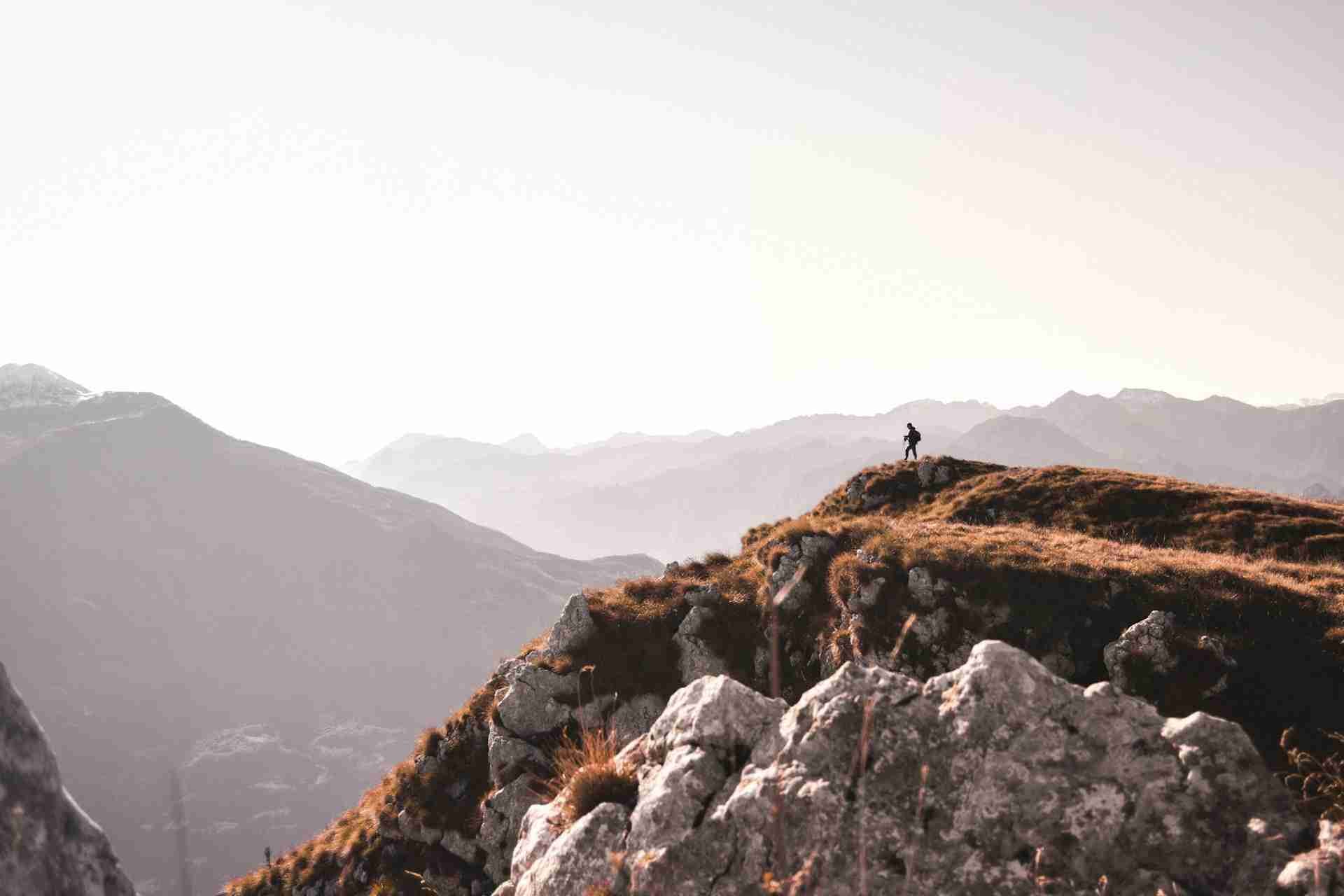
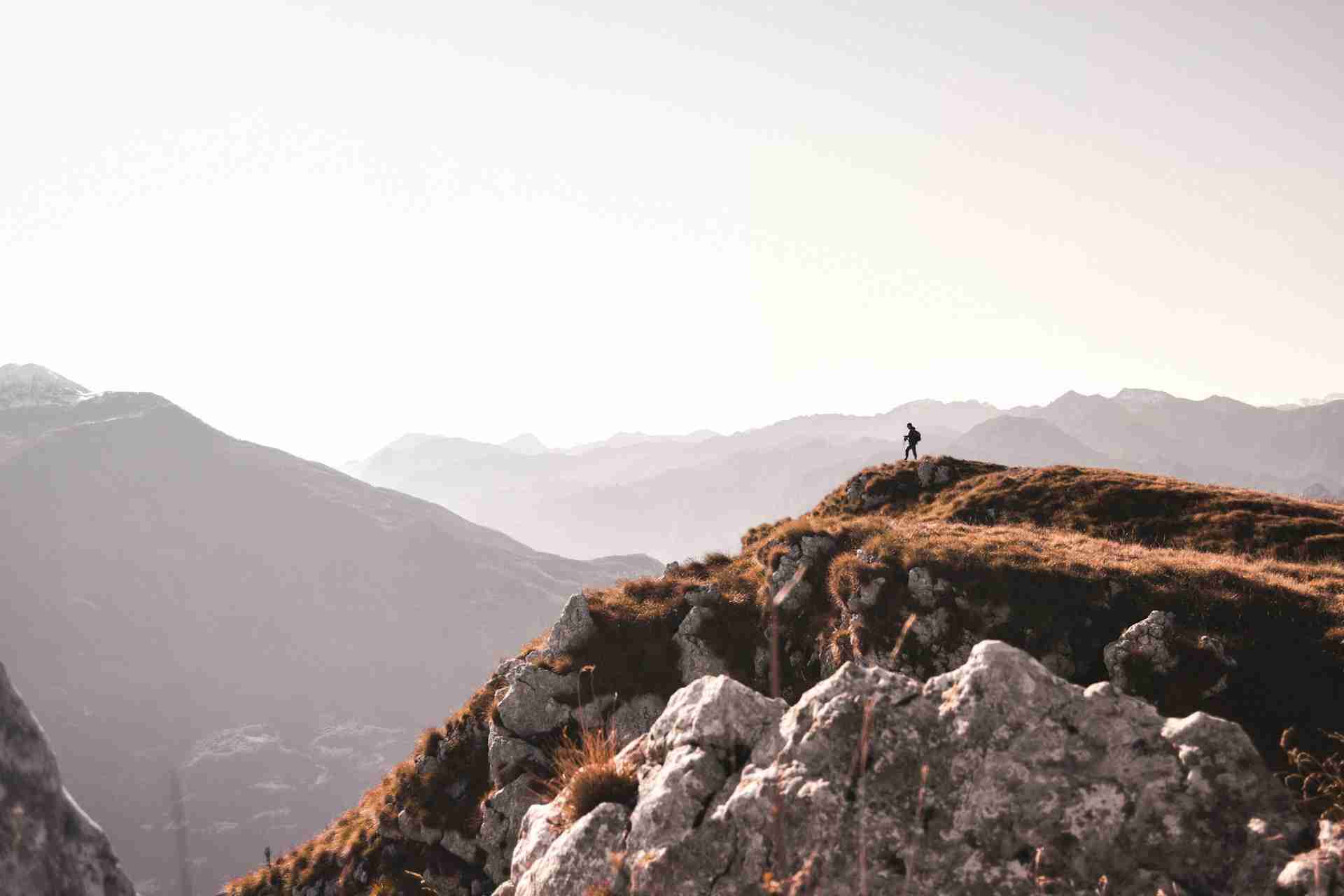
Rising above the Vallagarina and the Adige Valley, Monte Biaena stands as one of the most rewarding lesser-known summits for photographers in northern Italy's Trentino region. Located just above the village of Ronzo-Chienis, this 1,618-meter peak offers sweeping views across the Trentino landscape, including clear sightlines toward Monte Stivo, the Brenta Dolomites, and Lake Garda's northern reaches. The mountain is crowned with wide alpine meadows, old military ruins, and a 360-degree panorama that makes it ideal for both sunrise and sunset shoots. Unlike more frequented locations in the Dolomites, Monte Biaena remains quiet, often offering complete solitude at the summit, which gives photographers uninterrupted space to work with changing light and weather. Its position between major valleys also means cloud inversions, early morning fog, and layered mountain views are frequent, giving the location a strong sense of visual depth across all seasons.
Best Photography Opportunities
• Summit Views with Layered Horizons
The summit of Monte Biaena offers an unobstructed 360-degree view that includes the Vallagarina to the east, the Monte Baldo range to the south, and distant views of Lake Garda to the west. During early morning, light spills in from behind the Brenta group, casting long shadows over the rolling foothills and village-dotted valleys. This is a prime location for creating layered landscape shots using a telephoto lens, especially when atmospheric haze or valley fog softens the transitions between each mountain ridge. Wide-angle compositions also work well here, particularly when foreground elements like the summit cross or stone ruins are used to anchor the frame. The openness of the summit allows for multiple compositions without obstruction.
• Ruins and Remnants of the Great War
Along the trail and near the summit, several old military structures and lookout points remain from World War I. These small bunkers and stone walls are weathered but structurally intact, offering textured surfaces and lines that contrast against the surrounding grasslands and sky. In golden hour light, these ruins cast long shadows and take on warm tones that add emotional weight to the composition. Shooting from low angles can make the structures feel more imposing, while higher angles reveal their placement within the broader landscape. These are particularly effective subjects on overcast days, when softer light brings out surface details without harsh highlights.
• Fog Inversions Over Vallagarina
One of the most photogenic conditions on Monte Biaena occurs when fog settles into the Vallagarina valley below while the summit remains clear. This creates dramatic inversion scenes where church towers, treetops, or hill crests rise through a sea of clouds. These conditions often form in autumn or early spring and are best captured in the early morning, shortly after sunrise. Using a longer focal length, you can isolate structures or ridgelines breaking through the fog, creating a surreal sense of space and scale. The light during these moments is usually soft and pastel, adding to the dreamlike atmosphere.
• Trail Vistas Toward Monte Stivo
The trail leading to Monte Biaena from Ronzo-Chienis offers several exposed ridgelines with views toward Monte Stivo and the surrounding peaks. These make excellent spots for shooting into the light during sunrise or capturing long shadows during golden hour. The trail itself can be used as a leading line in the composition, curving gently through the grasslands and alpine scrub. Including hikers or cyclists on the trail adds human scale and a sense of narrative to the frame. These trail views often change quickly depending on weather, and patches of wildflowers or snow can add seasonal accents in spring or late autumn.
• Night Sky Photography from the Summit
Due to its distance from large urban centers and the lack of light pollution in the immediate area, Monte Biaena is well suited for astrophotography. The summit offers a wide, flat area with clear sky visibility in all directions, making it ideal for star trails, Milky Way captures, and moonlit landscape shots. A foreground element such as the summit cross or one of the nearby ruins can give night images structure. On moonless nights, the depth of the sky here is particularly strong, with constellations and satellite trails easily visible even with minimal exposure time. Conditions are clearest in early autumn and winter, when humidity is low and sky transparency is high.
Best Time to Visit
Monte Biaena can be photographed year-round, but the best conditions occur between late April and early November. In spring, wildflowers bloom across the meadows, and patches of lingering snow provide bright highlights against the green slopes. Morning fog is common in the lower valleys during this season, giving the summit an elevated, detached feeling when viewed above a sea of clouds. Summer brings clearer skies and warm evening light, with longer days allowing for more flexibility in hiking and shooting schedules.
Autumn is particularly rewarding, especially in October when valley fog returns and the forests on the lower slopes shift into golden and rust-colored tones. The air tends to be clearer at this time of year, and visibility stretches far into the southern Alps on most days. Winter photography is possible but requires proper gear and snow navigation, as trails may be covered or icy. Clear winter mornings can offer crisp light, sharp mountain detail, and full fog inversions, but access is more limited. For golden hour light, evenings at the summit give the best directional coverage, with soft illumination wrapping around the ridges and valleys to the west.
How to Get There
Monte Biaena is accessed from the village of Ronzo-Chienis in the Autonomous Province of Trento. The most common hiking route begins near the town center, where trail signs mark the ascent toward the summit. The hike takes approximately 90 minutes and follows a well-maintained path through forest and open meadows. There is public parking in Ronzo-Chienis near the trailhead, and no permit is required to access the trail or summit. The path is suitable for moderately experienced hikers and offers several rest points with views along the way.
For those carrying heavy photography equipment, the trail is manageable with proper footwear and pack support. Drones are permitted in this area, but flights should avoid protected zones and active wildlife. Weather can change quickly at elevation, especially in spring and autumn, so it's advisable to check local forecasts before setting out. The summit area is wide and open, providing space to move around and explore different shooting angles without crowding. There are no facilities at the top, so bring all necessary gear, water, and layers for changing temperatures.
Recommended Photography Gear
Monte Biaena's terrain and lighting conditions make it suitable for a broad kit, but thoughtful gear selection will help maximize the location's potential. A wide-angle lens, such as a 16 to 35 millimeter, is ideal for summit views, meadows, and star photography. A mid-range zoom, like a 24 to 70 millimeter, is useful for shooting trail scenes, ruins, and layered landscapes. A 70 to 200 millimeter telephoto is recommended for fog inversion shots, compressing ridgelines, or isolating background peaks.
A lightweight but stable tripod is essential, especially for low-light and night photography. Bring a circular polarizer to control reflections and deepen sky contrast, and a graduated neutral density filter for managing bright skies at sunrise or sunset. If shooting astrophotography, pack extra batteries and a remote shutter trigger. For drone users, extra propellers and wind monitoring apps are recommended, as summit winds can be unpredictable. Waterproof covers and lens cloths are a must year-round, as humidity and condensation are common even in dry conditions.
Nearby Photography Locations
Located directly to the east of Monte Biaena, Monte Stivo offers more expansive views across Lake Garda and the southern Alps. The summit features a small refuge and open meadows that are especially striking in summer and early fall. The trail from Passo Bordala is longer but offers steady elevation and well-positioned lookout points along the way.
The agricultural terraces of Val di Gresta, visible from Monte Biaena and accessible by road, are ideal for capturing geometric patterns and layered fields. These terraces are especially photogenic in spring, when fresh planting creates sharp lines, and in autumn when the fields shift into muted earth tones. Late afternoon light creates soft shadows across the landscape.
A small alpine lake located north of Ronzo-Chienis, Lago di Cei is surrounded by forest and offers classic reflection shots in calm morning conditions. In autumn, the trees around the lake turn vibrant orange and red, making it a perfect companion location to Monte Biaena for a full day of seasonal shooting.
The historic center of Rovereto, located to the southeast, features narrow streets, stone archways, and soft golden light throughout the day. It is an excellent urban complement to the natural landscapes above, offering street photography opportunities and historical textures within a compact walking area.
Just a short drive from Ronzo-Chienis, Passo Bordala offers wide, accessible roadside views toward Monte Baldo and the Adige Valley. This area is well-suited for sunset shots and long-lens work, especially in clear weather when distant ridges are well-defined. The light here tends to linger longer due to the open valley orientation.
Monte Biaena is one of those rare locations where accessibility, solitude, and panoramic beauty all come together. Whether you are capturing mist in the valleys, distant peaks on a clear evening, or the quiet texture of an old military outpost, this summit offers a wide range of scenes that can be shaped by season, light, and weather. For photographers looking to escape the crowds of more famous alpine peaks while still returning with a diverse and compelling set of images, Monte Biaena delivers exactly what the region does best.
Comments
Loading comments…