
Light, Line, and Legacy: Photographing Rome's Palazzo Braschi
Located just steps from Piazza Navona, the Museo di Roma at Palazzo Braschi offers photographers a striking intersection of Roman baroque architecture, classical proportions, and timeless urban context. The palazzo's elegant facade, symmetrical courtyards, and sweeping marble staircases provide ample opportunity for capturing both detail and atmosphere. Inside, changing exhibitions and grand halls reflect Rome's layered artistic heritage, but it is the architecture itself that often becomes the most compelling subject. Whether working with soft morning light filtering across the porticoes or seeking symmetry in the interior stairwell, Palazzo Braschi offers a composed, contained environment that contrasts beautifully with the street-level energy just outside. It is an ideal location for architectural, travel, and fine-art photography alike.
Best Photography Opportunities
• Grand Staircase Interior
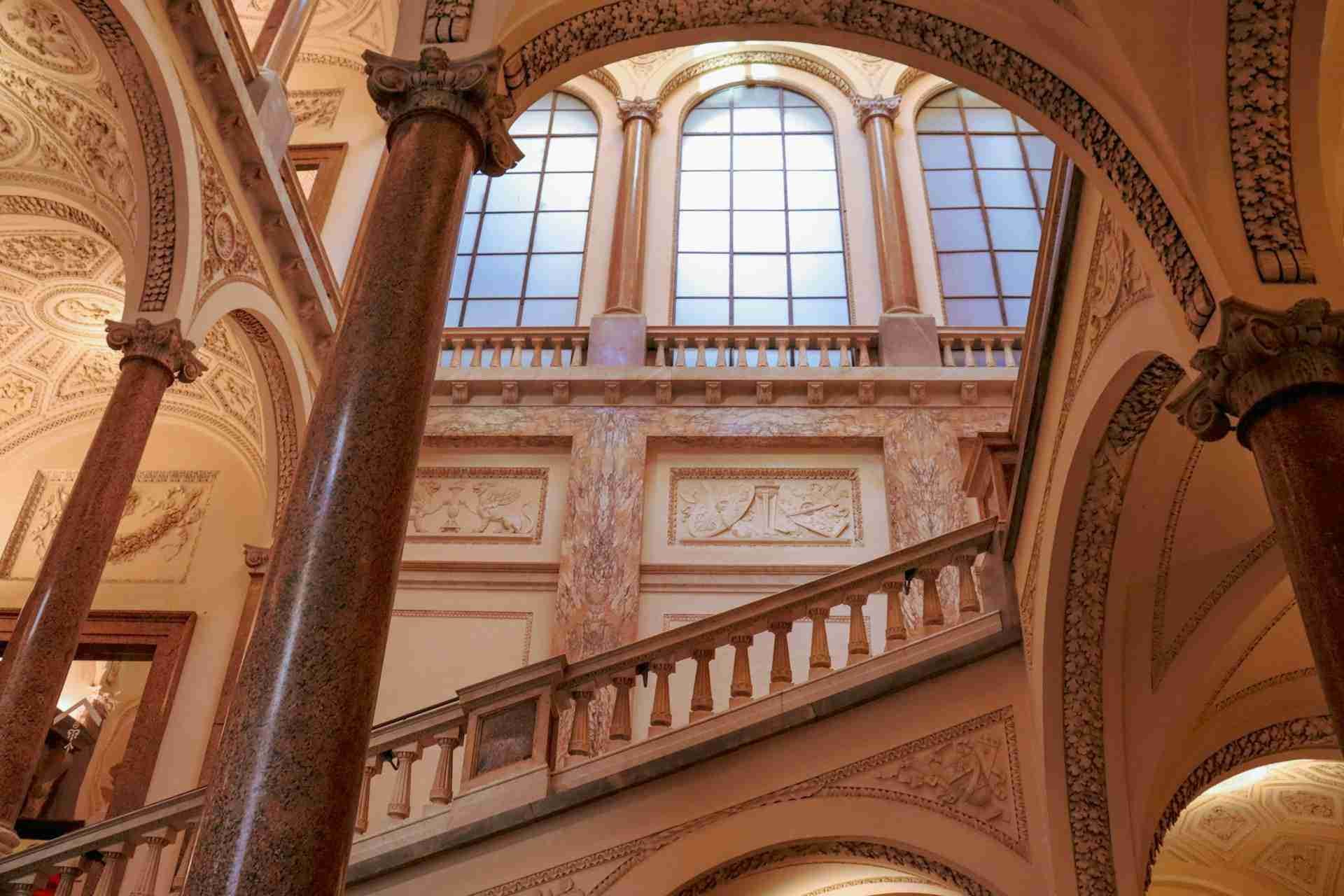
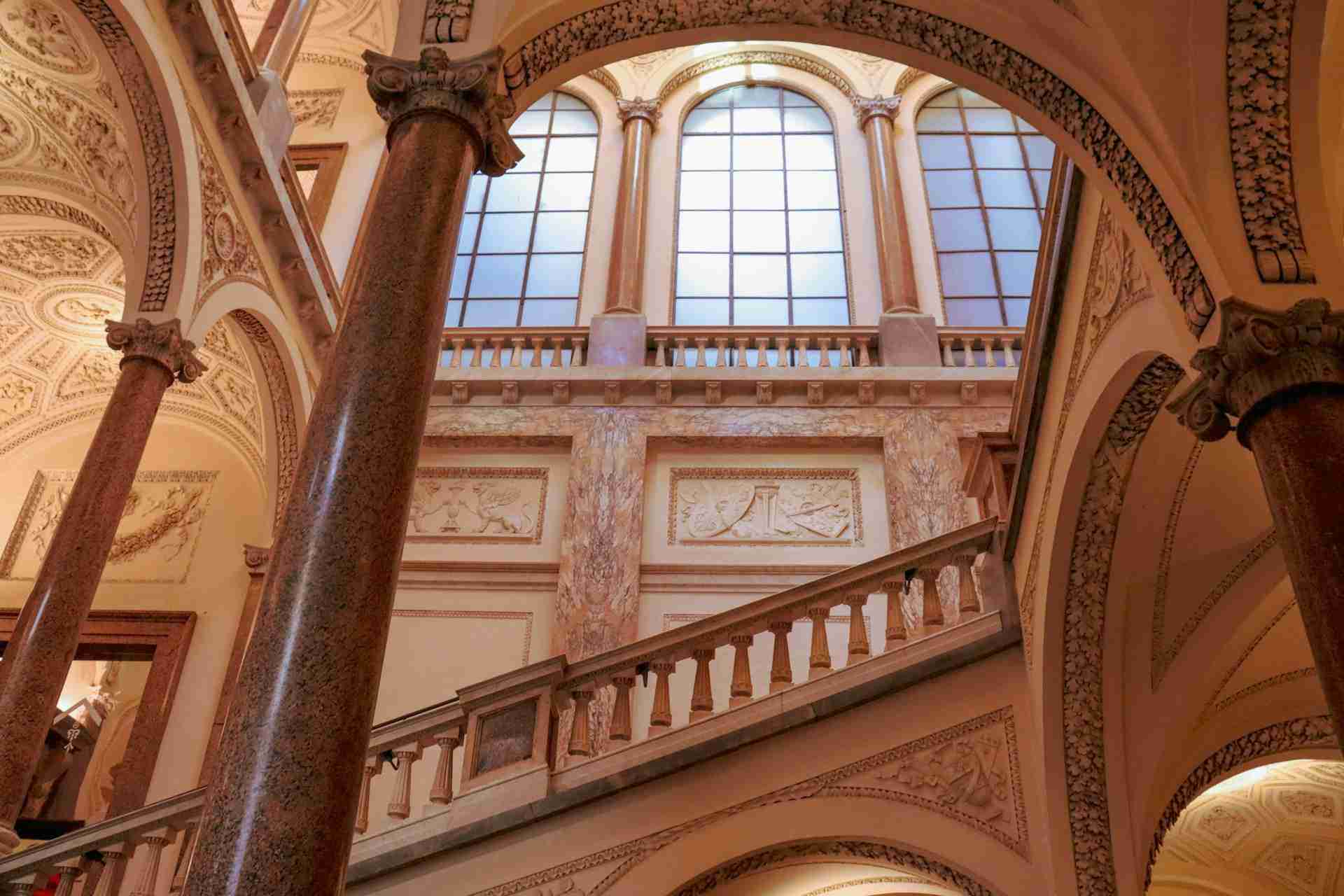
The marble staircase at the heart of Palazzo Braschi is one of its most recognizable photographic features. Light floods the space through tall windows, casting angular shadows across the balustrades and stairs. Use a wide-angle lens to capture the full sweep of the spiral as it climbs or descends, and consider framing it from mid-level landings for balanced symmetry. This subject also lends itself well to black-and-white conversions, emphasizing line, light, and texture. Early morning or late afternoon is ideal for shooting this space with soft directional light.
• Courtyard Symmetry and Arches
The palazzo's internal courtyard is a study in balance and classical repetition. Arched colonnades on all sides frame clean architectural lines and rhythmic shadow play. Shooting upward from the center of the courtyard with a wide lens allows you to emphasize the surrounding facades and open sky. Alternatively, tight compositions focusing on the columns and architectural detail work well in even light. This space is often quiet and allows for unhurried, precise framing.
• Views of Piazza Navona from Upper Floors
From the windows on the upper levels of the museum, photographers can capture unique vantage points over Piazza Navona. These elevated views allow you to shoot across tiled rooftops, observe human patterns in the square below, and incorporate domes and bell towers into your compositions. Use a mid-range zoom to compress layers or isolate architectural features on nearby buildings. Reflections and framing through window panes can also add a layer of depth or abstraction.
• Exterior Facade and Street Context
From Piazza San Pantaleo or Corso Vittorio Emanuele II, the palazzo's exterior offers strong linear compositions. Its pale stone facade catches warm morning and evening light especially well, and the symmetrical window placement creates natural framing opportunities. Try shooting with a tilt-shift lens or a long lens from across the street to manage perspective and flatten the architectural form. Pedestrian traffic and vintage Roman details like streetlamps and cobblestones add life and texture when included intentionally.
• Details: Sculptures, Balustrades, and Ironwork
Throughout the museum, intricate iron railings, marble balustrades, and classical sculpture details provide opportunities for abstract and close-up compositions. These elements can be used to create framing within the frame or to anchor a shallow depth-of-field study. A fast prime lens will help isolate these elements and emphasize form. Look for intersections of old and new in materials or marks of age like patina and stone wear. Diffused natural light helps highlight texture without introducing harsh contrast.
Best Time to Visit
Photographing Palazzo Braschi is best done in the early morning or late afternoon, when natural light entering through tall windows and courtyards creates soft, directional illumination. Morning light tends to be cooler and more even, ideal for balanced architectural studies. Late afternoon brings warmer tones and shadow definition, particularly useful in the courtyard or exterior shots.
Weekdays offer quieter shooting conditions, particularly early in the day or just after opening. Weekends and holidays can be more crowded, especially when temporary exhibitions are in place. Overcast days can work well for shooting interior details or exterior textures without the complication of harsh shadowing.
In spring and autumn, natural light tends to be more diffuse and lower in angle, which is ideal for architectural clarity and shadow play. Summer sun can be stronger and higher, which makes midday shooting difficult but extends the golden hour into the evening. Winter visits provide cleaner light, fewer crowds, and a more tranquil atmosphere for interior photography.
How to Get There
Palazzo Braschi is located between Piazza Navona and Corso Vittorio Emanuele II in central Rome. It is easily accessible on foot from nearby landmarks such as the Pantheon, Campo de' Fiori, or Largo di Torre Argentina. The nearest bus stops are located on Corso Vittorio Emanuele II, with frequent service connecting to Termini Station, Trastevere, and the Vatican area.
There is a public entrance to the Museo di Roma via Piazza San Pantaleo. Photography is allowed in many parts of the museum, though flash, tripods, and monopods are typically prohibited. It is best to check current regulations before your visit. Entry requires a ticket, but the central courtyard can often be accessed without a museum pass depending on the exhibition schedule.
Recommended Photography Gear
A wide-angle lens (16–35mm) is essential for capturing the courtyard, staircases, and expansive architectural interiors. A standard zoom (24–70mm) will serve you well for framing context shots from windows or working with the building's exterior from the street. A fast prime lens (35mm or 50mm) is excellent for interior detail work, allowing you to isolate small features or shoot handheld in low light.
A polarizing filter can help control reflections on marble and window surfaces, particularly in the courtyard or stairwell. Since tripods are not permitted, a camera with good low-light performance and in-body stabilization will improve your handheld shooting. Consider bringing a lens cloth, as humidity can affect indoor glass surfaces and marble details.
A lightweight shoulder bag or backpack is best, as the museum requires visitors to check larger items. Wear soft-soled shoes to reduce echo and movement noise, and prepare to shoot quietly and efficiently during busier hours. For exterior shots, neutral density filters are not essential but can help smooth pedestrian motion during longer handheld exposures.
Nearby Photography Locations
This expansive baroque square is one of Rome's most dynamic public spaces, featuring fountains, domes, and street performers. Photograph early in the morning or during blue hour to capture reflections in the cobblestones and symmetry in the architecture.
Located directly on Piazza Navona, this baroque church offers richly detailed interiors and a striking dome. Its position allows for interesting compositions when paired with the fountains and square outside.
This open-air market transforms throughout the day and provides excellent street photography opportunities, especially during the busy morning hours when vendors set up and light filters through canopies.
• Pantheon
Just a short walk away, the Pantheon offers dramatic lighting, monumental geometry, and shifting shadows from the oculus. Ideal for experimenting with symmetry and wide compositions.
• Tiber River and Ponte Sant'Angelo
A ten-minute walk brings you to the Tiber, where you can photograph bridges, statues, and reflections across the water, particularly striking at sunrise or twilight.
Comments
Loading comments…