
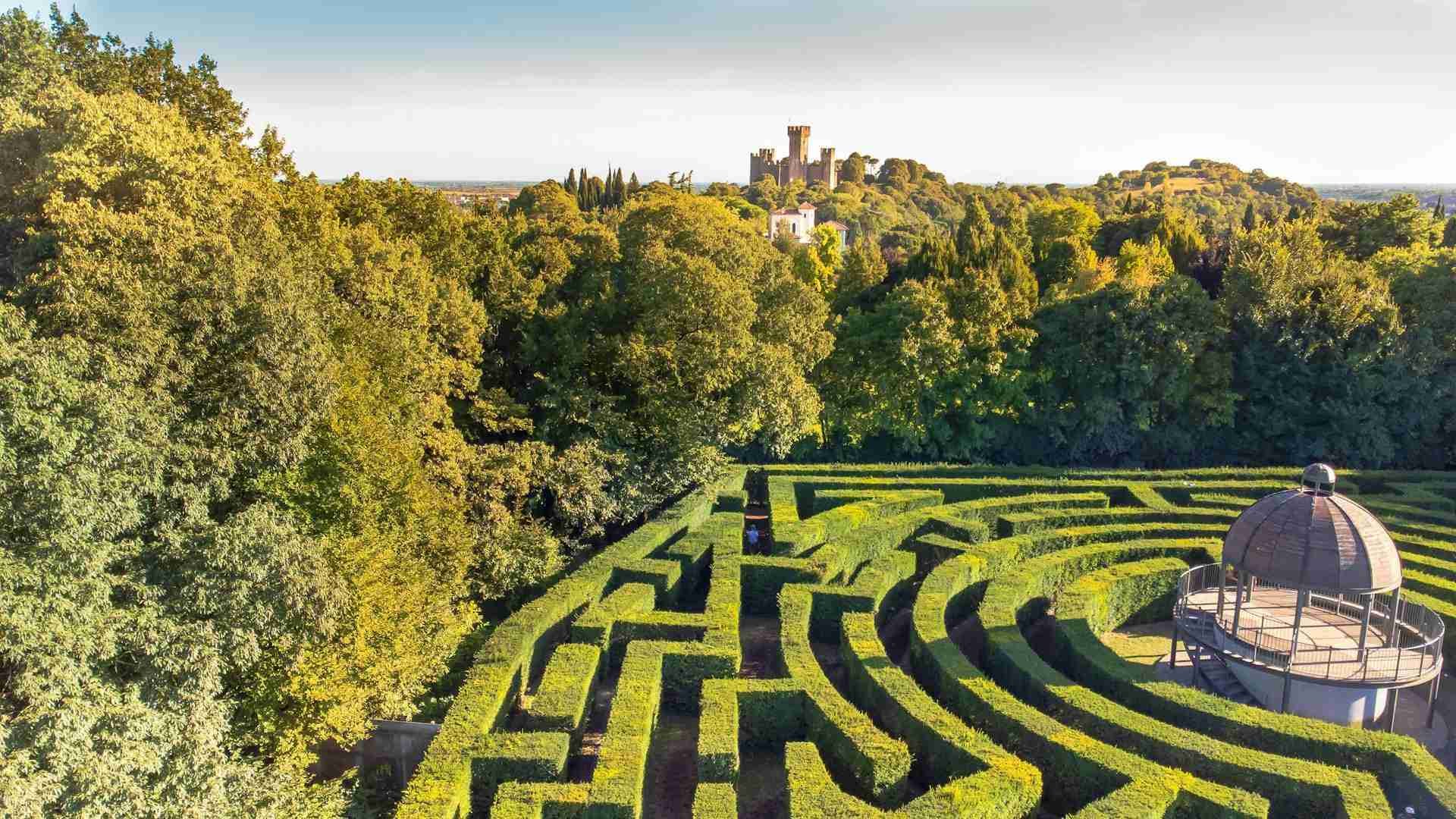
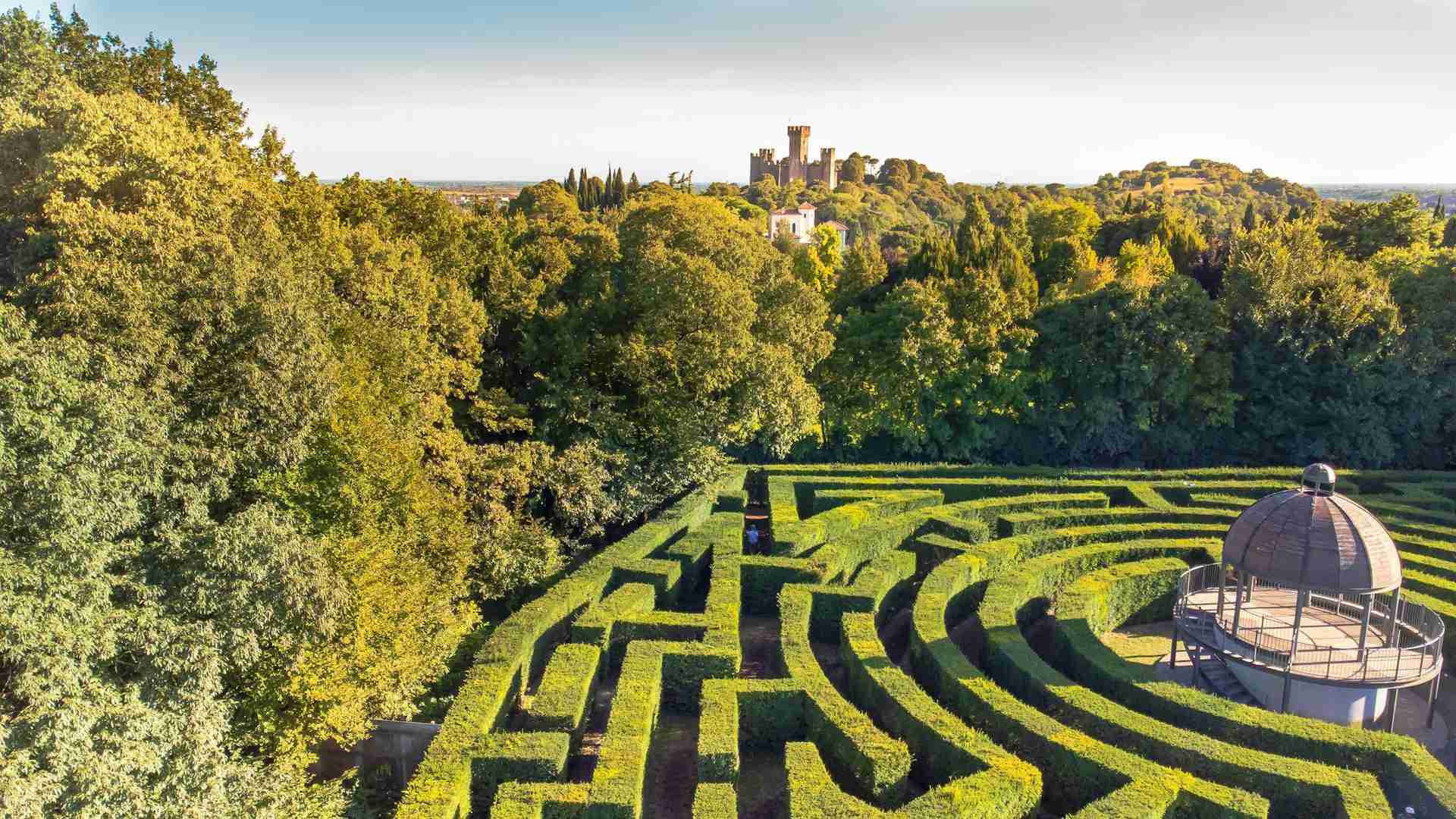
Parco Giardino Sigurtà, located near the town of Valeggio sul Mincio in northern Italy, is one of Europe's most refined and meticulously maintained gardens. Spanning over 60 hectares, the park offers an evolving palette of floral displays, manicured lawns, reflective water features, and hidden architectural details. Unlike the wilder character of alpine or coastal landscapes, Sigurtà is built on precision, color harmony, and depth created through layering of botanical forms. For photographers, it presents an opportunity to work with controlled compositions, symmetry, and natural light falling across varied textures. Whether you're capturing tulip lines in spring or long-shadowed tree rows in autumn, the park encourages slow visual exploration and reward for compositional discipline.
Best Photography Opportunities
• Tulip Bloom in the Great Lawn
Each spring, Parco Giardino Sigurtà hosts one of the largest tulip displays in southern Europe. Along the vast central lawn, rows of tulips in coordinated color groupings stretch toward the distant towers of Valeggio sul Mincio. Shooting wide from a low angle allows you to emphasize the depth of these lines while including the castle in the distance or dramatic cloud formations overhead. The light is strongest in the early morning when petals are still dew-tipped and foot traffic is minimal. A polarizer can help enhance the color separation and give more presence to the flowers against a blue sky or light cloud.
• Water Gardens and Symmetrical Reflections
The ornamental ponds and lily-covered water basins throughout the park offer structured compositions and mirror-like reflections that reward precision in framing. The formal layout of these spaces lends itself to symmetrical approaches, where bridges, plant groupings, or stone borders create a balanced frame. These areas are best photographed during windless mornings or late in the day when the water surface is still and the sunlight hits the water at a low angle. Use a tripod for perfect alignment, and a wide lens to capture both the geometry and the surrounding trees or blooms. Long exposures are useful here if you want to soften movement in fountains or isolate a still moment in a highly composed frame.
• The Avenue of Roses
Running through the heart of the garden, the Avenue of Roses is lined with flowering shrubs and classical stone structures, offering strong natural leading lines and a rhythm that suits both color and black-and-white photography. During full bloom in late spring and early summer, the richness of the roses combined with the park's structured layout allows for framing with layers of texture and controlled focus. Use a mid-range zoom or fast prime to isolate color combinations or compress the layered view. Side light during golden hour brings out subtle shadows on petals and stone, while early morning offers quiet detail with less contrast. This area also provides good opportunities for storytelling elements, especially when visitors pass through the archways or sit along the edges.
• Autumn Color in Tree-Lined Paths
In late October and early November, the park transitions into golden hues, particularly along its oak-lined and maple-shaded paths. These avenues curve and converge across the park, creating repeated perspective lines and vanishing points ideal for depth-focused compositions. Shooting from a tripod with a telephoto lens allows you to compress these tree tunnels and capture the dappled light moving across fallen leaves. Foggy mornings amplify the depth and mood of these scenes, softening the contrast and guiding the eye along the path. The autumn light in northern Italy is lower and warmer, giving texture to the trunks and enriching the leaf tones naturally without the need for heavy editing.
• Architectural Elements and Seasonal Framing
Scattered throughout Sigurtà are small towers, sculptural features, and arched structures that become focal points when framed seasonally. The stone castle-like lookout on the edge of the park, the ornamental bridges, and the statues near the water lily ponds each sit within designed sightlines that pair beautifully with seasonal blooms or tree color. These scenes benefit from longer focal lengths that compress depth and allow selective inclusion of surrounding plant life. Composing with foliage in the foreground can create a natural vignette, particularly effective in summer when greenery is dense or in spring when flowering branches lead the viewer inward. Early morning or late afternoon is best for directional light that casts long shadows and adds dimensionality to the structure.
Best Time to Visit
Parco Giardino Sigurtà is open seasonally, typically from March through early November, and its visual appeal shifts dramatically through the months. Spring is the most visually dynamic period, with the tulip bloom peaking in late March through April, followed by the rose bloom that lasts into early June. Morning sessions during these months offer the softest light and most manageable crowds, giving you full access to floral detail, clear compositions, and untrampled lawns. These conditions are ideal for both close-up work and wide scenes that require pristine foregrounds.
Summer brings strong light, bolder contrasts, and deeper greens. The water features come to life in midday sun, and longer daylight hours allow more time to work the scene, particularly in shaded areas or backlit flower beds. While the midday light is less favorable for wide garden views, it's perfect for isolating individual plants or architectural textures in full sun. Sunset light filters through tree-lined paths and softens the hard edges of the garden's design.
Autumn provides some of the most subtle and painterly scenes, particularly in late October and early November. The lower sun casts long shadows across the open lawns, and the tree lines turn gold and rust without losing definition. This is the best time to photograph contrast between structure and softness, especially in areas where sculpture or architectural elements emerge from dense planting. Weather in autumn is more variable, but light overcast skies enhance color and give the park a quiet, subdued atmosphere that suits careful, deliberate shooting.
How to Get There
Parco Giardino Sigurtà is located just outside the town of Valeggio sul Mincio, in the province of Verona, northern Italy. If driving, the most direct route is via the A4 motorway, exiting at Peschiera del Garda. From there, it's a 15-minute drive south to Valeggio, where signage clearly directs you to the park's entrance and visitor parking areas. Parking is available adjacent to the main gate and is included or discounted with ticketed entry depending on the season.
Public transportation options include regional trains to Peschiera del Garda, followed by a local bus or taxi to the park. During the park's open season, some shuttle services operate between popular towns around Lake Garda and Sigurtà, particularly during spring bloom. Once inside, the entire park is walkable, though bicycles and golf cart rentals are available for extended exploration or heavier gear. All main paths are paved and level, and most shooting locations are easily accessible on foot.
There is an entrance fee for the park, and hours vary slightly by season. Weekdays are typically quieter than weekends, and mornings provide the best conditions for both lighting and access. On peak bloom days in spring, consider arriving at opening time to have the first hour with minimal foot traffic and undisturbed floral arrangements.
Recommended Photography Gear
Because Parco Giardino Sigurtà offers such a controlled and diverse range of visual elements, a well-rounded kit will serve you best. A wide-angle lens in the 16–35mm range is useful for sweeping floral displays, architectural context, and balanced reflection shots across water features. A 24–70mm standard zoom is invaluable for framing scenes quickly as you move through the garden's changing paths and viewpoints. A telephoto lens, such as a 70–200mm, allows for compression of tree lines, isolation of distant towers, or clean background separation behind close-up blooms.
A tripod is recommended for early morning and late afternoon work, especially around the reflecting pools or during low-light weather conditions. A circular polarizer is particularly effective in the garden for managing reflection on water and enhancing foliage color. A 3- or 6-stop neutral density filter gives you more flexibility with creative exposures, such as softening fountains or introducing motion into flower-lined paths.
Fast prime lenses in the 50mm or 85mm range are ideal for shallow depth-of-field studies of individual flowers, sculpture details, or textured architectural frames. Bring a lens cloth and rain sleeve for your bag, especially in the early season when dew is common and sudden light rain can roll in without much warning. Comfortable walking shoes and a lightweight pack will let you move easily across the park's expansive grounds without fatigue.
Nearby Photography Locations
Just a few minutes from the park, this riverside village is a cluster of old stone mills, cobbled alleys, and water channels. The bridge and weirs offer great long exposure opportunities during golden hour or twilight, and the warm-toned buildings reflect beautifully in the Mincio River.
Visible from several areas of Sigurtà, this castle provides a strong architectural anchor and is best photographed from below at dusk or framed through flowering trees from within the park. Its position atop a hill allows for clean skyline compositions from nearby fields or vineyards.
A short drive north brings you to the southern tip of Lake Garda, where the lakeside town of Peschiera offers harbor scenes, pastel-colored buildings, and calm water reflections. Early morning provides excellent light for tranquil waterfront compositions and dockside details.
An hour to the north, Monte Baldo rises above Lake Garda and offers panoramic views, alpine flora, and dramatic skies. This location contrasts with the order and formality of Sigurtà, giving photographers a chance to shoot expansive natural landscapes at higher elevation.
Following the river north from Valeggio, the Mincio Nature Reserve offers marshland, canals, and birdlife, ideal for early morning mist and water-based compositions. It's particularly productive in spring and autumn when the light is soft and movement on the water is slow and reflective.
Parco Giardino Sigurtà invites photographers into a world shaped by rhythm, season, and care. Every corner of the park presents an opportunity to work with structure and flow, from wide lawn perspectives to quiet floral studies. With the right timing and a thoughtful approach, this garden becomes not just a subject but a compositional workshop in the open air.
Comments
Loading comments…