
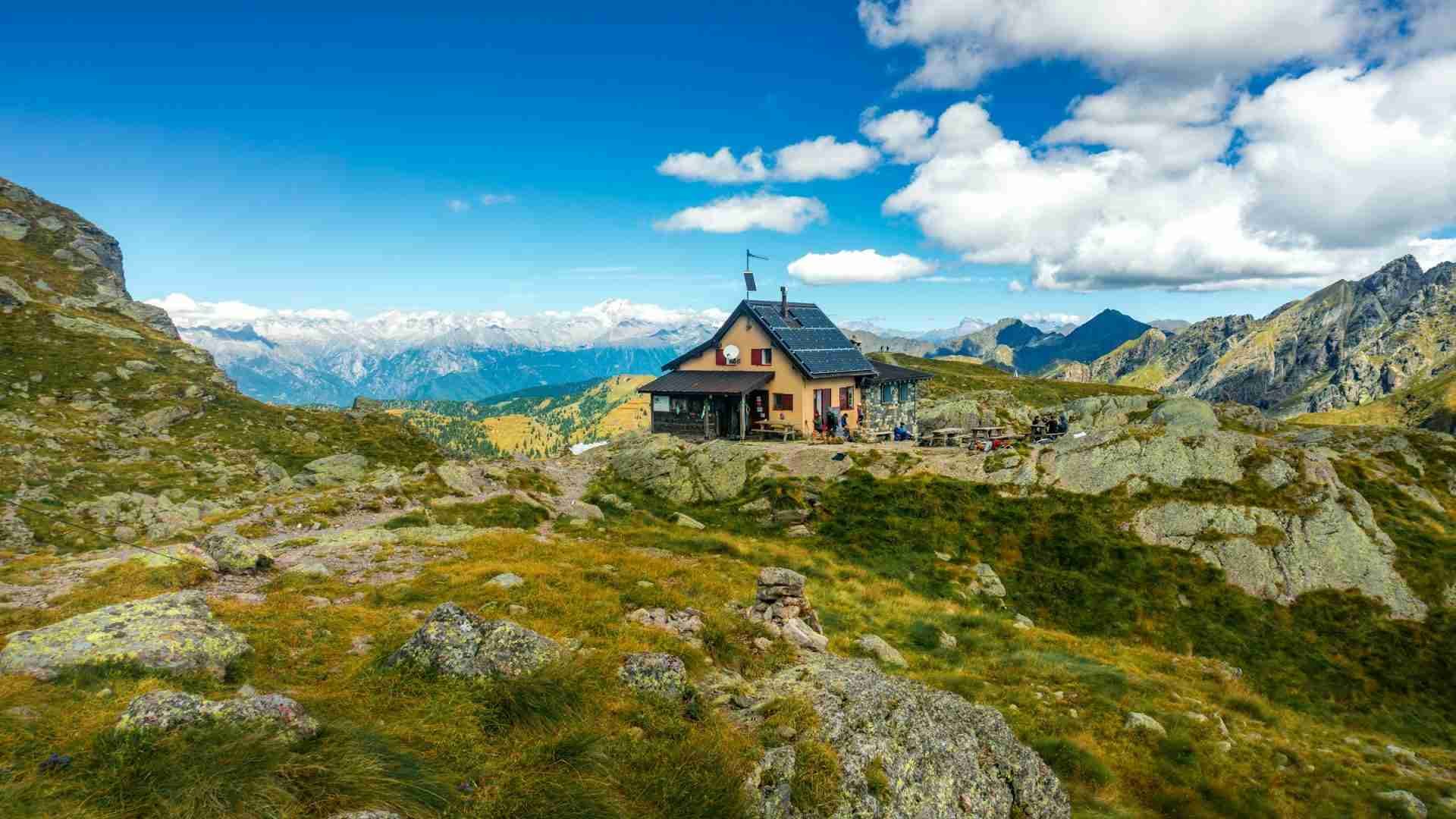
![High Alpine Solitude and Limestone Ridges Around Rifugio C. Benigni Rifugio C. Benigni sits high above Ornica in the Orobie […]](https://storage.googleapis.com/pixeo-blog.firebasestorage.app/article-images/wp-import/featured-135976.jpg)
Rifugio C. Benigni sits high above Ornica in the Orobie Alps of northern Italy, surrounded by rolling alpine meadows, sharp limestone ridges, and wide open mountain sky. At just over 2,200 metres, the hut feels remote but not extreme, perched in a natural basin below jagged peaks that catch light beautifully at sunrise and sunset. The terrain around the refuge is a mix of rocky outcrops, grassy slopes, and small alpine lakes that create strong foreground opportunities. Because the structure is relatively small and simple, it integrates naturally into the landscape rather than dominating it. This makes composition more about balance than scale. Photographers who enjoy working with light across layered ridgel ines and subtle alpine textures will find this area especially rewarding.
Best Photography Opportunities
• Sunrise –
Early morning is one of the strongest times to photograph Rifugio C. Benigni. As the sun rises behind distant ridge lines, light gradually spills across the basin, illuminating the hut and surrounding slopes in stages. This creates natural depth, with some peaks glowing while others remain in cool shadow. Positioning yourself slightly above the hut allows you to include foreground rock or grass while keeping the building clearly visible. A moderate focal length works well to compress the ridgelines slightly without losing the sense of space. The window of best light can be brief, so scouting your composition before sunrise is important.
• Reflections in the Small Alpine Lakes –
Near the refuge, small alpine tarns offer excellent reflection opportunities when wind is minimal. These pools mirror the surrounding peaks and sky, creating symmetrical compositions. Shooting from a low angle enhances reflections and strengthens foreground detail. Early morning or late evening works best, as midday wind often disturbs the surface. Even partial reflections can add visual balance to an otherwise rocky landscape. Including the hut in the background helps anchor the scene and add context.
• Drone and Elevated Perspectives –
Aerial photography reveals how Rifugio C. Benigni sits within a natural amphitheater of peaks. From above, the relationship between the hut, surrounding ridges, and alpine terrain becomes clearer. This perspective emphasizes scale and shows how isolated the refuge feels within the broader mountain system. Early morning and late afternoon provide directional light that defines terrain and reduces flatness. (Always check current drone regulations in the region before flying, as mountain areas may have restrictions.)
• Late Afternoon Light on Limestone Slopes –
As the sun lowers, side light begins to highlight texture in the limestone formations surrounding the hut. This is when subtle terrain details become more pronounced. Positioning yourself so that light grazes across the slopes creates contrast without harsh shadows. A mid range zoom is useful for adjusting composition as the light shifts. Including the hut as a small but visible element keeps the image grounded and provides a focal point.
• Milky Way and Night Photography –
Because the refuge is far from major urban centers, light pollution is minimal. On clear nights, the Milky Way can stretch above the ridgelines. Positioning the hut beneath the arc of stars creates a strong anchor in the foreground. A sturdy tripod and careful exposure planning are essential for night photography at this elevation. Calm conditions help maintain sharpness, though wind can be a factor. Night sessions here feel quiet and expansive rather than dramatic.
Best Time to Visit
The refuge is generally accessible from late spring through early autumn, depending on snow conditions. Summer provides the most reliable trail access and milder temperatures, though afternoon thunderstorms are common in the mountains. Early starts are recommended both for safety and for better light.
Autumn can offer clearer air and fewer hikers, which is ideal for photography. Snow may begin to dust higher ridges later in the season, adding contrast and texture. Winter access is significantly more challenging and typically requires proper alpine skills and equipment. The lower sun angle in spring and autumn often creates longer periods of directional light compared to midsummer.
How to Get There
Rifugio C. Benigni is accessed from the village of Ornica in Lombardy, Italy. Ornica can be reached by car via regional mountain roads from the Bergamo area. From Ornica, the refuge requires a sustained hike along marked alpine trails.
The hike involves significant elevation gain and takes several hours depending on pace and route choice. Trail conditions vary by season, and snow may linger into late spring. There is no road access directly to the refuge. Parking is available in Ornica, and there is no entrance fee for the trails themselves. Always check current trail conditions and weather forecasts before setting out.
Recommended Photography Gear
A wide lens is essential for capturing expansive ridge lines and alpine basins. A mid range zoom provides flexibility for balancing the hut with surrounding terrain. A telephoto lens is useful for isolating distant peaks during interesting light conditions.
A sturdy but lightweight tripod is important, especially if you plan to shoot sunrise, sunset, or night skies. Neutral density filters are less critical here, but a polarizer can help deepen sky tones and manage glare on alpine water. Because you will be hiking at altitude, pack efficiently and prioritize versatile gear. Extra batteries are essential in colder temperatures, and weather protection for your camera is important due to unpredictable mountain conditions.
Nearby Photography Locations
• Val d'Inferno
offers rugged alpine terrain and sweeping valley views. It provides broader landscape compositions compared to the more intimate basin around the refuge. Morning light often enhances depth along the valley slopes.
is a prominent peak that rises above the surrounding area and offers expansive summit views. From higher vantage points, you can photograph layered ridge lines stretching into the distance. Clear days provide strong visibility across the range.
is a larger alpine lake with reflective potential and mountain backdrop. It provides a different scale compared to the small tarns near Rifugio C. Benigni. Calm mornings are ideal for mirror like compositions.
• Ornica
offers traditional stone houses and mountain scenery. It provides opportunities for environmental village photography before or after the hike. Early morning light works well along its narrow streets.
• Passo Salmurano
provides elevated views across multiple alpine valleys. The open terrain allows for broad panoramic compositions. Late afternoon light often enhances the texture of surrounding slopes.
Comments
Loading comments…