

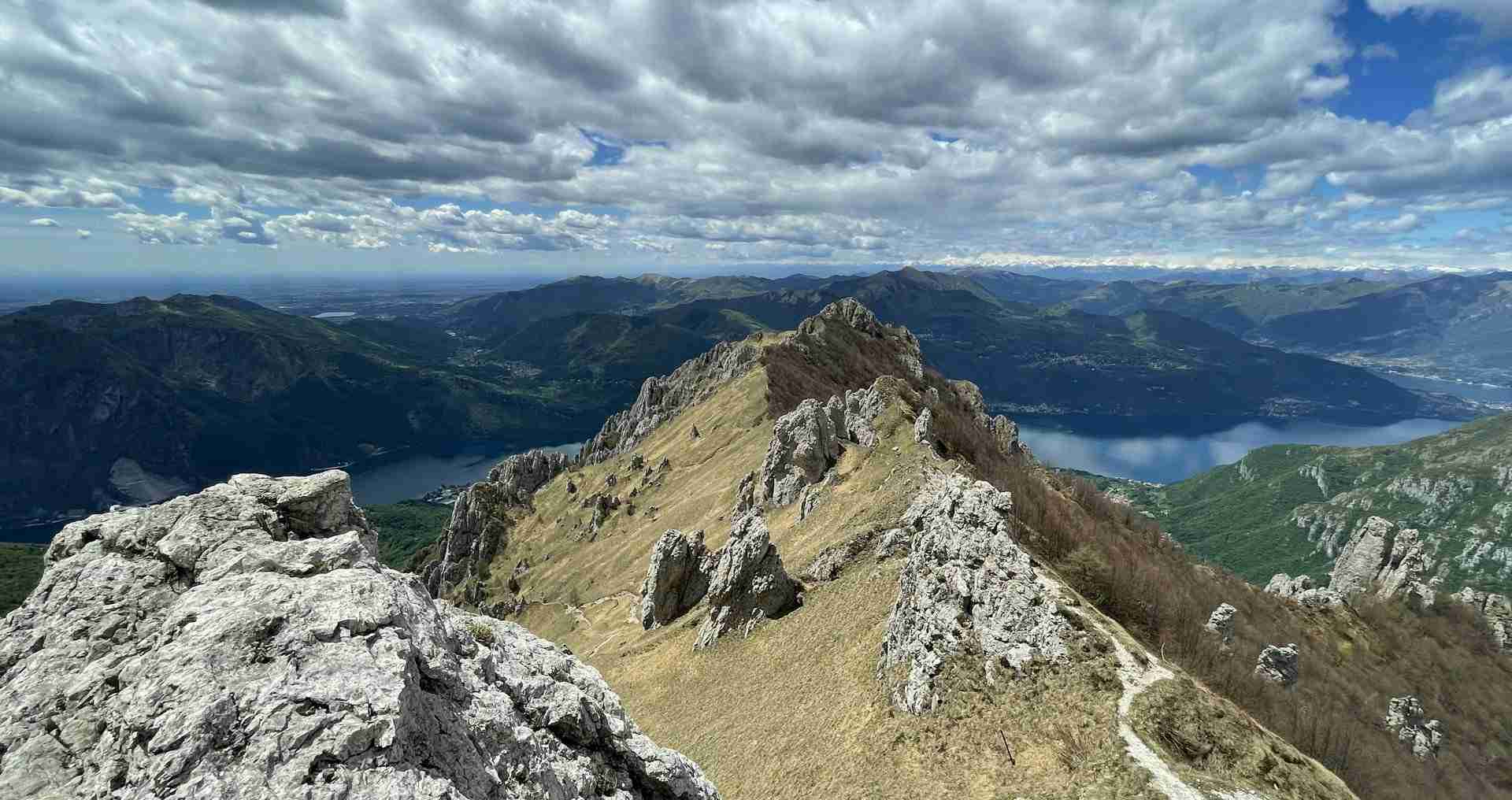
High above the eastern shores of Lake Como, the Grignetta massif—formally Grigna Meridionale—rises into a dramatic alpine skyline of jagged limestone towers and weather-worn spires. Nestled just below its higher pinnacles sits Rifugio Rosalba, a beloved mountain hut perched at over 1,700 meters and offering one of the most commanding photography viewpoints in the Lombardy prealps. The hut is a destination for hikers and climbers alike, but for photographers, it's the surrounding rock formations, light play, and expansive views over the lake and Alps that make this place truly exceptional.
The area around Rifugio Rosalba feels sculptural—cliffs and needles rise like natural cathedrals, and the light cuts through valleys and overhangs with cinematic precision, especially at golden hour. With both intimate rock detail and grand panoramic possibilities, this is a place where landscape photography becomes about contrast, scale, and atmosphere.
Best Photography Opportunities
• Panoramic View Over Lake Como and Western Alps
From the Rifugio Rosalba plateau, you can look southwest toward Lake Como and the distant plains of northern Italy. This vista is especially powerful at sunset when the light falls behind the horizon, illuminating the haze with warm tones. Use a wide-angle lens to include the foreground limestone formations, or a telephoto to compress the lake against the far-off Alps for a more abstract, graphic composition. On clear days, you may even see the outline of the Matterhorn and Monte Rosa on the horizon.
• Rock Pinnacles of the Sentiero delle Fiamme Gialle
North of the hut, the ridgeline bristles with dramatic rock spires that form the classic silhouette of Grignetta. These limestone formations are most photogenic at sunrise, when side lighting casts long shadows and reveals their texture. Use early morning backlight for silhouettes or wait for raking light to pick out the subtle layering in the stone. Mid-range lenses are ideal here to capture the geometry without flattening the terrain.
• Atmospheric Light in the Valleys Below
One of the strengths of this location is the elevation above multiple valleys. Mornings often bring fog that drifts through the lower forests while the peaks remain lit—a perfect setup for layered compositions. Shooting from above, use a telephoto to compress ridgelines or capture beams of light breaking through the mist. This is especially effective in autumn when the temperature shift between day and night is more dramatic, enhancing inversion conditions.
• Close-Up Limestone Textures and Alpine Flora
The ground around the hut is rich with detail—sharp rock, pockets of alpine wildflowers, and weathered pathways carved into the ridge. These are ideal for foregrounds in wide compositions or as standalone macro studies. After a rain, the stone darkens and shows fine cracks and veins that respond well to side lighting. Use low angles and shallow depth of field for intimate storytelling shots that ground the broader landscape.
• Dramatic Clouds and Changing Weather
Because of its altitude and exposure, Grignetta is often on the edge of changing weather. Afternoon cumulus clouds or approaching fronts offer dynamic sky drama that contrasts beautifully with the pale rock formations. Long exposures can be used to blur cloud movement over the peaks, or you can frame fast-moving shadows racing across the ridge. The best images here often come not during perfect weather, but as storms build or disperse.
Best Time to Visit
The Rifugio Rosalba Viewpoint is at its photographic best in the late spring through early autumn months, when the hut is open and the trails are reliably clear. June and September offer ideal conditions—long light, minimal crowds, and frequent atmospheric variety. Summer brings stable light and open access, but midday sun is harsh; the best hours for photography are sunrise, golden hour, and early twilight.
For mist and atmospheric layering, early mornings after cool nights are most productive. Autumn increases the likelihood of fog and adds warm tones to the valleys below. Winter access is possible for experienced mountaineers, but snow and ice make the trail hazardous and photography logistically challenging unless on a guided alpine tour.
Because the sun rises and sets along angles that graze the ridge rather than directly behind it, both sunrise and sunset offer excellent side light. Sunset is particularly rewarding, casting the entire western slope and Lake Como in golden hues while the rock formations catch last light in fiery orange.
How to Get There
The Rifugio Rosalba can be reached via multiple trails from Piani Resinelli above Mandello del Lario. The most common approach is via the Sentiero delle Foppe, which starts at the Piani Resinelli parking area and climbs steadily through forest and then over rocky switchbacks to the hut. The hike takes about 1.5 to 2 hours depending on conditions and fitness level. It is a moderately strenuous route with sections of exposed rock, so good hiking boots and surefootedness are essential.
For those arriving from Milan, drive or take the train to Lecco, then continue by bus or car to Mandello del Lario and up the winding road to Piani Resinelli. Parking is available at multiple trailheads.
The trail is well-marked but steep, with some scrambling required near the top. Sunrise shoots typically require an overnight stay at the hut or a very early start by headlamp. Check seasonal hut availability in advance if planning to sleep overnight or eat at the rifugio.
Recommended Gear and Shooting Tips
A 16–35mm wide-angle lens is essential for capturing the full drama of the rock formations and distant valleys. A 24–70mm zoom offers flexibility on the trail and at the hut, especially when framing mid-ground peaks or working in tighter ridgeline compositions. A 70–200mm telephoto is invaluable for isolating peaks, working through haze, or compressing distant landscapes against dramatic skies.
A sturdy but lightweight tripod is highly recommended for golden hour and long exposure shots, especially if you're shooting wind-blown cloud movement or twilight scenes. A circular polarizer will help cut haze and deepen sky tones on clearer days, while ND filters (3- or 6-stop) are useful for managing exposure length in high-contrast conditions.
Because of the altitude and unpredictable weather, pack layered clothing, rain protection for your gear, and extra batteries—cold mornings can drain power quickly. For pre-dawn ascents, a headlamp is essential, and always give yourself time to scout compositions before the light peaks.
Focus on storytelling: wide scenes with foreground elements such as trail signs, wildflowers, or hikers can add human scale and narrative to your images. Don't be afraid to shoot in changing light or just after storms—the most compelling images often come from these transitional moments.
Nearby Photography Locations
A short but technical climb beyond the rifugio takes you to the summit of Grignetta, offering unmatched panoramic views across the Alps and deeper into the Lombardy lakes region. Best approached by experienced hikers during calm weather for sunrise or late-day light.
Back near the trailhead, these elevated plateaus offer gentler walks with broad views over Lecco and Lake Como. Excellent for sunset silhouettes and layered shots of the prealpine foothills.
A quieter alternative with grassy slopes and scenic overlooks facing west. Great for golden hour and early evening photography, especially when clouds settle over the lake.
Located on the northern sister peak of Grignetta, this hut offers alpine views and sunrise above the clouds. It's a more remote and challenging hike but ideal for those working on a multi-day photography itinerary.
Down below, the lakeside town offers peaceful early morning reflections, stone harbors, and pastel buildings. A good base location to contrast the ruggedness of the peaks with gentle waterfront scenes.
The Rifugio Rosalba Viewpoint is not just a stop on a ridge—it's a balcony in the sky where stone, sky, and weather meet in silence. For photographers drawn to alpine light, layered terrain, and the changing moods of high places, this is one of Lombardy's most rewarding mountain perspectives.
Comments
Loading comments…