
South of Agrigento along Sicily's rugged southern coastline lies Riserva Naturale di Punta Bianca, a coastal reserve known for its sculpted white limestone, Mediterranean scrub, and uninterrupted views across the sea. Unlike more manicured nature parks, Punta Bianca is raw and largely undeveloped, making it a rewarding destination for photographers seeking texture, isolation, and elemental form. The reserve blends land and sea with unusual geological shapes, abandoned buildings, and wind-swept terrain, offering varied compositions that shift with the time of day and weather. What defines Punta Bianca visually is not grandeur but contrast: soft curves of pale rock against deep blue water, collapsing structures next to salt-stained cliffs, and untamed vegetation growing in silence along the edge of erosion.
Best Photography Opportunities
Limestone Formations at Sunrise
The signature white limestone outcrop that gives Punta Bianca its name is best photographed during sunrise when low light skims across its smooth, undulating surface. The soft, warm tones cast by the early sun contrast beautifully with the pale stone and help define subtle curves and fissures. A wide-angle lens allows for close compositions that exaggerate the shape of the rock, especially when paired with sea or sky in the background. Look for low tide to expand the reflective area around the rocks and add layers of light and shadow.
Abandoned Military Outpost Framing the Sea
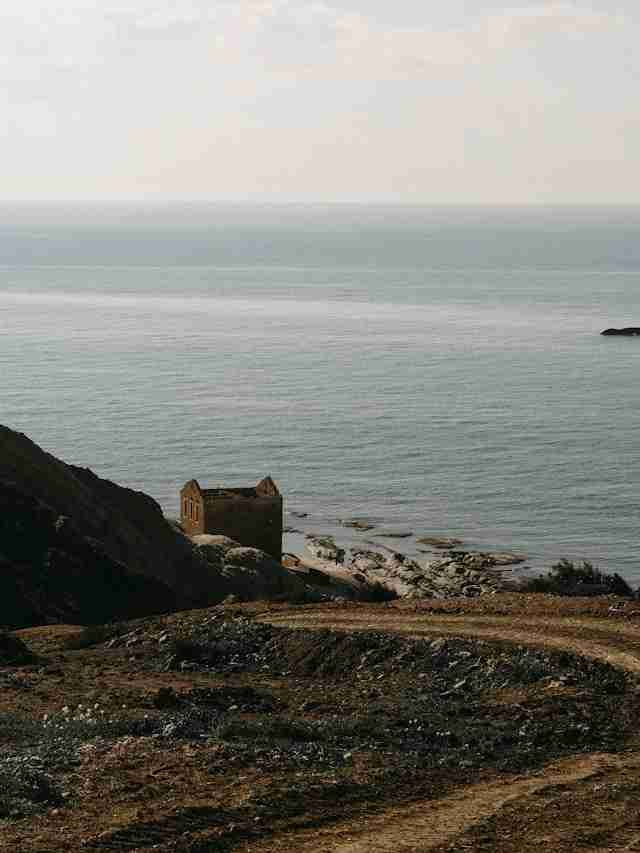
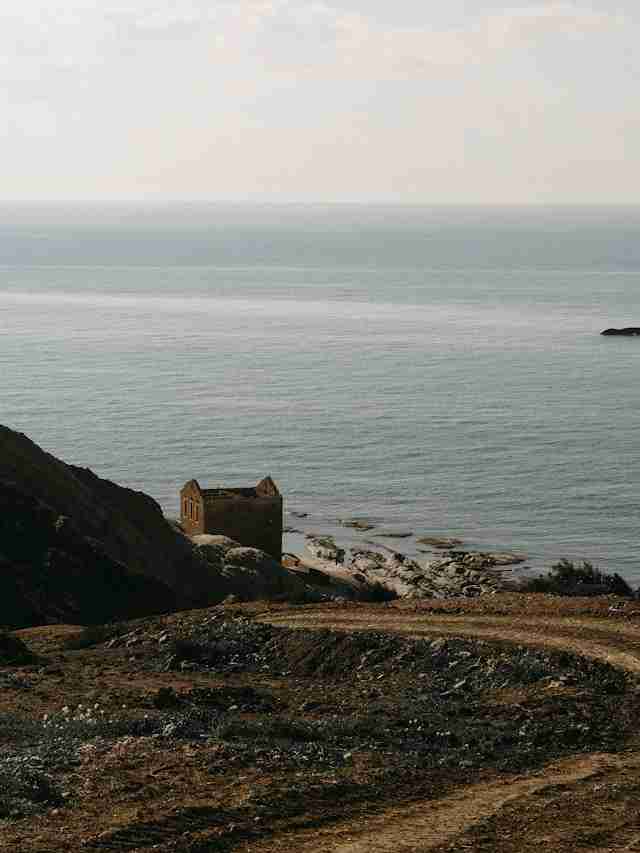
Near the center of the reserve sits an old, decaying military building that now stands as a skeletal frame against the coastal light. The broken windows, cracked walls, and salt-bleached surfaces offer excellent opportunities for architectural detail shots and wide compositions that incorporate both ruin and horizon. In late afternoon, the interior shadows deepen while the walls catch warm tones from the setting sun. The contrast between the structure's decaying geometry and the organic lines of the land makes it a compelling subject for black and white work or layered compositions.
Minimalist Compositions with Sea and Sky
Punta Bianca's lack of development means wide, uncluttered views are abundant. These conditions are perfect for minimalist photography that focuses on the meeting of water, stone, and sky. Long exposures using a neutral density filter help flatten the sea and blur movement in the clouds, turning the limestone into a sculptural form within an abstract landscape. Overcast days soften contrast and allow for quiet tonal studies in muted blues and whites. Compose from a low angle to remove visual distractions and let the textures of stone and horizon carry the frame.
Close Studies of Texture and Contrast
The reserve's limestone is etched with years of salt, wind, and water, creating surfaces that range from polished to crumbling. Close-up photography here is just as rewarding as broad vistas. Look for details like salt crystals, tide marks, or dry plant forms against the pale rock. A macro or short telephoto lens will help isolate these features and create tight compositions with graphic impact. Side light in early morning or late afternoon enhances texture and casts soft shadows that shape the surface without overwhelming detail.
Storm Clouds over the Southern Coastline
When storms approach from the Mediterranean, the flat openness of Punta Bianca allows you to photograph dramatic weather systems with full context. The low vegetation and open water provide no obstruction, making it ideal for wide landscape work with heavy skies. These moments are short but powerful, as light breaks through shifting clouds and casts fleeting contrast across the cliffs. Use a tripod and graduated ND filter to balance exposure between sky and land, and consider shooting in a panoramic format to capture the full sweep of the coastline.
Best Time to Visit
The most favorable light at Punta Bianca occurs in the early morning and late afternoon when the low sun reveals texture in the rock and softens the contrast between land and sky. Sunrise tends to offer calmer conditions and warmer light across the limestone, while golden hour before sunset brings out earthier tones in both the cliffs and surrounding terrain. Summer days can be overly harsh, with strong midday sun washing out detail and creating deep, unattractive shadows. Spring and autumn are ideal for photography due to softer light, lower temperatures, and clearer skies after rain.
In winter, the reserve takes on a quieter, more weathered character. The limestone reflects cool light, and the sea often appears darker and more textured. These months are well suited for black and white or minimalist work. Mornings often bring sea mist or low clouds, which enhance mood and add depth to wide compositions. Avoid visiting during strong wind events, as the unprotected coast can make tripod use difficult and walking conditions unpredictable.
How to Get There
Riserva Naturale di Punta Bianca is located southeast of Agrigento, Sicily, and is best accessed by car. From Agrigento, take the SP71 road toward Montaperto, then follow signs toward Zingarello and continue on to Contrada Punta Bianca. The road narrows significantly and becomes rough in the final stretch, so a high-clearance vehicle is helpful, especially after rain. There is no formal parking lot, but several flat areas near the entrance to the reserve serve as informal parking spots.
From the parking area, the walk to the coast takes roughly ten to fifteen minutes over rocky and uneven ground. Sturdy shoes are essential. The reserve is undeveloped, with no facilities or marked trails, so visitors should bring water, food, and any supplies needed for several hours. There are no fees or restrictions on photography, and access is open year-round, though certain areas may become inaccessible in wet conditions due to mud or erosion.
Recommended Photography Gear
A wide-angle lens is the most versatile tool at Punta Bianca, allowing you to emphasize the sweeping limestone formations, sea, and sky. A standard zoom in the 24 to 70 millimeter range offers flexibility for both landscape and detail work, while a short telephoto lens can help isolate structures or weather elements against the horizon. For long exposures, a six- or ten-stop neutral density filter is essential to manage exposure times and create softness in the sea or sky.
A circular polarizer can enhance contrast between water and rock and reduce glare, especially on bright days. A sturdy tripod is necessary for longer exposures and low-light conditions, particularly during blue hour or under cloudy skies. A lens cloth is useful for dealing with sea spray, and weather protection for both gear and clothing is recommended due to the exposed location. Consider bringing a macro lens or extension tubes if you plan to focus on texture or small foreground elements.
Nearby Photography Locations
Just a short drive west along the coast, Scala dei Turchi is one of Sicily's most photographed limestone cliffs. Its smooth, terraced white surface drops into turquoise water, offering strong visual contrast and sculptural form. Early morning or sunset is best to avoid crowds and capture side light that defines the formations.
This archaeological site near Agrigento features remarkably preserved Greek temples set along a ridge overlooking the sea. The combination of classical architecture, olive groves, and changing light makes it a versatile subject. Visit in the late afternoon to catch warm light on the stone columns and long shadows across the ground.
To the east, Torre Salsa offers dunes, cliffs, and untouched coastline within a protected area managed by WWF. Its mix of ecosystems makes it ideal for wide landscapes and nature photography. The reserve's remoteness ensures minimal human impact, especially at sunrise and sunset.
Closer to Agrigento, this beach offers a quiet, curving shoreline backed by cliffs and scrub. It is a peaceful location for shooting early morning reflections or long exposures with water movement. Use a telephoto lens to isolate details along the coast and catch color variation in the shallow sea.
This inland elevation just north of Punta Bianca offers expansive views across the valley and sea. On clear days, the visibility stretches across much of southern Sicily's coastline. It is a good location for sunrise, especially when early light floods the landscape below.
Punta Bianca is a place of contrast and quiet power. It invites slower photography, the kind that studies the edge between land and sea, and rewards those who work with light, texture, and form more than spectacle. The reserve's rawness makes it feel unfiltered, which is exactly what gives it lasting photographic potential.
Comments
Loading comments…