
![Across the High Meadows of Rodenecker Alm High above the Eisack Valley in South Tyrol lies the Rodenecker Alm, one […]](https://storage.googleapis.com/pixeo-blog.firebasestorage.app/article-images/wp-import/featured-134015.jpg)
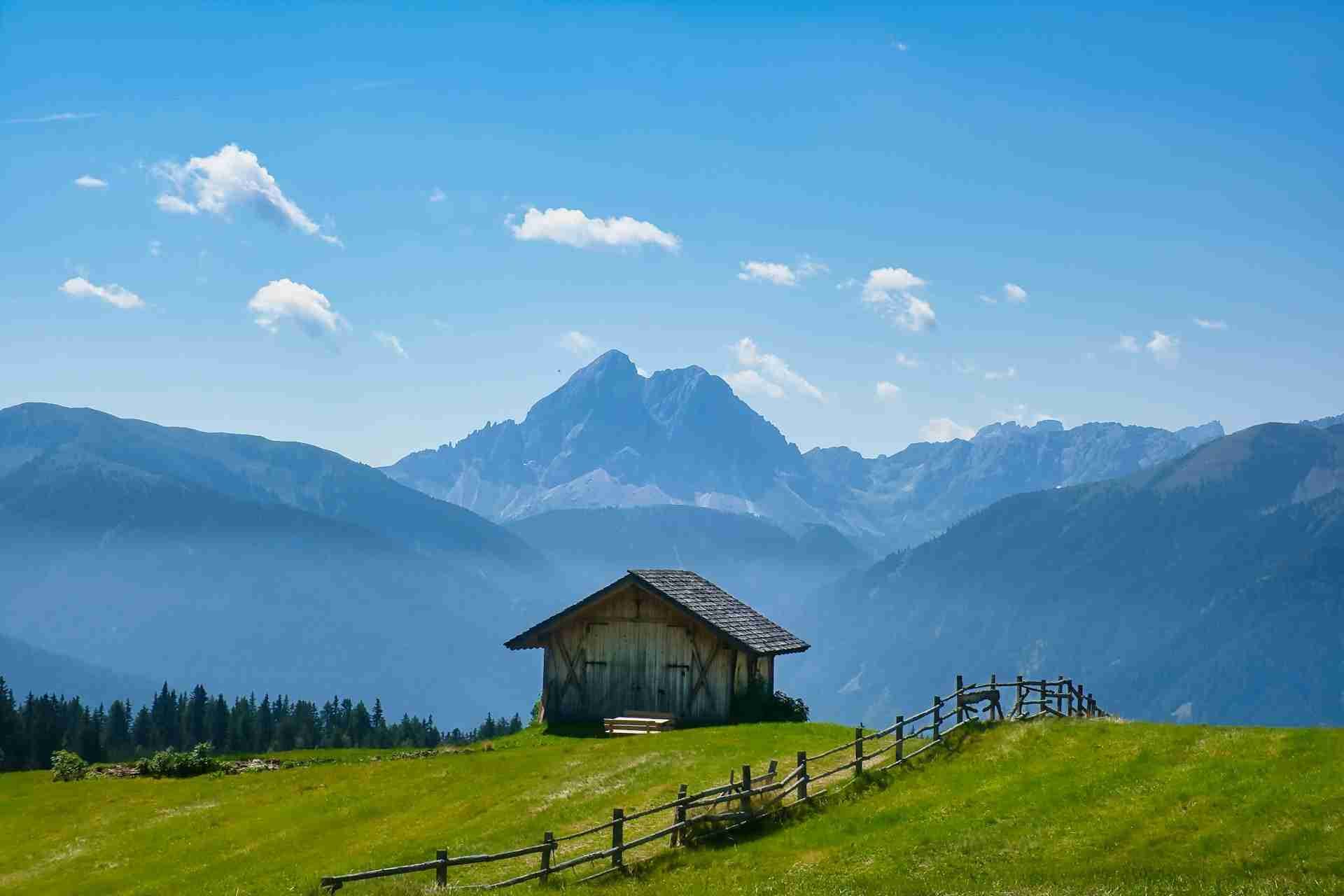
High above the Eisack Valley in South Tyrol lies the Rodenecker Alm, one of Europe's largest alpine pastures. At over 2,000 metres in elevation, this broad plateau stretches out in rolling meadows dotted with traditional wooden huts, all framed by distant Dolomite peaks. Unlike the jagged drama of the central Dolomites, Rodenecker Alm has a gentler character, with wide skies, sweeping fields, and trails that invite slow exploration. For photographers, the Alm offers a rare balance: expansive landscapes where you can work with light and scale, and small, intimate details of alpine life that appear at every turn. Its personality shifts completely with the seasons, from wildflowers and cattle in summer to golden larch forests in autumn, silent snowfields in winter, and rushing streams in spring. Rodenecker Alm rewards both patience and variety, giving you space to photograph big horizons as well as quiet moments of solitude.
Best Photography Opportunities
• Wide Meadow Landscapes
The plateau itself is the star subject. Wide lenses emphasize the scale of the meadows and create compositions where the land flows seamlessly into the horizon. In early morning or evening, long shadows fall across the grass, adding depth and texture. Summer brings carpets of flowers, while winter transforms the same fields into expanses of white that glow with pink alpenglow. The openness of the landscape means you can work with vast skies, dramatic cloudscapes, or minimalist fog.
• Traditional Alpine Huts
Scattered huts add human scale to the wide land. Their weathered wood contrasts with the surrounding meadows, making them perfect anchors for compositions. Shooting them against the rising or setting sun creates timeless silhouettes, while isolating a single hut with a telephoto lens captures the sense of solitude. In winter, huts appear almost sculptural against the snow, while in autumn they sit framed by golden larch forests.
• Views Toward the Dolomites
Although the Alm itself is a rolling plateau, the southern horizon opens toward the dramatic spires of the Dolomites, including Peitlerkofel. Telephoto work is especially rewarding here, compressing meadows and peaks into layered compositions. Clear mornings reveal the Dolomites glowing in warm light, while stormy conditions often create fleeting shafts of sunlight breaking through cloud. These distant peaks make Rodenecker Alm feel connected to the heart of the Dolomites while maintaining its own quiet personality.
• Flora and Wildflowers in Summer
From June to August, the Alm bursts with colour as alpine flowers cover the meadows. Shooting from a low perspective with a wide-angle lens places blossoms in the foreground with ridges beyond. Macro work reveals the delicate details of alpine orchids, gentians, and butterflies moving among them. These flowers shift throughout the season, so returning at different times provides new palettes and subjects.
• Autumn Larch Forests
At the edges of the Alm, larch forests turn gold in October. The contrast between open pasture and glowing trees makes this one of the most photogenic times of year. Fog rising from the valleys below adds atmosphere, and the low autumn sun intensifies colour saturation. Wide shots convey the sweep of the landscape, while tighter frames highlight the brilliance of individual trees glowing against shadowed slopes.
• Winter Silence
When snow blankets the plateau, Rodenecker Alm becomes a world of quiet minimalism. Footprints or ski tracks lead into distance, while huts stand as dark forms in a sea of white. The low winter sun casts long blue shadows across the snow, and sunsets paint the surface in pink and orange hues. These conditions invite simplicity, with compositions built around space and light rather than detail.
• Night Photography
With its high elevation and open horizons, the Alm offers clear skies ideal for astrophotography. In summer, the Milky Way stretches across the meadow, while in winter, snow reflects starlight for luminous night scenes. Alpine huts serve as foreground subjects, and long exposures of drifting clouds add motion to the stillness. Planning around moon phases helps balance between star-filled skies and softly lit snowfields.
Best Time to Visit
Rodenecker Alm is rewarding throughout the year, but its character changes with each season. Summer is perfect for lush meadows, wildflowers, and long days of golden light. Autumn is arguably the most photogenic, with crisp air, golden larches, and clear views. Winter offers minimalist beauty, silence, and alpenglow across snow. Spring combines melting snow, early flowers, and streams rushing through the meadows.
Morning and evening are the most productive times of day, with low light stretching shadows across the plateau and warm tones hitting the Dolomite peaks. Midday can feel flat, but cloud patterns often add drama, and storms create some of the most memorable conditions. For night photographers, both summer and winter skies are spectacular, though winter requires preparation for the cold.
How to Get There
Rodenecker Alm sits above the village of Rodeneck in South Tyrol. The most common starting point is the Zumis car park, which is accessible by road and provides direct entry to the Alm. Trails radiate out from here, most of them gentle enough for easy walking. Public buses connect the area to nearby towns like Brixen, though services change with the season. In summer, the Alm is a popular hiking destination, while in winter it becomes a hub for snowshoeing and cross-country skiing. Parking is available but limited in peak season, so early arrival is wise. Access is free apart from potential road or facility charges, and the network of marked trails allows you to explore for a short walk or an entire day.
Recommended Photography Gear
A wide-angle lens is essential for capturing the full sweep of the plateau. A mid-range zoom, such as a 24 to 70 millimetre lens, is versatile for huts, cattle, and meadow compositions. A telephoto lens is valuable for compressing distant Dolomite peaks and for isolating light on ridges. A tripod is needed for sunrise, sunset, and night sky photography, while a polariser helps cut glare and enrich colour saturation. Neutral density filters are useful for long exposures of moving clouds. In summer, macro gear captures flowers and insects, while in winter, snow protection for gear and spare batteries are critical. Strong footwear and layered clothing are just as important as camera equipment, as alpine weather can shift rapidly.
Nearby Photography Locations
The historic town of Brixen offers narrow alleys, a cathedral square, and mountain views. Evening light on the rooftops and reflections in the river add variety to a trip focused on natural landscapes.
This jagged peak rises dramatically from the landscape and is especially striking at sunrise and sunset. Trails around its base provide close-up compositions that contrast with the broad meadows of Rodenecker Alm.
One of South Tyrol's most photographed valleys, Villnöss is known for its alpine churches framed against the Odle peaks. The combination of meadows, structures, and spires creates classic Dolomite images.
Larger and more famous than Rodenecker Alm, Seiser Alm is another broad plateau with iconic views of Sassolungo and Sciliar. Its huts, pastures, and wildflowers make it a complementary destination.
Though further away, Lake Braies is one of South Tyrol's most celebrated lakes. Its turquoise waters, boat house, and steep cliffs provide compositions that contrast with the openness of Rodenecker Alm.
Rodenecker Alm is a landscape of openness and subtle beauty, where the eye moves easily from the curve of a meadow to the silhouette of peaks on the horizon. Its seasonal transformations give photographers reasons to return again and again, while its ease of access makes it practical for both quick visits and long explorations. For those who enjoy the balance between vast scale and quiet detail, the high meadows of Rodenecker Alm are among the most rewarding photographic landscapes in South Tyrol.
Comments
Loading comments…