
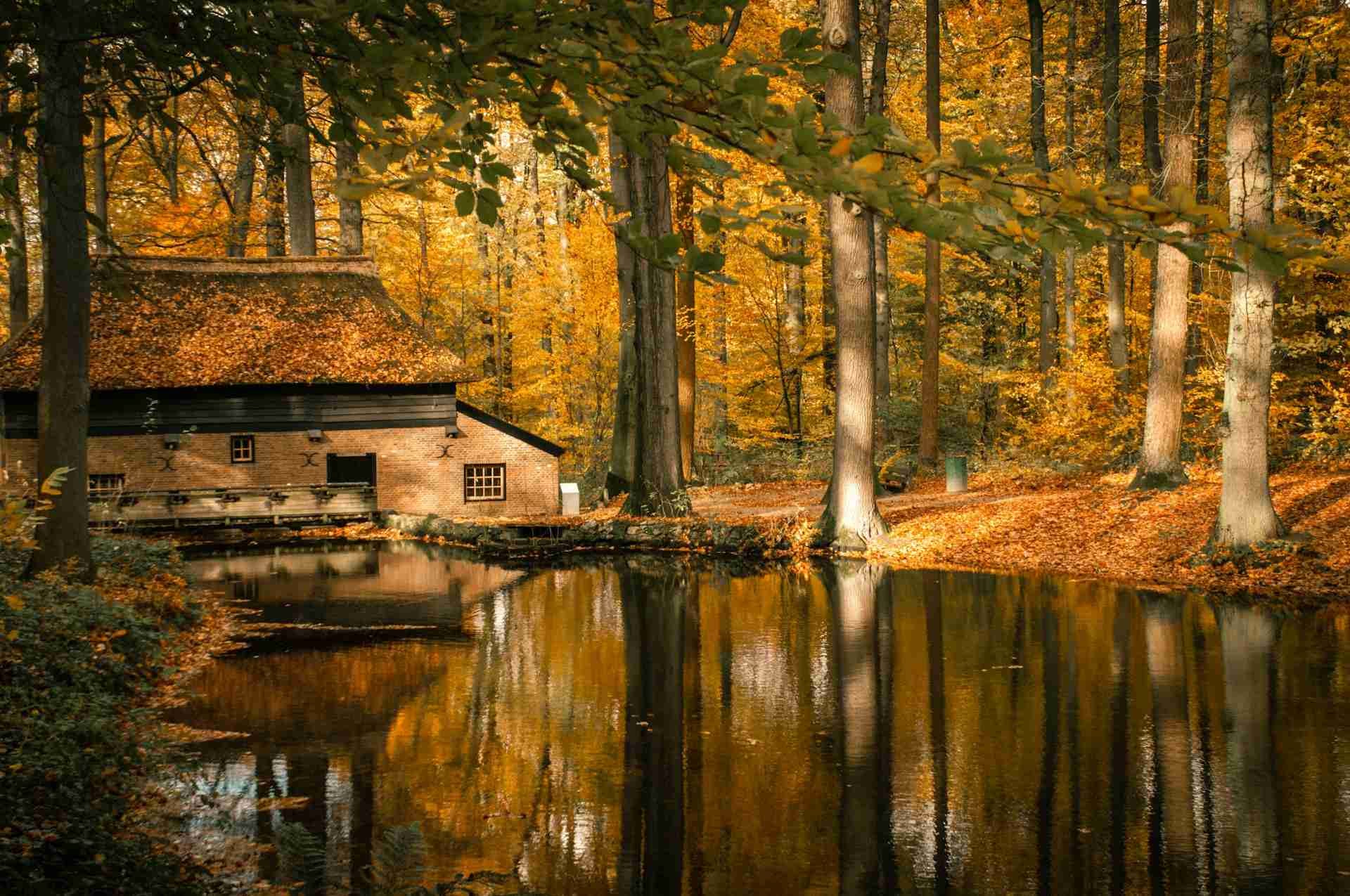
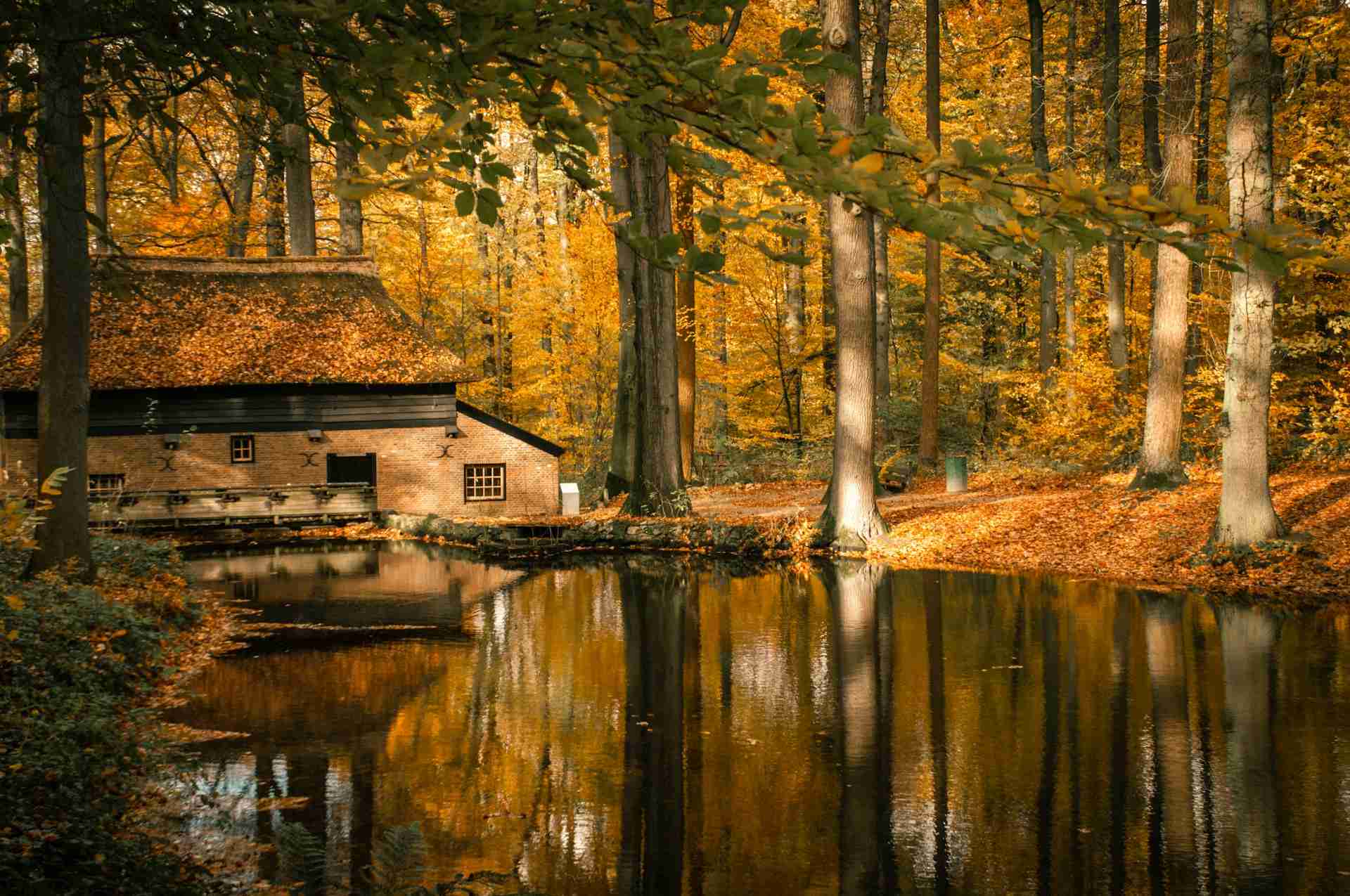
Nederlands Openluchtmuseum is not a single landmark but an expansive open air landscape dedicated to the architectural and social history of the Netherlands. Located just outside Arnhem, the museum gathers authentic historic buildings from across the country and reconstructs them within carefully designed environments. That means you are not photographing replicas. You are working with original farmhouses, windmills, workshops, worker housing, and civic structures that have been dismantled, relocated, and rebuilt with attention to regional detail.
What makes this location especially rewarding for photographers is its variety. The grounds are large, wooded in parts, open in others, and laid out in a way that avoids a theme park feel. You can move from rural scenes to village streets within minutes. The architecture ranges from timber framed farmsteads to brick industrial buildings, each placed within landscaping that supports its historical context. This gives you opportunities to work with texture, layering, light direction, and environmental storytelling rather than simply isolating a building against blank sky.
Best Photography Opportunities
• Rural Farmsteads
The traditional farmhouses are among the strongest visual anchors in the museum. Thick thatched roofs, exposed timber framing, and hand laid brick walls create rich texture that responds beautifully to angled light. Instead of standing squarely in front of the building, shift slightly to one side to create depth in the roof line and door openings. Including fencing, vegetable gardens, or open pasture in the foreground helps ground the structure in its intended environment. Early light enhances the texture of thatch and wood without creating harsh shadow. These compositions feel most convincing when you allow breathing room around the structure rather than filling the entire frame.
• Windmills
Several windmills stand in open areas where you have full freedom to circle the structure. The contrast between the vertical mill and the flat Dutch landscape creates a strong compositional foundation. Blade position matters significantly. Waiting for balanced spacing between blades makes a visible difference in overall harmony. A moderate focal length keeps proportions natural while still allowing sky to play a supporting role. These scenes are particularly effective when clouds add subtle movement but do not dominate the frame.
• Reconstructed Village Streets
The village reconstructions offer depth and repetition through brick buildings, narrow streets, and period signage. Shooting slightly down the length of a street rather than directly facing a building creates perspective and layered visual interest. Patience is important if you want to minimize modern clothing or crowd interference. Even light works well here, as it preserves detail in brickwork and painted surfaces. These compositions feel strongest when you emphasize alignment and rhythm in windows and roof lines.
• Interior Rooms
Many buildings are accessible inside, and this is where the museum becomes especially rewarding. Natural window light filters through small panes and falls across wooden floors, furniture, and tools. Exposure control is critical to preserve highlight detail near windows while retaining texture in darker corners. A tripod can be helpful where permitted, especially in dim interiors. These scenes provide narrative depth and contrast with the brighter exterior shots.
• Seasonal Landscapes
Because the museum is set within parkland, the surrounding landscape shifts dramatically through the seasons. Spring brings fresh green framing around timber structures. Autumn introduces warmer tones that contrast beautifully with brick and wood. Positioning buildings within trees or open fields strengthens the sense of place. Overcast days can enhance color saturation and reduce contrast, making them surprisingly effective for architectural work. This is a location where environment should be treated as part of the subject, not as background.
Best Time to Visit
Morning and late afternoon provide the most favorable light across the museum grounds. Early in the day, visitor numbers are lower, giving you more control over composition and cleaner frames in village areas. Angled morning light enhances texture in brick, timber, and thatch without flattening detail. Late afternoon introduces warmer tones that enrich materials and create depth in shadowed recesses.
Midday light can feel flat in open field sections, particularly under clear skies. However, it can still work for evenly lit street scenes or interior photography where window light is the primary source. Overcast conditions are often ideal for preserving architectural detail and maintaining consistent exposure across façades and roofs. Spring and early autumn typically offer the best combination of comfortable conditions, balanced light, and manageable crowds. Summer brings longer daylight hours but higher visitor traffic.
How to Get There
The Nederlands Openluchtmuseum is located on the northern edge of Arnhem and is easily accessible by both car and public transport. Local buses connect Arnhem Central Station directly to the museum entrance. On site parking is available for visitors arriving by car.
As a managed museum, entry requires an admission ticket. Opening hours vary seasonally, and some sections may operate on reduced schedules in winter months. Once inside, the grounds are extensive and connected by well maintained walking paths. Plan for a full day if you intend to explore multiple architectural zones.
Recommended Photography Gear
A versatile standard zoom lens is ideal for moving between wide environmental compositions and tighter architectural studies. A short telephoto lens is useful for compressing street scenes or isolating windmill details. A tripod can be helpful for interior photography and late afternoon sessions, subject to museum policies.
A polarizer can reduce reflections on windows and deepen sky tones in brighter conditions. Because the site is expansive, carrying a streamlined kit will make it easier to move efficiently between distant sections. Weather in the Netherlands can shift quickly, so basic protection for gear is advisable.
Nearby Photography Locations
This large national park offers heathland, forest, and open sand drifts that contrast strongly with the museum's architectural focus. It is particularly compelling in late summer when heather blooms across the landscape.
Located within Hoge Veluwe, this museum combines modern architecture with outdoor sculpture gardens. It provides clean lines and contemporary forms to complement historic subjects.
• Arnhem
The city itself offers riverside views, modern bridges, and historic streets. It expands opportunities beyond the curated museum environment.
• John Frost Bridge
Spanning the Rhine, this bridge offers strong structural lines and historical context. It is especially effective in early morning light.
Rolling heathland and wooded hills provide natural landscape subjects within a short drive of Arnhem.
Comments
Loading comments…