
![Composing Stillness at Twickel Castle Tucked into the eastern Netherlands near the town of Delden, Twickel Castle is a masterclass […]](https://storage.googleapis.com/pixeo-blog.firebasestorage.app/article-images/wp-import/featured-134126.jpg)
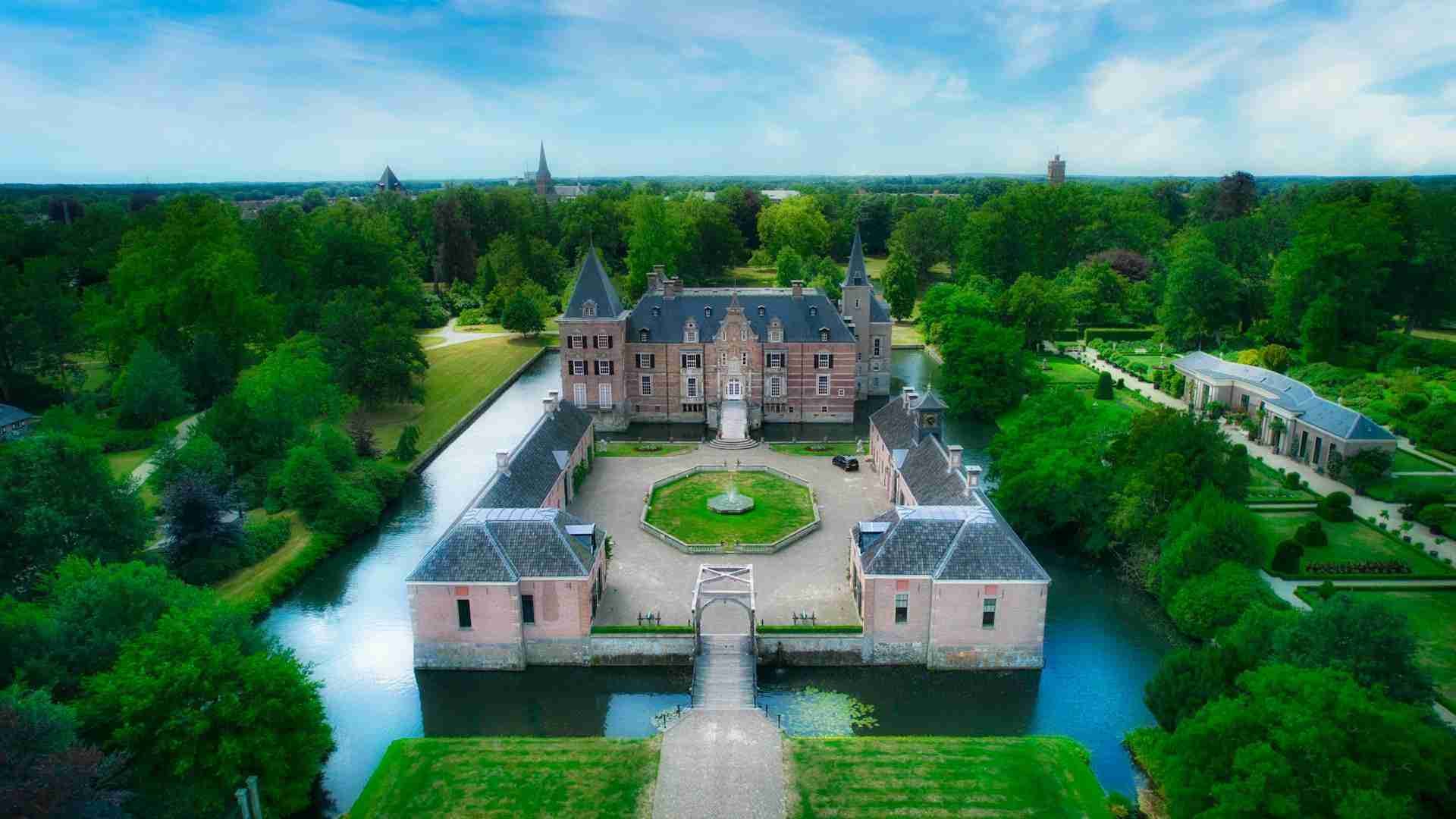
Tucked into the eastern Netherlands near the town of Delden, Twickel Castle is a masterclass in balance, light, and timeless design. Surrounded by a moat and encircled by centuries-old forests, formal gardens, and reflective canals, the estate offers photographers a variety of structured and organic compositions. The castle's muted stone façade, slate rooflines, and ornate windows serve as ideal subjects for architectural studies and layered landscape scenes. What makes Twickel such a compelling photographic destination is the harmony between manmade elements and the surrounding environment. With soft northern European light, abundant symmetry, and constant seasonal shifts in color and mood, it is a location where stillness becomes the defining element of the frame.
Best Photography Opportunities
• Castle Reflections from the Moat
The castle is perfectly mirrored in its surrounding moat, making this one of the most rewarding spots for reflection shots. The water remains calm on most mornings, particularly in spring and autumn when wind conditions are minimal. Position your tripod low to the ground along the moat's edge and use a mid-range focal length to balance symmetry without distortion. During golden hour, the castle's stone walls and soft rooflines reflect warm light that deepens the overall contrast and adds subtle dimension. This location also works well in overcast conditions, where diffused light softens details and allows for quiet, evenly toned images.
• Long Lens Architectural Studies
Twickel Castle has a number of ornate windows, intricate brick patterns, and subtle angles that lend themselves well to tight compositions using a telephoto lens. A 70 to 200mm or 100 to 400mm lens allows you to isolate architectural features such as turrets, rooflines, and detailed masonry. These types of images benefit from strong contrast, particularly in late afternoon when side light reveals texture and shadow. Consider shooting across the water to layer natural elements like ivy or tree branches in the foreground, adding both depth and visual storytelling to the frame.
• Formal Gardens and Leading Lines
The castle's baroque-inspired gardens are laid out with geometric precision, making them ideal for compositions that rely on strong leading lines. Gravel paths, low hedges, and symmetrical planting beds draw the eye naturally toward the castle or outward to statues and fountains. Shooting with a wide-angle lens low to the ground can help exaggerate perspective and create drama, while a normal lens preserves the clarity and structure of the scene. Early summer is especially good for this area, with the hedges at full height and fresh blooms adding soft pops of color without overpowering the frame.
• Woodland Paths and Seasonal Change
Beyond the formal grounds, Twickel's larger estate includes kilometers of forested trails, oak-lined avenues, and moss-covered stone bridges. These areas are best captured during spring or autumn, when color shifts and soft directional light offer natural contrast. In autumn, golden leaves create a rich color palette for layered compositions, while spring brings out delicate greens and morning mist. Look for curved paths, gateposts, or trees forming archways to add structure and flow. These scenes lend themselves well to storytelling images that pair the natural with the cultivated.
• Black and White in Overcast Light
The castle's quiet grandeur and strong structural lines make it a perfect subject for black and white photography. Overcast days are ideal for this approach, removing distractions from the scene and allowing the photographer to focus on shape, contrast, and form. Convert images in post with an eye for midtones and architectural detail. The combination of reflective water, dark tree trunks, and stone walls creates a moody but clean grayscale image that can work as both landscape and fine art.
Best Time to Visit
Twickel Castle is photogenic throughout the year, but certain seasons offer distinct visual advantages depending on your photographic goals. Spring is one of the best times to visit if you are looking for fresh greens, crisp light, and minimal crowd interference. Early mornings often come with mist in the forested areas and still water in the moat, ideal for reflection and fine-detail work.
Summer brings lush foliage and fully grown hedges, offering more vibrant but sometimes visually dense compositions. This season works best for garden photography and long lens studies of architectural details in crisp light. However, midday light can be harsh and the estate sees more visitors, so early morning and late afternoon sessions are the most productive.
Autumn is a standout season, particularly from late September through October. The trees surrounding the castle and lining the long approach roads shift into tones of orange, gold, and deep red. Reflections in the moat and wet cobblestones after rain create dynamic surfaces that photograph beautifully under diffused or soft directional light.
Winter introduces a quieter, more minimal character to Twickel. If there is frost or snow, the landscape becomes graphic and clean, ideal for black and white work or moody long exposures. Low sun angles throughout the day provide long shadows and soft highlights. While some parts of the gardens are dormant in winter, the structure of the estate remains visually strong and highly photographable.
Regardless of season, weekdays tend to be less crowded. Morning visits offer the best combination of soft light and still air, especially if you are planning long exposures or looking for uninterrupted reflections.
How to Get There
Twickel Castle is located just outside Delden in the province of Overijssel, the Netherlands. It is easily reached by car or train. If you are driving, follow the A1 and take exit 28 toward Delden. From the town center, the castle is signposted and only a few minutes away. Free public parking is available near the estate entrance.
For those using public transport, Delden has its own train station with regular service from larger hubs like Hengelo or Enschede. From the station, it is a short 10 to 15-minute walk to the castle grounds along well-marked pedestrian paths.
The castle itself is privately occupied and not open for interior photography. However, the surrounding estate, gardens, and trails are accessible year-round. No permit is required for photography in public areas. Entry to the gardens and trails is free, though some special exhibitions or guided tours may have fees. Drones are not permitted on the estate grounds due to its protected status and proximity to wildlife zones.
The walking paths are well-maintained but can become muddy in wet conditions, so waterproof footwear is advised, especially in autumn and winter. Benches and covered spots are limited, so plan accordingly if you intend to stay out for extended sessions.
Recommended Photography Gear
The diversity of scenes at Twickel Castle calls for a flexible but deliberate gear setup. A full-frame camera with strong dynamic range is ideal, as you will be dealing with high-contrast scenes, reflective surfaces, and subtle shifts in light. A 24 to 70mm lens will cover most compositions from architectural mid-range shots to more immersive landscape frames. For wider perspectives in the gardens or forest paths, a 16 to 35mm lens offers useful flexibility for capturing leading lines and strong foregrounds.
A 70 to 200mm or longer telephoto lens is essential for isolating architectural details or layering distant elements in the woods and along the canal. This is particularly helpful in spring and autumn when foliage density can crowd the frame. Fast primes such as a 50mm or 85mm f/1.8 are also useful for low-light shooting, especially in the early morning under tree cover or on overcast days.
A stable tripod is recommended for shooting reflections and for long exposure work near the moat or on the estate trails. Neutral density filters can help smooth water or extend shutter times under soft light, and a polarizing filter is useful for managing glare on reflective surfaces. Graduated ND filters may be helpful for balancing the sky against darker tree lines, especially during golden hour.
Pack lens wipes and a small towel, as the proximity to water and damp conditions in the forest can lead to condensation. A remote shutter release or intervalometer is useful for precise exposures, particularly if you are working with fine architectural detail or shooting in lower light.
Dress in layers and wear waterproof boots if visiting outside summer. A weather-sealed camera bag or backpack will protect your equipment from rain or trail dust. Because the estate is large, plan your gear load strategically. It is better to carry a small, high-quality kit than a heavy bag that limits your mobility or comfort during longer walks.
Nearby Photography Locations
• Delden Town Center
Just a few minutes from the castle, Delden's old town offers cobblestone streets, traditional Dutch architecture, and charming alleyways perfect for detail-focused photography. The town's small size allows you to explore on foot with a compact setup, making it a great post-castle location for street or documentary-style images.
Located about 30 minutes east, the historic watermill at Singraven is another excellent setting for reflection shots and heritage architecture. Surrounded by forest and flowing water, it works well in both golden hour and overcast conditions. The mill is particularly photogenic in autumn when the surrounding trees light up with seasonal color.
• Kasteel Warmelo in Diepenheim
This lesser-known estate features beautifully designed gardens and a more intimate castle structure. It is often quieter than Twickel, making it a good option for slower-paced shoots. The gardens include tree-lined avenues, fountains, and small statues that lend themselves to both wide and detailed compositions.
A riverine forest area along the Dinkel River, Lutterzand offers a wild contrast to the formality of Twickel. Sandy paths, exposed tree roots, and winding river bends provide a rawer, more natural canvas for landscape work. It is particularly rewarding in misty conditions or when low winter light filters through the trees.
• Rijksmuseum Twenthe in Enschede
For those interested in architectural interiors and cultural contrast, this museum offers both photographic exhibits and a well-lit space for capturing the interplay of design and shadow. While photography inside may be limited, the surrounding area and museum architecture offer clean, graphic compositions that work well in both color and monochrome.
Twickel Castle offers more than a simple postcard subject. It presents a full range of photographic challenges and rewards, from tight architectural frames to expansive landscape compositions layered in time and texture. With careful timing and a well-considered setup, this estate becomes a space where light and stillness guide every frame.
Comments
Loading comments…