
Historic Tower of Light: A Photographer's Guide to Witte Huis, Rotterdam, Netherlands
Perched along the Oude Haven waterfront in the heart of Rotterdam, the Witte Huis stands as a majestic relic from the late nineteenth century. Completed in 1898, it holds the distinction of being Europe's first high-rise building. Despite the city's devastation during World War II, the Witte Huis survived, becoming an enduring symbol of architectural resilience and a visual anchor in a modern skyline. Its striking Art Nouveau design, symmetrical form, and detailed facade make it a compelling subject for photographers drawn to historic architecture, intricate urban textures, and vibrant street life. Framed by old boats, reflective water, and contemporary buildings, this location offers a rich blend of contrast and storytelling potential.
Best Photography Opportunities
• Golden Hour Across the Harbor
Early in the morning or late in the afternoon, the sunlight brings a warm glow to the Witte Huis and the surrounding harbor. From the opposite side of the Oude Haven, use a wide-angle lens to fit the entire building into your frame. The light hits the facade at a low angle, highlighting the building's carvings and ironwork. Include the old boats moored along the water for context and charm. The reflections in the water during calm conditions can double the visual interest, making the scene feel both peaceful and timeless.
• Ornamental Details and Facade Textures
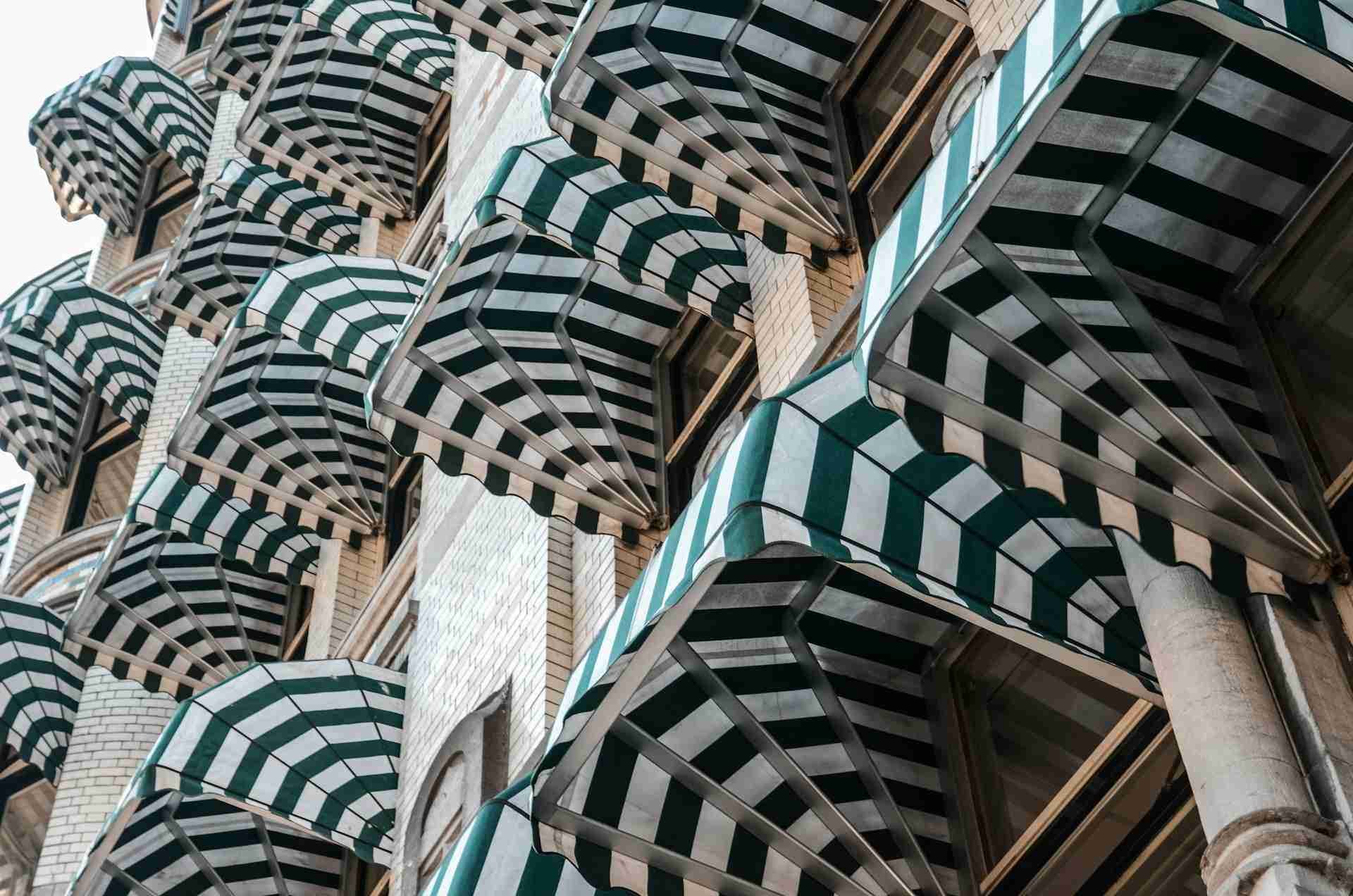
Move in closer to explore the Witte Huis's intricate details. The facade is rich with stone carvings, decorative tiles, and iron balconies. A standard zoom lens allows you to isolate interesting elements like archways, crest-like embellishments, or decorative spires. Soft natural light, especially on overcast days, helps bring out textures without harsh shadows. These images work especially well when you use a vertical composition to emphasize the building's verticality.
• Evening Reflections and City Glow
As daylight fades, the Witte Huis begins to glow with warm lights from inside and outside. Set up your tripod across the harbor and wait for the moment just after sunset, when the sky turns a rich blue and city lights start to reflect in the calm water. Use long exposures to smooth the water surface and capture the lights as glowing lines. Including moored boats or people walking by adds life to the composition.
• Street-Level Life and Urban Storytelling
During the day, the area around the Witte Huis comes to life with people biking, walking, and enjoying nearby cafes. This is a perfect time to photograph the building in its urban setting. Frame the tower using street elements like bridges, benches, or bicycles. Use a moderate lens to capture these interactions clearly, showing how the historic tower continues to be part of daily life in modern Rotterdam. Street photography and architectural photography blend naturally in this vibrant spot.
• Night Photography with Long Exposures
After dark, the Witte Huis stands illuminated against the night sky, with streetlights and ambient city lights adding warmth and contrast. A tripod and long exposure settings let you capture the building's reflection in the still harbor water. The smooth surface turns the reflection into a perfect mirror. You can also capture light trails from passing bicycles or boats, adding movement and contrast to the building's calm, solid presence. This is especially effective during the winter months when night falls early and the lights are more prominent.
Best Time to Visit
The Witte Huis is a year-round destination for photography, but each season brings different advantages. Spring and summer offer the most vibrant street scenes, with blooming trees, people enjoying the terraces, and long golden hours in the evening. The light at this time of year is softer and more colorful, perfect for both wide shots and detail work.
In autumn, the warm tones of falling leaves complement the building's white and gray tones beautifully. Early sunsets and moody skies are ideal for blue hour photography and capturing strong contrasts in the architecture. Winter brings a more minimalist aesthetic, with bare trees and clear skies. It is a good time for night photography, with the tower's lighting standing out even more clearly against the darker backdrop.
The best times of day are sunrise and sunset, when the light is most flattering. Blue hour, just before sunrise or after sunset, is ideal for reflections and long exposures. Even midday can work well if the sky is overcast, as this type of light helps preserve the rich textures in the facade without causing harsh shadows.
How to Get There
The Witte Huis is located in the Oude Haven area, one of the most historic districts in Rotterdam. It is very easy to reach from Rotterdam Central Station. You can take a tram to Blaak Station and walk a short distance to the harbor. The area is well marked with signs and pedestrian paths.
There is no entrance fee to visit or photograph the Witte Huis. Most visitors shoot from the outside, as it is the exterior that provides the most interesting visuals. There are many places to set up a tripod or shoot handheld along the harbor promenade. Parking is available nearby, but using public transport or a bicycle is often easier. The harbor is accessible 24 hours a day, though night sessions will require care with your gear and surroundings. Restrooms, cafes, and shops are close by, making it easy to spend several hours exploring the location.
Recommended Gear for Urban and Architectural Photography
A wide-angle lens is the most important tool for photographing the Witte Huis. It allows you to capture the full height and surrounding environment from relatively close distances. A standard zoom lens is perfect for architectural details and medium-range shots that include nearby cafes, boats, or pedestrians. A tripod is essential for low light conditions, especially if you want to take long exposures or work during the blue hour.
Use a circular polarizing filter to manage reflections on the water and bring out the contrast between the building and the sky. Neutral density filters can help you slow your shutter speed during daylight for creative effects. Bring a lens cloth to clean off any moisture from the harbor. For night shoots, a remote shutter release and a headlamp with a red light function will help you work without affecting your exposures. If you are visiting in colder months, be sure to bring gloves and a warm jacket to stay comfortable during long sessions.
Nearby Photography Locations
• Erasmusbrug (Erasmus Bridge)
A short walk from the Witte Huis, this modern suspension bridge features sweeping lines and steel cables that create powerful leading lines. It is best photographed during sunrise or at night when city lights reflect off the water.
• Oude Haven (Old Harbor)
The immediate area around the Witte Huis is filled with old boats, cobblestone paths, and lively cafes. This location is ideal for shooting urban life, reflections, and a mix of historic and modern elements.
• Cube Houses (Kubuswoningen)
These famous yellow tilted houses are located just across the street and provide a playful architectural counterpoint to the classic form of the Witte Huis. Wide-angle lenses help you fit them into creative compositions.
• Markthal Rotterdam
This large indoor market features a curved glass facade and a colorful interior mural. It's a great location to combine food photography, architectural shots, and people in motion, all under one roof.
The main station's sleek modern design includes sharp angles and mirrored surfaces. It makes a strong contrast to the Witte Huis's ornate architecture and is best photographed in early morning or late evening light.
Comments
Loading comments…