
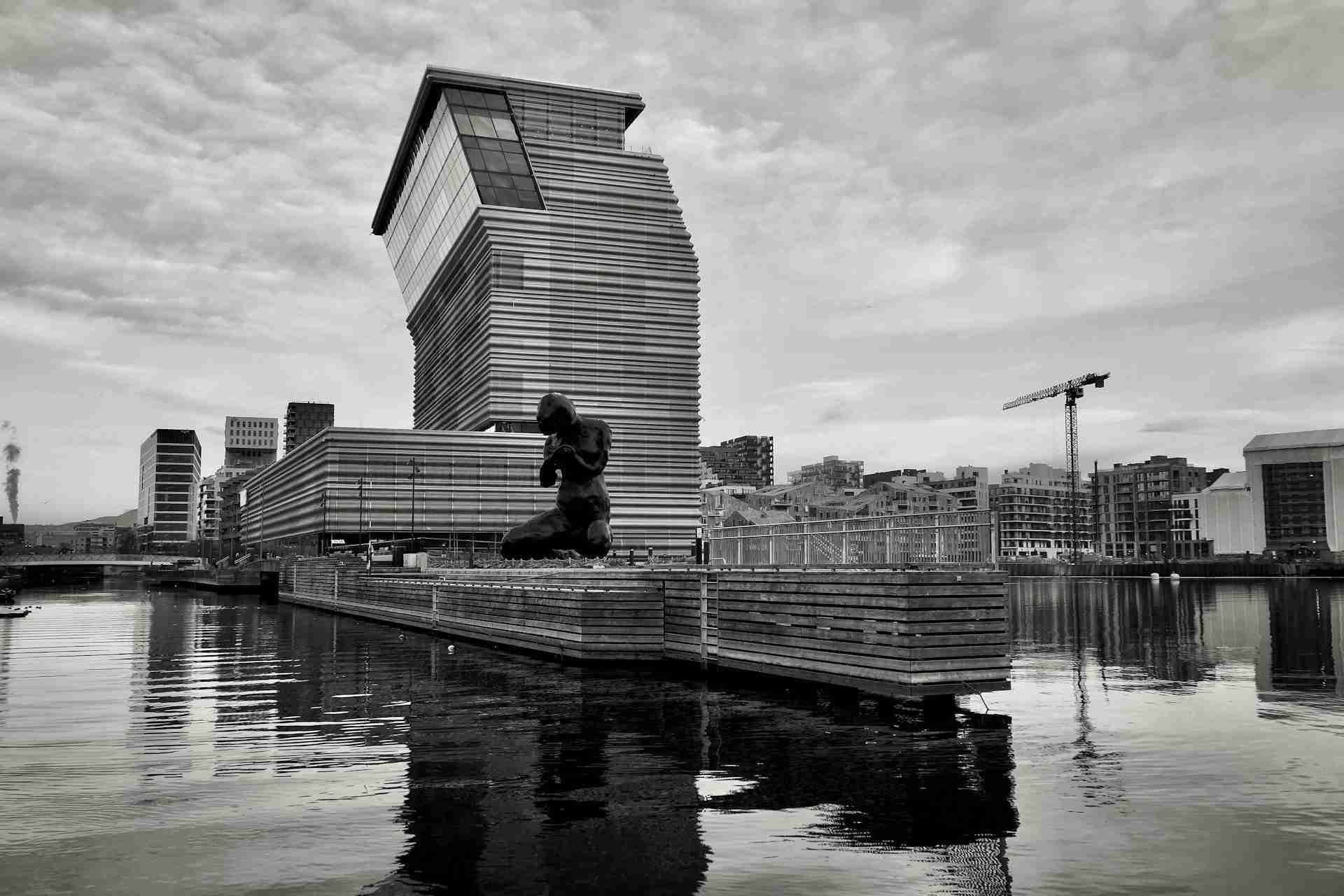
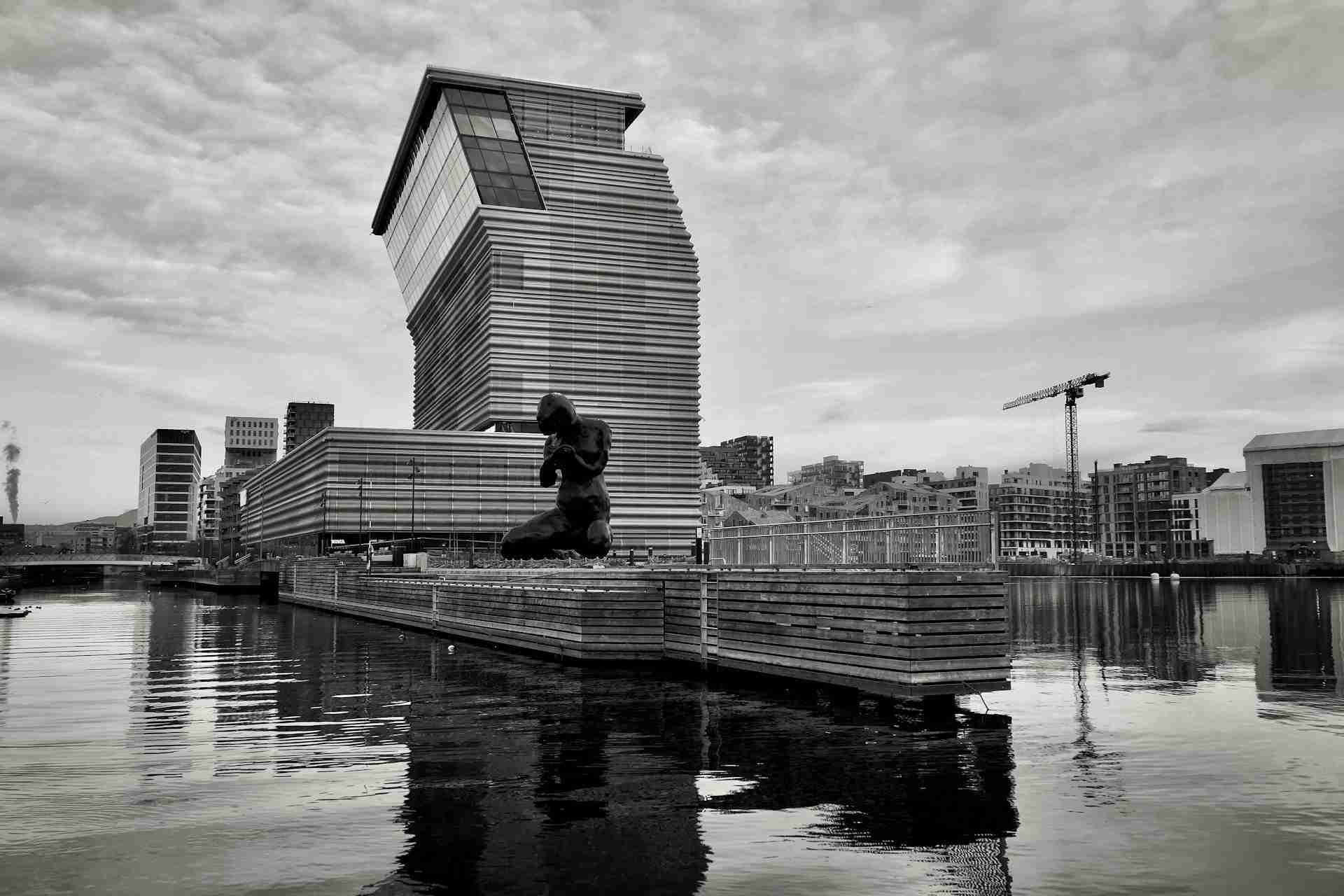
The Munch Museum, now MUNCH, is one of Oslo's most striking cultural landmarks, dedicated to Norway's most famous artist, Edvard Munch. Located along the Oslofjord in the Bjørvika district, the museum's bold, angular design and perforated aluminum façade create dramatic photographic opportunities, especially as light and reflections shift throughout the day.
Designed by Estudio Herreros, the museum's leaning structure and towering glass panels make for dynamic compositions, both up close and from a distance. The waterfront setting adds another layer of visual interest, with reflections in the fjord and panoramic city views from the top floor. Inside, the museum's minimalist architecture and atmospheric lighting provide excellent conditions for capturing both Munch's masterpieces and visitor interactions.
With its fusion of modern design, artistic heritage, and scenic surroundings, MUNCH offers an array of compelling photographic subjects, making it a must-visit for architecture and cityscape photographers.
Best Photography Opportunities
• Exterior Architecture
– Designed by Spanish architecture firm Estudio Herreros, the museum's 13-story structure features an angled façade wrapped in perforated aluminum panels. The way light interacts with these panels creates ever-changing patterns and shadows, making for intriguing abstract shots, especially at sunrise and sunset.
• Oslofjord Views from the Top Floor
– The upper levels of MUNCH provide a panoramic view of the Oslofjord, with opportunities to capture the city's skyline, harbor activity, and the interplay between modern and historical architecture. The golden hour enhances the reflections on the water, making for a breathtaking composition.
• Interior and Exhibition Spaces
– The museum's spacious galleries feature dimmed lighting that enhances the atmosphere of Munch's works. Wide-angle shots can capture the interplay between visitors and the artwork, while a telephoto lens helps isolate expressive brushstrokes and details of iconic paintings like The Scream and Madonna.
• Reflections on the Glass Facades
– The museum's reflective surfaces create a dynamic interplay between the surrounding cityscape and the building itself. Using a polarizing filter can help control reflections or enhance them for a layered composition featuring Oslo's urban energy.
• Bjørvika Waterfront and Barcode District
– The museum is set within Oslo's redeveloped waterfront, offering modern architecture, colorful sunset reflections on the water, and leading lines created by piers and boardwalks. The Barcode District's high-rise buildings add a striking geometric element to urban photography.
Best Time to Visit
The best time to photograph MUNCH is during the golden hours of sunrise and sunset when the soft light enhances the textures of the building's façade and creates warm reflections on the glass. At night, the illuminated interior and the soft glow from the waterfront add an entirely different atmosphere, perfect for long-exposure shots. During the winter months, Oslo's low-angled sunlight and occasional snowfall provide a unique contrast against the museum's metallic exterior, making it an excellent time for dramatic compositions. If you're capturing interior spaces, weekday mornings are ideal to avoid large crowds.
How to Get There
MUNCH is conveniently located in the Bjørvika district of Oslo, within easy reach of public transport. The nearest tram stop is Bjørvika, served by lines 13 and 19. Oslo Central Station (Oslo S) is just a short 10-minute walk away, making it accessible for those arriving by train. If driving, nearby parking garages such as Oslo S P-hus provide easy access. For a more scenic arrival, consider taking the ferry from Oslo's Aker Brygge to the Bjørvika pier, offering excellent opportunities to capture the museum from the water.
Exploring MUNCH and the Surrounding Area
Beyond the museum itself, the Bjørvika district offers a wealth of photographic opportunities. The Deichman Library, an architectural marvel in itself, presents striking modern interiors that blend wood, glass, and open spaces, perfect for capturing contemporary urban design. The boardwalk along the Oslofjord is ideal for street photography, with people, boats, and reflections creating dynamic compositions throughout the day. During the summer months, you may also catch kayakers or swimmers enjoying the waterfront, adding a lively element to your shots.
Nearby Photography Locations
• Oslo Opera House
– One of the most iconic buildings in Oslo, the Opera House features a sleek, white marble exterior that allows for striking minimalist compositions. The way people interact with the structure—whether walking up the sloped roof or sitting by the waterfront—adds depth and storytelling opportunities to your shots.
– A short walk from MUNCH, this medieval fortress offers a contrast between historic stone architecture and modern cityscapes. The elevated position provides great vantage points overlooking the harbor, especially at sunset when the golden light highlights the textures of the ancient walls.
– This collection of high-rise buildings presents a perfect setting for architectural and street photography. The mix of glass facades, sharp lines, and urban reflections make it a compelling location for abstract and geometric compositions.
– Just a 15-minute tram ride from the museum, this park combines art and nature, with sculptures set against the backdrop of Oslo's skyline. From here, you can capture sweeping cityscapes, especially at dusk when the lights of Oslo start to glow.
– These harborside districts are excellent for capturing waterfront reflections, luxury yachts, and lively street scenes. Tjuvholmen also boasts contemporary art installations and cutting-edge architecture, providing endless creative angles.
Photographing MUNCH and its surroundings offers a diverse range of visual experiences, from modernist architecture to waterfront serenity and urban vibrancy. Whether you're capturing the museum's bold design, the timeless allure of Munch's art, or the ever-changing reflections of Oslo's skyline, this location provides endless inspiration for photographers.
Comments
Loading comments…