
Photographing Kasprowy Wierch in Tatra National Park
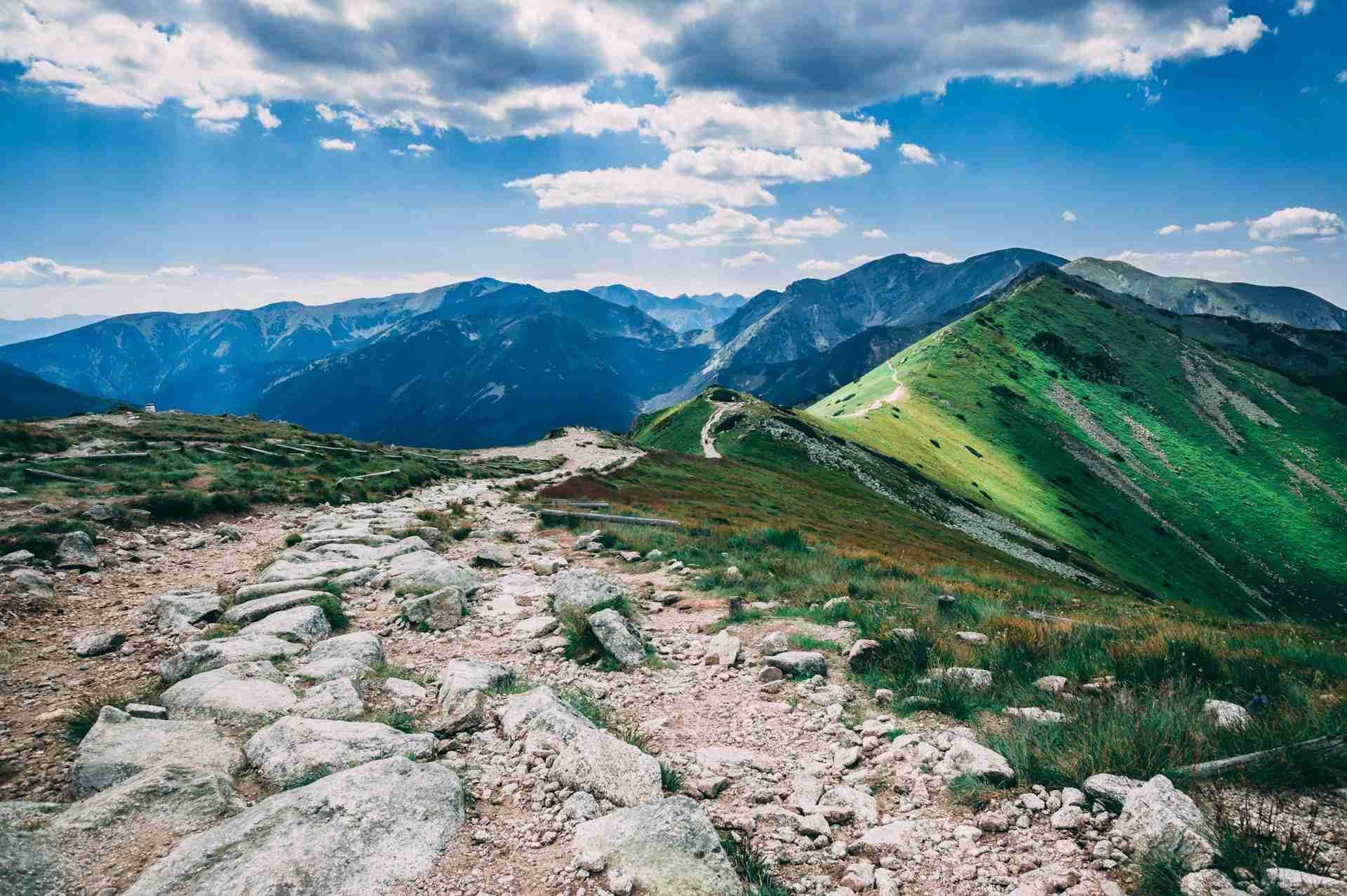
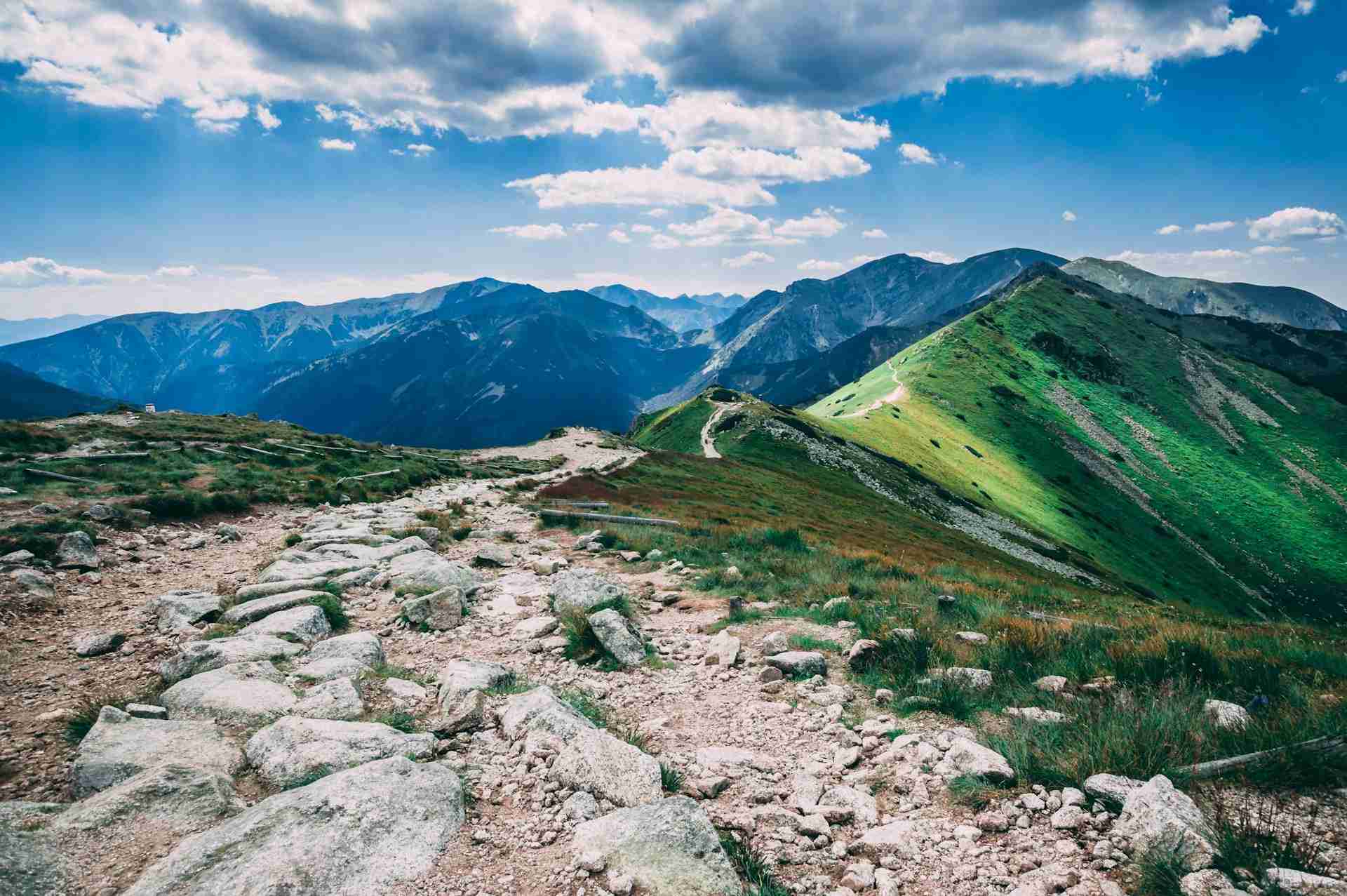
Kasprowy Wierch sits high in the Polish Tatras, straddling the border between Poland and Slovakia, with long, exposed ridgelines and far-reaching views into alpine valleys. At 1,987 meters above sea level, it is one of the most accessible high peaks in the Tatra range, thanks to a cable car from Zakopane. But don't mistake that accessibility for ease. For photographers, Kasprowy Wierch is a location of extremes. The weather shifts quickly, light bounces off stone and snow with sharp contrast, and compositions stretch far in every direction. It is a place where the landscape feels both open and close, with ridges that pull your eye toward distant peaks and foregrounds made of jagged rock, snow patches or alpine grass depending on the season.
Best Photography Opportunities
• Ridge Lines and High Contrast Light
The most compelling feature of Kasprowy Wierch is its exposed ridgeline, which offers sweeping views across the Tatra range. During sunrise or late afternoon, the side light casts deep shadows across the slopes, emphasizing the angles of the terrain and giving your images more depth. From the summit area, you can walk along the ridge in either direction to find clean compositions that show off the layering of mountain peaks. Use a medium telephoto lens to compress the shapes and bring out contrast between light and dark slopes. When skies are clear, the air is sharp and visibility reaches deep into Slovakia.
• Fog and Cloud Movement over the Peaks
Weather changes fast at this elevation, and on many days, low clouds drift over the ridge with moments of light breaking through. This is perfect for dramatic wide-angle scenes with strong mood. Long exposures with a neutral density filter can stretch the movement of the clouds across the peaks, especially during early morning when wind is steady and the sun is low. Look for moments when light punches through a gap in the clouds and illuminates a single slope or ridge line. These quick changes in atmosphere can give you ten different compositions in the span of a few minutes.
• Snow Patterns and High Contrast Textures
In winter and early spring, the mountain is often covered in snow, but the wind leaves patterns that break up the white surface with texture. These patterns are ideal for minimal, abstract compositions. Use a telephoto lens to crop in tight on distant slopes where sun and shadow draw natural shapes. You can also use a wide lens close to the ground to capture snowdrifts or wind-sculpted ridges with distant peaks in the background. Be prepared for difficult conditions, including bitter cold and strong wind. A simple scene of snow and sky at Kasprowy Wierch often requires effort and patience to get right.
• Golden Hour from the Observation Area
The cable car station near the summit has an open area with wide views westward, which is perfect for sunset. When clouds are in the right place, the light sweeps across the valley and lands on the ridges in layers. You can shoot wide to capture the scene, or switch to a mid-telephoto lens to isolate the light on a single peak. The golden tones shift fast as the sun drops behind the horizon, so it helps to set up in advance and be ready to reframe quickly. This area is easy to reach but still offers serious mountain views.
• Alpine Flora and Ground-Level Compositions
In summer, small alpine plants grow along the trails and ridges. These make excellent foreground elements when shooting with a wide-angle lens, especially if you get low and use focus stacking or a deep depth of field. The contrast between the delicate flowers or grasses and the heavy rock of the Tatras creates strong visual tension. This kind of shot works best in the hour after sunrise when the light is low and warm but not too harsh. Be careful to stay on marked paths, as the park strictly protects its alpine vegetation.
Best Time to Visit
Kasprowy Wierch is open year-round, but conditions vary wildly depending on the season. In summer, from late June through September, the trails are mostly clear of snow and the weather is relatively stable. Early mornings offer the best chance for clear skies and low wind. Sunrise and golden hour sessions are ideal during this time, especially if you are interested in wildflowers or layering ridge compositions.
Autumn brings cooler temperatures and more dramatic skies, along with shifting light that enhances the shape of the terrain. The grass fades to golden tones, and snow may begin to return to higher sections by late October. This is a great time for moodier, contrast-heavy compositions. Winter lasts long in the Tatras, with snow often covering the mountain from November through May. This is a beautiful but difficult season to photograph. Visibility can drop quickly, and cold temperatures are extreme, but the snow patterns and soft winter light offer incredible scenes if you are prepared for it.
The shoulder seasons—early June and late October—are unpredictable, with a mix of snow, rain and fast-changing light. These months can offer incredible conditions or be completely socked in. Always check the weather forecast before ascending. Morning shoots are best for light and fewer people, but the cable car schedule should be factored in if you are not hiking up.
How to Get There
Kasprowy Wierch is located in Tatra National Park, near the resort town of Zakopane in southern Poland. From the center of Zakopane, it is a short trip to the cable car station in Kuźnice. During peak times, cars are not allowed to enter Kuźnice, so you will need to take a shuttle or walk from one of the designated parking areas. The cable car ride takes about 20 minutes and stops at the summit area, which is just below the peak itself. From there, marked trails continue along the ridgeline in both directions.
There is no special permit required to visit or photograph the area, but access is controlled by the park authorities and the cable car operator. The area is popular with hikers, skiers and tourists, so expect crowds during summer weekends and school holidays. If you plan to photograph during sunrise or sunset, be aware that the first and last cable cars may not align with those times, especially in winter.
Recommended Photography Gear
Kasprowy Wierch rewards photographers who are prepared for sudden changes in light, wind and visibility. A wide-angle lens is essential for capturing the scale of the ridges and sky, especially when working with cloud movement or layered light. A medium telephoto lens between 70 and 200 millimeters is useful for compressing distant peaks or isolating light on a single slope. A sturdy tripod is a must for long exposures and sunrise or sunset sessions.
Bring a circular polarizer to help with haze and sky contrast, and a neutral density filter if you want to work with longer exposures for clouds or movement. In winter, a lens cloth or anti-fog wipe is helpful to keep your glass clear in cold, damp air. Weatherproof camera protection is strongly recommended year-round, as conditions on the summit are often harsher than they appear from town.
Wear mountain boots with proper traction, and bring gloves with good grip for adjusting camera settings in the cold. A headlamp is essential if you are starting before sunrise or finishing after sunset. Even though the summit is cable car accessible, the conditions are alpine. Dress in layers and be ready to carry your gear over exposed, uneven terrain.
Nearby Photography Locations
• Giewont
Visible from Kasprowy Wierch, Giewont is one of the most photographed peaks in the Polish Tatras. It has a sharp, distinctive profile and can be shot from several points along the Kasprowy ridge. At sunrise, light hits the face of the mountain and creates strong directional contrast.
• Dolina Gąsienicowa
This alpine valley sits below the Kasprowy ridge and offers reflective mountain ponds, scattered stone shelters and soft morning light. It is best reached by trail, and it offers a wide variety of compositions from ground-level flora to sweeping views of the high peaks.
• Świnica
A short but steep hike west from Kasprowy leads to Świnica, a higher and more rugged peak with panoramic views. The trail is more difficult and exposed but offers excellent opportunities for wide and compressed shots of the Tatras in all directions.
This dark, glacial lake is set below steep mountain walls and is a strong choice for dramatic compositions, especially when clouds drift low over the cliffs. It reflects morning light well and works for both wide and tight frames depending on conditions.
• Tatra Meadows near Hala Goryczkowa
These open meadows on the way back toward Zakopane offer softer scenes of grass, forest and sky. They are ideal for sunset shoots with a wide view of the southern horizon and occasional layers of fog rolling up from the valley.
Kasprowy Wierch is one of the most rewarding alpine photography locations in Poland, not just because of its views, but because of how quickly everything can change. Light moves across the ridge in moments. Fog lifts and drops without warning. And the shape of the peaks seems to shift depending on where you stand. It is a place that invites you to slow down, adjust and try again, one frame at a time.
Comments
Loading comments…