
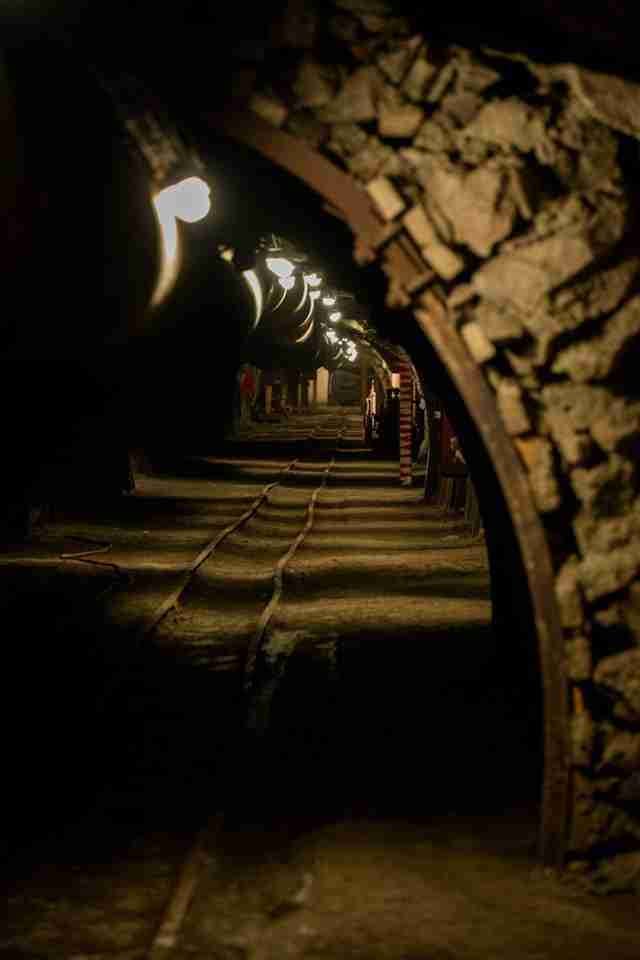
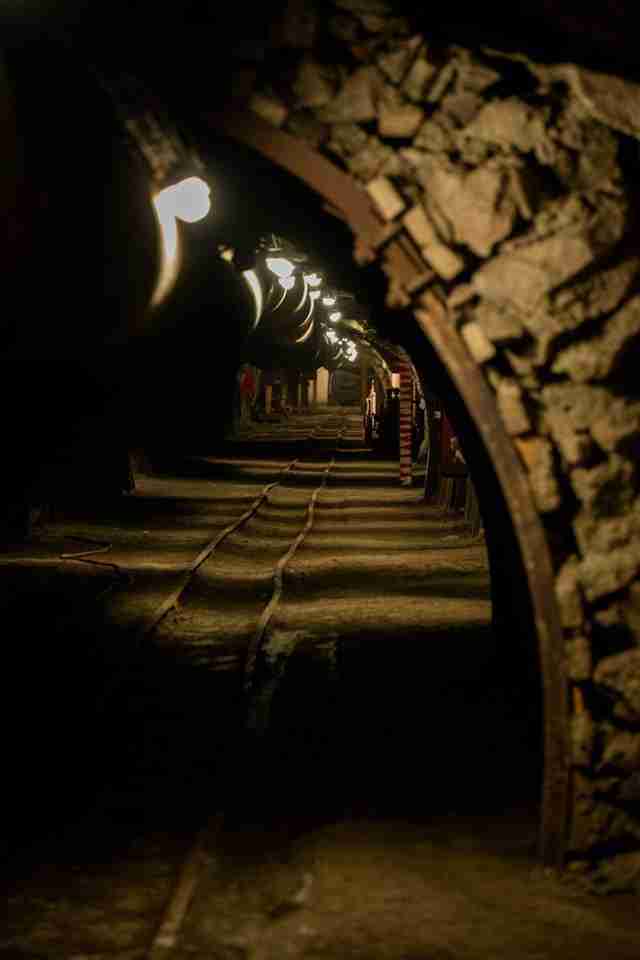
Kopalnia Guido is unlike any other photographic location in Poland—a coal mine that takes you 320 meters underground into the preserved industrial world of Silesia's mining past. Located in the city of Zabrze, this 19th-century mine has been converted into an immersive museum and cultural venue, offering rare access to cavernous tunnels, machinery still coated in coal dust, and vast subterranean chambers dimly lit by industrial lamps. Photographers are drawn here not for sweeping landscapes but for the texture, mood, and story-rich environments carved deep into the earth. Whether you're focused on gritty industrial detail, atmospheric light play, or documentary-style portraiture, Guido Mine delivers visual drama and historical resonance in equal measure.
Best Photography Opportunities
• Subterranean Machinery and Textures
The core visual appeal of Kopalnia Guido lies in its massive preserved industrial machinery—coal-streaked drills, rusted ventilation pipes, conveyor belts, and reinforced steel structures locked in a moment of historical stasis. These are not mere artifacts; they are visually immersive environments where form, function, and decay intersect. A wide-angle lens in the 16–35mm range allows you to frame large equipment within the tight confines of the tunnel, emphasizing scale and compression. Look for repetition in mechanical forms—gear teeth, chain links, rows of bolts—and compose close-up texture studies that highlight the grit, oil stains, and oxidized patina. The use of a tripod can help explore longer exposures with deep depth of field, particularly effective in showcasing spatial depth through complex machinery.
• Industrial Lighting and Moody Atmosphere
Lighting underground is functional but haunting: a blend of exposed incandescent bulbs, warm-toned sodium vapor lamps, and harsh fluorescents that leave pools of light surrounded by deep, grainy shadow. This sparse illumination naturally produces high contrast and dramatic vignetting, perfect for moody, low-key imagery. Photographing under these lights requires careful control of white balance—manually setting to a warmer tone helps retain atmosphere without letting the image skew overly yellow. Embrace underexposure to protect highlights and preserve the sense of enclosure and suspense the tunnels provide. Position your frame where shafts of artificial light break across walls or surfaces to create visual tension between light and dark, structure and void. If permitted, bring a small handheld LED or directional flashlight for controlled highlights to reveal key textures without disturbing the overall ambiance.
• Symmetry and Depth in the Long Tunnels
The mine's linear corridors and evenly spaced structural supports present ideal conditions for exploring symmetry and vanishing point compositions. These tunnels are often lined with rails, cable channels, and pipework that stretch off into darkness, naturally guiding the viewer's eye deep into the frame. Shoot from a centered position with a tripod to achieve maximum symmetry, or break the rule slightly with a low-left or low-right angle to introduce perspective tension. Try stopping down to f/11 or f/16 to hold focus across the length of the tunnel, and use bracketing or exposure blending if shooting into a light source. Dust particles suspended in the air may catch the light, adding depth and atmosphere, especially when illuminated by backlighting or headlamps.
• Portraits in Place
The human scale of mining is vividly felt in Kopalnia Guido. Should you be able to photograph miners, guides, or costumed actors, the result can be powerful environmental portraits rich with narrative weight. Compose your subjects against mining carts, control stations, or drill lines to anchor them within their working world. Side-lighting from overhead lamps or wall-mounted fixtures can serve as natural rim lighting to separate the subject from a dark background. Use a fast prime lens like a 35mm or 50mm at f/1.8 to isolate facial expression and texture—coal-dusted skin, sweat, worn uniforms—without losing the architectural context. Black-and-white processing suits these images well, allowing detail and contrast to carry emotional tone without the distraction of inconsistent color casts from mixed lighting.
• The 320-Meter Cultural Level
This lower level, repurposed as an underground cultural venue, offers a surreal hybrid of industrial relic and performance space. It includes vaulted brick chambers, lighting rigs, stairwells, preserved machinery, and artistic installations, all wrapped in a moody, low-lit palette. Here, you'll find wide spaces—rare in a mine—that allow for clean architectural shots with strong leading lines and framing. Shoot wide to capture the contrast between cultural adaptation and mechanical history, such as a modern stage flanked by rusted beams or a sleek LED light strip illuminating century-old brickwork. The spatial openness and variety of lighting sources (including theatrical spotlights or art installations) allow you to play with mixed temperatures, lens flare, and creative use of silhouette. For dynamic compositions, combine longer exposures with moving figures to add a sense of life and continuity in a place shaped by work and reinvention.
Best Time to Visit
As an indoor, underground location, Kopalnia Guido is photographable year-round, independent of weather or external light. However, access and lighting conditions vary depending on the type of tour or event taking place during your visit.
For photography purposes, the most flexible and rewarding times to visit are during weekdays and early in the day, when tours are less crowded and guides may allow a slower pace or more time for photos. If you're looking to shoot without tourists in your frames, aim for the first tour of the morning or a weekday afternoon with pre-booked photography permissions. Private or specialized photography tours can sometimes be arranged through the museum administration, especially for editorial or artistic projects.
The lighting inside remains constant but your gear's performance will differ based on seasonal humidity. In cooler months, the tunnel interiors are relatively dry and cool, ideal for bringing in electronics without worry. In warmer summer months, condensation can be a minor issue—especially when transitioning from hot, humid surface air into the cool underground. Let your gear acclimate slowly and carry lens cloths to combat fogging.
Some of the best atmospheric conditions underground occur during the special events or exhibitions often held at the 320-meter level. These may include concerts, theater pieces, or industrial art installations, which provide unique lighting scenarios and access to parts of the mine that are not always open to the public. If you're interested in mixing industrial photography with creative or performance imagery, align your visit with the cultural calendar of the site.
How to Get There
Kopalnia Guido is located at 93 Street 3 Maja in Zabrze, Poland, easily reachable from major cities in the Silesian region such as Katowice and Gliwice. By car, it's approximately a 20-minute drive from Katowice via the A4 motorway or Route 902, with parking available directly on site. The entrance and visitor center are clearly signposted from the main road.
If traveling by public transportation, take a train to Zabrze's main railway station, then transfer to a local bus or tram. Multiple lines stop near the mine, including buses that travel along 3 Maja Street. From the nearest bus or tram stop, it's a short walk to the visitor entrance.
Note that entry to the mine is only permitted through guided tours, and there is a fee for access. Ticket prices vary depending on the depth level visited, tour type, and whether additional permissions are required for photography or tripod use. It's recommended to book your ticket in advance, especially if you intend to photograph specific areas or participate in special thematic tours. For more freedom and slower pacing during your visit, inquire directly about private or photography-focused tours.
Once on site, you'll take an industrial-grade elevator down into the mine, descending over 300 meters into the heart of the complex. Most tours involve a fair amount of walking through narrow, uneven tunnels, so wear sturdy footwear and pack lightly. Tripods are often allowed but must be cleared with guides beforehand, particularly if you are not part of a dedicated photography group.
Recommended Photography Gear
Low light, confined spaces, and high-contrast scenes define the photographic conditions at Kopalnia Guido. A camera body with strong high-ISO performance is essential—ideally a full-frame DSLR or mirrorless model capable of clean results at ISO 3200 and above. Fast prime lenses such as a 35mm f/1.8 or 50mm f/1.4 are invaluable in dim corridors, offering both low-light capability and shallow depth of field for isolating subjects.
A compact wide-angle lens in the 16–24mm range will allow you to capture the cramped yet expansive feel of the tunnels and machinery rooms without distortion. For details and tighter shots, a 24–70mm zoom or an 85mm prime can help isolate patterns, textures, and faces within the mechanical landscape. If permitted, a lightweight tripod is ideal for long exposures, particularly in the darker sections where handheld shots are impractical.
Other essential accessories include extra batteries (long exposures and live view drain power quickly), a lens cleaning kit to handle dust or moisture, and a remote shutter release to reduce vibration during tripod shots. A small LED light panel or directional flashlight can also help with controlled fill lighting, especially when photographing surfaces with deep shadows or reflective metal. Keep your gear in a low-profile backpack with minimal noise and avoid large kits—maneuvering in the tunnels requires mobility and awareness of your surroundings.
Be respectful of the environment: this is a working heritage site, and coal dust can be pervasive. Weather-sealed equipment is preferred, and always wipe down your gear thoroughly after each session underground.
Nearby Photography Locations
Just a short distance from Kopalnia Guido, this extensive industrial heritage site includes surface-level machinery, above-ground buildings, and a historic steam-powered hoist. The contrast between open-air ruins and operational restorations makes it an excellent complement to the deep tunnel photography of Guido.
About 30 minutes from Zabrze, Nikiszowiec is a red-brick workers' housing district dating back to the early 20th century. Its preserved facades, arched passageways, and richly textured walls provide excellent street and architectural photography opportunities, especially in soft afternoon light or rain.
Often referred to as the world's tallest wooden structure, this historic radio mast offers stark industrial geometry against the sky. It's especially compelling at dusk or during foggy weather, and drone shots are allowed from designated perimeters, revealing its surrounding parkland and geometric symmetry.
This monumental and now partially decommissioned coal-fired power station looms like a cathedral of brick and steel. Its massive turbine hall and towers are haunting and beautiful, best captured in moody weather or late golden hour. Access varies, so check local permissions and conditions.
Housed in a repurposed coal mine, this museum complex offers glass architecture, exposed industrial infrastructure, and underground exhibition spaces. It's a striking juxtaposition of contemporary design and mining heritage, offering a clean and modern visual contrast to Guido's grit.
Kopalnia Guido is more than a preserved coal mine—it's a living monument to the industrial soul of Upper Silesia and a unique canvas for photographers seeking something beyond the surface. Underground, time seems suspended. Lights hum quietly, shadows stretch long, and every bolt, beam, and cable tells a story etched in coal dust. For those drawn to moody atmospheres, textural detail, and documentary-style depth, Guido Mine offers a rare chance to explore—and visually interpret—the forgotten workings of a world carved from stone and steel.
Comments
Loading comments…