
Krzyżtopór Castle: Photographing Ruins with Rhythm and Scale in Rural Poland
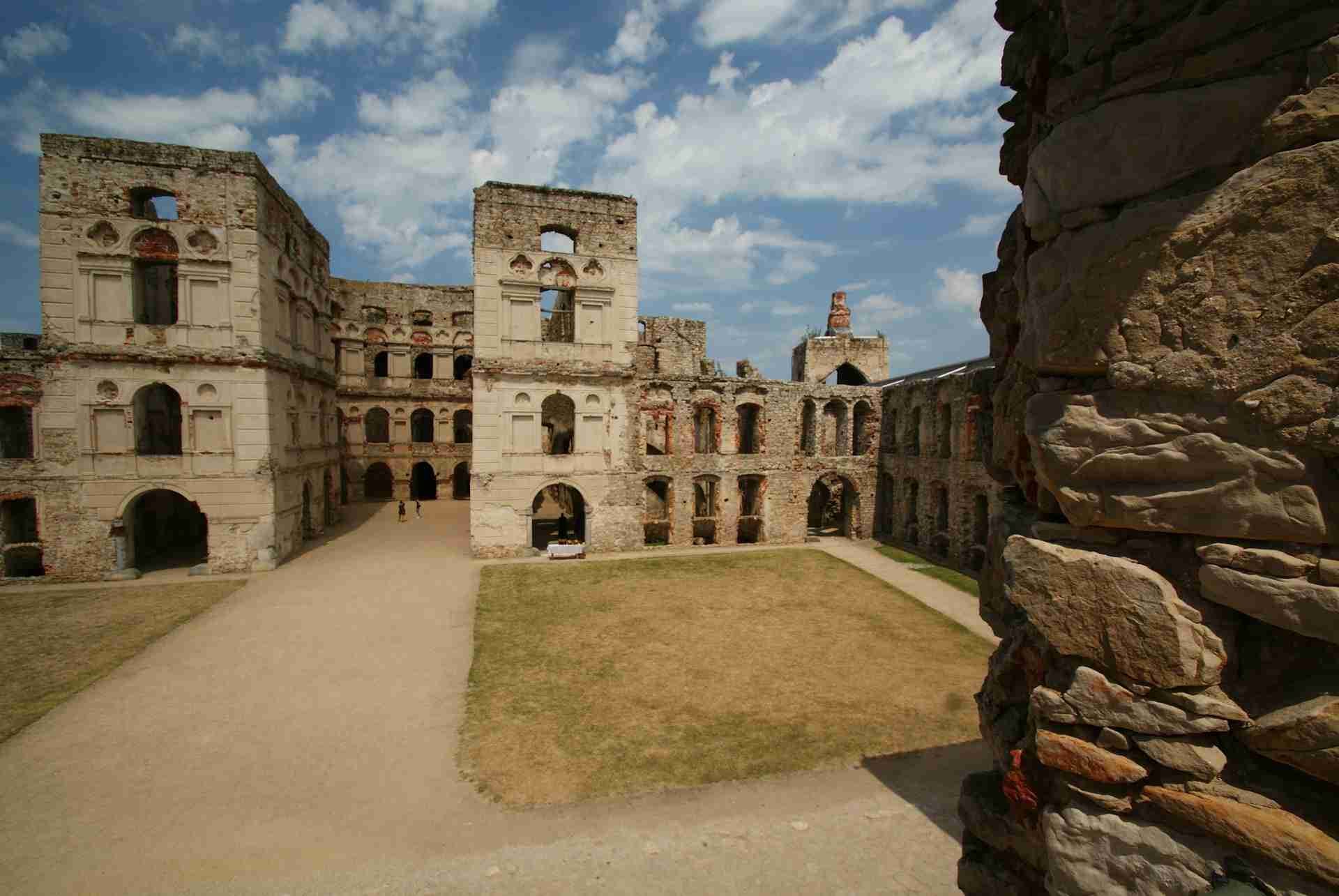
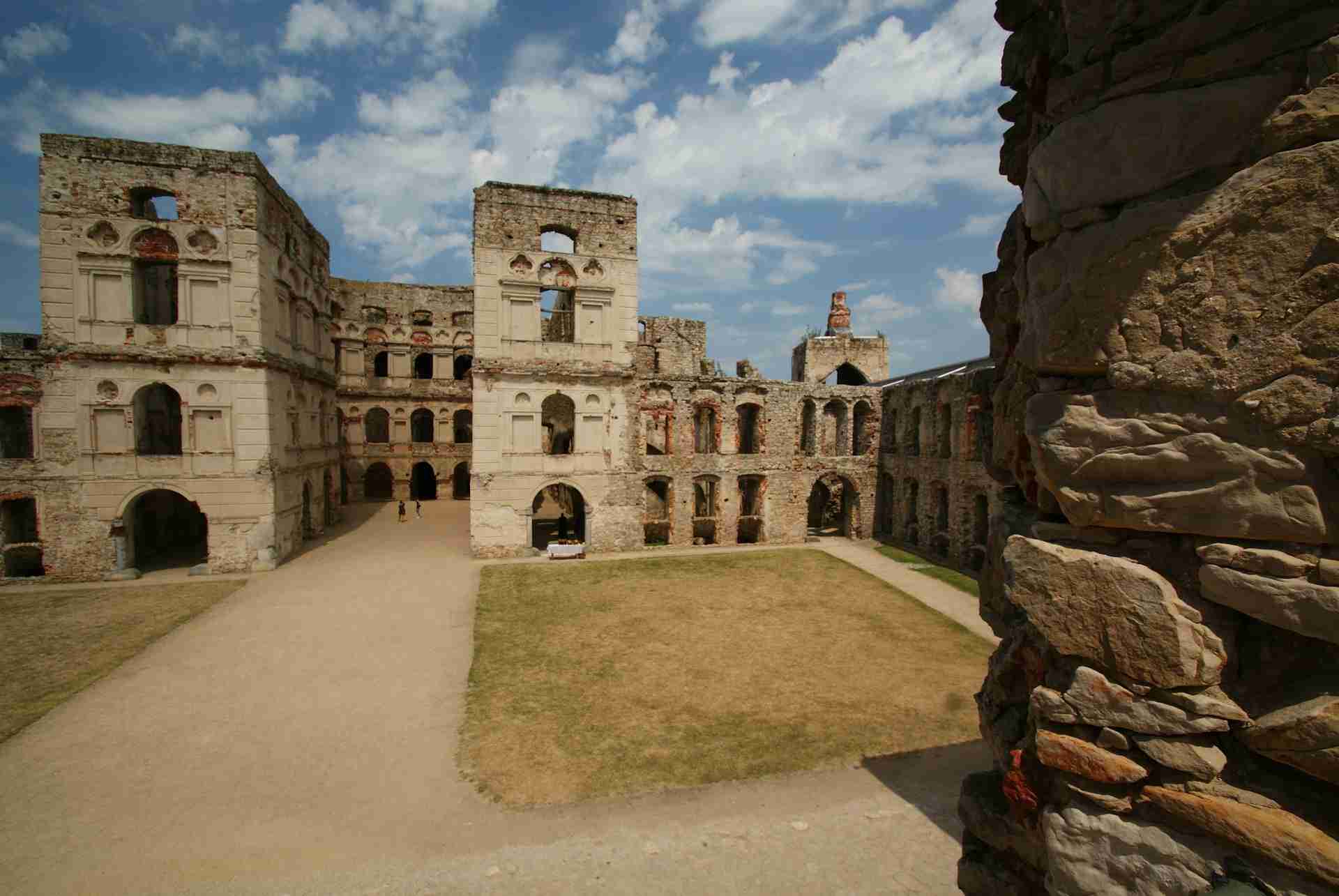
Set in the quiet village of Ujazd, Krzyżtopór Castle is one of the most fascinating ruined palaces in Europe. Though weathered by centuries of conflict and decay, its massive stone walls and intricate layout still offer a striking glimpse into the grandeur of 17th-century Polish architecture. The scale of the structure is staggering—long corridors, open courtyards, and soaring outer walls are all laid out in a design inspired by the calendar: 365 windows, 52 rooms, and 12 halls. While much of the building is roofless and open to the elements, that openness is what makes it so photogenic. The castle's textures, light, and weathering combine beautifully with changes in natural light, making this a rewarding subject for anyone interested in architectural or atmospheric photography.
Best Photography Opportunities
• Main Entrance and Courtyard
: The main gate, framed by a broad archway and crumbling towers, is an ideal place to begin capturing the castle's imposing presence. Early in the day, soft directional light grazes the walls, revealing cracks, moss, and centuries-old texture in the stonework. Step back across the grassy approach to capture the full geometry of the entrance, or come in close with a wider lens to exaggerate the height and perspective of the opening. Inside the courtyard, the sheer openness invites you to walk the perimeter and photograph the remaining structural frames against the sky. This space also lets you experiment with scale, using people in your frame can help convey just how massive the original complex was.
• Upper-Level Walkways and Windows
: Climb to the accessible upper walkways to photograph the site from a different angle. The views from above provide a clear look at the castle's overall layout, making it easier to frame compositions that emphasize repetition and symmetry. Long corridors broken by empty window frames and partial ceilings make excellent subjects for horizontal and vertical compositions. Photographing at golden hour adds warmth and contrast, highlighting the relief work and casting defined shadows through open spaces. Look for details like nesting birds, plant growth, or old iron fixings, these can add subtle storytelling layers to your images when framed carefully.
• Exterior Walls and Towers
: Walk around the full perimeter of the castle to take advantage of varied angles and lighting throughout the day. From the base of the towers, use a wide lens pointed upward to create a towering effect, or shoot from a distance across surrounding meadows to place the ruins within their natural setting. The outer walls are massive and uneven, covered in patches of lichen and worn brickwork that are especially striking under changing skies. Shooting during sunrise or sunset creates a gentle sidelight that emphasizes depth and texture, while a moody overcast day works well for black-and-white interpretations that focus on structure and contrast.
• Interior Archways and Vaulted Ceilings
: Venture into the partially intact rooms to find vaulted ceilings, shadowed passageways, and arches that draw the eye deeper into the structure. These interior spaces offer some of the best contrast between light and shadow, particularly in the morning or late afternoon when sunlight enters at an angle. Long exposures can help reveal light shafts and add a sense of calm to your images. Consider bracketing your exposures to blend highlights and shadows in post-processing. These rooms are especially good for playing with symmetry and central framing, and details like exposed brick patterns or damaged plaster textures add richness when captured in soft, diffused light.
• Details in Decay
: Don't overlook the small scenes scattered throughout the ruins. Pieces of fallen masonry, old iron hardware, ivy-covered corners, and cracked surfaces offer a quiet kind of beauty. These subjects often work best with shallow depth of field, drawing attention to texture and color. A macro lens lets you explore peeling paint, rough surfaces, or the granular structure of the stone itself. This is also an ideal use case for monochrome photography, especially on overcast days, where the emphasis shifts from color to form and surface. Keep an eye out for natural elements like small flowers or vines reclaiming the space; these can introduce surprising touches of life within the aging structure.
Best Time to Visit
Spring and autumn are the most rewarding seasons for photography at Krzyżtopór Castle. In spring, the grass is fresh and green, often dotted with wildflowers that add color to the scene. Autumn brings warm, golden tones to the surrounding trees and soft, angled light that enhances textures in the stone. Both seasons offer mild weather and fewer crowds, allowing for more careful compositions without interruptions.
Summer can be busier, but it brings vibrant skies and long hours of daylight, making it easier to explore every corner of the site. Just be aware that bright midday sun can flatten the textures of the ruins, early morning and late afternoon remain the best times to shoot. Winter offers a unique experience, especially when snow outlines the walls and softens the jagged ruins. However, the site can be cold and windy, and access may be limited during heavy snowfall.
Regardless of season, golden hour offers the best light, especially for capturing the warm tones of aged stone and the dramatic shadows cast by the fragmented structure. Cloudy days are excellent for capturing texture and mood, while fog or mist can add atmosphere and a sense of mystery.
How to Get There
Krzyżtopór Castle is located in Ujazd, a small village in southeastern Poland. The most convenient way to reach it is by car. From Kielce, the regional capital, the drive takes about an hour. Free parking is available near the entrance, and from there it's a short walk to the site.
There's a small entrance fee to access the ruins, which helps support ongoing preservation efforts. The site is self-guided, though local guides are sometimes available. Be sure to check opening hours before visiting, as they may vary by season. The terrain around and inside the castle can be uneven, so wear sturdy shoes and be prepared for stairs, gravel, and occasional mud if visiting during wet weather.
Tripods and photography gear are allowed, and there are no restrictions for personal use photography. As always, be respectful of the historic structure and avoid climbing on unstable walls or blocked-off areas.
Recommended Kit for Capturing the Scene at Its Best
To make the most of your shoot at Krzyżtopór Castle, bring a kit that handles both wide and detail-oriented photography. A wide-angle lens (16–35mm or similar) is essential for capturing the scale of the ruins, especially when shooting from inside courtyards or at the base of towers. This lens will let you exaggerate perspective and create dramatic compositions that emphasize the openness of the site.
A mid-range zoom (24–70mm) is useful for framing layered shots of windows, archways, and long corridors. For isolating distant features or compressing details in the upper levels, a short telephoto lens (70–200mm) adds reach and flexibility. Don't overlook a macro lens or close-up filter for detail shots of stonework, moss, and architectural decay.
A tripod is a must if you plan to shoot in low light or explore long exposures. The castle's sheltered corners and shaded hallways often call for slower shutter speeds. A polarizing filter will help reduce glare on stone surfaces and can deepen the color of skies when shooting wide. Bring a microfiber cloth—dust and grit are part of the experience here—and consider packing extra batteries, as colder weather can drain power quickly.
Nearby Photography Locations
• Sandomierz Old Town
: About an hour northeast of Ujazd, Sandomierz is a picturesque town perched on a hillside above the Vistula River. Its cobbled streets, red-tiled roofs, and Gothic churches make it ideal for architectural and street photography, especially in early morning or evening light.
• Baranów Sandomierski Castle
: A well-preserved Renaissance palace with manicured gardens and classic Polish architecture, this site offers a contrast to Krzyżtopór's ruined grandeur. The symmetrical layout, detailed façades, and soft light filtering through the trees provide excellent conditions for balanced compositions.
: This small and often overlooked site features Romanesque-Gothic stonework, cloisters, and quiet rural surroundings. It's ideal for slower-paced shooting and capturing timeless religious architecture in a peaceful setting.
• Opatów Town Gate and Collegiate Church
: These landmarks in the town of Opatów combine defensive and religious architecture, offering texture-rich walls, narrow passageways, and grand interiors for low-light photography.
• Świętokrzyskie Mountains
: A little farther afield, this low mountain range offers forested trails, panoramic viewpoints, and historical landmarks like the Święty Krzyż Monastery. Perfect for nature photography and landscape work if you're extending your visit in the region.
Comments
Loading comments…