
Rising above the center of Warsaw with unmistakable authority, the Palace of Culture and Science is one of the most prominent landmarks in Poland's capital. This towering structure combines socialist realist architecture with neoclassical flourishes, resulting in a visual profile that dominates the skyline from almost every direction. Originally a gift from the Soviet Union in the 1950s, it has since evolved into a multipurpose cultural and commercial hub, housing theaters, offices, museums, and an observation deck. For photographers, the building presents a rich subject that shifts in character depending on light, season, and distance. Whether approached as a geometric study or as part of the evolving urban landscape that surrounds it, the Palace rewards patient and varied exploration.
Best Photography Opportunities
• Cityscape highligting the Palace
The Palace of Culture and Science is a commanding presence in the Warsaw skyline, and wide compositions from surrounding streets, rooftops, or parks help convey its monumental scale. One effective angle is from Parade Square, which provides a full, uninterrupted view of the building flanked by modern high rises. Shooting at sunrise or sunset adds dimension to the stone façade while giving the sky a gradient of color behind the silhouette. This angle works best with a wide or standard zoom lens to balance the full height of the structure with surrounding context. A tripod is helpful during early or late light when longer exposures help capture the ambient tone of the city.
• Perspectives from ground level
Standing close to the Palace and aiming upward emphasizes its height and the detailing along its vertical lines. This type of composition creates converging lines that guide the eye toward the tower's pinnacle. Overcast conditions help soften contrast and bring attention to the repeating windows and sculptural elements without distracting shadows. A wide angle lens is necessary to fit the full structure from close range, and slight adjustments in camera tilt can drastically change the sense of balance in the frame. These images often benefit from architectural correction in post processing to control distortion.
• Detail studies of architectural elements
The Palace is filled with ornamentation that often goes overlooked from a distance. Its columns, relief carvings, clocks, and statues along the tower provide material for tightly framed architectural studies. These details are best captured with a medium telephoto lens or cropped from high resolution files. Morning and late afternoon light help bring out surface texture and the tonal difference between stone and shadow. Compositions can isolate specific corners or patterns to create rhythm within the frame. Working with a handheld setup allows flexibility, as many of these features are seen best from varying heights and angles.
• Reflection shots in nearby modern buildings
Several contemporary glass structures around the Palace reflect its image in their facades. These reflections offer layered compositions where the old and new forms of Warsaw's architecture coexist in a single frame. Best approached with a standard zoom or wide lens, these images benefit from overcast skies or diffused evening light, which help balance the dynamic range between bright glass and darker shadows. Shooting from multiple distances or floors inside nearby malls or office buildings gives different alignment options. Patience is key, as pedestrian movement and traffic can either clutter or enhance the image depending on timing.
• Evening and night photography
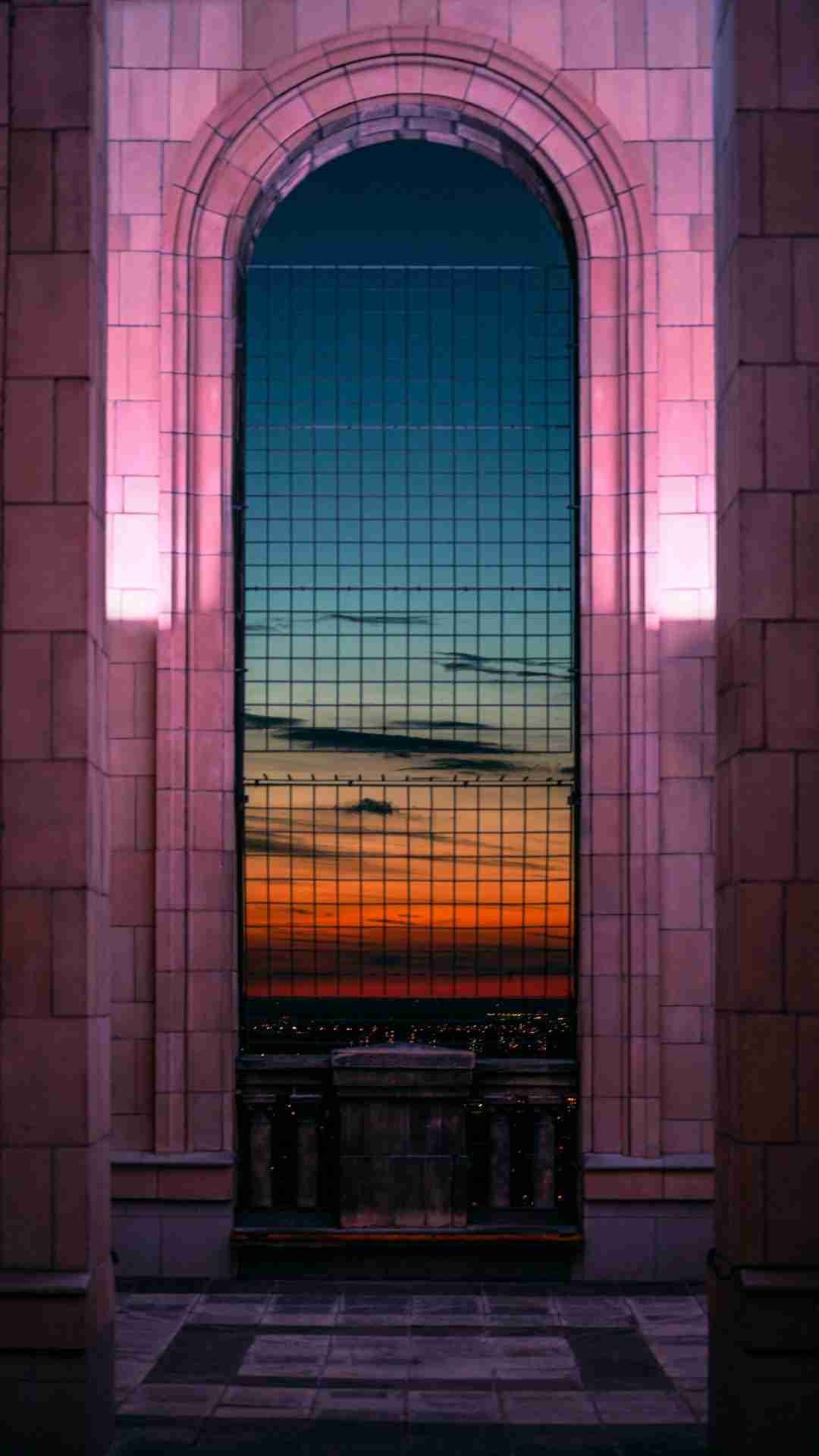
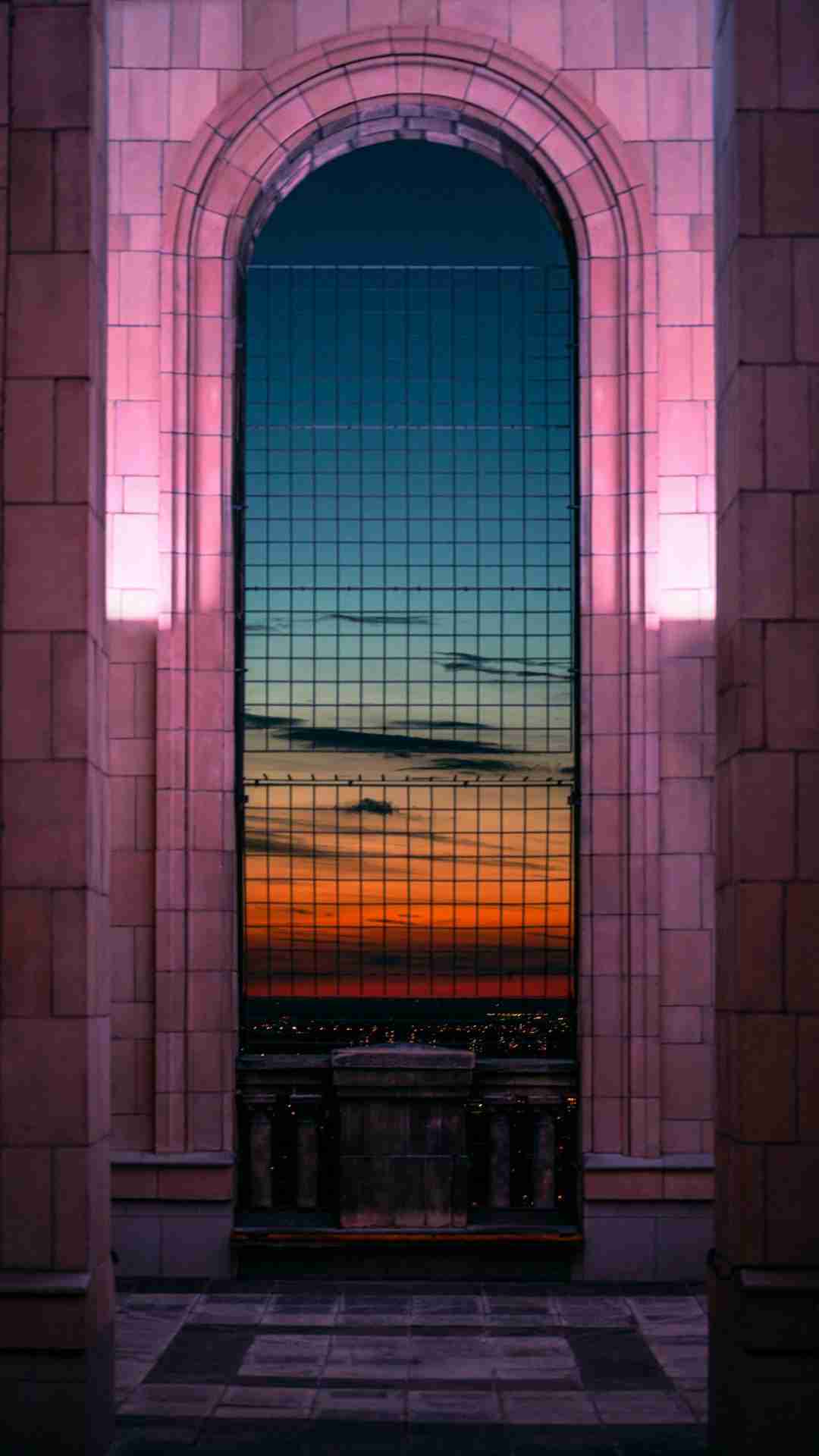
As the sun sets, the Palace is often lit in vibrant colors for events or holidays, making it a strong subject for night photography. Tripod work is essential at this hour, especially when composing long exposures to smooth moving vehicles or crowds. Blue hour brings out the building's warm artificial lighting in contrast to the cooler tones of the sky. Compositions that include surrounding streetlights or illuminated signage add complexity without overpowering the subject. Use a low ISO and a slow shutter speed to maintain clean detail and avoid blown highlights on the building's brighter edges.
Best Time to Visit
The Palace can be photographed year round, but the light and surrounding city activity vary significantly by season. Spring and autumn provide the best balance of light and color, with softer skies and manageable pedestrian flow. In summer, the light lasts well into the evening, making golden hour sessions longer but often busier with tourists. Winter brings bare trees, early sunsets, and sometimes snow, all of which can add contrast and mood to both distant cityscapes and tight architectural frames.
Early morning is ideal for working without heavy foot traffic, especially when shooting detail work or wide compositions from ground level. Evenings offer opportunities to capture the building lit up against the sky, especially during special occasions when the lights shift to match holidays or commemorative events. Cloud cover can be an asset, providing even light and subtle contrast, while clear days favor skyline shots and strong evening shadows. Weather shifts quickly in Warsaw, so checking hourly forecasts is helpful when planning longer sessions.
How to Get There
The Palace of Culture and Science is located at Plac Defilad 1, in the heart of downtown Warsaw. It is directly adjacent to Warszawa Centralna, the city's main train station, and is well connected by metro, tram, and bus. The closest metro station is Centrum, just a short walk away. Street level access is simple and barrier free, with multiple entry points to the building and the public spaces that surround it.
Photographers arriving by car will find underground and surface parking options nearby, though rates and availability vary. Tripods are allowed in most outdoor areas without restriction, but interior photography may be limited in some sections unless permission is granted. The observation deck on the 30th floor is open to visitors, and photography is permitted, although reflections from glass may limit clean shots. Drones are restricted within the central urban area and should not be flown near the Palace without explicit approval.
Recommended Photography Gear
A wide angle lens is critical for capturing the full height and context of the Palace from nearby streets and public squares. Standard zooms help when composing from varying distances or incorporating modern buildings into the frame. A medium telephoto lens is excellent for architectural detail work, especially when isolating decorative elements or compressing nearby city shapes against the tower.
A tripod is essential for evening and blue hour photography, and highly recommended for any long exposure work involving vehicle trails or artificial lighting. A polarizing filter may help cut glare from nearby glass buildings, though it has less impact on the Palace itself. A lens hood is useful when working during midday hours or when composing near reflective surfaces. Extra batteries are helpful for cold winter sessions, and a microfiber cloth is valuable year round for clearing moisture or dust in urban conditions.
Consider bringing a compact backpack to move easily through crowded areas. While the plaza is wide and open, some walkways are shared with foot traffic and public events, so a streamlined setup allows greater mobility.
Nearby Photography Locations
Located just west of the Palace, this curved glass structure offers dramatic reflections and modern contrast when framed with the tower in the background. Its upper levels offer interesting perspectives of the Palace through the atrium ceiling.
This green space sits adjacent to the Palace and offers natural framing with trees, benches, and seasonal color. It's especially useful for mid-distance shots during golden hour or overcast weather, when the building takes on a more monumental tone.
A short distance across the Vistula, this elevated garden offers panoramic views of the skyline including the Palace, especially at sunset. The mixture of vegetation and urban forms adds depth to any wide cityscape.
These historic boulevards provide a contrast to the Palace's mass with their refined facades and human scale. Shooting from these areas can place the Palace in the distant background for layered compositions that highlight Warsaw's architectural range.
• Warsaw Spire area
Just to the west in the Wola district, the area around Warsaw Spire includes newer high-rises that offer interesting juxtaposition and skyline layering. Reflections and glass geometry provide dynamic elements when combined with long lenses and city light.
The Palace of Culture and Science plays a central role in how Warsaw presents itself today, offering photographers a chance to explore its form while placing it in dialogue with the city around it. Whether you are exploring shadow lines along its upper levels or capturing its reflection among modern towers, this landmark rewards repeated visits and a variety of creative approaches.
Comments
Loading comments…