
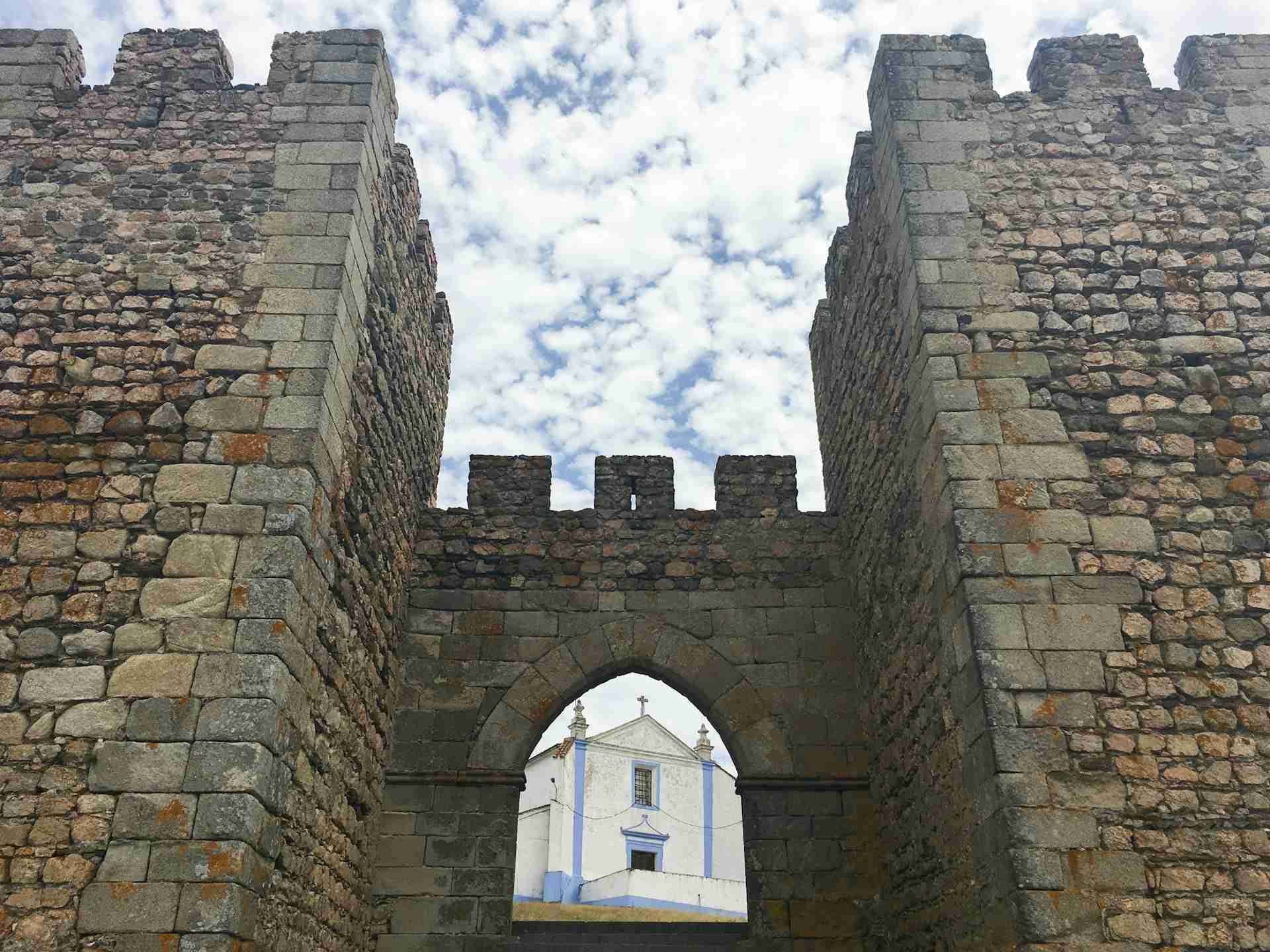
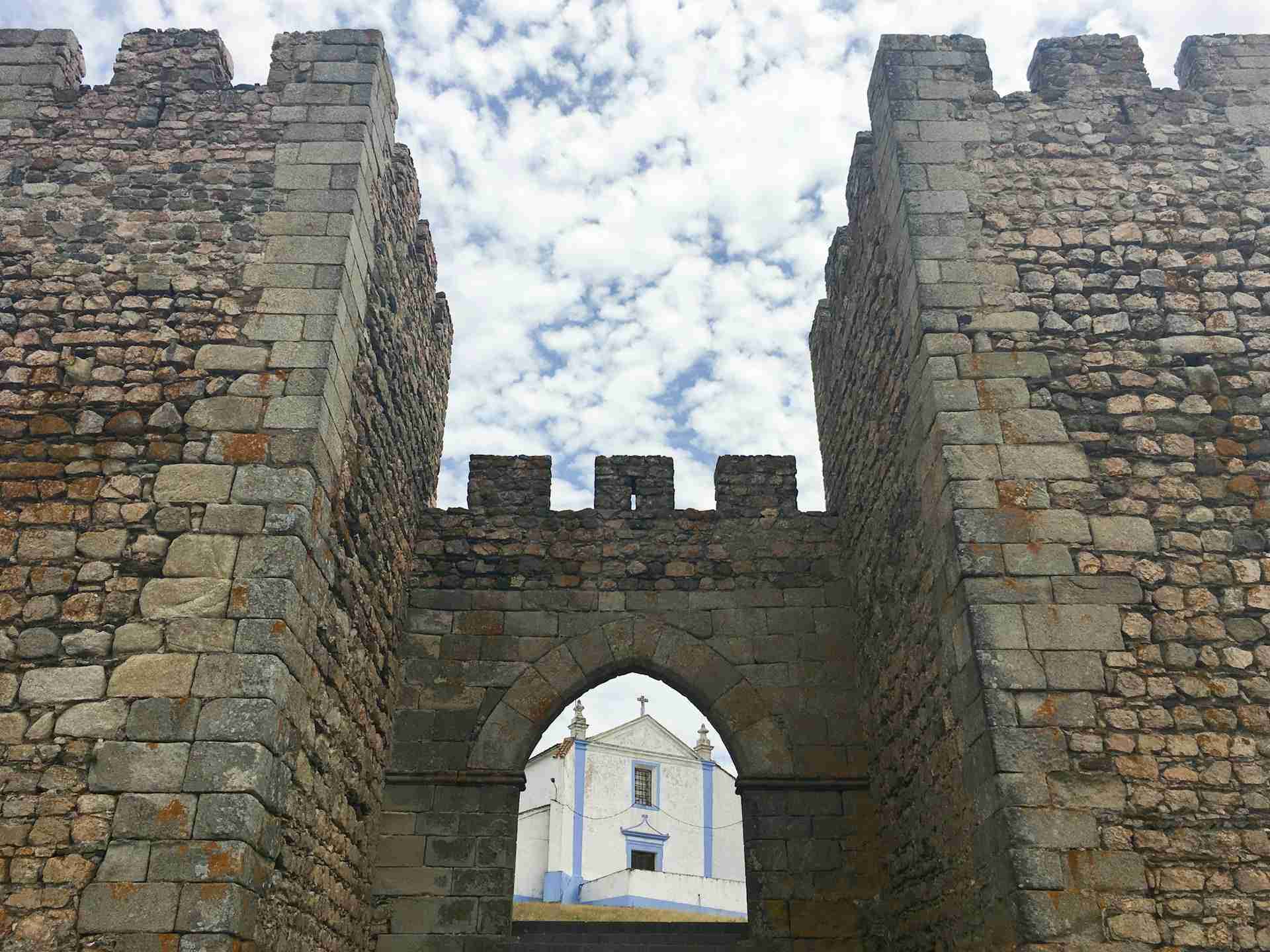
Set high above the whitewashed town of Arraiolos in Portugal's Alentejo region, the Castle of Arraiolos offers a striking blend of medieval architecture and open countryside. What makes this hilltop fort especially appealing to photographers is its rare circular wall, a shape seldom found in Portuguese castle design. Surrounded by gentle rolling hills and terracotta rooftops, the castle gives a 360-degree perspective of the land, sky, and time-worn textures of both stone and settlement. With clear air, golden fields, and ever-shifting light, this site is a perfect place to photograph historic structure and rural landscape in one sweeping frame.
Best Photography Opportunities
• 360-Degree Views from the Battlements
One of the most striking features of the Castle of Arraiolos is the complete view it offers from the top of its circular wall. Climbing to the highest sections of the battlements gives you the chance to photograph in every direction without obstruction. To the north and east, gentle hills stretch into the horizon, broken only by farms and groves of olive trees. To the south, the rooftops of Arraiolos form a neat grid of white and terracotta that contrasts beautifully with the natural landscape. A wide-angle lens lets you include the curve of the wall and the sky above, especially during dramatic cloud movement or early morning light.
• The Town of Arraiolos Below the Castle
From many points along the southern edge of the wall, you can look down on the town itself, with its whitewashed buildings and red-tiled roofs clustered along narrow, winding streets. This scene is especially rewarding in the late afternoon, when the low sun lights up the town and creates long shadows between the buildings. A mid-range zoom lens is perfect here, allowing you to compose both wide shots that include the town and countryside, and tighter frames that isolate rooftops, church towers, or groups of houses. Look for small moments of color or activity below—such as clothes hanging from balconies or people gathering in the squares—that add life and context to the scene.
• Close-Up Textures of the Stone Walls
The castle's walls are built from rough, locally quarried stone that has weathered under centuries of wind and sun. These surfaces are full of detail: patches of moss, deep cracks, lichen growth, and the soft wear that only time can create. Walk slowly along the base of the wall to find interesting spots where light and texture combine. Early morning and late afternoon are the best times for this kind of photography, as side light casts soft shadows that make the surface detail more visible. A short telephoto lens helps you isolate patterns and create strong, abstract compositions. These images can work beautifully in black and white to emphasize contrast and shape.
• Interior Spaces and the Church of the Savior
Inside the castle walls, you'll find open grass areas, stone foundations of former structures, and the Igreja do Salvador, a modest church that still stands as part of the site. Though simple in form, the church adds a sense of scale and history to the wide space within the walls. Photograph it from inside the walls using the circular shape as a natural frame, or step just outside for a broader view that includes the surrounding countryside. The church's stone façade changes beautifully under different types of light, so return at different times of day if you can.
• Golden Hour Light Over the Plains
Because of its position and the openness of the Alentejo region, the Castle of Arraiolos is one of the best places in the area to watch the changing light near the end of the day. As the sun drops toward the western horizon, the fields below turn gold and the walls of the castle seem to glow with warmth. This is a perfect time for wide panoramic shots that show the castle in its full setting, as well as tighter compositions using the warm side light to pick out shapes and details. The atmosphere is especially peaceful during this hour, with birds circling overhead and the wind softening as the day cools.
• Blue Hour and Twilight Silhouettes
After sunset, the hilltop becomes quiet and still. As the sky turns from gold to deep blue, the dark shape of the circular wall stands out sharply against the fading light. Long exposures taken from below the hill or from the outer edge of the wall capture the soft sky above the hard stone shape. This is an excellent moment to slow down your process, set up a tripod, and let the natural change in light do most of the work. If the town's streetlights begin to glow, they add a subtle warmth to the base of the hill that balances the cool sky above.
Best Time to Visit
The Castle of Arraiolos can be visited year-round, but the quality of the light and the feel of the landscape change with the seasons. Spring, especially in March and April, brings fresh green fields, blooming wildflowers, and clear skies that make long views even more inviting. Morning visits during this season often include soft haze in the distance, which adds a painterly depth to your photos.
Summer is dry, warm, and bright. The fields below the castle turn golden or tan, which complements the color of the stone walls. However, midday light can be harsh and unflattering, so early morning and late afternoon are the best times to shoot. The long summer evenings provide plenty of time to explore the grounds slowly and take advantage of the warm light.
Autumn is similar in light quality to spring, but the colors shift toward warmer, earthier tones. If the rains come early, patches of green return to the hills, and the sky often holds dramatic clouds that work well for landscapes.
Winter brings softer, lower light throughout the day and very few visitors. While the weather may be cooler and sometimes damp, the castle feels especially peaceful in this season, and the long shadows make for excellent structural compositions. The short days also mean that golden hour arrives early, giving you plenty of time to shoot without staying late into the evening.
How to Get There
Arraiolos is located in the Alentejo region, about 20 kilometers north of Évora and around 120 kilometers east of Lisbon. If you are driving from Évora, take the N4 and follow the signs to Arraiolos. The drive is short and scenic, passing through small farms and quiet countryside. Once you reach the town, the castle is clearly visible from almost every angle and is well signposted.
There is a small parking area at the base of the hill that leads up to the castle. From there, the walk to the top takes about five to ten minutes, depending on your pace. The path is short but uneven, so comfortable walking shoes are recommended. The site is open during daylight hours, and there is no entrance fee to access the castle grounds or interior space.
Although there are no restrooms or formal facilities at the castle itself, the town below offers cafés, restaurants, and public services. It is a good idea to stop in Arraiolos before or after your shoot to rest, eat, or explore more of the town's local charm.
Recommended Photography Gear
Photographing the Castle of Arraiolos benefits from a flexible but lightweight setup. A wide-angle lens such as 16 to 35 millimeters will help you include the shape of the wall in broader landscapes and take full advantage of the expansive views. A standard zoom lens—such as 24 to 70 millimeters—is useful for townscapes, mid-range architectural shots, and changing your composition as the light changes throughout the day.
If you're interested in detail work, a short telephoto lens like 85 or 135 millimeters will help you pick out texture and shape along the stone walls, rooftops, and interior ruins. A tripod is helpful for sunrise and sunset, especially during low-light situations or for longer exposures during twilight. A polarizing filter can help with sky contrast and reduce glare on the stone, especially during the brighter parts of the day.
Also consider bringing extra batteries and memory cards if you plan to stay through the golden hour, as the changing light often invites more experimentation. Water, sun protection, and a comfortable camera bag are essential, particularly during warm weather when the sun is strong and the castle hill has little shade.
Nearby Photography Locations
Just below the castle, the town offers winding cobblestone streets, white houses with blue trim, tiled facades, and quiet squares. Known for its traditional handmade wool rugs, Arraiolos is full of small visual surprises. Early morning or late afternoon are great times to photograph the streets when the light is low and warm, casting long shadows across doorways and walls.
A short drive south takes you to the UNESCO-listed town of Évora, where you'll find a rich mix of Roman, medieval, and baroque architecture. The Roman Temple of Évora, the cathedral, and the city walls all make strong subjects. Évora also has great street photography potential and is especially beautiful during the soft light of evening.
Set on another hilltop about 30 minutes east of Arraiolos, the Castle of Evoramonte offers massive cylindrical towers and views over a patchwork of fields and forest. Its bold structure and well-preserved interior give it a completely different feel compared to Arraiolos and make it a strong pairing for a full day of photography in the region.
The countryside between Arraiolos and Évora is home to vineyards, olive groves, and cork oak forests. These areas offer natural textures and gentle patterns, especially in the early morning when mist rolls through the low areas. You can find dirt roads, old stone fences, and distant farms that make excellent foregrounds for wide rural landscapes.
The Castle of Arraiolos invites photographers to slow down and pay attention to light, shape, and space. Its unusual circular design makes it a joy to explore from every angle, and the views it offers over the Alentejo are wide, calm, and full of subtle color. Whether you come for the architecture, the landscapes, or the quiet rhythm of the town below, you'll find in Arraiolos a subject that rewards patience and observation in every season.
Comments
Loading comments…