
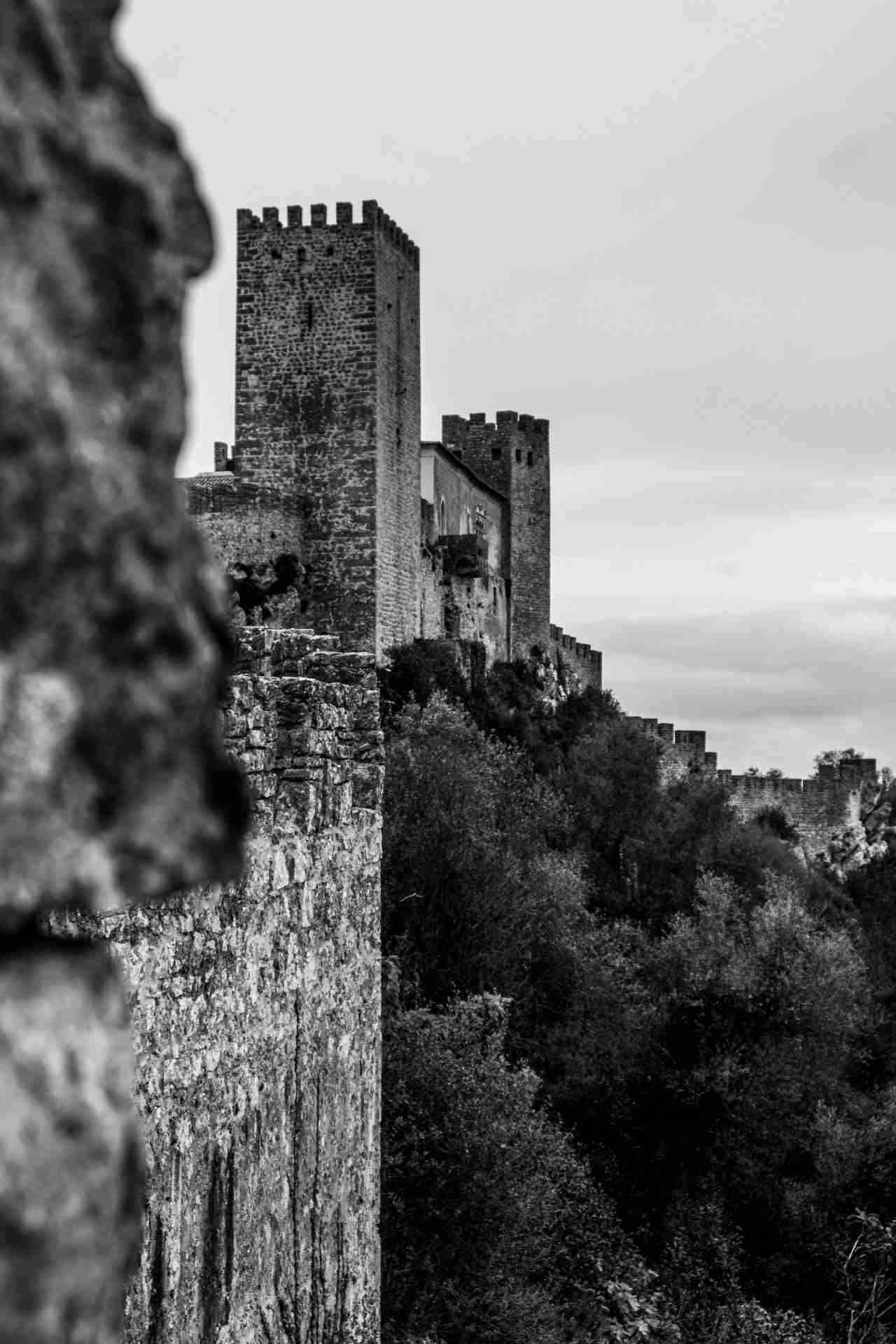
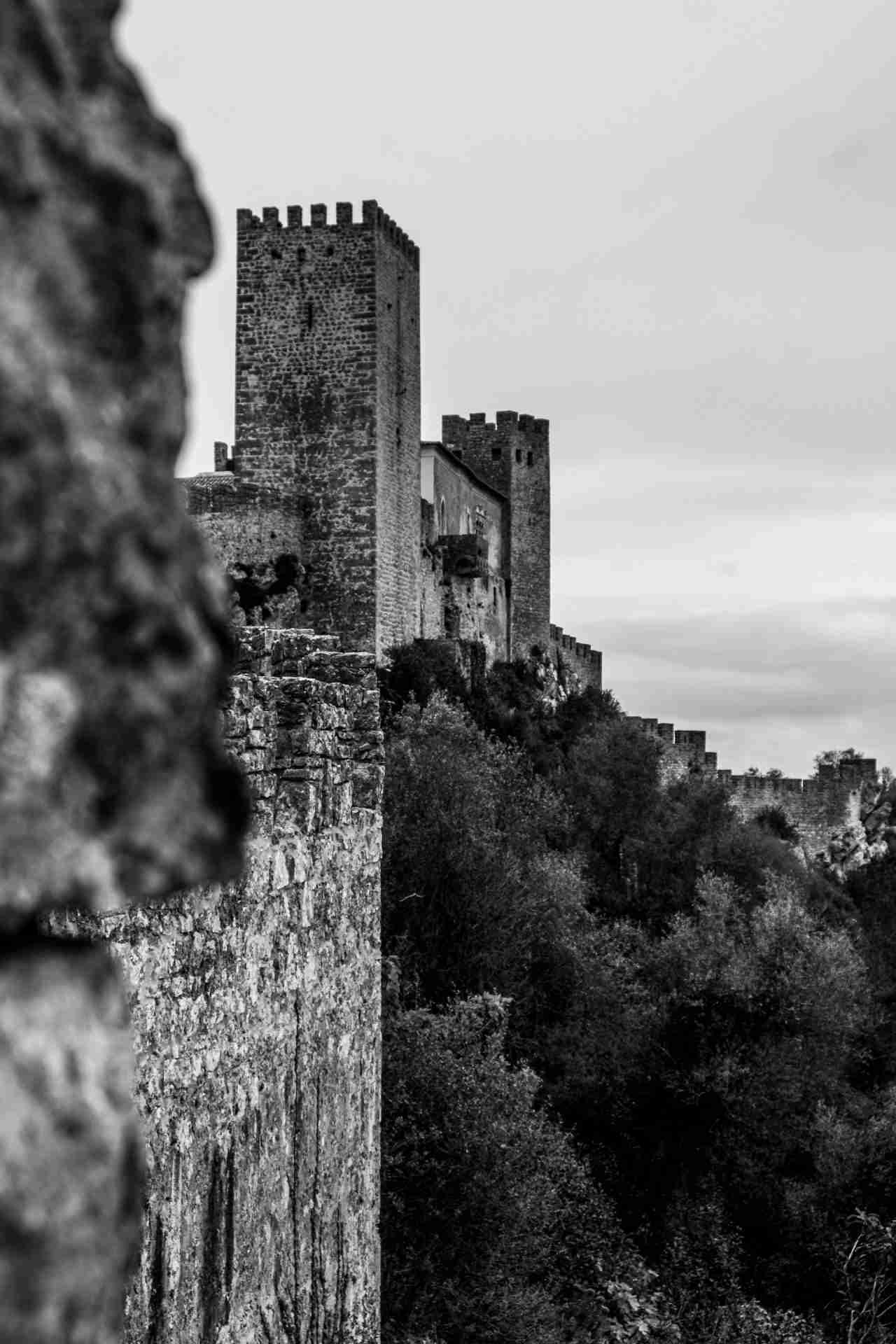
Rising above the tiled rooftops of one of Portugal's most photogenic medieval towns, Castelo de Óbidos offers photographers a fortified backdrop filled with texture, structure, and light that shifts dramatically throughout the day. This walled castle dominates the skyline of Óbidos, a small town in the Centro region known for its cobbled alleys, whitewashed buildings, and preserved ramparts. The castle's weathered stone walls, towers, and battlements offer endless angles for working with depth, pattern, and silhouette, while the elevated position grants wide views over the surrounding vineyards and countryside. Whether shooting tight architectural details or expansive golden hour vistas from the wall walk, Castelo de Óbidos provides a flexible and rewarding space for photographers seeking to combine human history with landscape elements.
Best Photography Opportunities
Golden Hour on the Western Walls
The outer ramparts along the western edge of the castle are ideally positioned to catch low afternoon light. As the sun drops toward the Atlantic, it casts a warm glow across the uneven surfaces of the battlements and highlights the terracotta rooftops inside the town walls. Shooting from atop the wall walk allows for dynamic foreground-to-background compositions, with crenellations creating repeating patterns that draw the eye through the frame. Using a wide-angle lens, you can capture the town, the distant plains, and the shadows growing long across the cobbled walkways. Late day light also helps reveal the texture of the stone and softens contrast in the deeper portions of the inner courtyard.
Framing Through Arches and Battlements
Throughout the castle and the old town, you'll find arched entryways, stone windows, and gaps in the battlements that offer strong natural frames. These architectural elements are perfect for creating layered compositions that focus the viewer's attention on a central subject, whether it's a tower in the distance or a figure walking below. Look for moments when light passes through one arch and strikes another surface inside the frame. These intersecting lines and shifting tones can be used to create visual rhythm, especially in black and white or high-contrast color work. A medium zoom lens allows you to adjust framing quickly while keeping architectural elements well aligned.
Morning Light on the Eastern Towers
The eastern side of the castle receives its best light early in the morning, particularly just after sunrise when the mist sometimes lingers over the nearby vineyards. The tall round towers on this side catch the first direct light, and their shadows stretch across the inner walls and town rooftops. Compositions here benefit from a slightly elevated perspective, such as the upper sections of the eastern wall walk, which offer clean views with little foreground obstruction. A polarizer can help deepen the blue in the morning sky and bring out warm tones in the sunlit stone, but should be used carefully to avoid uneven tones in wide shots.
Castle and Town Overviews from the South
From the hillside just south of Óbidos, you'll find excellent positions for capturing both the castle and the walled town in one panoramic frame. These views are especially striking in the hour before sunset, when side light rakes across the outer walls and highlights the white buildings within. This position also gives you a more distant and balanced perspective, useful for documentary or editorial work where you want to show the full scale of the historic site. A 24 to 105 millimeter lens is ideal here, giving you flexibility to crop tight on the walls or pull back to include the surrounding landscape.
Detail Studies in Stone and Tile
Inside the castle grounds and along the town walls, close-up studies of materials offer an entirely different visual language. Weathered stone blocks, iron fittings, lichen-covered battlements, and traditional Portuguese azulejos (ceramic tiles) are all abundant. These details photograph beautifully under overcast skies or soft light conditions, when contrast is muted and surface quality becomes more visible. A macro lens or short telephoto works well for these studies. Look for texture transitions, natural decay, or human touches like hand-worn railings and repair work that tell the story of age and use.
Best Time to Visit
The castle and its walls are best photographed during the spring and autumn months, when the light is lower and softer throughout the day, and temperatures are comfortable for extended sessions. From March through May, the surrounding landscape is green and often dotted with wildflowers, offering useful color contrast against the pale stone of the walls. Morning light during these months is gentle and directional, illuminating the eastern side of the structure and giving you time to work with shadows before they become too harsh.
Autumn brings warmer hues to the countryside and longer shadows in the town, particularly in late afternoon when the light begins to spill across the south and west-facing ramparts. These conditions are ideal for golden hour landscape-style shots or dramatic angles along the outer walls.
Summer offers bright skies and extended daylight, but also harsher midday light and more tourist traffic. The best approach in summer is to shoot early in the morning or close to sunset, when the crowds thin out and the light begins to soften again. Winter photography can be surprisingly rewarding if the weather is clear. The sun stays low, creating long shadow play on the walls, and morning fog in the surrounding valleys adds atmospheric depth to long lens work.
How to Get There
Castelo de Óbidos sits directly above the town of Óbidos, which is located about an hour north of Lisbon. If arriving by car, follow the A8 motorway and exit at Óbidos. Public parking is available outside the town walls, within a short walking distance of the castle and old town. From there, it's a straightforward walk through the town gate and up the cobbled main street to the base of the castle walls.
There is no need to hike or take any remote trails to reach the site. The castle grounds are accessible via paved paths, and the wall walk can be entered through stairways at several points along the perimeter. Note that sections of the wall walk are narrow and without guardrails, so caution is advised when carrying gear. Entrance to the castle complex is open daily, and while there is a fee for access to some areas, photography is permitted freely. Tripods are allowed, though it's best to avoid obstructing walkways during peak hours. Early morning is the quietest time to work with full access and minimal interruption.
Recommended Photography Gear
A wide-angle lens in the 16 to 35 millimeter range is ideal for capturing the interior spaces of the castle, wall walks, and wide town views from above. For general coverage, a 24 to 70 millimeter zoom is highly useful for framing scenes quickly and working with medium-distance subjects such as towers or interior courtyards. A 70 to 200 millimeter lens allows you to compress background layers and isolate architectural features, especially when shooting from across the town or toward the vineyards outside the walls.
Bring a tripod for golden hour, low light conditions, or long exposures when the light is subtle or fading. Neutral density filters are not essential but may help during long exposure work on cloudy days when you want to soften crowds or movement in foliage. A polarizer is helpful for controlling glare on stone and enhancing sky contrast, especially in midday sun, though use it carefully on wide compositions to avoid uneven gradients.
The castle's stone paths and wall walks are uneven, so wear stable footwear and use a backpack that distributes gear weight evenly. A microfiber cloth and weather-resistant bag are useful, as stone dust and wind can interfere with lens clarity. Early morning sessions can be chilly, particularly in winter or spring, so bring a layer if you're arriving before sunrise. The area around the castle has benches and flat surfaces suitable for tripod placement without interfering with traffic.
Nearby Photography Locations
Just below the castle, the town of Óbidos offers tight stone lanes, archways, and whitewashed buildings with blue or yellow trim. These streets are excellent for architectural compositions, human-scale street scenes, and pattern repetition in doors and windows. Morning light is best for shadow control and quiet moments before tourists arrive.
Located just outside the town walls, this 16th-century aqueduct stretches across the fields and offers excellent linear perspective. Its repetitive arches work well with side light and minimalist compositions, especially during early morning or late afternoon.
A short drive west brings you to this coastal lagoon where you can photograph open water, sandbars, and the meeting point of the Óbidos River and the Atlantic. This location is best for landscape or long exposure work, particularly at sunset when colors reflect across the calm water.
West of Óbidos, the cliffs at Foz do Arelho offer panoramic views over the Atlantic and the surrounding coastline. These high vantage points work well with telephoto compression or wide horizontal frames at golden hour.
Montejunto Mountain Viewpoints
To the southeast, the Serra de Montejunto provides a higher elevation viewpoint over central Portugal. On clear days, you can capture long sightlines with layered hills and low clouds. This area is less visited and offers a quieter landscape option for more remote shooting.
Castelo de Óbidos is more than a historical landmark. It's a place where structure meets open light, where the edge of each wall offers a new angle, and where centuries of stonework continue to catch the eye through shifting seasons. For photographers looking to balance architectural weight with natural landscape elements, this hillside castle provides both control and variation. Whether you're working with full sun, misty mornings, or textured dusk, Óbidos will give you the tools to compose with both patience and confidence.
Comments
Loading comments…