
![Brick Spirals and River Light on Lisbon’s Waterfront Farol de Belém is a unique red-brick tower rising along the Tagus […]](https://storage.googleapis.com/pixeo-blog.firebasestorage.app/article-images/wp-import/featured-135324.jpg)
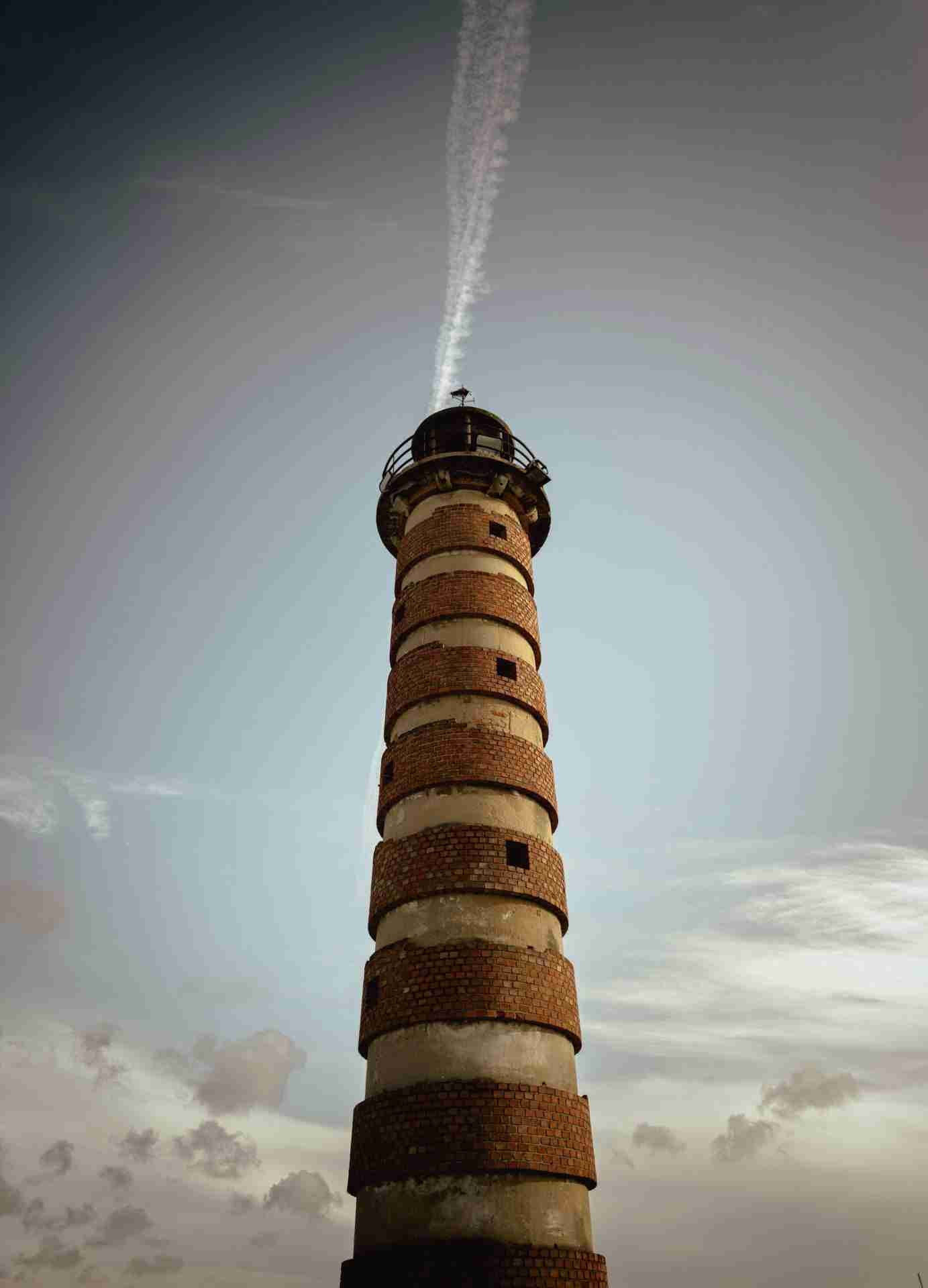
Farol de Belém is a unique red-brick tower rising along the Tagus River in Lisbon's historic Belém district. Though it looks like a lighthouse, it was never used for navigation and was built in 1940 as part of the Portuguese World Exhibition. Its cylindrical shape, wrapped in spiraling bands of brick and concrete, gives it a bold architectural presence that stands apart from the nearby Torre de Belém. This structure is more sculptural than functional, but for photographers it is a unique subject, rich in texture and full of creative potential. Surrounded by open promenades and river light, it invites compositions that balance open sky and water.
Best Photography Opportunities
• The Lighthouse's Unique Spiral Design
Farol de Belém's spiral design is its defining visual feature and gives it strong graphic appeal from nearly any angle. The alternating bands of brick and concrete create a rhythm that responds well to changes in natural light. Early and late in the day, side light helps emphasize the groove of the spiral, bringing depth and subtle contrast to the surface. Even in overcast conditions, the texture holds up, offering opportunities for soft, evenly lit compositions that focus more on tone than on shadow. Working up close with a wide lens lets you exaggerate the form, while mid range framing gives you cleaner vertical compositions with more architectural balance.
• Foreground Interest with Monuments Nearby
Its location near Torre de Belém and the Discoveries Monument allows you to build layered compositions that include multiple riverside landmarks in a single frame. The Farol's brick spiral contrasts well with the older stonework of its neighbors, giving you a strong balance of texture and color. Shooting wide lets you place it in the foreground with more historic elements behind it, while a tighter frame can isolate it within a modern context. This setup works especially well during golden hour when warm light highlights the different materials. It's an easy way to create variety in your shots without changing locations.
• Reflections and Surface Light
The river promenade surrounding the Farol often holds surface water after rainfall, creating shallow reflections that add another layer of depth to your compositions. These reflections can capture both the tower and the sky above, making for symmetrical or abstract shots depending on how you position the camera. Even in dry conditions, the pale stone pavement reflects warm tones during sunrise or sunset, providing a soft base beneath the red brick. Using a tripod and shooting at low angles helps make the most of these surfaces. The scene is typically quiet in the morning, giving you more control over reflections without interruption from passersby.
• Minimalist Compositions Against the Sky
Because the Farol stands somewhat isolated on the riverside, it is easy to frame it alone against open sky for minimalist or graphic compositions. This technique works particularly well on clear days or during twilight when the sky color gradients can be used to set mood and tone. A telephoto lens allows you to compress the background and isolate the spiral shape cleanly, while a wide lens gives you more room to incorporate negative space. These kinds of images benefit from careful attention to symmetry and line, so working slowly with a tripod can help. Minimalist shots like this are well suited for black and white processing, which can further emphasize form over color.
• People and Scale
Including people in your shots around the Farol provides a strong sense of scale, especially when subjects are walking or cycling along the river path nearby. The human figure helps communicate the tower's modest height and architectural style without distracting from the main subject. These moments are best captured candidly, using a mid range focal length to keep the background clean. You can shoot from behind to keep the figure anonymous or from a side angle to include interaction with the structure or environment. This technique works well throughout the day and brings a more narrative tone to a location that otherwise leans toward stillness and structure.
Best Time to Visit
The tower can be photographed year round, but early morning and late afternoon are the best times to catch strong light across the surface. The low sun brings out color in the brick and helps define the texture of the spiral form. Clear skies offer the cleanest backdrop for isolating the structure, while cloudy days work well for more muted, evenly lit compositions.
Spring and autumn tend to offer more manageable light than the height of summer, and the riverside area is less busy in the morning. Rain can add useful surface reflections and bring out color in the pavement, while also helping reduce foot traffic if you prefer cleaner compositions.
How to Get There
Farol de Belém is located in the Belém district of Lisbon, right along the riverfront. The area is fully accessible on foot, by bicycle, and by public transit from central Lisbon. There is also nearby access for vehicles, and parking is generally available within walking distance. No hiking or special access is required. The promenade is open to the public at all times, and the tower can be visited freely without entry fees or restrictions. It is an easy addition to any photography itinerary in Lisbon.
Recommended Photography Gear
A standard zoom lens will give you the flexibility to frame both tight architectural details and wider riverside scenes. A wide angle lens helps exaggerate the spiral form when shooting up close or from low angles. A short telephoto can be useful if you are shooting from a distance or want to isolate the tower against the sky or water.
A tripod is helpful for early morning, low light, or long exposure work, especially if you are including reflections or waiting for twilight. A circular polarizer can deepen sky color and control glare on wet pavement. No special gear is required beyond the usual street or architectural photography setup, and the flat ground makes it easy to move freely with your kit.
Nearby Photography Locations
This 16th century fortress is one of Lisbon's most photographed landmarks. Its placement in the Tagus River and rich architectural detail make it a strong subject from every angle, especially at golden hour or during high tide.
A massive sculptural monument shaped like a ship's prow, this site offers bold lines and strong directionality in compositions. Late afternoon light is especially good for highlighting the carved figures along its flanks.
A striking piece of modern architecture with curved lines and a reflective tile surface. This building responds well to both directional light and minimalist framing and offers a fresh visual contrast to the older monuments nearby.
A short walk from the riverside, this ornate religious building offers high stone detail, arches, and cloisters. The light inside the cloisters is soft and steady, making it ideal for interior work and architectural studies.
Farther upriver, this marina district features bridges, boats, and nighttime lighting that reflect beautifully across the water. It is a strong option for twilight and long exposure photography.
Farol de Belém may not be a working lighthouse, but it remains a solid visual anchor in one of Lisbon's most photogenic neighborhoods. Its textured spiral form and open surroundings make it easy to shoot from multiple angles, and its location among historic landmarks gives you plenty of material to build a full day of riverfront photography. Whether used as a central subject or part of a wider composition, it adds a unique shape and story to the Lisbon skyline.
Comments
Loading comments…