
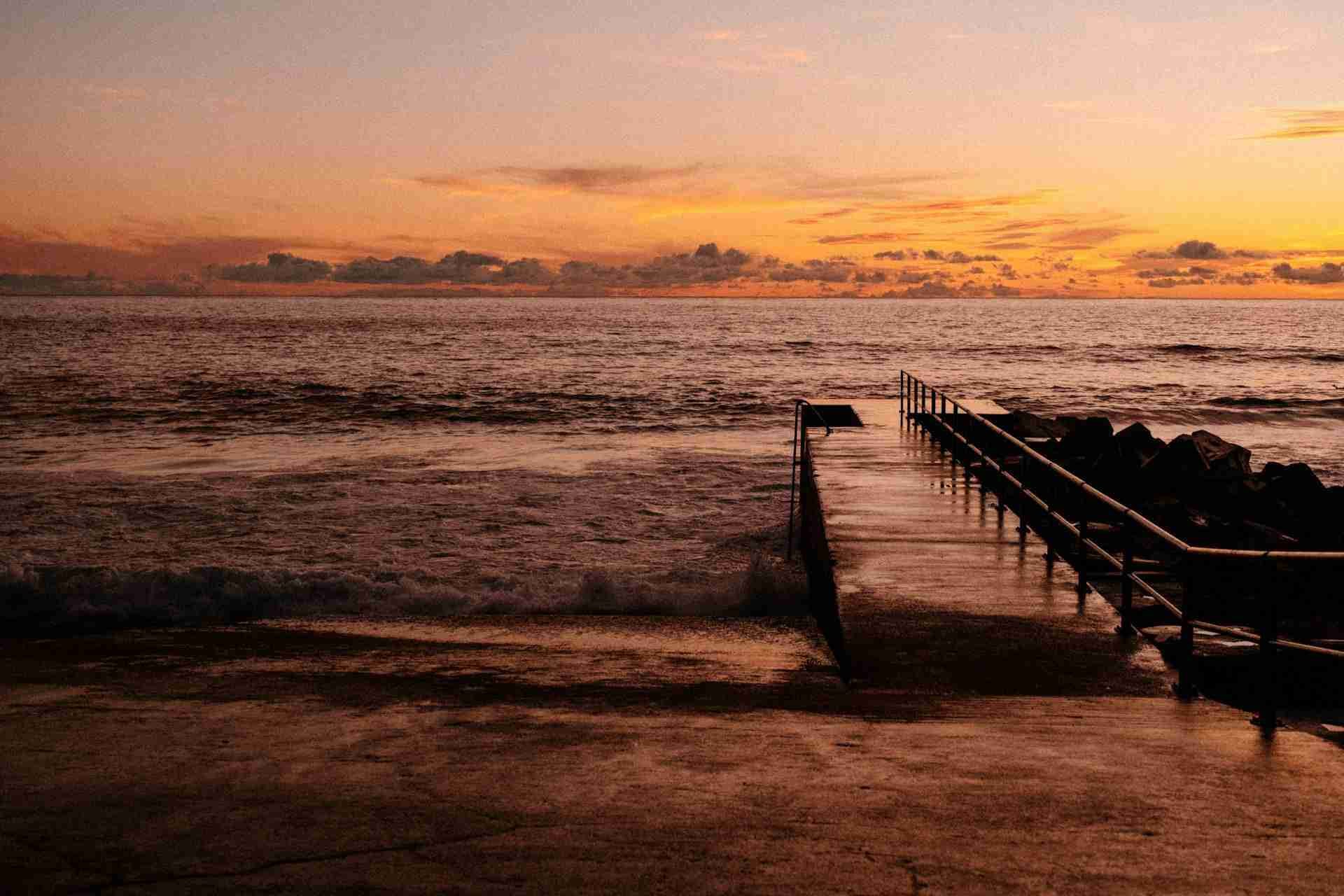
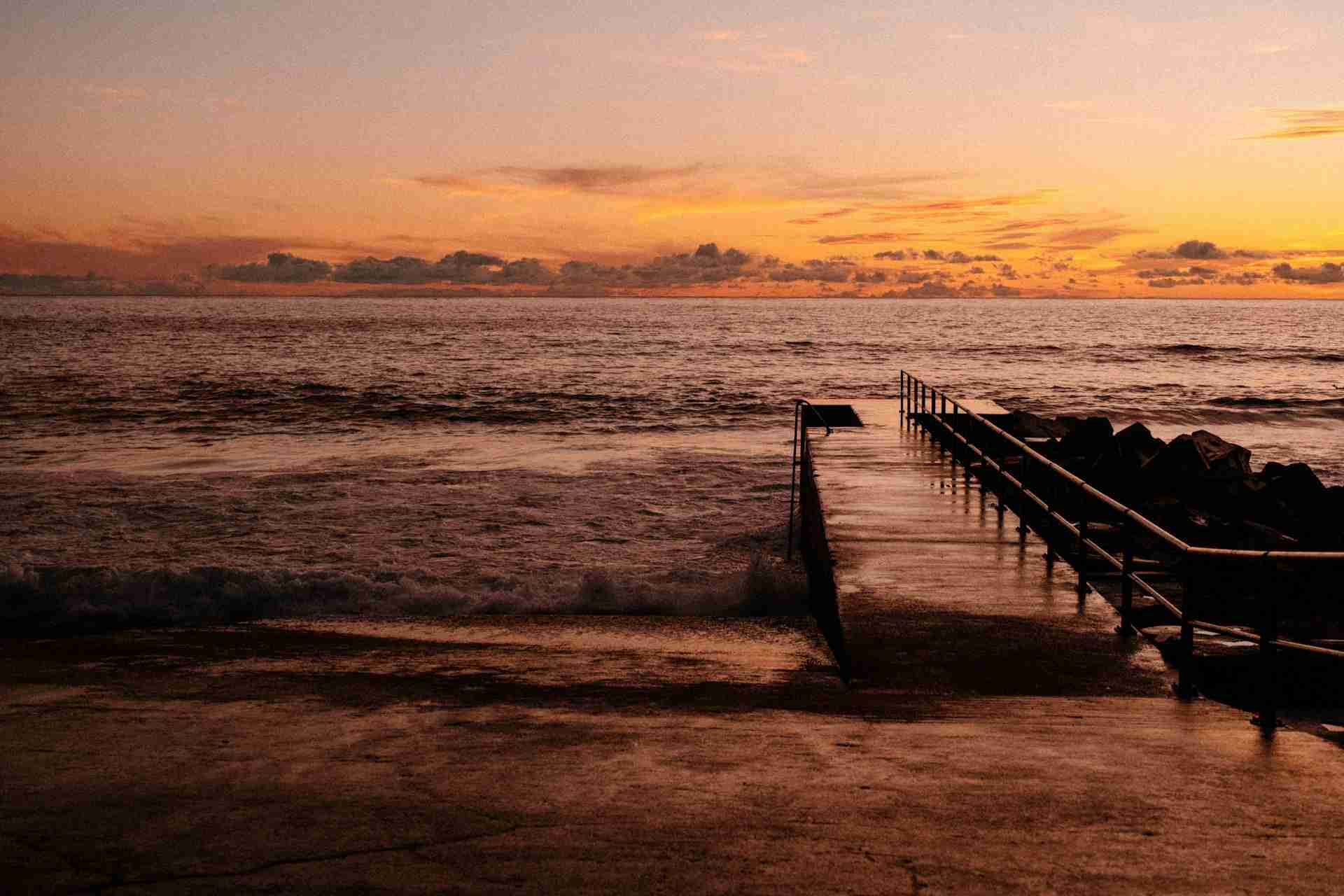
Tucked along the southwest coast of Madeira, Praia do Portinho is a narrow, pebbled beach in the quiet village of Jardim do Mar. Unlike the broad sandy beaches found elsewhere, this stretch of shoreline is lined with polished volcanic stones, dramatic cliffs, and ever-changing waves rolling in from the Atlantic. The strong geometry of the rocks, paired with the powerful motion of water and sky, makes it an excellent place for photographers interested in minimalist compositions, long exposure work, and coastal texture. The beach sits just below the village's charming stone buildings, offering layered scenes where human scale meets rugged seascape. Light conditions vary throughout the day, with soft morning tones and bold color at sunset creating very different moods from a single location.
Best Photography Opportunities
• Long exposures of the rocky shoreline
Praia do Portinho is a strong subject for long exposure photography. The rounded volcanic stones remain still while the Atlantic tide moves in and out, creating soft mist-like water effects around the rocks. Use a tripod and neutral density filters to stretch your exposures and smooth the motion of the sea. Early morning and late evening provide low light that helps avoid overexposure. The contrast between sharp stone texture and blurred water creates a balanced, calming frame. Be sure to check the tide and stay alert, as waves can reach further than expected during long exposures near the surf.
• Low compositions with foreground stone patterns
Getting low to the beach surface allows you to work with the smooth, rounded stones as dominant foreground elements. These polished rocks vary in tone, from deep gray to soft earth reds, especially after rain or in wet conditions. With a wide angle lens, you can stretch the perspective and draw the eye through the frame toward the sea or cliffs in the distance. Morning light gives the stones a subtle sheen, while overcast skies help reduce glare and hold surface detail. These images work well for leading lines and layered composition, especially if you keep the background clean and simple.
• Cliff reflections and layered frames
The towering cliffs that border Praia do Portinho provide a strong vertical contrast to the flatness of the beach. In calm conditions or after rainfall, puddles among the rocks often reflect parts of the cliffs and sky. Composing shots that include both the textured ground and reflected cliffs offers an opportunity to frame subjects within the landscape itself. A standard zoom lens gives enough flexibility to adjust as the light changes. Late afternoon sunlight lights the cliff face from the side, bringing out rich texture and color. These compositions benefit from subtle framing and quiet light.
• Street-to-sea views from the village edge
From the narrow streets above the beach, you can shoot down toward the water, capturing the transition between the stone buildings, garden plants, and the coastline below. These scenes blend human detail with natural elements, creating a sense of place that feels intimate and grounded. Use a mid range focal length to compress space and control distractions. Morning light works well here, casting soft glow on walls and bringing balance to sea and sky. This is also a good setting for storytelling shots that include people walking or sitting along the walls above the beach.
• Silhouettes and color at sunset
Jardim do Mar's western coastline gives Praia do Portinho strong light at day's end. When the sun drops low behind the sea, you can frame silhouettes of rocks, fishermen, or the village skyline against a backdrop of deepening color. A tripod helps with exposure stability as the light fades. Use a wide aperture to hold focus in darker conditions and time your shots for the moment just before the sun disappears. The colors range from soft orange to deep magenta, depending on the cloud cover. These conditions change quickly, so plan to be set up early and ready to adjust.
Best Time to Visit
The best time to photograph Praia do Portinho is during early morning or late afternoon, when the low angle of the sun creates texture across the rocks and cliffs. Morning light is softer and more even, especially for shooting from the village down toward the beach. Late afternoon brings warmer tones and stronger contrast, particularly across the cliffs and waterline. Sunset can be dramatic here, especially when clouds reflect light above the ocean.
Spring and autumn offer the most reliable lighting conditions, with moderate temperatures and fewer visitors. During winter, the Atlantic swell is stronger, which can add movement and power to long exposure shots, though conditions may be more unpredictable. Summer days are bright and clear, but the light can be harsh in the middle of the day, and shadows are deeper along the cliffs. Overcast weather works well for detail shots and even exposures across the stone covered ground.
Tide conditions make a significant difference at this location. Low tide reveals more beach and foreground, while high tide can limit access and compress your shooting space. Check local tide charts before visiting if you plan to photograph close to the waterline.
How to Get There
Jardim do Mar is located along Madeira's southwestern coast, about an hour's drive from Funchal. From the main highway, follow signs to the village, then take the winding road down into the older part of town. Parking is available near the top of the village, as much of Jardim do Mar is pedestrian only. From the parking area, it's a short walk through narrow, paved lanes to the beach.
Access to Praia do Portinho is down a stepped path that leads directly to the shoreline. The path is in good condition, but the beach itself is rocky and uneven, so wear stable footwear. There are no fees to visit the beach, and it is open at all hours. Tripods and photography gear can be carried easily, though keep gear secure if you're working close to the water. There are no restrooms or facilities directly on the beach, but small cafés and shops are available in the village center.
Recommended Photography Gear
A wide angle lens is essential for capturing the full scope of the beach and for working close to the ground with foreground stone patterns. A standard zoom lens gives you flexibility for mid range compositions, reflections, and framing from the cliffs above. For sunset and silhouette work, a telephoto lens helps compress elements and isolate light on the horizon.
A sturdy tripod is necessary for long exposures, twilight photography, and aligning precise compositions. Neutral density filters are useful for smoothing water movement, and a polarizing filter can reduce glare on wet stones and help deepen sky tones. Bring a lens cloth, as sea spray and sand are both common and can affect image clarity.
Sturdy shoes with grip are highly recommended for walking on the rocky surface. A weather sealed camera or protective cover helps if you're working near breaking waves. Because the area is quiet and isolated, you can comfortably carry a full gear setup without concern for crowds or space.
Nearby Photography Locations
Set on high cliffs with wide ocean views, this lighthouse is an excellent spot for sunset photography. The landscape is open and dramatic, and the light at day's end adds strong definition to the terrain and sea.
Just a short drive away, this coastal village has a working harbor, sea walls, and a mix of human and natural subjects. The curved coastline and fishing activity offer plenty of options for both wide and detail shots.
Perched on the hillside above the coast, this small town offers panoramic views over the sea and terraced farmland. The best compositions here come during golden hour, when light sweeps across the hills and stone buildings.
This walking path offers elevated views of the coast and surrounding countryside. The combination of vegetation, open sky, and deep valley lines creates strong opportunities for layered landscapes and natural framing.
East of Jardim do Mar, this small town features a pier that extends out into the water, with strong symmetry and wave movement during rougher sea conditions. Early morning is ideal here for soft light and calm seas.
Praia do Portinho is not a grand or sprawling location, but it delivers quiet strength through texture, motion, and carefully timed light. The combination of rocky shoreline, natural soundscape, and open sea makes it a rewarding spot for thoughtful compositions. Whether you're experimenting with long exposures or working with natural color and contrast, this stretch of beach offers clarity and creative control without distraction.
Comments
Loading comments…