
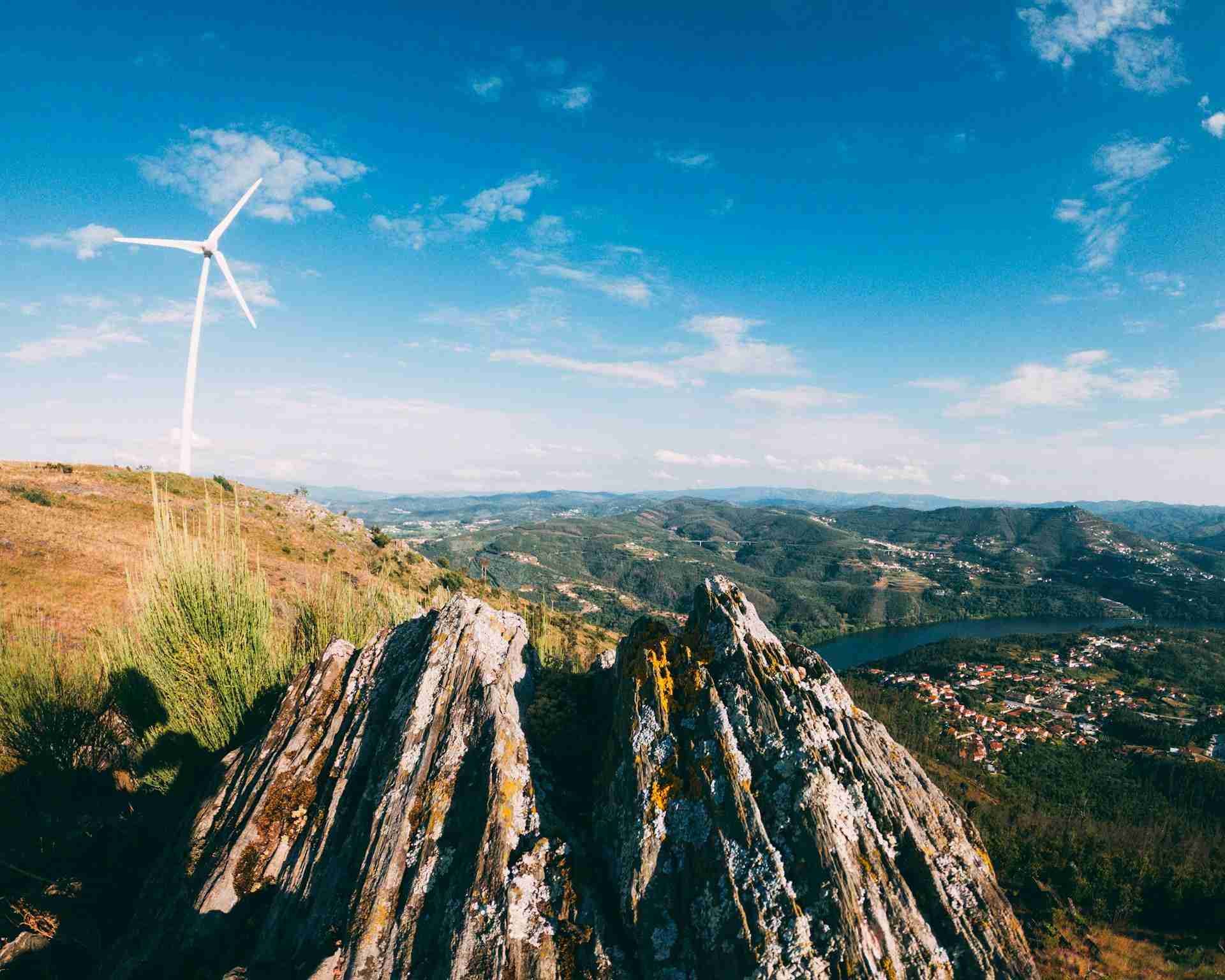
Serra da Boneca is a high ridgeline that combines open terrain, dramatic sky, and easy access. The hilltop is lined with wind turbines and surrounded by sharp slopes that drop into the surrounding valleys. It's not a place full of buildings or cultural landmarks, but for photographers interested in space, light, and structure, it's one of the most rewarding viewpoints in the region. The road climbs steadily to a high point where you can shoot in multiple directions, often without seeing another person. What makes this location work is the balance between wide views, low ground cover, and the repeating verticals of the turbines. It's a simple setup, but under the right light, it gives strong results with very little effort.
Best Photography Opportunities
• Sunrise from the Main Ridge
The best view comes from the upper ridge where you can look east toward the distant hills or frame the turbines against early morning fog. The light arrives clean and soft from this angle, and on clear days you'll get low contrast across the slopes. Sunrise brings the best atmospheric conditions, especially if there's moisture in the valleys. A wide angle lens helps hold the curve of the ridge, while a telephoto can compress the turbines into stronger graphic patterns. Bring a tripod for longer exposures and stability in the wind.
• Side Light on Turbines and Terrain
The turbines cast long shadows across the hills in both morning and late afternoon, creating strong shapes and layered compositions. These conditions are best with side light, when the shadows help define the slope and add contrast. Shooting with a medium zoom lets you balance the turbines with the shape of the terrain. These frames work well in color or black and white, and the minimal ground cover makes it easy to keep the frame clean. Overcast light works too, but you'll lose the strong shadow lines that define the shape of the scene.
• Mist and Cloud Rolling Through the Valleys
In the right season, low cloud cover often settles in the valleys around Serra da Boneca and starts to rise as the sun warms the landscape. These conditions create natural depth, especially if you can shoot from slightly above the cloud layer. Look for moments when just the tops of the turbines emerge from the fog, or when ridgelines begin to appear in layers. This kind of frame requires patience and timing but can give one of the most atmospheric results in the region. A polarizing filter helps reduce haze and add contrast between the clouds and terrain.
• Minimalist Compositions
The simplicity of the landscape at Serra da Boneca makes it easy to isolate individual turbines against sky or open land. These shots work best with long focal lengths and a soft background. Using negative space here adds a sense of calm and draws attention to the structure of each tower. These compositions often perform well in flat light or light fog, where subtlety matters more than color or contrast. Avoid midday sun, which tends to flatten the scene and overexpose the pale turbine surfaces.
• Long Exposures
With consistent wind and moving turbine blades, this is a solid location for long exposure work. Using a neutral density filter, you can blur the blade motion while keeping the landscape sharp. These exposures also help smooth out sky and cloud movement, especially during sunset or in variable conditions. A strong tripod and remote shutter release are useful here, especially in exposed spots where gusts are common. Look for frames where the turbine stands still between two blurred towers, or compose with overlapping motion for rhythm.
Best Time to Visit
Sunrise is the most productive time to shoot Serra da Boneca. The ridgeline faces east and catches first light across the slopes, with the best chance of valley fog in the cooler months. Late afternoon also works well, but heat haze and backlight can reduce contrast in summer. Spring and autumn bring the best light variation, with strong shadows and cooler temperatures. The site is fully exposed, so in high summer the light becomes harsh by mid morning. Winter conditions are changeable, and fog or rain can reduce visibility completely. Overcast days can still work for soft detail shots and long exposure studies, but the turbines lose some of their shape without directional light.
How to Get There
Serra da Boneca is located near the town of Penafiel in the Porto District. The route climbs into the hills along gravel roads and ends near the summit. There are no access fees or restrictions, and the road is suitable for standard vehicles. Watch for sudden turns and occasional farm traffic, especially near blind curves. The area is marked with signs at key junctions, and cell service is generally reliable for navigation.
Recommended Photography Gear
A wide to standard zoom (16–70mm or similar) covers most of the ridge and turbine work. A short telephoto lens is useful for isolating towers or compressing cloud layers. A tripod is essential for sunrise, sunset, and long exposure work, especially in wind. Bring a remote shutter or timer release to reduce camera shake. A polarizing filter helps cut haze and deepen contrast in the sky, but avoid over polarizing when shooting wide. A neutral density filter opens up options for motion blur in turbine blades or sky movement. There's no need for heavy gear here. A small kit and solid base will get you everything you need.
Nearby Photography Locations
• Miradouro da Torre de Vigia de Sebolido
Just below the summit, this viewpoint gives wide views of the Douro River and surrounding hills. It's a good stop before sunrise or a quiet place to catch light across the valley. A long lens works best here to compress the curves of the river and the overlapping ridges.
A rocky outcrop further south that offers elevated views and strong natural lines in the surrounding hills. It's best in the late afternoon when the sun drops behind the distant ridges and backlights the rock surface.
This ancient hill fort outside Penafiel offers a completely different setting, with stone ruins and dry grass textures. It's good for sunset or overcast detail work, with room to shoot both wide and tight compositions.
A short drive west, this vineyard features neat rows, gentle hills, and architectural details. In early morning or during harvest, it can produce strong frames in soft light. Access may be limited, so check ahead for hours and entry.
Located just below the main ridge, this large wooden swing has become a local photo spot thanks to its placement above the valley. Framing a subject on the swing with the hills behind creates strong foreground-to-background separation. It works best in the early morning when the light comes in soft and the area is quiet.
Comments
Loading comments…