
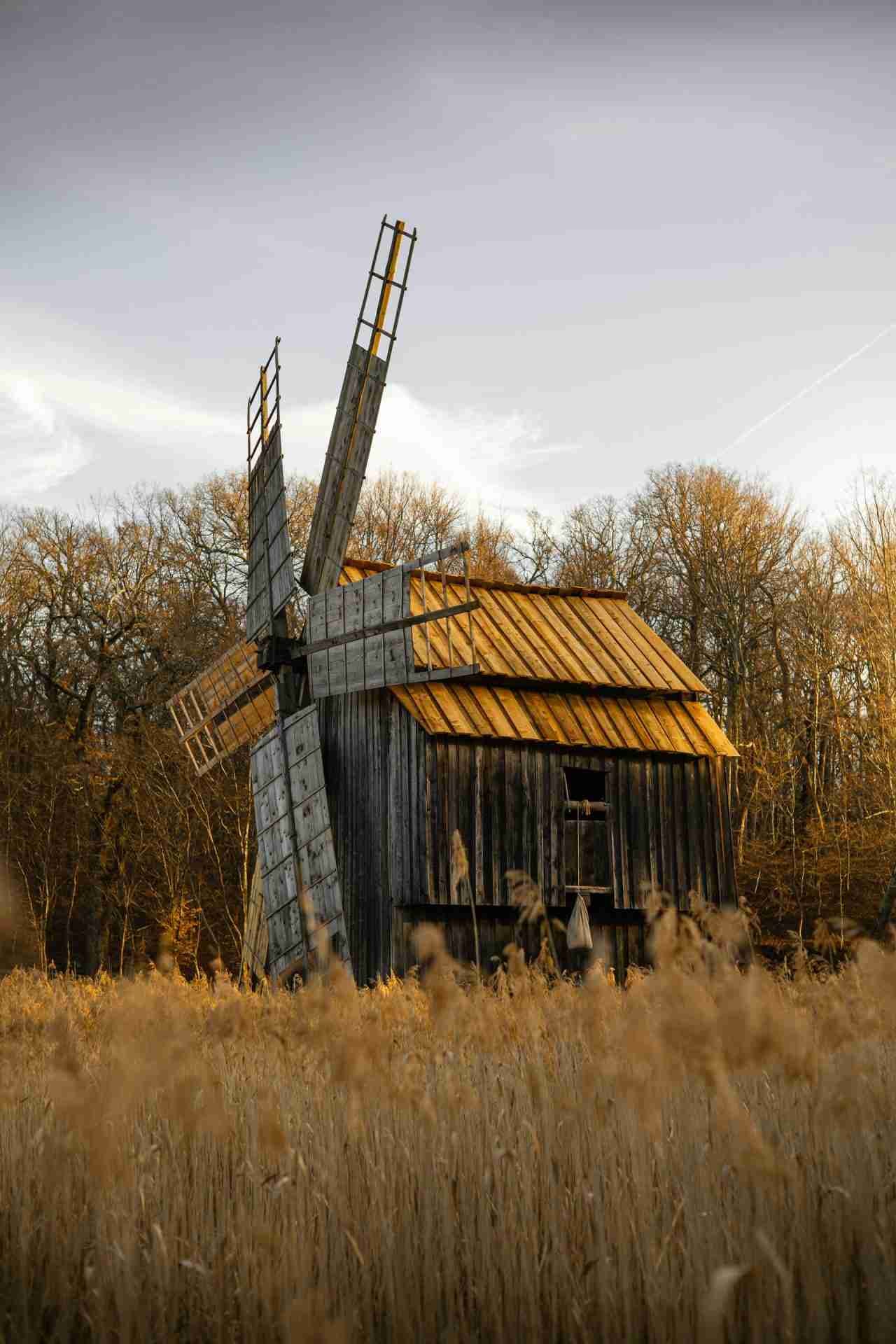
Muzeul ASTRA sits within the Dumbrava Forest just outside the city of Sibiu in Romania. This large open air museum spreads across a wide wooded landscape filled with traditional buildings relocated from villages throughout the country. Farmhouses, workshops, churches, water mills, windmills and barns are arranged along walking paths and beside a long lake that runs through the center of the park. The museum focuses on preserving traditional Romanian rural life, and each structure represents a different region or craft. For photographers, the setting offers far more than a typical museum experience. The buildings sit in natural surroundings with trees, fields, and water rather than within enclosed exhibits. As you walk through the grounds, scenes constantly change between woodland trails, lakeside clearings, and small village clusters. Because the structures are authentic and spread widely across the forest, it feels less like a display and more like stepping into the landscapes where these buildings originally stood.
Best Photography Opportunities
• Traditional Wooden Windmills –
One of the most visually striking areas of Muzeul ASTRA is the group of traditional wooden windmills standing together in an open clearing. These tall structures rise above the grass with long blades extending outward, creating strong shapes against the sky. Photographing from a low position allows the windmills to dominate the frame while the blades stretch outward in dramatic lines. A wide lens works well here because it emphasizes the height of the structures and the open space around them. Moving around the clearing allows you to align multiple windmills within the frame, creating repeating patterns that guide the viewer's eye through the scene. Early morning or late afternoon light often brings out the texture of the weathered wood and adds depth to the landscape.
• Reflections Along Lacul Dumbrava –
Several of the museum's traditional structures sit close to the shoreline of Lacul Dumbrava, creating excellent opportunities for lakeside compositions. Buildings such as wooden mills and houses appear framed by trees with open water in the foreground, giving the scene depth and balance. When the water is calm, the lake can mirror the structures and surrounding forest, adding a clean reflective element to the composition. Positioning yourself along the shoreline paths allows you to align the buildings with the water and tree line behind them. A moderate wide lens works well for capturing the architecture together with the lake and forest setting. Early morning is often the best time to photograph these scenes, when the light is soft and the water surface is smoother.
• Wooden Churches –
Several historic wooden churches stand within the museum grounds, each built using traditional construction methods and decorated with carved wood elements. The tall roofs and narrow towers create strong vertical shapes that stand out among the surrounding trees. A mid range zoom works well for framing the full structure while still including part of the forest setting. Closer shots of doorways, carved beams, and wooden shingles can reveal craftsmanship that dates back centuries. Side lighting often highlights the texture of the aged wood. These compositions work well throughout the day because the surrounding trees help soften the light.
• Traditional Village Streets –
Some areas of Muzeul ASTRA are arranged like small village streets with houses, fences, wells, and wooden gates lining the paths. Photographing along these pathways creates natural leading lines that guide the viewer deeper into the scene. A moderate wide lens helps capture both the architecture and the surrounding environment. Positioning yourself so the path curves gently through the buildings adds depth and structure to the composition. These scenes feel especially authentic because the buildings are arranged much like they would be in their original villages.
• Forest Paths and Wooden Fences –
The museum's trails wind through sections of forest where traditional fences and farm buildings appear between the trees. These quieter corners can produce atmospheric woodland images that feel removed from the more open areas. A wide lens helps emphasize the winding paths and tree canopy above. In autumn the surrounding forest becomes particularly colorful, with fallen leaves covering the ground around the historic structures. Overcast conditions often work well in these shaded areas because the light remains soft and even.
Best Time to Visit
Early morning is often the best time to photograph Muzeul ASTRA. The museum grounds are quieter and the soft light filtering through the forest creates a gentle atmosphere across the buildings and paths. Morning conditions can also produce calmer water along the lake for reflection photography.
Spring and summer bring lush greenery that surrounds the traditional houses and windmills. Autumn can be especially rewarding when the surrounding forest turns warm shades of yellow and orange. Because the museum is located within woodland, overcast conditions can actually work well by providing soft, even light throughout the day.
How to Get There
Muzeul ASTRA is located in the Dumbrava Forest just south of Sibiu in Romania. The museum sits along Strada Pădurea Dumbrava and can be reached easily by car from Sibiu's city center in about fifteen minutes. Public buses also run between Sibiu and the Dumbrava Forest area, stopping near the museum entrance. Parking is available close to the main entrance for visitors arriving by car. The museum grounds are large, so exploring the entire site requires a fair amount of walking along the network of forest paths. Access to the museum grounds requires an admission ticket. Once inside, visitors are free to walk throughout the property and explore the various buildings and landscapes.
Recommended Photography Gear
A wide lens is particularly useful at Muzeul ASTRA because it allows you to capture the windmills, houses, and churches within their surrounding landscape. A mid range zoom offers flexibility when photographing buildings along village paths or beside the lake. A telephoto lens can help isolate architectural details such as carved wooden beams and decorative elements.
A tripod can be useful during early morning or evening when light levels are lower under the forest canopy. A polarizer may help reduce glare on the water and deepen colors in the sky. Because the museum covers a large wooded area, carrying a comfortable camera bag and lightweight gear makes exploring the grounds much easier.
Nearby Photography Locations
features colorful buildings, narrow streets, and large public squares surrounded by medieval architecture. The well known "eyes of Sibiu" rooftop windows add a unique visual element to many buildings. Early morning is often the best time to photograph the city before crowds arrive.
is one of the most recognizable landmarks in Sibiu. This small iron bridge crosses a narrow street and connects two sections of the old town. The curved structure and surrounding historic buildings create strong architectural compositions.
• Sibiu Lutheran Cathedral
rises high above Sibiu's old town with a tall Gothic tower and detailed stone architecture. The surrounding square provides several strong viewpoints for photographing the church. Climbing the tower also offers wide views across the rooftops of the city.
winds through the Carpathian Mountains and is considered one of the most scenic roads in Europe. The road curves dramatically through alpine landscapes with sweeping views across the mountains. Sunrise and sunset can produce particularly dramatic scenes here.
sits high in the Făgăraș Mountains along the Transfăgărășan Highway. The alpine lake is surrounded by steep rocky slopes and often reflects the surrounding peaks when conditions are calm. The location offers striking mountain landscapes and changing weather conditions.
Comments
Loading comments…