
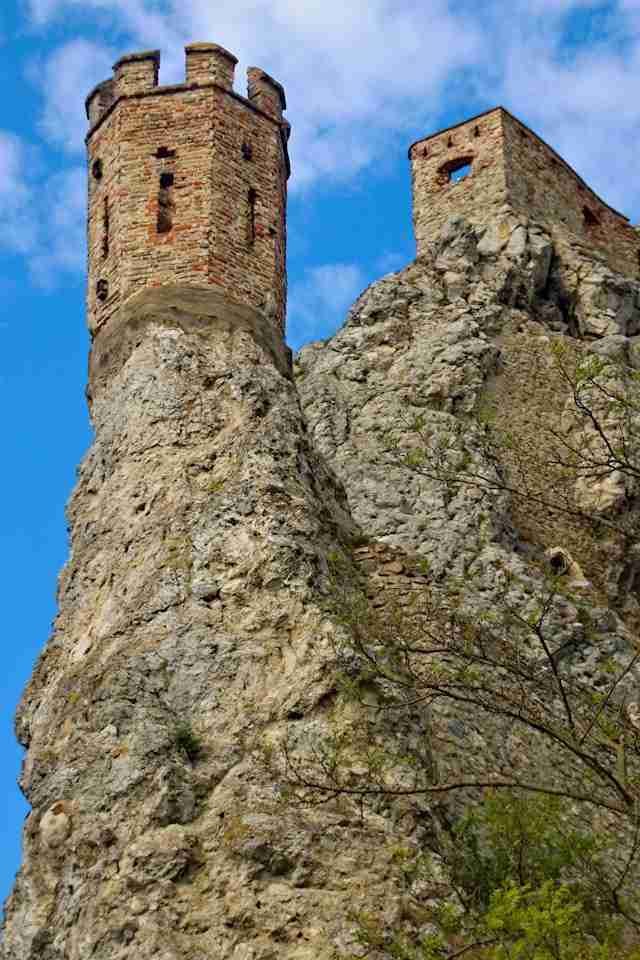
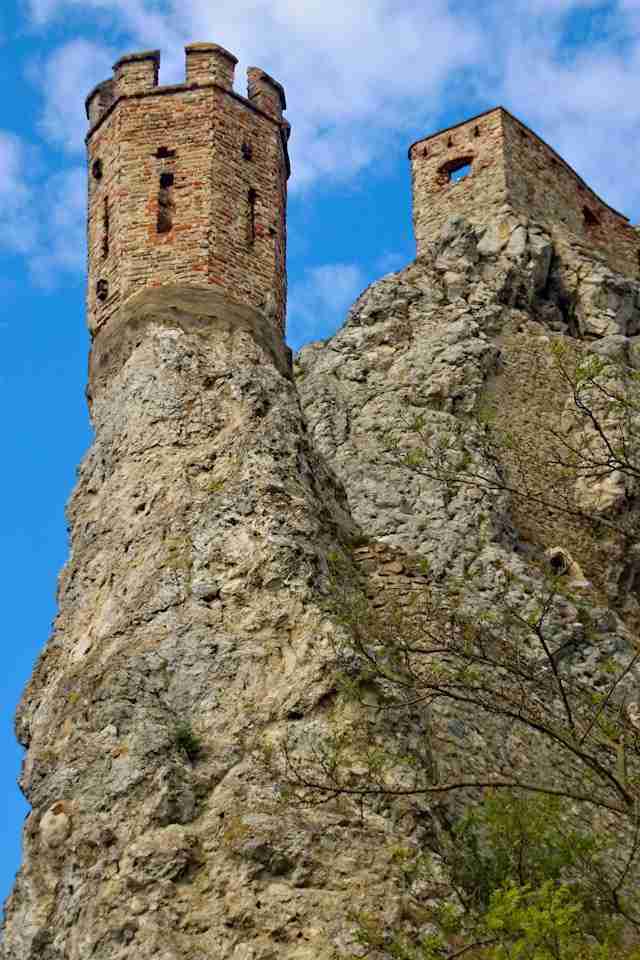
Hrad Devín stands high above the point where the Danube and Morava rivers merge, its broken walls and stone towers clinging to a cliff that feels almost sculpted by time. This ruined fortress, just outside Bratislava, commands views in every direction; over water, lowland fields, and distant hills that shift color with the seasons. Though partially restored, much of the structure is still raw and weathered, offering countless opportunities to photograph textures, forms, and the passage of time itself. The open skies, the river light, and the changing angles of sun and shadow throughout the day make this location especially rewarding for those who are patient with their framing. Whether you're drawn to long shots across the river or up-close details within the old fortress walls, Hrad Devín delivers a wide range of creative options in a compact and accessible space.
Best Photography Opportunities
• The Upper Castle and River Confluence
: From the highest accessible terrace of the castle, photographers are treated to uninterrupted views of the Danube and Morava rivers merging far below. This perspective is ideal for wide-angle lenses that can take in the full scope of the scene, especially during sunrise or sunset when the sky often carries color in multiple directions. During clear weather, you can see across the Austrian border, adding a sense of cross-cultural geography to your images. Strong leading lines can be created by the rivers themselves or by the stone railings and pathways that guide the eye through the composition. The elevation also makes this an ideal location for layered landscape work, capturing the castle ruins in the foreground and distant hills in soft contrast.
• Maiden Tower on the Outcrop
: This small, isolated structure sits on a rocky spike below the main castle and is visible from various paths and viewpoints around the site. It works well as a focal point in minimalist compositions, particularly when framed with sky or water behind it. Long lenses can compress the background, turning the tower into a strong visual anchor against the wide river valley or evening sky. During foggy mornings or in winter when the trees are bare, the tower takes on a ghostly appearance that suits monochrome work or soft color grading. For the best angle, walk partway down the slope to the riverside paths where the elevation change lets you shoot across at eye level rather than down from above.
• Interior Walls and Architectural Details
: Inside the fortress, photographers can explore a variety of stone corridors, crumbling staircases, and restored archways. The interplay of light and shadow throughout the day offers a natural setting for detail shots, especially when the sun is low and casts side lighting across the stonework. Texture is a dominant feature here, from weather-smoothed stone to aged wooden doors, all of which can be highlighted with oblique lighting or close-up compositions. These details also offer opportunities for storytelling imagery, especially when capturing the contrast between restoration and decay. If you shoot with a fast lens, this is an excellent place to play with depth of field and isolate individual structural elements.
• Drone Perspectives of the Cliffside Fortress
: For those with proper permits and awareness of local drone regulations, aerial photography opens up a completely different perspective. From above, the layout of the castle becomes clear, its walls hugging the cliff and stretching out toward the rivers. Sunrise and late afternoon are particularly effective times to shoot from the air, as shadows stretch across the terrain and emphasize the rugged landscape. Drone shots are also useful for showing the relationship between natural and human-made elements in the area, capturing the fortress as part of a larger geographic composition. Be aware of wind conditions and local bird activity, especially near the rivers, and plan your flights conservatively to avoid disruptions.
• Low Riverbank Views and Seasonal Color
: Along the Morava River trail below the castle, there are opportunities for low-angle compositions that include water reflections, seasonal vegetation, and the castle high above. In spring, green fields and wildflowers can be used as foreground texture. In autumn, the scene warms up with yellows and browns that complement the color of the stone. Early morning light from the east often hits the upper castle while the river valley below remains in cool shade, offering a natural contrast that works well for layered exposures. If the wind is calm, still water can create mirror-like reflections, which add symmetry to wide-format compositions.
Best Time to Visit
Hrad Devín is accessible year-round, but each season offers a slightly different photographic experience. Spring brings new growth and vibrant fields below the castle, paired with soft light and occasional river mist in the mornings. This is one of the best times to visit if you are interested in natural textures and quiet, diffused lighting conditions. Summer has longer shooting hours and consistently clear skies, though crowds can become a distraction and the midday light is often too harsh for clean exposures. Autumn is ideal for rich colors and golden light, especially in the late afternoon when the western-facing cliffs catch the sun directly. Winter brings dramatic contrast and, when snow falls, the entire site takes on a clean, stripped-down appearance that suits both color and black-and-white photography. The castle opens to the public during regular hours, but exterior views and river paths are accessible even when the main gates are closed.
How to Get There
Hrad Devín is located approximately 12 kilometers northwest of Bratislava, making it a straightforward destination for photographers based in the capital. By car, follow Route 505 through Karlova Ves and Devínska cesta with signage guiding you toward the castle's dedicated parking lot at the base of the hill. From there, a paved footpath leads to the main entrance. The walk is not long, but it does include an incline so good walking shoes are recommended, especially if you are carrying gear. If you are using public transit, Bus 29 from Bratislava's city center runs frequently and stops within walking distance of the site. Cyclists can also access the area via riverside bike paths that connect directly to the Danube cycling route. There is an entrance fee to access the castle interior, though the lower trails and exterior views are free to explore. Tripods and drones are allowed in outdoor areas but should be used with care and consideration for other visitors.
Recommended Photography Gear
For a location like Hrad Devín, flexibility is key. A wide-angle zoom lens will allow you to capture the full scale of the fortress from both inside and outside its walls, while a telephoto lens is essential for compressing distant backgrounds or isolating features like the Maiden Tower. A mid-range zoom, such as a 24 to 70 millimeter lens, offers strong versatility for handheld work on the trails and within the interior ruins. Bring a lightweight but sturdy tripod if you are planning early morning or sunset shots, especially for low-light conditions along the river. A circular polarizer can help reduce glare from the water and deepen blue skies on clear days. If you are using a drone, pack extra batteries and always check airspace regulations beforehand. Footwear should be supportive with good tread, as some areas are uneven or rocky. Finally, a lens cloth or brush is helpful for clearing dust and grit, especially in windier months when the exposed location can kick up fine debris.
Nearby Photography Locations
: Just a short drive away, this ancient sandstone hill offers open views across the Morava River valley and into Austria. The exposed layers of sand and stone catch low light beautifully, especially in the afternoon when warm tones dominate. It is also a quieter location, making it ideal for landscape studies without crowds.
: Across the border and above the town of Hainburg, this high ridge provides a unique reverse view of Devín Castle from the west. From here, you can capture both the fortress and the rivers below it, with long shadows forming natural diagonals across the land. Sunrise is particularly rewarding from this angle.
: Located in Austria near the Slovak border, this historic palace complex offers structured gardens, sculptures, and elegant architecture that contrast strongly with the rugged ruins of Devín. It is an excellent place for formal composition work and long-lens studies of patterns and symmetry.
: This vast floodplain reserve lies downstream along the Danube and features calm water channels, forested areas, and an abundance of birdlife. It is perfect for photographing quiet, reflective landscapes and practicing slow, patient fieldwork with telephoto or macro lenses.
: Back in the capital, the combination of narrow alleyways, open squares, and hillside views from Bratislava Castle make for an excellent city shoot. Twilight is the best time to explore, with streetlights coming on just as the last daylight slips behind the hills.
Whether you are planning a day trip from Bratislava or dedicating more time to exploring the region, Hrad Devín rewards photographers who are willing to slow down and observe how the location changes with time, light, and season. The mix of natural and built elements, paired with easy access and historical depth, makes it one of the most engaging photo locations in western Slovakia.
Comments
Loading comments…