
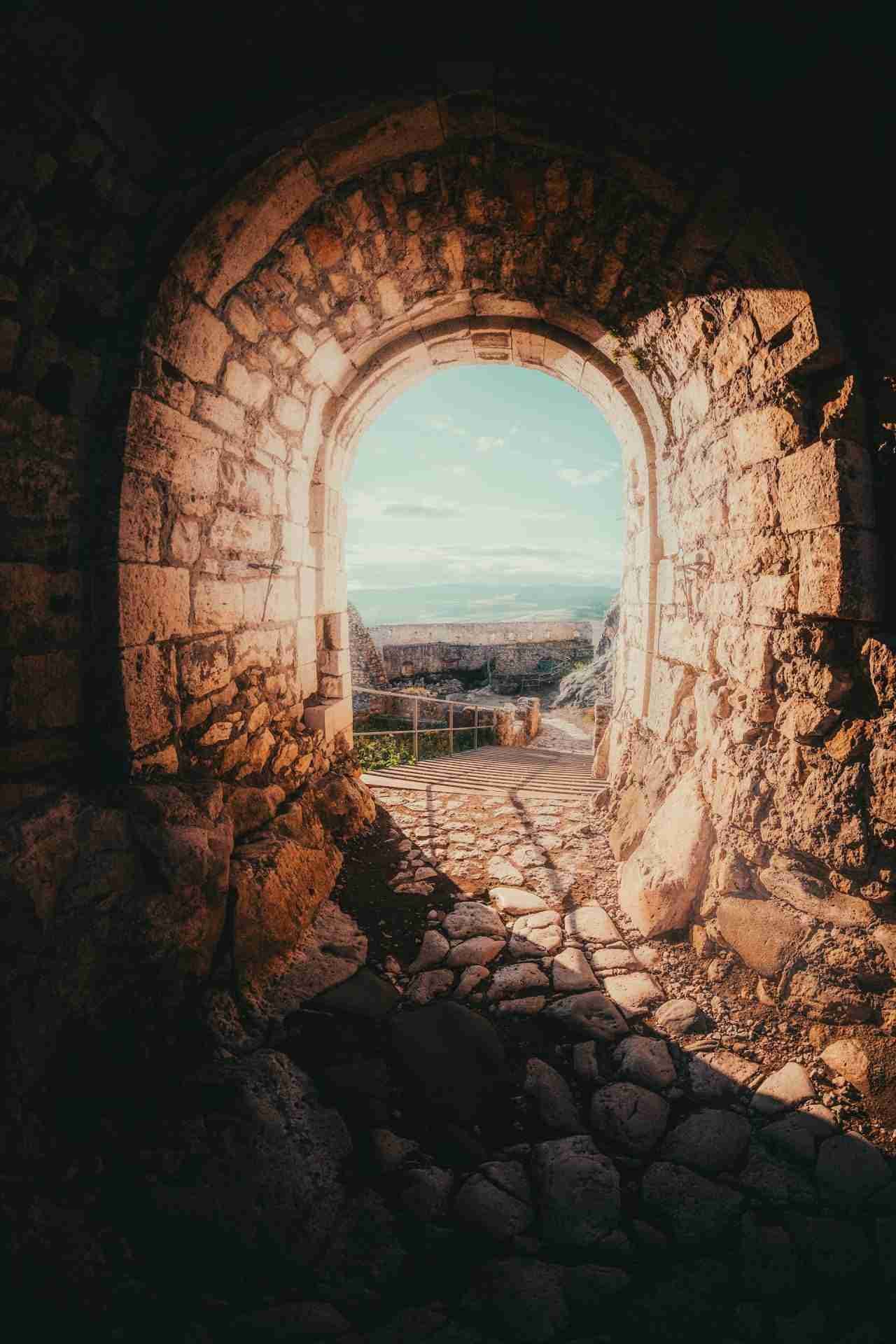
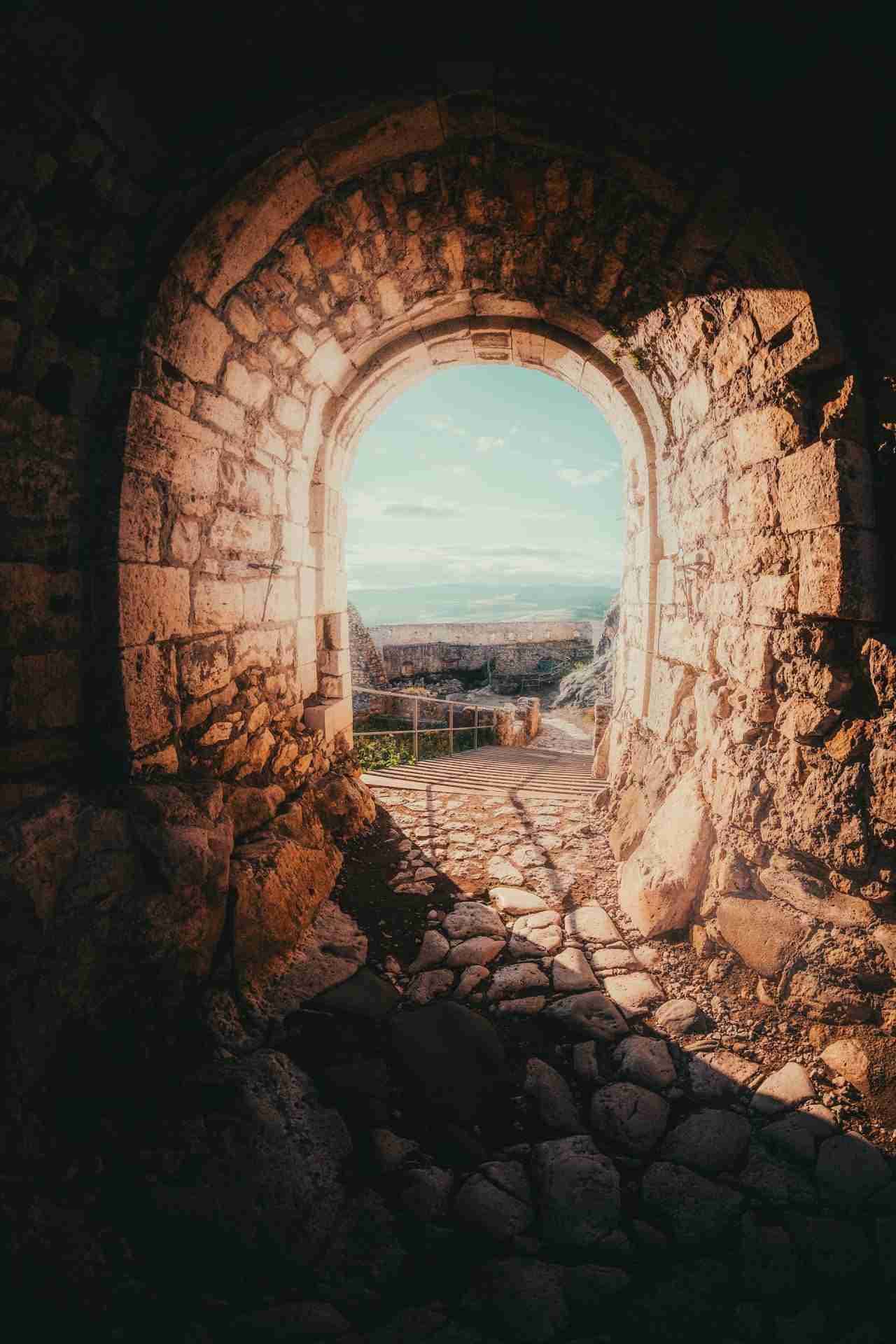
Perched atop a limestone hill in eastern Slovakia, Spiš Castle commands the surrounding landscape with a rugged presence that feels carved directly from the earth. One of the largest castle ruins in Central Europe, it stretches across a wide ridge above the village of Žehra, offering sweeping views in every direction and countless angles for creative composition. From the distance, the castle appears as a fortress crown set above rolling farmland, while up close, its crumbling towers, walls, and staircases reveal layers of history and texture. For photographers, Spiš Castle provides a rare opportunity to explore massive architectural ruins in near total freedom, surrounded by a dramatic natural setting that shifts in tone with the light and weather.
Best Photography Opportunities
• Distant Approach From the South
Before entering the castle, one of the strongest compositions is found from the fields to the south, where you can capture the full sweep of the castle across the hilltop. Shooting from a low angle with a moderate telephoto lens compresses the ridge and emphasizes the structure's scale above the rolling landscape. This view is particularly effective in early morning or late afternoon when shadows stretch across the fields and light rakes along the castle walls. Including some of the farmland or village rooftops in the foreground helps establish scale and creates a layered sense of place.
• Interior Ruins
Inside the castle grounds, weathered stone archways, partial towers, and open courtyards offer endless possibilities for detailed shots. Use a wide to mid range lens to explore the interior spaces, paying attention to doorways that frame other structures or staircases that rise into open sky. Early or overcast light works best for bringing out the surface texture of the stone without losing detail in harsh shadows. Focus on weathered masonry, arrow slits, and small remnants of carvings to highlight the craftsmanship hidden within the decay.
• Walls and Watchtowers Along the Ridge
The castle's walls follow the natural contours of the hill, offering opportunities to photograph long lines of stone stretching into the distance. Walk along the outer edges of the site to find compositions that use the walls as leading lines toward key features like towers or entry gates. Shooting from slightly elevated positions helps maintain clean compositions that emphasize the fortress structure of the outer defenses. These angles also benefit from side lighting during golden hour, when the color and form of the stone are enhanced by warm, low sun.
• Drone Perspectives
From the air, the scale and shape of Spiš Castle come into full view. A drone allows you to capture the footprint of the fortress against the surrounding fields and nearby towns, showing how it fits into the larger landscape. High angles from the east or west during sunrise or sunset create strong contrast between the illuminated side of the ruins and the shaded slope. Top down views work well for more abstract compositions that focus on layout and shadow. Be sure to check local drone regulations and weather conditions before flying, especially with frequent wind at this elevation.
• Golden Hour and Night Photography
Spiš Castle is particularly striking in warm evening light, when the limestone takes on a golden tone and long shadows highlight the contours of the ruins. Positioning yourself on the surrounding trails or nearby roads gives you enough distance to frame the entire structure against a glowing sky. The site is often lit at night, especially during the summer season, making it a strong subject for twilight photography. Use a tripod and long exposure to capture the glow of the lights against the darkening sky, and consider including star trails or the Milky Way in frames taken later at night.
Best Time to Visit
Late spring through early autumn offers the best conditions for photographing Spiš Castle. May and June bring green fields, wildflowers, and good light angles throughout the day. Autumn months provide warm tones in the landscape and clearer skies, with the added benefit of fewer tourists. Summer delivers long daylight hours but can also bring haze and crowds, particularly in the middle of the day. Arriving early or staying through golden hour helps avoid harsh overhead light and offers more dynamic skies. Winter has its own charm, with snow outlining the structure's form and creating a stark contrast with the stone, but access can be limited by weather and reduced opening hours.
How to Get There
Spiš Castle is located near the village of Žehra in eastern Slovakia, roughly 15 minutes by car from the town of Spišské Podhradie. From Košice, the nearest major city, it's about a 1 hour and 15 minute drive. There is a designated parking area below the castle, and from there it's a short but steep uphill walk to the entrance. A maintained trail leads directly to the gate, with open space for shooting along the way. Entry to the castle grounds requires a ticket, which grants access to the inner ruins and panoramic views from the towers. Photography is allowed throughout the site, and drone use may be permitted in surrounding public areas with attention to local flight rules. The site is seasonal, typically open from spring through autumn with reduced access in winter.
Recommended Photography Gear
A wide angle lens is essential for shooting inside the castle walls and capturing the full structure from nearby hills. A 24 to 70 millimeter zoom provides flexibility for tighter frames, towers, and details within the ruins. A telephoto lens in the 70 to 200 range is ideal for compressing distant views of the castle against the horizon or isolating forms along the wall. A sturdy tripod is recommended for long exposures during blue hour and night photography. A circular polarizer can help deepen blue skies and manage glare on the stone. If using a drone, bring extra batteries and monitor wind conditions closely. A small camera backpack and good walking shoes are important, as the terrain includes uneven stone and exposed slopes.
Nearby Photography Locations
Just minutes from the castle, this small 13th century church is known for its ancient frescoes and its placement within the wide landscape of the Spiš region. From the church grounds, you can frame Spiš Castle in the distance, often with foreground graves or stone walls for contrast. It is especially photogenic at sunrise or under early morning mist.
This small town lies at the foot of the castle hill and provides contextual shots of the castle looming above. The town's narrow streets, tiled rooftops, and quiet pace make it a good stop for documentary or architectural photography. Shooting from the town square with a long lens gives a compressed view of daily life beneath medieval walls.
A walled ecclesiastical complex often called the "Slovak Vatican," this site includes a cathedral, cloister, and bishop's residence. Its medieval structures and cobbled streets offer strong compositional lines and light play during golden hour. From the ridge just behind the complex, you can also capture panoramic shots of both the cathedral and Spiš Castle in the same frame.
• Levoča
About 20 minutes away, the town of Levoča is a UNESCO World Heritage Site filled with Gothic and Renaissance architecture. The Church of St. James features the tallest wooden altar in the world, and the town square is surrounded by arcaded buildings and a historic town hall. It's a strong location for architectural and street photography with a medieval edge.
Further to the north, Pieniny National Park offers rugged peaks, forested trails, and the scenic Dunajec River Gorge. It's an ideal contrast to the structural focus of Spiš Castle, providing natural landscapes, wildlife opportunities, and wide open skies. The park is especially photogenic in autumn, when the forests explode with color.
Spiš Castle is a place where history, landscape, and simple visual strength come together. Whether you're photographing it from the nearby fields or exploring the weathered stone walls up close, the location gives you a lot to work with in terms of light, texture, and scale. It's easy to spend a full day here watching how the scene changes as the sun moves and shadows stretch across the ruins. For photographers who enjoy working at their own pace and focusing on strong, straightforward compositions, Spiš Castle offers both space and inspiration
Comments
Loading comments…