
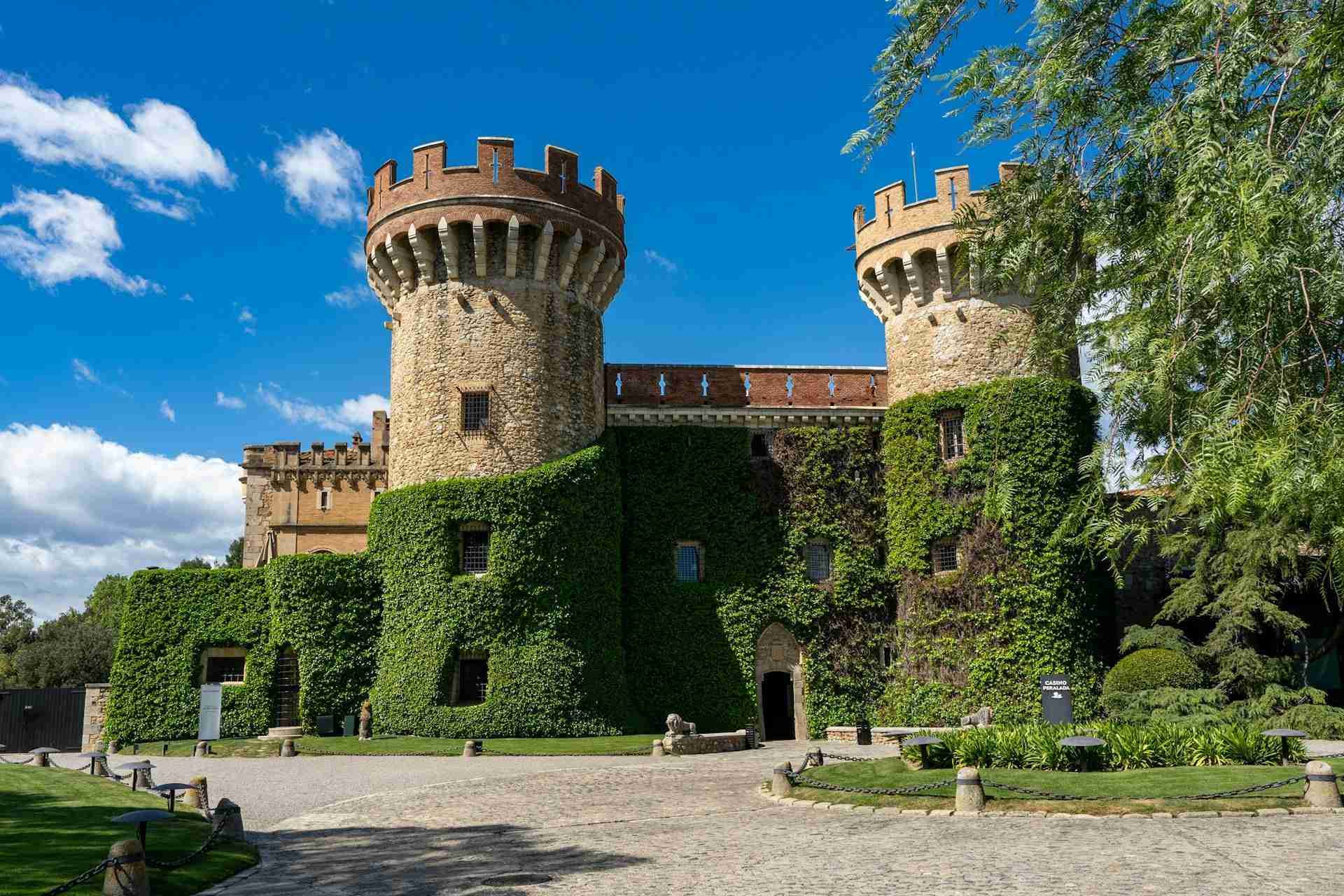
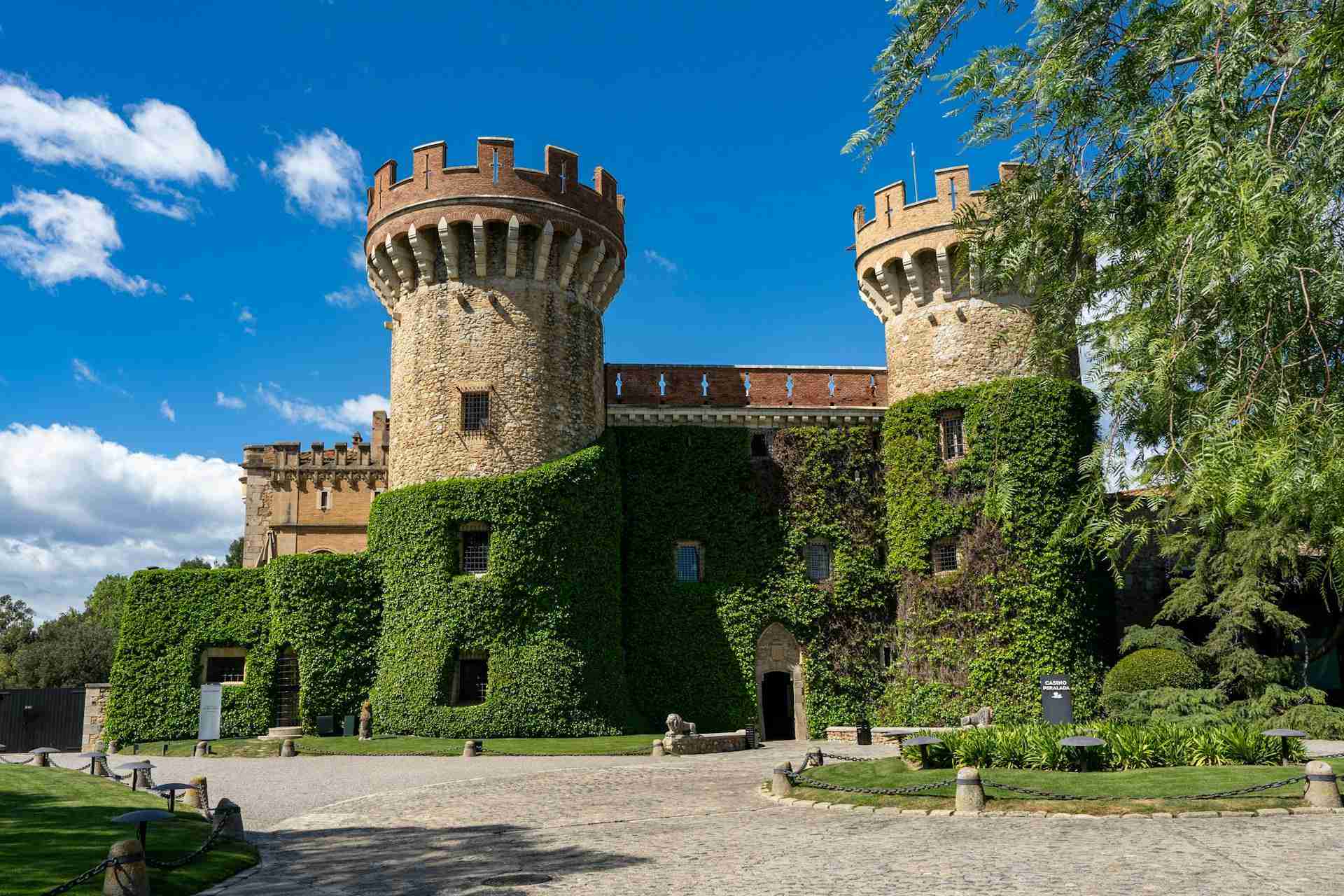
Set in the heart of Catalonia's Alt Empordà region, Castell de Peralada is a destination that offers a seamless blend of medieval heritage, aristocratic elegance, and cultivated landscape. Originally constructed as a fortress in the 14th century, the castle has since evolved into a cultural estate that houses a museum, library, wine cellars, and a casino, all surrounded by sprawling gardens and reflective water features. The structure retains its twin cylindrical towers and ivy-covered walls, but the space around it invites a more measured kind of exploration. For photographers, this site offers a mix of architectural, environmental, and documentary-style opportunities, all tied together by the way light moves through the arcades, gardens, and stone walls. It is a place that encourages quiet compositions and rewards those who pay attention to detail and shifting conditions.
Best Photography Opportunities
• Castle Towers Framed by Cypress and Stone
The first impression of Castell de Peralada often begins with a walk along its tree-lined approach, where tall cypress trees lead toward the grand twin towers. These towers are wrapped in ivy and stand as the most recognizable feature of the castle, especially when photographed in the soft light of late afternoon. The symmetry of the entrance and the clean vertical lines of the trees create a naturally balanced composition that is ideal for centered framing. Use a mid-range zoom lens to switch between full environmental shots and tighter studies of architectural detail. Shooting from a low angle allows the towers to dominate the frame while still including the texture and color of the surrounding hedges and path.
• Reflecting Pond in the Formal Gardens
One of the most peaceful spaces on the estate is the rectangular pond surrounded by carefully arranged plantings and trimmed lawns. The stillness of the water creates clean reflections of nearby trees, stone walls, and clouds drifting overhead. This spot is especially rewarding during the golden hour, when the sun casts long, warm highlights across the surface of the water. A circular polarizer can help control glare and deepen color contrast, while a wide aperture allows you to focus on layered elements in the foreground. Compositionally, placing the reflection along the lower third of the frame can emphasize the sky or the castle beyond while keeping the surface still as a visual anchor.
• Cloistered Walkways and Arch Details
The former monastery buildings on the estate include stone archways, shaded walkways, and intimate corners with weathered carvings and wrought iron features. These areas are rich in visual texture, and the quality of light is often soft due to limited exposure to direct sun. Use a fast prime lens for shallow depth of field and to isolate small elements like sculpted capitals or patterns in the stone floor. The changing light throughout the day creates different moods, from harsh early contrast to the soft transitions of late afternoon. This part of the estate is also ideal for monochrome studies and composition-focused shooting, especially when capturing repeated forms or leading lines.
• Interior Museum and Historical Library Spaces
Inside the castle, rooms lined with antique furniture, bookcases, and artifacts provide excellent opportunities for cultural storytelling. Natural window light often filters through sheer curtains or strikes glass display cases, creating isolated pockets of brightness in an otherwise shadowed space. If photography is permitted, use a wide-angle lens sparingly to avoid distortion and focus instead on measured compositions that highlight contrast and atmosphere. A camera with strong performance in low light will be useful, as tripods may not be allowed. Framing a composition that includes a person interacting with the space adds depth and a sense of timeless observation.
• Evening Light and Garden Illumination
As the sun sets and artificial lights begin to illuminate the castle and gardens, the estate takes on a different tone. Subtle uplighting around tree trunks and warm spotlights on the stone façade offer soft contrast and glowing texture. This is a good time to experiment with long exposures or handheld work using a fast lens. Reflections in the pond become even more dramatic under these lighting conditions, and shadows stretch across the pathways to create layered depth. Arriving just before sunset allows time to scout compositions and work with both natural and artificial light as they blend together.
Best Time to Visit
The best time to photograph Castell de Peralada is during the shoulder seasons of spring and autumn when the light is more forgiving and the grounds are at their most visually dynamic. In spring, fresh growth on the trees and hedges adds vibrant color and clean lines to the landscape. Early morning light during this season tends to be crisp and clear, ideal for architectural studies and wide compositions. Autumn brings warm tones in the foliage and softer sun angles throughout the day, which enhance the texture of the stone and the mood of the gardens. Late afternoon during either season is particularly effective for photographing the castle's entrance, when the low sun brushes across the façade and highlights the details of the towers and windows.
Summer is the busiest season, with more visitors and longer daylight hours. While the gardens are well maintained and full of life, the midday light can be harsh and difficult to work with unless you are focusing on shaded areas or interior details. If visiting in summer, plan your shoots early in the morning or during the golden hour in the evening to make the most of the site's textures and colors. Winter is quieter and less colorful, but still offers potential, especially for shooting abstract forms in the architecture or minimalist scenes with bare trees and strong shadows. Cloudy skies throughout the year should not be dismissed, as they often create soft, even light that brings out the subtleties in stone and vegetation.
How to Get There
Castell de Peralada is located in the town of Peralada in the province of Girona, Catalonia. The town is approximately a two-hour drive from Barcelona and about 40 minutes from Girona city. It is most easily accessed by car, and parking is available nearby. If using public transport, the closest train station is Figueres, which is connected to Peralada by taxi or regional bus. The castle grounds are walkable from the center of the town, and the estate is well signposted. Entry to certain areas of the castle, including the museum and library, requires a ticket, which can be purchased on-site. Photography is permitted in outdoor areas, but indoor photography may be restricted depending on the exhibition or section. Tripods are not allowed indoors, and use in the gardens should be done with care to avoid blocking walkways or disturbing other visitors.
Recommended Photography Gear
A standard zoom lens, such as a 24–70mm, will serve most needs around the castle and gardens. This lens range offers flexibility for wide shots of the towers and reflective pond, as well as closer compositions of textures and architectural features. A wide-angle zoom in the 16–35mm range is helpful for interior spaces and tighter corners, especially when working in the cloisters or museum rooms with limited space. Be cautious with distortion when shooting wide in historical interiors, as vertical lines and symmetry are often critical to the composition. A fast prime lens between 35mm and 85mm is useful for low-light areas and shallow depth of field work, particularly in the shaded walkways or during evening sessions.
If you plan to photograph in the late evening or under dim conditions, a lightweight tripod can be helpful, especially for long exposures near the pond or on the approach to the castle. A circular polarizer will enhance the reflection of the sky in the water and reduce glare on stone and glass surfaces. A lens cloth or blower is useful for maintaining clean equipment, especially if you are switching lenses outdoors. If you are visiting during summer, a neutral density filter can help control exposure during bright midday shooting, especially when working near water or on stone pathways. Carry gear in a well-organized, lightweight bag, as the site involves walking between garden spaces, interiors, and shaded courtyards with varied terrain.
Nearby Photography Locations
• Peralada Village Streets
The town of Peralada itself is a well-preserved medieval village with cobbled streets, stone buildings, and shuttered windows that make for quiet, detail-rich photography. The early morning light works beautifully on textured walls and narrow alleys, especially when shooting toward the rising sun.
Set high on a ridge near the coast, this ancient monastery offers expansive views of the Mediterranean and the surrounding landscape. The building's layered stonework and open terraces provide endless compositions, and the late afternoon light here is excellent for side-lit architectural scenes.
Located less than an hour from Peralada, this rugged coastal park provides completely different scenery with rocky cliffs, wind-shaped vegetation, and sweeping ocean views. Sunrise is especially dramatic here, with strong backlight and changing skies that contrast well with the inland visuals of the castle.
This nearby town features a Gothic cathedral, medieval bridge, and quiet canals. It is a strong location for street photography and small-scale architectural details. The textures of old stone and the mix of residential and ecclesiastical buildings create a varied and walkable shooting environment.
For something more surreal and contemporary, the Dalí Theatre-Museum in Figueres offers bold colors, sculptural forms, and striking interior spaces. Early morning is the best time to photograph the exterior without crowds, while the interior requires fast lenses and a good eye for controlled chaos.
Castell de Peralada is a location that rewards slow movement, a sharp eye, and a willingness to explore both the obvious and the hidden. With its mix of historical architecture, manicured gardens, and quiet interior spaces, it provides a complete visual experience for photographers who appreciate history, structure, and the subtle shifts of natural light. Whether you are building a series of wide environmental shots or collecting textures and moments throughout the day, this castle offers more than enough variety for a full day of inspired shooting.
Comments
Loading comments…