
![Stone, Shadow, and Pilgrim Streets at the Cathedral of San Salvador in Oviedo The Cathedral of San Salvador stands at […]](https://storage.googleapis.com/pixeo-blog.firebasestorage.app/article-images/wp-import/featured-135967.jpg)
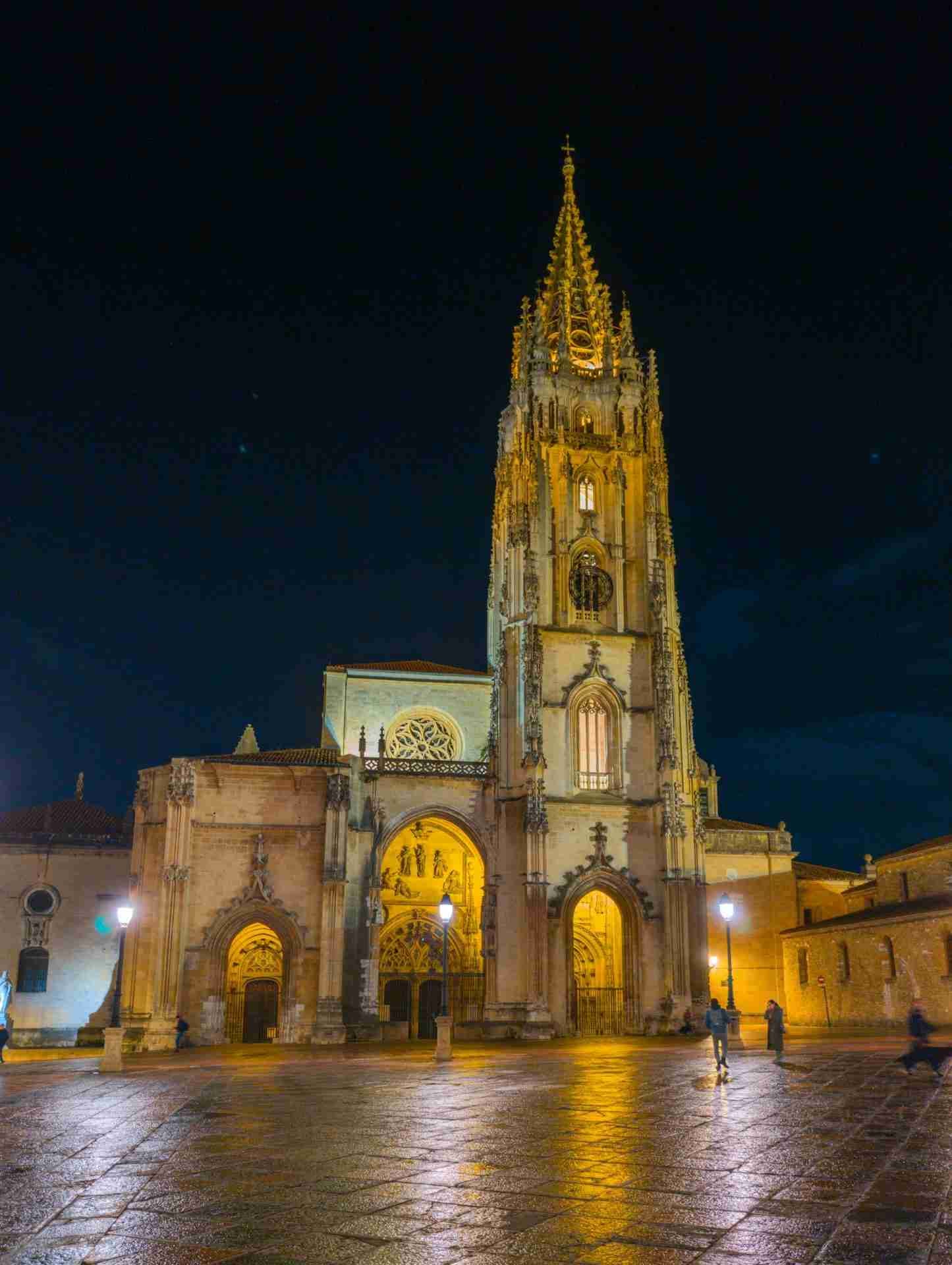
The Cathedral of San Salvador is a soaring landmark built in warm, weathered stone, with a tower that can be seen from multiple angles in the old town. It sits in Plaza Alfonso II el Casto, which gives photographers the perfect open area for wider compositions while still keeping the cathedral surrounded by historic streets that naturally create framing opportunities. The building is packed with carved stone detail, deep archways, and recessed elements that pick up shadow and texture when the light comes in from the side. The plaza also gives you clean sight lines for showing scale, especially when a few people are moving through the square. Inside, the space is defined by height, repeating columns, and vaulted ceilings, with stained glass adding pockets of color when the light is right. For photographers, the cathedral is a mix of big, simple shapes from a distance and rich detail up close, which makes it easy to build a complete set rather than walking away with only one "standard" shot.
Best Photography Opportunities
• Plaza Compositions –
From the center of Plaza Alfonso II el Casto, you can frame the full height of the cathedral's main structure. A wide lens is necessary, but keeping the camera level helps avoid extreme distortion. Early morning works best here because the plaza is quieter and the light is softer. When the sun hits the stone at an angle, the carved details gain depth and texture. Including a few people crossing the square gives scale and prevents the building from feeling disconnected from its environment. Move around slowly and watch how the surrounding buildings either frame the cathedral cleanly or cut awkwardly into the edges of your frame.
• Approach Shots from Narrow Streets –
Instead of starting in the square, walk toward it. From streets like Calle San Vicente, the tower appears gradually between buildings. This layered perspective feels more immersive and gives your image depth. A mid range focal length works well to compress the scene slightly without flattening it. Morning and late afternoon are ideal because strong midday contrast can make shaded streets too dark compared to the cathedral. This approach often produces stronger results than the obvious open plaza shot.
• Stone Carvings –
The cathedral is full of carved arches, figures, and decorative elements that are easy to overlook. These details work well with a longer focal length. Side light enhances depth and reveals texture in the stone. Even during midday, you can usually find sections that benefit from angled light rather than direct overhead sun. Isolating details also helps avoid modern distractions like signage or nearby buildings. If you want a well rounded set of images, this kind of tighter study is important.
• Blue Hour in the Plaza –
Blue hour is one of the strongest times to shoot here. The warm artificial lighting on the cathedral contrasts nicely with the cooler sky. A tripod helps keep architectural lines clean while allowing longer exposures. If people are moving through the square, a slightly longer shutter speed can soften them without removing the sense of activity. Wet pavement after rain can add reflections that strengthen foreground interest. This is often the most balanced and visually pleasing light of the day.
• Interior Symmetry and Vertical Space – I
nside the Cathedral of San Salvador, the space shifts from urban energy to vertical calm. The nave draws your eye upward, and centered compositions down the aisle are often the strongest. A wide lens helps show height, but avoid going so wide that columns bend unnaturally. Light filtering through stained glass adds subtle color variation to the stone. Exposure can be tricky due to darker areas, so steady technique is important. Always check current rules regarding tripod use before setting one up indoors.
Best Time to Visit
If your goal is clean architectural shots with minimal distractions, early morning is the best time. The plaza is quieter, and you have more freedom to move around without people filling the frame. The light is softer and more directional, which enhances texture in the stone.
Late afternoon into blue hour is equally productive, especially if you want balanced lighting and richer color contrast. The cathedral lighting adds warmth, and the sky often holds color well after sunset.
Summer offers longer evenings, which gives you more flexibility, but it also means more tourists. Spring and autumn usually provide the best balance between manageable crowds and comfortable temperatures. Winter can be excellent on clear days because the lower sun angle gives you longer periods of directional light.
How to Get There
The Cathedral of San Salvador is located in the historic center of Oviedo in Asturias, Spain. Oviedo is well connected by train and road from other cities in northern Spain. Once in the city center, the cathedral is easy to reach on foot.
Direct vehicle access into the old town is limited, so parking in a public garage outside the pedestrian zone is the easiest option. From there, it is a short walk through historic streets to the plaza. Exterior photography is free. Certain interior areas or museum sections may require a ticket depending on current policies.
Recommended Photography Gear
A wide lens is essential because space in the plaza is limited. Something in the 16mm to 24mmrange works well, but you need to be mindful of distortion. Keep your camera level and correct perspective carefully if needed. A mid range zoom is extremely useful for street approach shots and adjusting framing without constantly changing lenses. A longer focal length helps isolate details in the stone carvings and compress street views toward the tower.
A tripod is highly recommended for blue hour and interior photography, but always confirm current regulations indoors. If tripods are restricted inside, increase ISO slightly and use stable hand holding technique.
A polarizer can deepen sky tones on clear days and reduce glare on lighter stone surfaces. Keep your kit manageable because you will be moving frequently through pedestrian areas. The goal here is flexibility, not carrying everything you own.
Nearby Photography Locations
offers a more colorful and open square compared to the cathedral plaza. The arcaded buildings create strong repeating patterns and depth. Morning light works particularly well when it hits the building fronts at an angle. It is a good location for combining architecture with daily life.
• Calle Gascona
is lined with traditional cider houses and outdoor seating. This street is ideal for environmental street photography, especially in the evening. Interior lights and activity create a warm atmosphere that contrasts nicely with the heavier stone of the cathedral.
overlooks the city and gives you wide views across Oviedo and the surrounding landscape. Sunset is especially strong here when city lights begin to appear. It provides a completely different perspective compared to the tight streets around the cathedral.
• Santa María del Naranco
is an early medieval structure that offers clean architectural lines in a more open setting. The surrounding green space makes composition easier than in the dense city center. Soft morning or late afternoon light works best here.
• San Miguel de Lillo
, sitting on Monte Naranco, is a smaller church with amazing architectural details in a quieter setting. It pairs naturally with Santa María del Naranco for a focused architectural series. The simpler surroundings allow you to concentrate fully on structure and form.
Comments
Loading comments…