
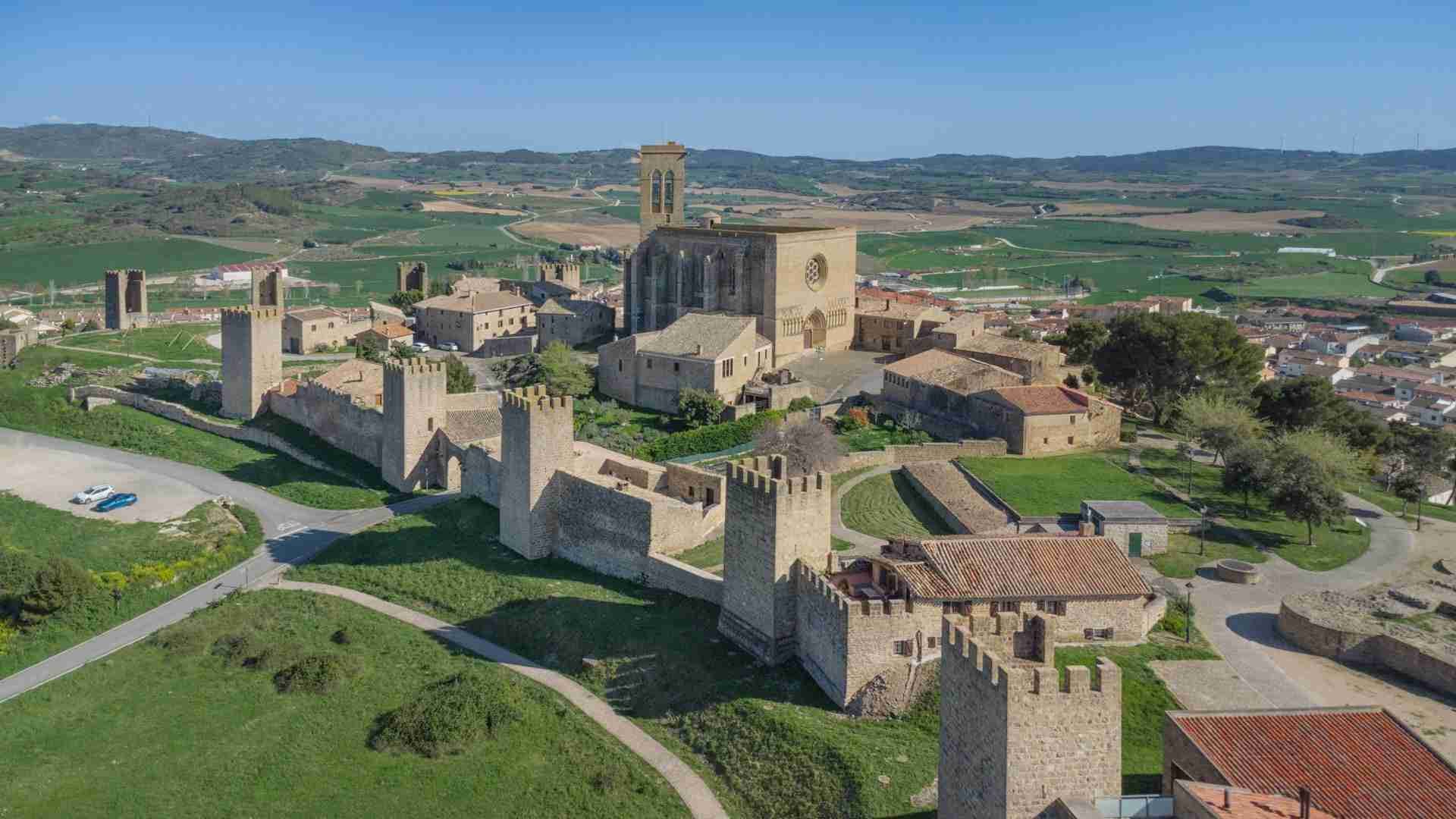
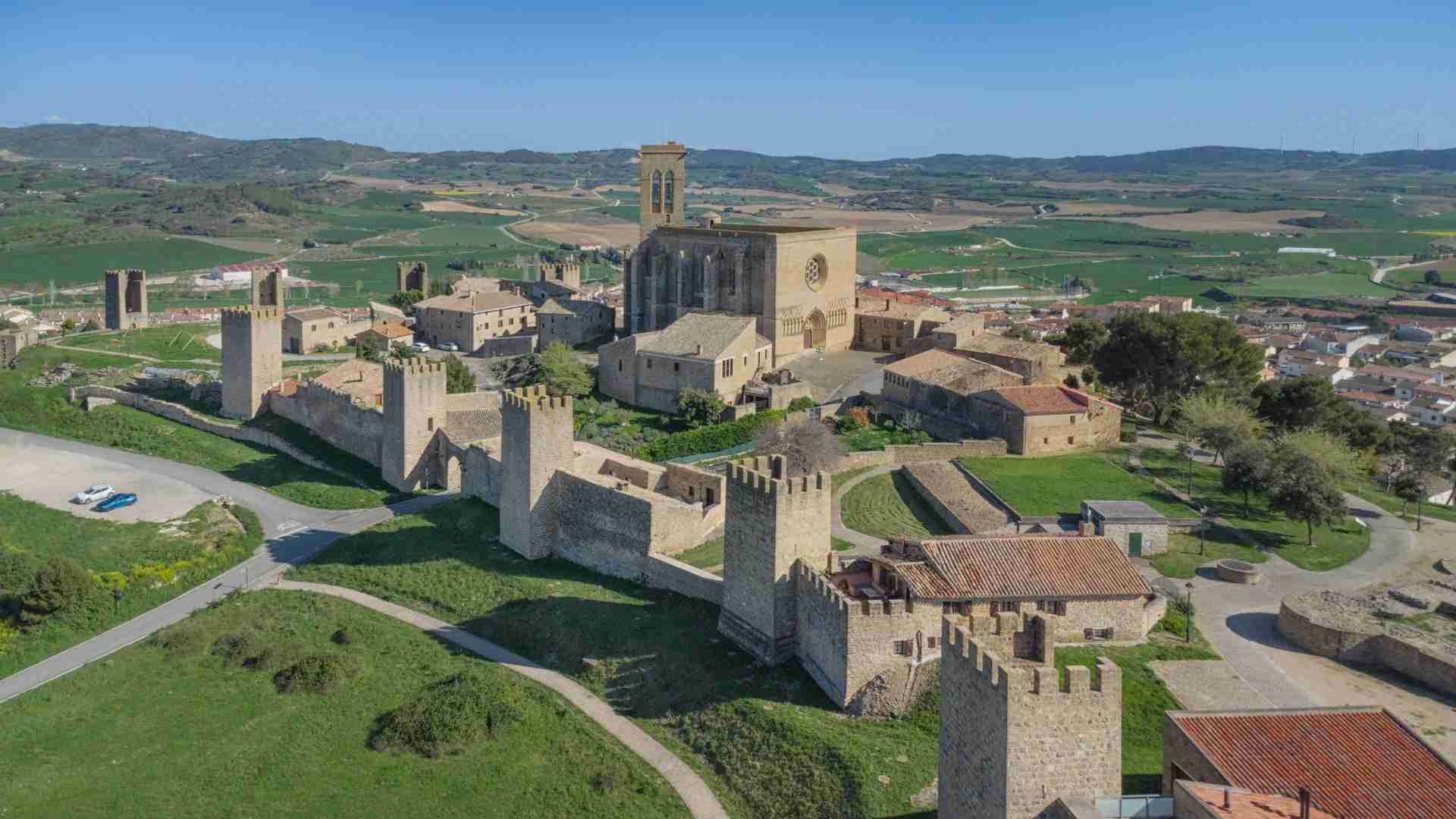
High on a ridge in northern Spain, El Cerco de Artajona commands the landscape with its ring of stone towers, winding streets, and the quiet authority of medieval engineering. This fortified village, once a strategic stronghold in the Kingdom of Navarre, offers photographers a rare blend of architectural cohesion and sweeping rural context. The fortifications date back to the 11th century, and their weathered textures speak to centuries of sun, wind, and conflict. From every angle, El Cerco presents a dialogue between human-made geometry and the rolling green of the Navarre countryside. Narrow cobblestone alleys, defensive walls, and the Gothic Church of San Saturnino offer constant opportunities to study how shadow, elevation, and earth-toned stone shift through the day. Whether you're capturing it in soft fog or under the burnished light of late summer, the site rewards patient, observational photography with an emphasis on natural light and structural form.
Best Photography Opportunities
• Western Approach Viewpoint Outside the Walls
Just before entering the main gate, there's a rise in the road where the entire defensive wall curves into view. This is one of the most complete angles for photographing the fortified perimeter in context. Shoot in early morning when the light falls diagonally across the towers, highlighting their varied height and age. A 24–70mm lens works well here to either frame the full arc of the wall or isolate individual elements like a lone tower or pathway leading uphill. Including the surrounding fields and sky adds compositional contrast and helps communicate scale.
• Interior Street Views between Stone Houses
Inside the walls, the village becomes a warren of narrow lanes lined with thick stone houses and arched entries. These corridors are ideal for mid-day shooting when the light reflects off pale stone and fills the narrow spaces without harsh shadow. Use a wide-angle lens to exaggerate perspective, especially when photographing from a low angle up toward the rooftops. This is also where long lenses come into play for compressing layers of balconies, tiles, and signs into stacked architectural vignettes. Look for villagers or walkers who can bring life and a sense of timeless scale to the frame.
• Church of San Saturnino from the East Tower Path
The large Gothic church dominates the eastern side of the complex, and from the path leading to the tower behind it, you get a powerful lateral view with the village roofline receding behind. This is a classic composition during golden hour, when the sun drops behind the hills and casts long shadows across the stone. A tripod and a 70–200mm lens are ideal here to frame the tower, church, and crenellations against a glowing sky. In cloudy weather, the scene becomes moodier, emphasizing texture and tonal depth.
• Night Photography along the Ramparts
The walls of Artajona are sparsely lit at night, which creates strong contrast between warm light on stone and the darkness of the surrounding hills. This setting is perfect for long exposure work. Use a tripod and shoot just after blue hour to capture the last color in the sky while artificial lights begin to warm the towers. A fast wide-angle lens helps bring out stars or layered night sky when conditions allow. Include silhouetted archways or passing figures for a more cinematic effect.
• Aerial Perspectives from Nearby Farmland Trails
Walking away from the village toward the north or west, you'll find small footpaths that lead into the surrounding fields. From even moderate elevation, you can get full panoramas of El Cerco encircled by open land. This is one of the best ways to document its fortress-like shape in harmony with the terrain. For drone photographers, this is an ideal launch point, assuming local regulations are followed. Shoot during late afternoon when the long shadows stretch across the surrounding patchwork of crops and the ridge line is well defined against the horizon.
Best Time to Visit
Spring and autumn offer the most favorable lighting and conditions for photographing El Cerco de Artajona. In spring, the surrounding fields bloom in soft greens and yellows, and the light remains low throughout the day, making it easier to shoot from multiple angles without harsh exposure. Early mornings bring fog that lifts off the hills and clings briefly to the towers, adding depth and drama. In autumn, the colors warm and the light softens further, especially around sunrise and golden hour, when the village glows with an even, golden tone.
Summer is best approached strategically. While the long days provide more shooting time, midday light tends to be intense and flat. Focus on early morning and dusk during this season, or use shaded interior alleys to your advantage. Winter is quieter and often more atmospheric. The hills occasionally get frost or light snow, creating contrast against the stone walls. Cloudy days are excellent for emphasizing texture and for black-and-white compositions, especially on the ramparts or inside the church.
How to Get There
El Cerco de Artajona is located in the autonomous community of Navarra in northern Spain, about 30 kilometers south of Pamplona. If arriving by car, take the A-15 highway and exit toward Tafalla, then follow the local signs to Artajona. There is free public parking near the base of the fortified complex, and from there it's a short, steep walk uphill through the modern village to reach the historic gate.
The site is open to the public year-round, and there is no fee to walk the streets or ramparts. The Church of San Saturnino may be closed outside of mass or guided tours, so check local schedules if interior access is important for your shoot. Most pathways are paved or cobbled, and while the terrain includes some elevation changes, it is easily walkable with light gear. Drones are permitted in the surrounding countryside but may be restricted directly over the village itself, especially during events or holidays.
Recommended Photography Gear
A standard zoom like a 24–70mm will handle most compositions around the site, from broad views to tighter architectural frames. A wide-angle lens in the 16–35mm range is ideal for the narrow interior streets, rampart walkways, and dramatic building angles. For isolating towers, church details, or compressing hilltop layers into frame, bring a 70–200mm telephoto lens.
A sturdy but portable tripod is essential for low-light work, golden hour, and especially night exposures along the ramparts. Consider ND filters for mid-day long exposures and a polarizer to cut through haze on distant landscapes or bring out sky contrast. A lightweight drone offers valuable perspective on the layout of the fortification, especially from nearby farmland, but always confirm airspace and village regulations. A small backpack and weather-resistant gear are smart choices, particularly if you're photographing across changing light or passing showers.
Nearby Photography Locations
Located about 35 kilometers west, this medieval bridge spans the Arga River and is a key stop on the Camino de Santiago. It offers classic Romanesque arches and riverside reflections, especially at sunrise when the water is calm.
One of the most visually striking castles in northern Spain, this structure rises with theatrical spires and ornate stonework. Shoot from the rooftops inside the complex or from the surrounding gardens during the golden hour for full effect.
Just 10 minutes from Artajona, Tafalla offers a compact historic core with shuttered balconies, tiled roofs, and elegant stone churches. Early morning provides the best light for photographing narrow streets and architectural details.
A well-preserved stone village built around a Romanesque-Gothic church, Ujué offers sweeping views over the Navarra plains. It is especially photogenic at sunset when the golden light brushes across the rooftops and church tower.
A dramatic semi-desert landscape about an hour southeast, Bardenas Reales contrasts sharply with the green hills around Artajona. Use a wide-angle lens to capture eroded formations and distant ridges under open skies.
El Cerco de Artajona is a structure of defense turned quiet monument, where weathered stone and rural light come together in a rhythm that's both powerful and restrained. For photographers, it is a place that asks you to walk slowly, look carefully, and let the shapes of the past reveal themselves in every shift of sun and cloud.
Comments
Loading comments…