
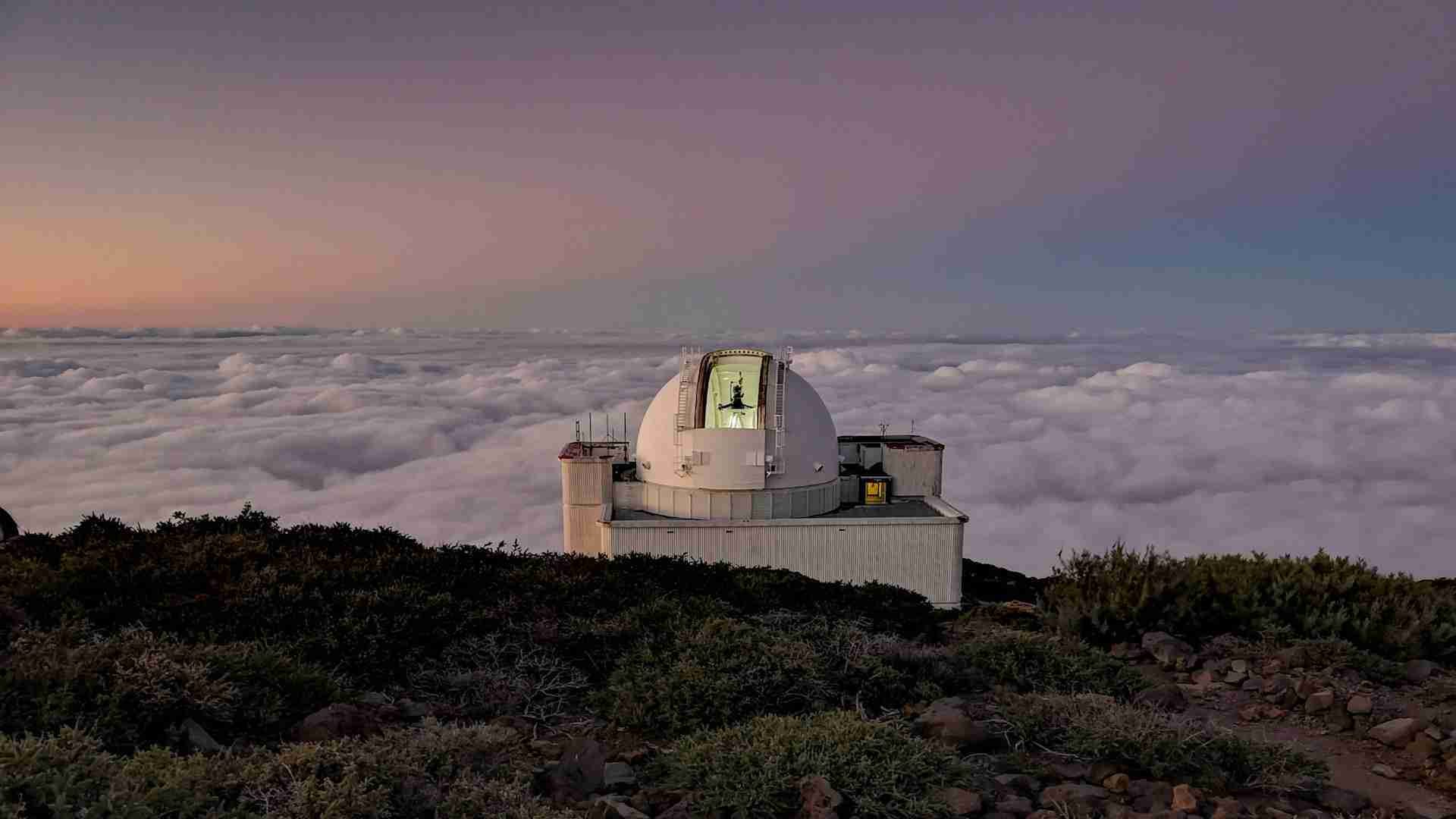
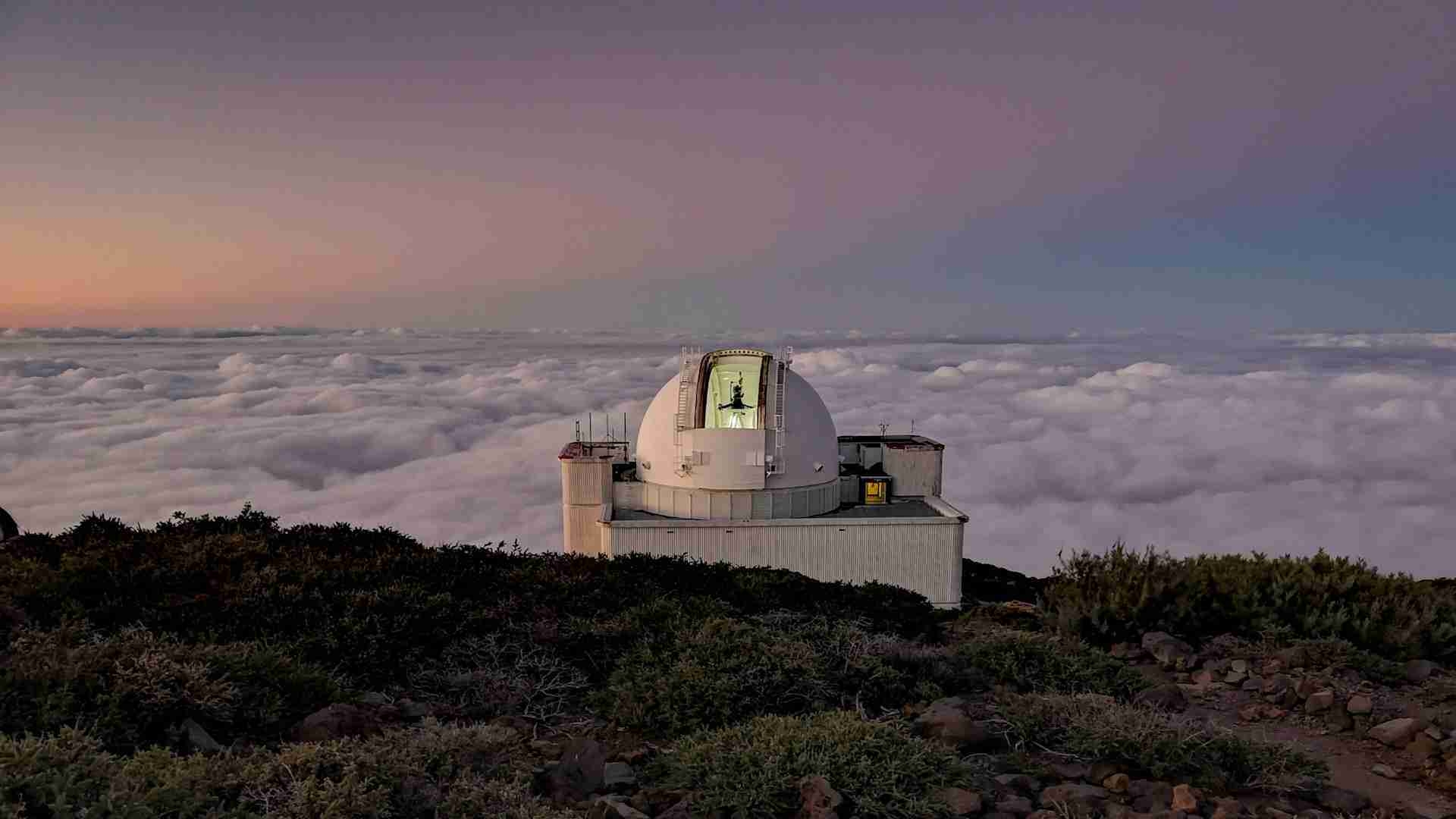
The Isaac Newton Telescope (INT), perched atop the Roque de los Muchachos Observatory on the island of La Palma, is a striking subject for photographers drawn to both science and the night sky. Its white dome stands out against the volcanic landscape of the Caldera de Taburiente's rim, framed by sweeping views across the Atlantic and often above a blanket of clouds. The telescope is part of one of the best astronomical sites in the world, benefiting from La Palma's exceptionally clear and dark skies protected by strict light pollution regulations. The location offers opportunities for both technical architectural shots of the telescope itself and creative compositions blending it with the surrounding landscape and starscapes. This combination of cutting-edge engineering and rugged natural scenery makes the INT a rewarding destination for photographers with an interest in astronomy, landscape, and night photography.
Best Photography Opportunities
• Golden Hour Views of the Dome
: In late afternoon, the low sun paints the volcanic slopes in warm tones while the white dome of the Isaac Newton Telescope glows softly against the backdrop of the caldera. This light emphasizes the textures in the rocky terrain and creates pleasing color contrasts between the warm earth and the cooler tones of the dome and sky. Shooting from slightly below allows you to capture the full scale of the dome set against the open expanse of the horizon. A mid-range zoom works well for isolating the telescope while still including enough of the surrounding landscape for context. Side lighting during golden hour also reveals the subtle details in the dome's structure, making for compelling close-up architectural shots.
• Above the Clouds Compositions
: The observatory is often above a layer of clouds that blankets the lower elevations, creating a surreal scene where the telescope appears to float above a sea of white. This phenomenon is most common in the afternoon and early evening, especially in summer. Wide-angle lenses capture both the telescope and the sweeping cloud layer, while a telephoto can isolate the rolling forms of the clouds with the dome as a focal point. Using a polarizing filter can enhance contrast between the clouds and the deep blue sky. Waiting for breaks in the clouds can create dynamic compositions where light spills through in dramatic shafts.
• Night Sky and Milky Way Photography
: The Roque de los Muchachos is famous for its pristine night skies, and the INT can serve as a striking foreground subject for astrophotography. During the summer months, the Milky Way arches overhead, allowing for compositions that place the galactic core near the telescope. A wide-angle lens with a fast aperture is ideal for capturing the stars clearly while maintaining detail in the dome. Light painting with a low-powered lamp or subtle illumination from nearby observatory lighting can add definition to the telescope without overpowering the night sky. Clear nights here also make it possible to attempt time-lapse sequences showing the rotation of the stars above the fixed dome.
• Close-up Architectural Details
: The INT's dome has a clean, functional design with mechanical features such as shutters and support structures that offer opportunities for detailed studies. These details are best captured with a telephoto lens, which can isolate shapes and patterns in the structure against either sky or landscape. Early morning light creates soft shadows that emphasize these features without harsh contrast. On partly cloudy days, the interplay of moving clouds behind the dome can add a sense of movement to otherwise static shots. These images work well both in color and in black and white, which can highlight form and contrast.
• Surrounding Observatory Landscape
: The INT is part of a larger observatory complex with other telescopes scattered along the ridge, and the volcanic terrain offers plenty of natural subjects to include alongside the man-made structures. From certain vantage points, you can capture multiple domes stretching into the distance, each catching the light differently. The rocky ground, patches of hardy vegetation, and the deep drop into the caldera all add texture and depth to wide shots. A combination of wide and telephoto lenses lets you explore both expansive and compressed perspectives in this unique environment. The ridge is also excellent for panoramic photography, especially when cloud layers or shifting light create different moods within the same scene.
Best Time to Visit
The Isaac Newton Telescope can be photographed year-round, but your shooting style will depend on the season and the conditions. Summer offers the most stable weather and frequent above-the-cloud days, making it ideal for capturing both golden hour landscapes and Milky Way astrophotography. The warm months also have calmer winds, which can be helpful for night photography and longer exposures.
Spring and autumn bring more variety in the sky, with shifting cloud layers and occasional storms that can create dramatic light conditions around the observatory. These seasons can also be excellent for capturing the interplay of sunlight and clouds at both sunrise and sunset. Winter can bring cooler temperatures and occasional frost at the summit, adding an extra layer of texture to foreground elements, though access can be limited if conditions are severe.
For daytime shooting, early morning light works well for softer illumination on the dome and for capturing the observatory before tourist activity increases. Late afternoon into sunset provides the richest colors and best side lighting for revealing the shape and texture of the dome. For night photography, the weeks around the new moon are best for capturing the Milky Way and deep-sky scenes, while moonlit nights can create atmospheric shots where the telescope is softly lit under a bright sky.
How to Get There
The Isaac Newton Telescope is located at the Roque de los Muchachos Observatory on the island of La Palma in Spain's Canary Islands. The observatory is accessible by road from the towns of Santa Cruz de La Palma or Los Llanos de Aridane, with the drive taking about 1.5 to 2 hours depending on your starting point. The winding mountain roads offer scenic views but require careful driving, especially in fog or windy conditions.
Public access to the telescope building itself is restricted, but the surrounding area and viewpoints are open to visitors during daylight hours. There is a parking area near the main observatory entrance, from which it is a short walk to various vantage points for photography. If visiting for night photography, plan ahead for the lack of artificial lighting along the road and bring adequate supplies, as there are no facilities at the summit. Entry to the surrounding grounds is free, though guided tours are sometimes available for a fee.
Recommended Photography Gear
A wide-angle lens in the 14 to 24 millimeter range is essential for capturing the telescope in its full environmental context, especially for astrophotography and above-the-cloud scenes. A 24 to 70 millimeter zoom is versatile for general compositions, while a 70 to 200 millimeter lens is useful for isolating architectural details or compressing the landscape. For night sky work, a fast wide-angle lens with an aperture of f/2.8 or wider will help gather as much light as possible.
A sturdy tripod is a necessity for long exposures, both for astrophotography and for cloud or light-trail shots. A remote shutter release and manual focus capability will make night shooting easier. A polarizing filter can enhance the contrast between the sky and clouds during the day, while a neutral density filter can help with long exposures in bright conditions. For higher elevations, warm clothing and gloves are important, even in summer, as temperatures can drop quickly after sunset.
Carrying a headlamp with a red-light mode will help you navigate the area at night without disturbing your own or others' night vision. Extra batteries are also important, as the cold can reduce their lifespan more quickly than at sea level.
Nearby Photography Locations
: Just a short distance from the telescope, these viewpoints offer some of the most dramatic panoramas of the Caldera de Taburiente, especially when cloud layers fill the basin below. The changing light at sunrise and sunset creates entirely different moods from the same vantage point.
• Other Telescopes of the Observatory
: The Gran Telescopio Canarias and the William Herschel Telescope are both within walking or short driving distance, offering additional opportunities for architectural and science-themed photography in the same rugged setting.
: Located within the Caldera de Taburiente National Park, this viewpoint offers sweeping views into the heart of the caldera, with its steep walls and volcanic formations creating dramatic backdrops.
: A lower-elevation viewpoint overlooking the Aridane Valley and the coastline, ideal for capturing the transition between the high mountains and the sea. Sunset from here can be spectacular.
: The island's capital combines colorful colonial architecture with a charming seafront, making it a worthwhile stop for architectural and street photography before or after your trip to the observatory.
The Isaac Newton Telescope rewards patient photographers who are willing to work with its varied conditions, from sharp daytime clarity to the stillness of moonless nights. Its location high above the Atlantic offers both an extraordinary setting and the chance to combine scientific and natural subjects in a single frame.
Comments
Loading comments…