
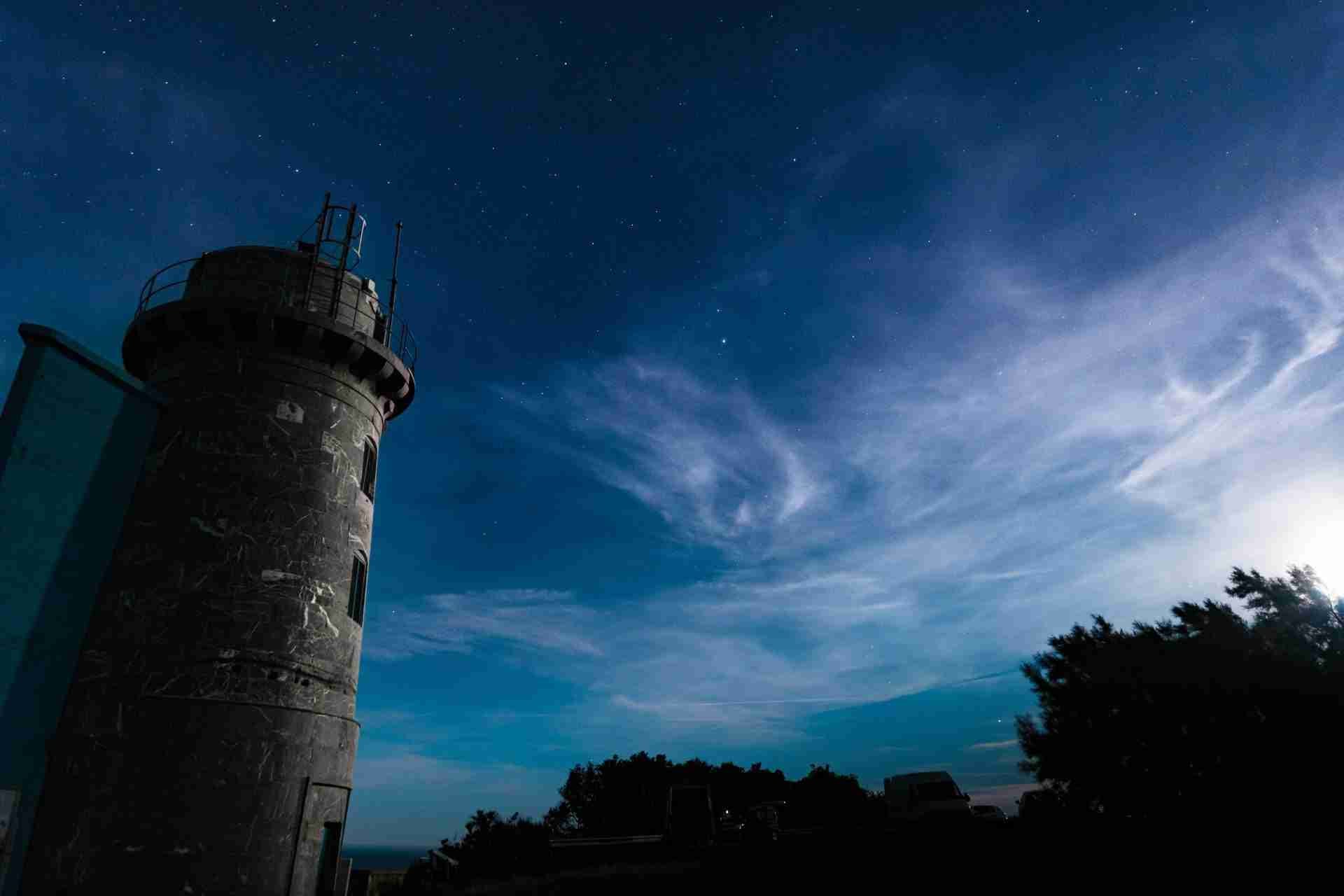
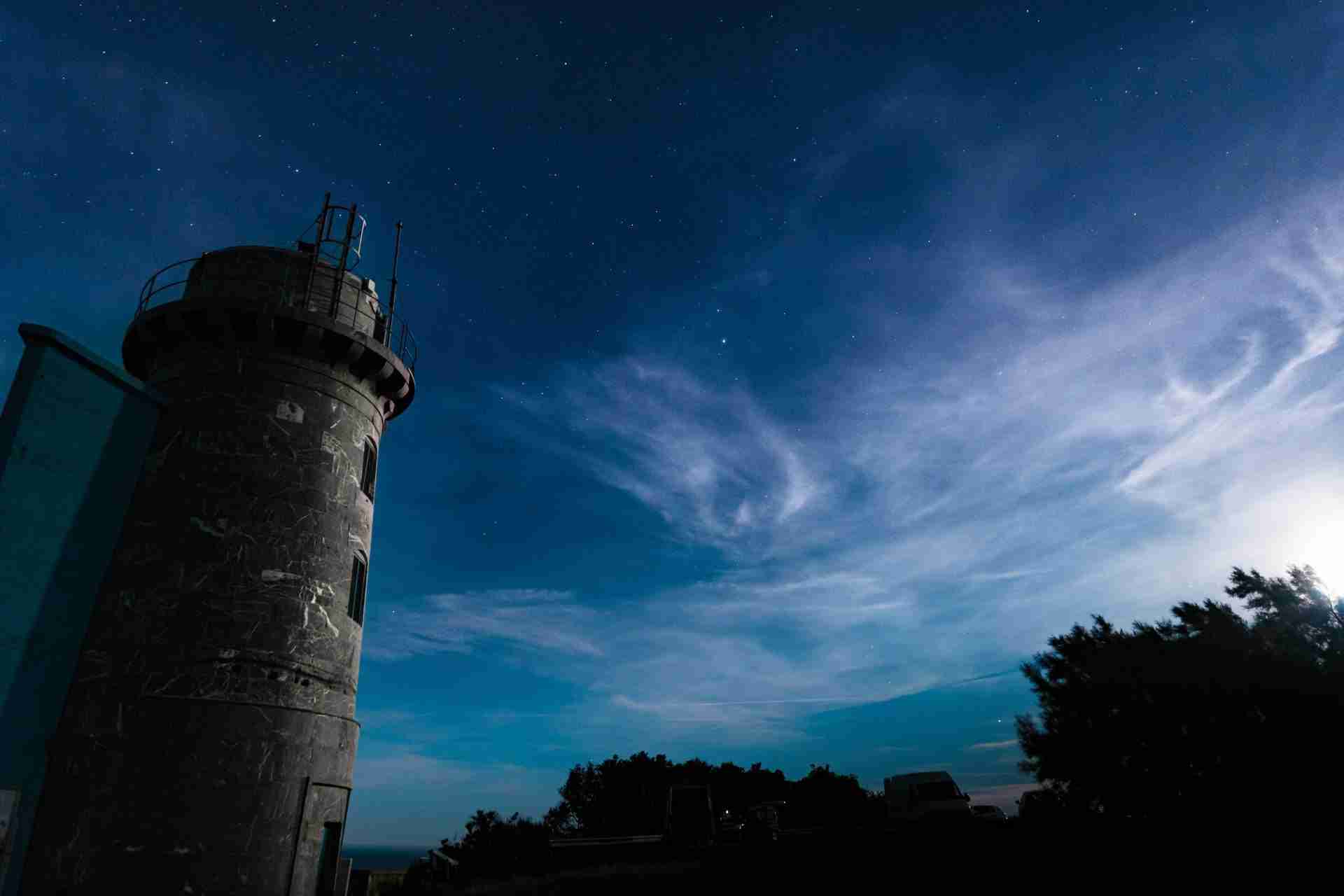
Cabo Matxitxako is a quiet headland just outside the port town of Bermeo that offers clean views, layered subjects, and steady Atlantic light. What makes this location unique is it's pair of lighthouses, one historic and one modern, standing on the bluff overlooking the Bay of Biscay. The older lighthouse, built in the mid 1800s, sits closer to the cliff and showing its age with rough stone, exposed fittings, and a solid base that fits the shape of the landscape. The newer lighthouse, with its modern profile and fenced perimeter, sits farther back but still within clear view. Photographers have open space to move, stable footing for tripods, and a wide sky that changes by the hour. The area stays quiet, even in high season, and rewards return visits in different weather. There are few distractions here, just the rhythm of the sea and the pull of the light.
Best Photography Opportunities
• Old Lighthouse from the Footpath
The best compositions come from slightly above or beside the older tower, where you can frame it against the sea and catch its texture in soft light. The worn stone responds well to side lighting, especially in late afternoon when the sun moves low across the water. Using a standard zoom or short telephoto lens helps isolate the lighthouse from background clutter, while including some of the rocky slope below can add weight to the lower edge of the frame. Overcast days give a muted look that brings out more tone and detail in the stone.
• Wide Coastal Views with Both Lighthouses in Frame
Standing near the main viewpoint allows you to place both lighthouses in the same composition. From here, you can see how the newer structure offsets the older one in height and shape. The open layout of the site makes it easy to step back and include more of the sea, the sky, and the low ground vegetation. These shots hold up in hard light, mist, or strong golden hour glow, depending on how you balance exposure. A wide angle lens helps pull in the full scene without distortion if you stay level.
• Close Details and Vertical Compositions on the Old Tower
Getting in close to the stonework of the older lighthouse reveals bolts, vents, and the aging pattern of the masonry. These small features work well as studies in line and texture, especially if you shoot tight with a fast prime or macro capable lens. Vertical framing helps include more sky or more ground without losing the feeling of scale. These shots benefit from flat light or light fog, where color and contrast settle down and the image becomes more about surface than subject.
• Changing Weather and Long Lens Work over the Bay
The Bay of Biscay is unpredictable, and on many days you'll get multiple light conditions within a short time. Bringing a longer lens allows you to work with offshore layers that often include distant ships, low clouds, and waves breaking on exposed rocks. When the sun cuts through, you can pick up backlit sea spray or highlight lines in the water. These shots are all about timing and patience, and they often work best when composed simply with no foreground at all.
• Sunset and Cloud Color Over Open Horizon
Though the lighthouses are the main draw, the open sky here is also worth shooting. The west- acing coastline picks up warm light as the sun drops, and on certain days, low clouds reflect gold and orange across the water. Shooting the sky above the headland or turning toward the horizon itself gives you a range of subtle gradients and soft silhouettes. A tripod is useful here for longer exposures after sunset, and a split or graduated ND filter can help balance the sky and land in one exposure.
Best Time to Visit
Cabo Matxitxako works in all seasons, but the best results usually come during the shoulder months from March to June and again from September to November. These periods bring mixed weather, which adds variation in light and cloud without the washed out haze of mid-summer. The site is exposed and catches full sun from midday through sunset, so earlier or later in the day is best for shadows and color depth. Cloud cover changes quickly, and even flat conditions can work for detail shots or longer compositions. In winter, storms over the Bay of Biscay can create dramatic skies and rough seas, though access may be limited by wind or rain. There is no artificial lighting on site, so the area becomes quite dark after sundown, making twilight the cutoff for natural light work.
How to Get There
Cabo Matxitxako is a short drive from Bermeo in the Basque Country of northern Spain. The lighthouse complex is easily accessibly by car with a small parking area sitting between the two lighthouses. The area is open access with no entrance fee, and there are a few interpretive signs describing the history of the site. From the lot there are trails around the headland leading to many shooting vantage points along the cape. The ground is uneven in some areas but manageable with care. The location is easy to reach and does not require a hike.
Recommended Photography Gear
A standard zoom lens is useful for covering both wide compositions and basic detail shots without switching gear. A longer lens, ideally in the 70 to 200 range, is helpful for compressing background layers or isolating parts of the lighthouse against the sky or sea. A sturdy tripod is recommended for shooting in wind or during blue hour, as the headland can be exposed and conditions change quickly. A polarizing filter helps control reflections on water and add definition to clouds, though it should be used carefully to avoid uneven tones. A lens cloth and rain cover are useful in damp conditions or during sea spray. Filters for balancing sky and land can improve exposure during strong sunsets.
Nearby Photography Locations
Only ten minutes away by car, this coastal church perched on a rock island is one of the most well known scenes on the Basque coast. The footbridge leading up to it offers strong lines and changing shadow. The site is especially good at sunrise and in cloudy conditions.
The port area of Bermeo is full of working boats, tight alleys, and colorful facades. It's a solid place for street photography or slower documentary work. Early morning light comes in over the harbor and lights up the fishing vessels docked along the quay.
• Eneperi Clifftop Area
Near the entrance to Gaztelugatxe, this high point has open views down the coast and westward toward Matxitxako. It's a good spot to shoot back toward the lighthouses from a distance, especially in late light with layered shadows along the cliffs.
Just beyond Gaztelugatxe, Bakio is a long, curved beach with fine sand and consistent surf. It offers wide compositions of sea and sky, and occasional morning mist gives soft, flat light. It's also a good location for silhouettes and long exposure work.
This wetland and coastal area further inland offers a full change of pace with birds, dunes, and wide-open floodplains. It's a strong option for landscape photographers looking to combine mountain lines, light water reflections, and environmental variation.
Comments
Loading comments…