
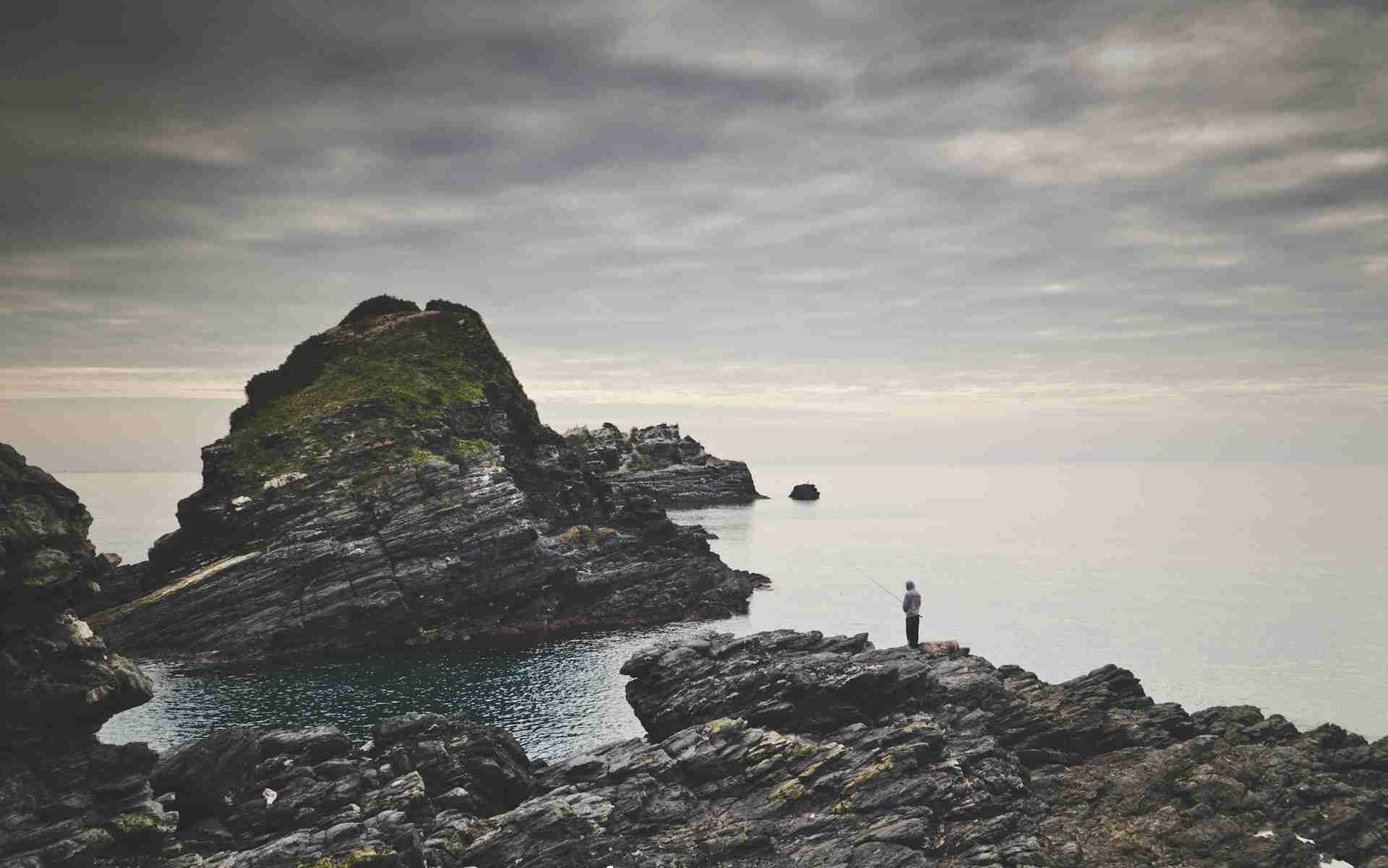
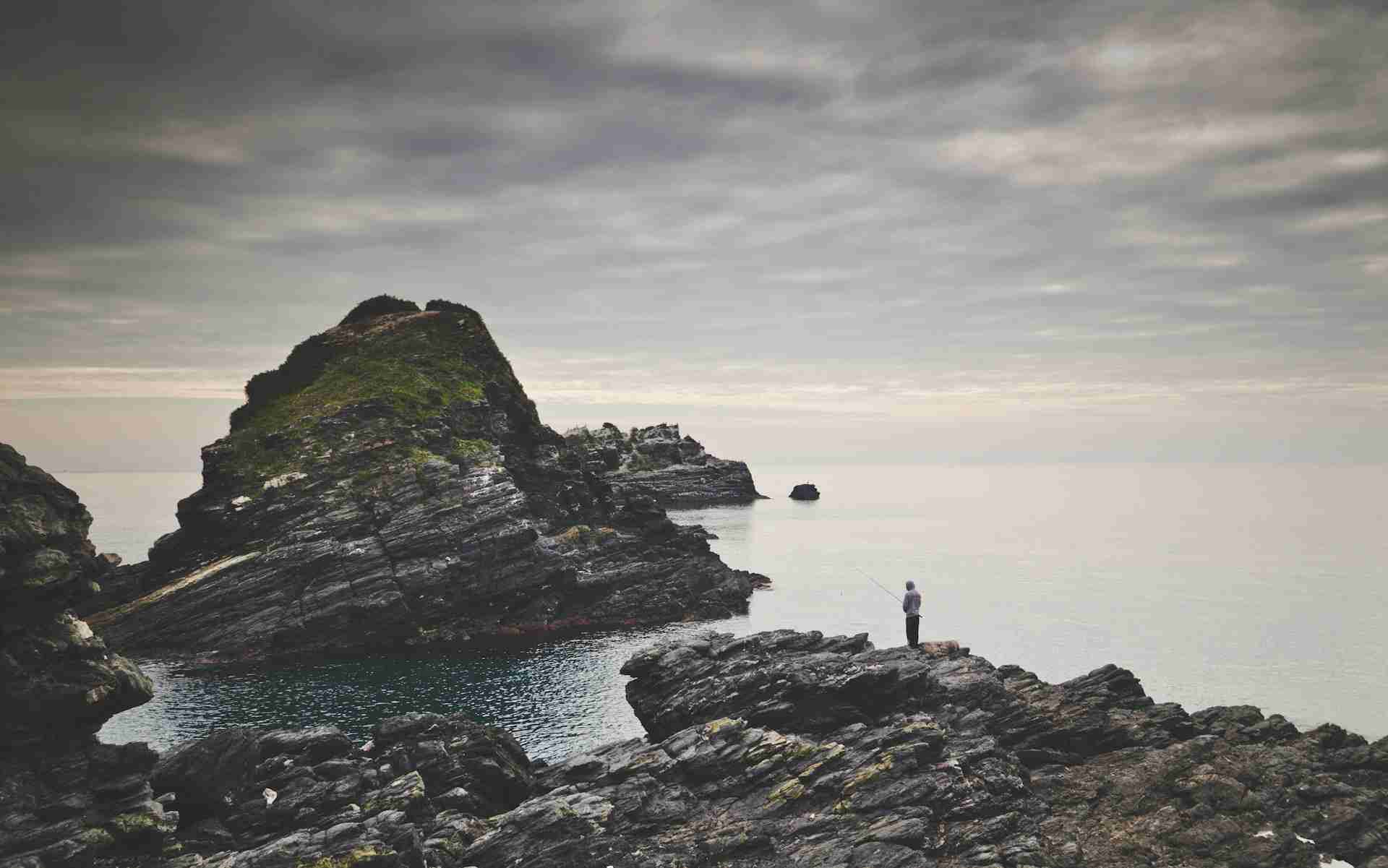
Along the coast of southern Spain, in the town of Almuñécar, the Peñones de San Cristóbal rise straight out of the sea. These three large limestone rocks are one of the town's most recognizable features and a favorite subject for photographers visiting the Costa Tropical. Set between the beaches of San Cristóbal and El Majuelo, the Peñones provide a striking contrast to the smooth waves and open skies around them. Whether you are drawn to sunrise reflections, sunset silhouettes, or the rough texture of the rocks themselves, this spot offers plenty of opportunities to create strong, memorable images.
The space between the rocks catches shifting light throughout the day, and the view changes with the tide, clouds, and time. Waves crash against the base of the rocks, birds pass overhead, and locals often walk or fish nearby. It is a place that feels alive but not busy. For photographers, the Peñones de San Cristóbal are easy to reach and surprisingly versatile, whether you're working on wide beach views or looking for more focused scenes.
Best Photography Opportunities
• Sunrise from Playa de San Cristóbal
The rocks face east, which makes sunrise the best time to photograph them. From the western end of Playa de San Cristóbal, you can frame all three rocks with the sun rising behind them. Early light touches the surface of the water and outlines the sharp edges of the stone. A wide-angle lens lets you include sand or waves in the foreground, and if the clouds are light, the colors in the sky can be beautiful. The cross on the main rock stands out clearly at this time of day, giving your image a strong center.
• Textures and Close-Ups During the Day
In the late morning or early afternoon, when the sun is higher, the light reveals more detail in the rocks. You can walk close to the base and shoot sections of the stone surface. Look for cracks, color shifts, and wet patches where the tide has recently touched. A mid-range zoom or a macro lens works well here to isolate parts of the rock face. These close-up shots can be powerful in black and white, or with simple edits that highlight natural patterns.
• Blue Hour Long Exposures
After the sun sets, the rocks take on a more dramatic look. From the eastern breakwater or near Playa del Majuelo, you can shoot long exposures that smooth out the sea and add soft light to the sky. A tripod helps keep everything sharp while the waves blur into a misty surface. The lights of Almuñécar begin to reflect off the water, adding color to the scene. This time of day is great for slower, calmer photos that still show strong shapes and contrast.
• Silhouettes at Twilight
From the smaller beach of El Majuelo, you get a side view of the main rock. Shooting at twilight, just before the sky turns fully dark, creates strong silhouettes. Get low to the ground and frame the rock against the fading sky. This angle is especially nice in winter, when the light is softer and fewer people are around. You can also include someone walking nearby or standing at the water's edge to add a sense of scale.
• Aerial Views with a Drone
If you use a drone, the Peñones look great from above. Flying over the beach or pulling back for a wider shot lets you show the shape of the rocks in the water and how they relate to the nearby town. Early morning and late afternoon are the best times to fly, as the light is warmer and shadows are softer. Make sure to follow local drone rules and avoid flying directly over crowds, especially during the summer.
• Wave Action and Slow Shutter Shots
The sea is always moving around the rocks, and this makes it a perfect place to try slow shutter photos. With a neutral density filter and tripod, you can blur the water into smooth lines while keeping the rocks sharp. This works best when there is some wave movement but not too much wind. These images show the energy of the coast while also keeping the stone as a solid, steady subject.
Best Time to Visit
The Peñones are most photogenic at sunrise, when the light hits them directly and creates warm reflections on the water. From late spring through early autumn, sunrises tend to be colorful and calm, with smooth seas and clear skies. Arriving at least half an hour before sunrise will give you time to set up and catch the changing light.
Golden hour in the evening is also a great time to shoot. From the town side of the beach, the light comes in from the side and highlights the textures in the rocks. After sunset, blue hour begins quickly, and the glow of the town's lights adds a nice contrast to the darker shapes of the Peñones.
Midday is the hardest time for photography, as the light is often harsh and flat. If you do shoot then, focus on textures or details that benefit from strong contrast. Winter visits bring softer light all day long and fewer visitors, which makes it easier to move around freely. The lower sun in winter also adds longer shadows and more definition to the rock surfaces.
How to Get There
The Peñones de San Cristóbal are located on the western edge of Almuñécar, right between Playa de San Cristóbal and Playa del Majuelo. If you're coming by car, you can park along the seafront or near Paseo de Cotobro. During busy months, parking can be limited, so early morning is your best chance for easy access. From most parts of the town, the rocks are an easy walk along the beachfront.
There are no entry fees or barriers. You can walk right up to the base of the rocks or shoot from the walking path above. Everything is open year-round, and sunrise and sunset are popular with locals and visitors alike. The beach is well-maintained, with restrooms, cafes, and benches nearby.
Drone use is allowed in the area, but always fly responsibly. Avoid flying over groups of people, and keep your distance from buildings. Weather changes quickly by the sea, so check wind conditions before sending your drone up.
Recommended Photography Gear
Bring a wide-angle lens to capture the full set of rocks at sunrise or during golden hour. A lens in the 16–35mm range is perfect for beach scenes, water reflections, and shots that include the sky. A mid-range zoom like a 24–70mm is useful for tighter compositions and scenes that include people or birds. If you enjoy shooting details, a 70–200mm or a macro lens will help you focus on cracks, textures, and isolated shapes.
A tripod is very helpful for long exposures, especially in low light. If you plan to shoot wave movement or soft water, pack a neutral density filter. A circular polarizer can also improve your images by cutting glare on the water and adding contrast to the sky. For aerial shots, bring extra batteries and check your drone app for local flying limits.
Wear shoes with good grip if you plan to explore the rocky parts of the shore, and carry a small towel or cloth to wipe off sea spray. A camera bag that protects against sand and water is a good idea, especially on windy days. Extra batteries, a lens cloth, and enough memory cards will help you make the most of your time without needing to stop.
Nearby Photography Locations
a short walk uphill, gives you a bird's-eye view of the coastline and the Peñones. From the top, you can photograph the rocks from above, with rooftops, palm trees, and the sea in the background.
, right behind the rocks, is full of tall plants, palm trees, and stone pathways. The soft light in the garden makes it a peaceful place to take portraits or quiet nature shots, especially in the late afternoon.
, just west of the Peñones, offers a different view of the rocks from farther away. You can frame them with more sky and sea, and catch soft light on the water as the sun rises.
, hidden in the town, is a small but interesting site with strong lines and textures. It's a nice break from coastal photography and adds variety to your photo series.
, a short drive west, rise high above the sea and are perfect for sunset photos. From the top, you can look down the coast or shoot back toward Almuñécar and the Peñones from a distance.
The Peñones de San Cristóbal give photographers a place to slow down and focus on shape, light, and movement. Whether you're capturing wide beach views at sunrise, soft silhouettes at twilight, or close-up textures in full sun, these rocks offer strong subjects that are easy to reach and fun to explore. With beaches, gardens, cliffs, and historic sites all nearby, Almuñécar is a great place to spend a full day creating varied and memorable images.
Comments
Loading comments…