
Timeless Crossings: A Photographer's Guide to Puente de la Magdalena, Pamplona
Spanning the tranquil waters of the Arga River, Puente de la Magdalena stands as one of Pamplona's most evocative medieval landmarks. Constructed in the 12th century and later modified with Gothic enhancements, this Romanesque bridge has carried countless pilgrims along the Camino de Santiago, its worn stones echoing with centuries of footsteps. Surrounded by lush riverbanks and framed by leafy parks and historic routes, the bridge offers a visual richness that blends architecture, movement, and reflective surfaces. For photographers, it's a scene that rewards patient composition and thoughtful timing.
Best Photography Opportunities
• Golden Hour Reflections and Symmetry
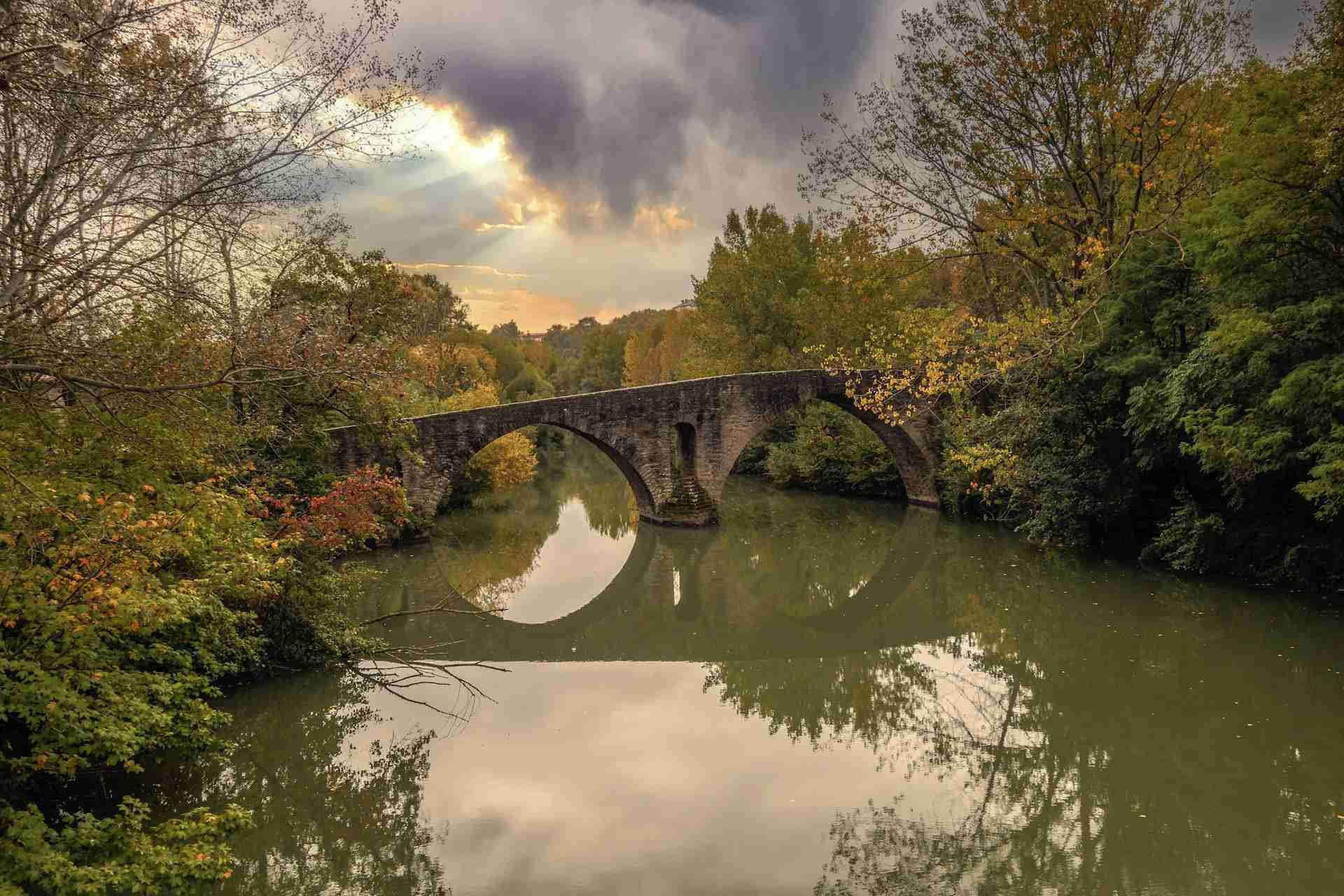
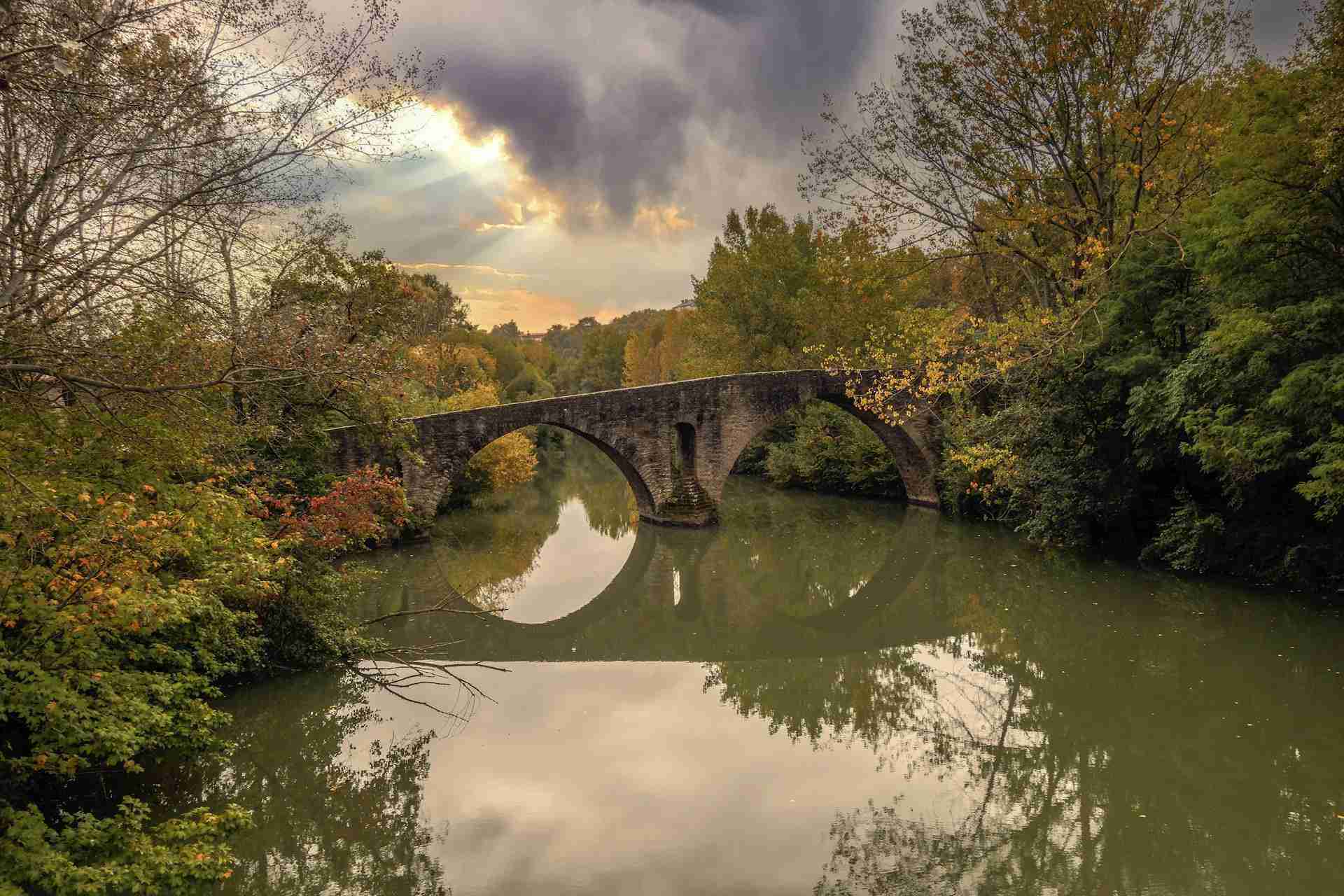
At sunrise and sunset, the bridge becomes a mirror of itself, perfectly reflected in the calm waters of the Arga River. The golden hour light enhances the warm tones of the ancient stone and brings out intricate details that are easy to overlook during harsher daylight. This is the best time to frame the bridge in its entirety with a wide-angle lens, standing close to the river's edge to make the most of the symmetrical composition. Natural elements like branches or reeds can help provide a foreground frame, giving the image additional depth and structure. Don't rush this moment—wait for a stillness in the water and consider shooting a few variations to capture subtle changes in light and mood.
• Pilgrims on the Bridge
Pilgrims walking the Camino de Santiago often cross the bridge early in the morning, lending an authentic, human dimension to your shots. The emotional and symbolic resonance of the journey is visible in their quiet steps and purposeful strides. Use a mid-range zoom lens to frame these moments without intruding. Try composing from behind or to the side as they walk away, silhouetted against the sky or framed within one of the bridge's arches. These images can feel deeply personal and narrative-driven. Consider also capturing wider scenes that include multiple figures to illustrate the collective spirit of the pilgrimage.
• Architectural Texture and Detail
Puente de la Magdalena is rich in architectural flourishes that reward close inspection. The Gothic modifications are particularly photogenic in angled light, revealing carved stone joints, moss-covered cutwaters, and pointed arches. Get in close with a prime or mid-range lens to emphasize texture and wear. Late afternoon light is ideal for casting long shadows that carve out the surface detail of the stone. Look for sections where lichen or weathering has added contrast and character, and experiment with shooting in monochrome to highlight form over color.
• Dramatic Weather and Long Exposures
Stormy skies and overcast conditions transform the bridge into a moody, cinematic subject. These moments are perfect for long-exposure photography, using a neutral density filter to soften the movement of clouds and smooth out the river's flow. Frame the entire bridge from a downstream perspective and use leading lines from the riverbank or trees to guide the viewer's eye. Moody edits in post-processing—perhaps with desaturated tones or increased contrast—can enhance the atmosphere of these images. The bridge's historical presence feels especially poignant in these conditions, suggesting resilience and endurance over time.
• Nighttime Illumination and Reflected Light
As night falls, street lamps and the illuminated cross at the bridge's entrance bathe the structure in a soft, golden light. The contrast between the lit stone and the darkened water creates an elegant, almost theatrical ambiance. Set up your tripod and experiment with long exposures to bring out subtle lighting differences and reflections in the water. Including stars or a glowing horizon can add layers to the scene. You can also use a small LED panel to gently light one section of the bridge, emphasizing texture without overwhelming the natural ambiance. These quiet, reflective moments are ideal for capturing the bridge's serene beauty in its most peaceful state.
Best Time to Visit
The most compelling images of Puente de la Magdalena are captured during the transitional hours of early morning and late evening. Dawn typically brings calm conditions on the Arga River, allowing for pristine reflection shots with soft, low-angled light that gently warms the bridge's stone. The surrounding vegetation, particularly in spring and early summer, adds verdant tones that contrast beautifully with the aged stone.
Sunset presents equally rewarding conditions, casting golden light on the western face of the arches and enriching the textures with shadow depth. As dusk approaches, a shift to blue hour offers moodier scenes that are ideal for longer exposures or subtle lighting experiments. If you're aiming to capture pilgrims in action, the early morning hours—between 7:00 and 9:30 a.m.—are optimal, especially during peak Camino seasons in spring and autumn.
Cloudy and overcast days shouldn't be overlooked. The diffused light reduces glare and allows for more even exposure across the stonework and water. These conditions also work well for long-exposure photography, particularly in the shoulder seasons when the skies are textured but not overly dark. Winter visits provide starkness and lower sun angles throughout the day, which enhances shadow play and brings out the architectural geometry.
How to Get There
Puente de la Magdalena is located just northeast of Pamplona's Old Town. The bridge connects the historic route of the Camino de Santiago to the city via the French Gate. Visitors arriving by car can park at the northern end of Magdalena Street, where a free lot provides easy access to the bridge. From the parking area, it's a short walk along a paved footpath to the bridge entrance.
Public transport also offers convenient options. Bus line 11 from the city center stops within a ten-minute walk of the bridge, and schedules are reliable throughout the day. The bridge is pedestrian-only and accessible year-round, with no entry fee. Photographers can set up at any time, though tripod use during crowded hours may require some patience and repositioning.
The riverside parkland surrounding the bridge, known as Parque de la Tejería, provides ample space for setup and framing. Footpaths on both sides of the river offer various angles, and the well-kept lawns are suitable for low tripod placements or handheld work. Be aware that the stone path across the bridge can be slippery when wet, so wear footwear with good grip if shooting in rain or frost.
Essential Gear for Capturing Puente de la Magdalena
A stable tripod is indispensable for sunrise, sunset, and nighttime work on or near the riverbank. Choose one with rubber feet or spikes to adapt to both paved and natural surfaces. Your primary lens should be a wide-angle (16–35mm) to capture the full structure in its environment, particularly for symmetrical or reflection-based compositions. A standard zoom (24–70mm) adds flexibility for mid-range scenes and architectural studies.
Bring a short telephoto (70–200mm) for compressing the arches, isolating pedestrian figures, or working from a distance across the river. ND filters (6–10 stop) are useful for smoothing water and cloud motion, especially during the day, and a circular polarizer helps manage reflections and deepen contrast between water and stone.
If working at night, include a small LED panel or light wand for controlled light painting under the arches. Extra batteries, memory cards, and a microfiber cloth to clear condensation or mist are recommended, particularly in cooler months. A weather-sealed bag or rain cover will protect gear during sudden changes in weather common to the region.
Nearby Photography Locations
• Pamplona City Walls and French Gate
Just beyond the bridge, the French Gate marks the entrance to the fortified heart of Pamplona. The Renaissance-era walls and carved stone arches provide excellent contrast with the medieval character of the bridge. Morning and late afternoon light cast strong shadows that add drama to wide architectural shots.
Located a short walk from the bridge, this historic park features winding paths, ornamental gates, and wildlife enclosures. It offers more diverse compositional opportunities, including the integration of flora, water features, and Baroque-style elements—ideal for soft-focus backgrounds or layered environmental shots.
Another nearby bridge of medieval origin, Puente de Santa Engracia provides a stylistic counterpoint to Puente de la Magdalena. With its pointed Gothic arches and tree-lined surroundings, it works well for comparative architectural studies or framing with natural foliage, particularly in spring and autumn.
This elevated path leads to a lookout with panoramic views of the Arga River, Pamplona's rooftops, and the bridges below. It's an excellent location for wide landscape compositions, particularly during sunset when the river glows and the surrounding hills catch golden light.
• Calle de la Magdalena
The approach road to the bridge itself offers rich photographic material. Its blend of historic facades, wrought iron balconies, and casual pedestrian flow can be used for street scenes or urban documentary frames that contextualize the bridge as part of daily life in Pamplona.
Comments
Loading comments…