
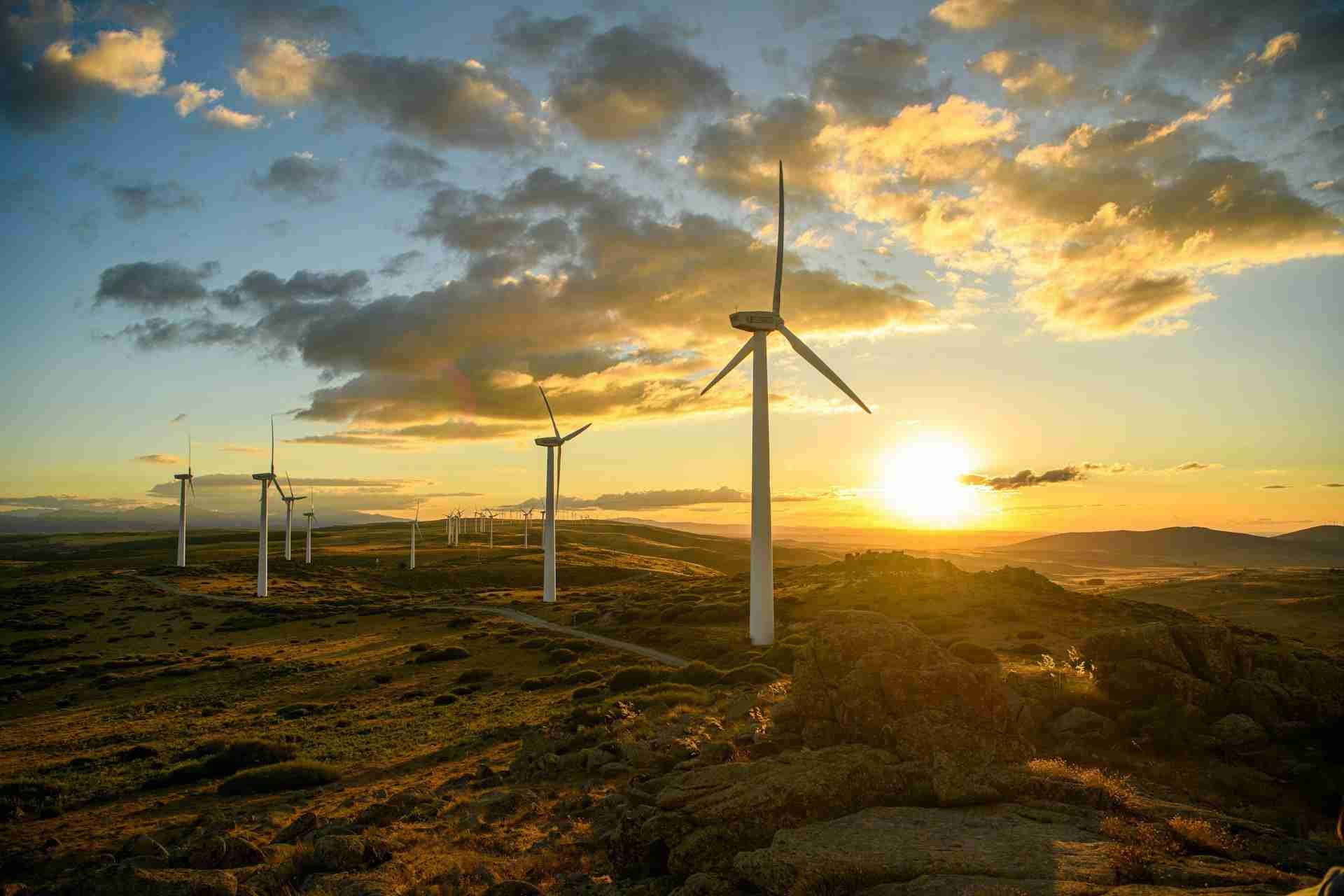
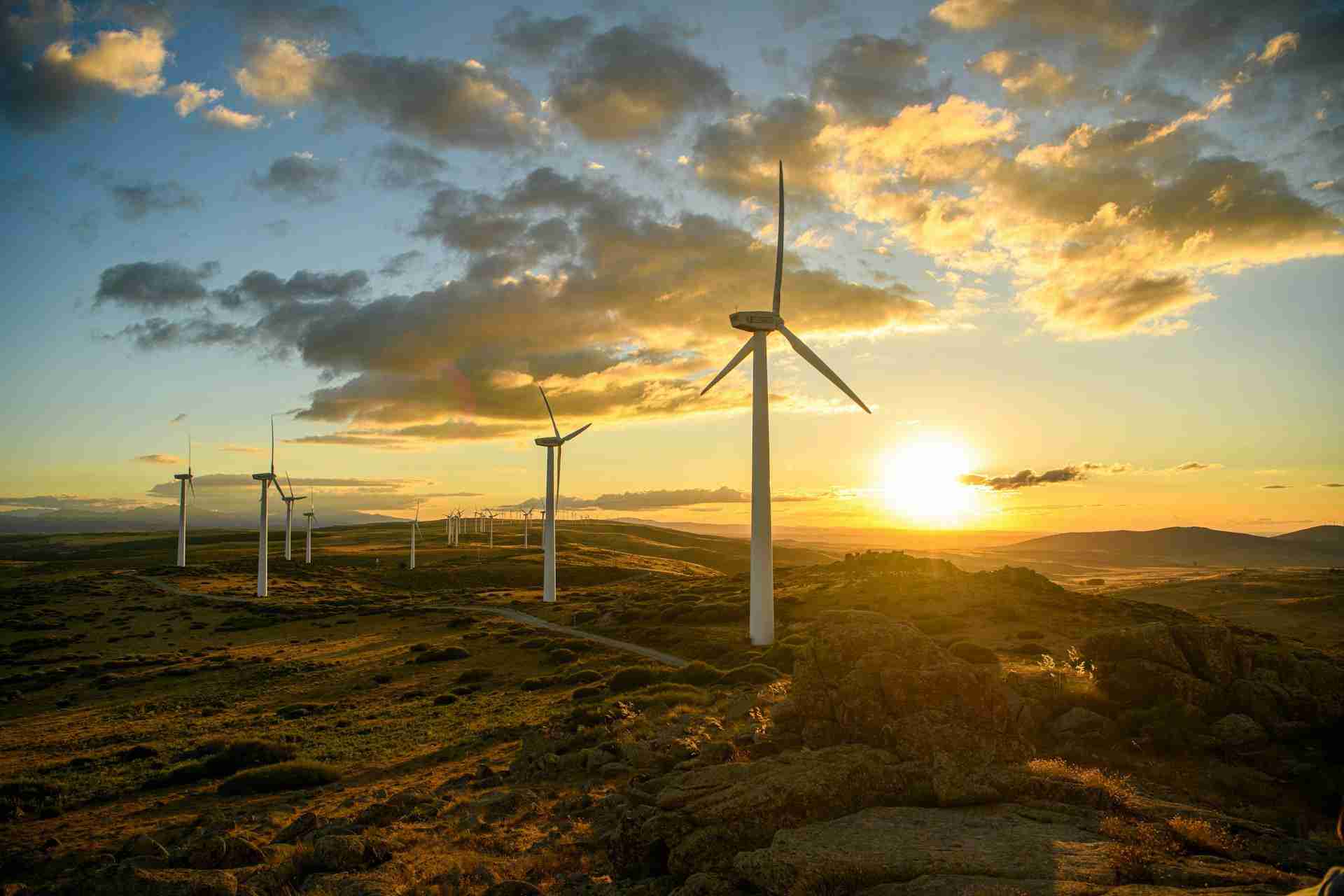
Puerto de La Lancha sits high in the Sierra de Ávila, just outside the small town of Navalperal de Pinares in central Spain. This mountain pass is surrounded by sweeping grasslands, rounded granite outcrops, and stands of pine, but what gives it a distinctive photographic character is the presence of modern wind turbines spinning along the ridge. The contrast between the region's rural stillness and the motion of these tall, white structures adds a dynamic layer to any landscape composition. With views that stretch across the Avila province and light that shifts quickly with elevation and wind, Puerto de La Lancha offers photographers a subject that balances natural contours with renewable energy.
Best Photography Opportunities
• Wind Turbines Against the Sky
The turbines that run along the crest of Puerto de La Lancha form tall vertical lines that contrast sharply with the low, undulating terrain. Use a telephoto lens to isolate a single turbine or line of blades against the sky, especially when low clouds or late light soften the background. Backlighting during golden hour creates clean silhouettes with long shadows, while overcast skies emphasize the structure's shape and motion without strong contrast. Long exposures can also work here to blur the blade rotation and add motion to an otherwise still landscape. Positioning yourself downhill from the turbines allows for upward perspective and scale exaggeration.
• Wide Landscape with Blades and Rock Formations
From mid-elevation points along the access roads, you can frame both the wind turbines and surrounding granite boulders in a single composition. A wide-angle lens helps show the spatial relationship between the technological and natural elements, especially when paired with a dramatic sky. Position boulders or shrubs in the foreground for depth, and wait for late afternoon when shadows bring out land texture. These images work especially well when clouds are breaking or moving quickly, casting dappled light across the landscape and creating visual rhythm between earth and sky.
• Silhouettes at Sunset with Rotating Motion
As the sun drops behind the western ridgelines, the turbines cast sharp silhouettes against the colorful sky. Position yourself to the east of the turbine line and use a narrow aperture to maintain edge definition. A longer exposure of several seconds will blur the blades while keeping the structure clean. The combination of wind motion and warm color gradation in the background creates a balanced, minimalist frame. These conditions are fleeting and require patience as the light shifts, so arrive early and watch the way the blades move across your chosen composition.
• Fog and Partial Visibility for Abstract Frames
In certain seasons, especially during early spring or autumn, low cloud and fog move through the pass, obscuring and revealing turbines and ridgelines in slow layers. Use a telephoto lens to capture partially visible blades or tower tops disappearing into mist. These conditions strip color and detail, allowing shape and light to become the primary subjects. Shoot in soft contrast and avoid heavy post-processing to retain the subtlety of the scene. These images work best with careful exposure balancing to maintain soft edges and fog depth.
• Foreground Textures with Distant Turbines
Rocky outcrops, dry grasses, and scattered pine clusters provide strong foreground interest when shooting toward the turbines from below. A standard zoom lens allows you to adjust framing while maintaining clarity across the scene. Focus on the layering of land textures, especially in side light, which brings out detail in the vegetation and earth. These compositions are strongest in late afternoon when the turbines are still lit but long shadows move through the lower terrain. Including footpaths or fence lines in the frame can help lead the eye toward the distant ridge.
Best Time to Visit
The pass is accessible and photogenic throughout most of the year, but seasonal shifts strongly influence color, light, and visibility. Spring offers green hillsides and active cloud movement that plays well with the high-altitude setting. Summer is dry and clear, making it ideal for crisp silhouettes and high-contrast skies, though midday heat and haze can flatten distant views. Autumn often brings mist in the mornings and warm earth tones in the grasses and stone.
Sunrise and sunset are both productive here, with golden light hitting the turbines from the side and strong directional shadows forming across the land. Morning sessions may offer fog or low clouds moving through the pass, while evening brings consistent side lighting. The turbines are most active when wind conditions are stable, typically midday through late afternoon, though blade movement can continue well into twilight.
Avoid mid-day hours on clear days if you're seeking mood or texture, as the high sun can create washed-out conditions. However, for clean architectural studies or shadow-free compositions, mid-day light with scattered clouds can be quite effective.
How to Get There
Puerto de La Lancha is accessible via the AV-500 road, which connects the towns of El Herradón and Navalperal de Pinares. From the center of Navalperal de Pinares, follow signs toward the highlands, and then take the well-maintained rural road that climbs toward the wind farm and pass. Parking is available on the roadside at several pull-off points, and the area can be explored on foot with relative ease.
The terrain includes dirt tracks, paved segments, and occasional steep slopes. Most of the ridge is open grazing land or public right-of-way, but be respectful of any marked boundaries. There are no visitor facilities or shops nearby, so bring water, snacks, and weather protection. The location is free to access, and there are no restrictions on photography.
In winter, the road can occasionally be affected by snow or ice, so check local conditions before traveling. Mobile coverage is generally reliable along the ridge and into the nearby town.
Recommended Photography Gear
A wide-angle lens is essential for capturing full ridge scenes with turbines and cloud movement. A standard zoom like a 24 to 70 millimeter lens gives flexibility for mid-range framing that includes both land texture and structures. A telephoto lens in the 70 to 200 millimeter range is highly useful for isolating individual turbines, capturing motion, or composing fog-shrouded silhouettes.
A tripod is necessary for long exposure work and golden hour stability. Use a neutral density filter for blade motion blur in brighter light, and a circular polarizer to control sky glare and bring out contrast in clouds. A remote shutter or timer function prevents camera shake during longer exposures.
Sturdy boots are recommended for walking among rocky sections and across uneven grassy slopes. A weather-sealed bag and lens cloth are important due to frequent wind and airborne dust. Extra batteries are helpful, especially in cold weather or during long sessions.
Nearby Photography Locations
• Cerro de Gorría Viewpoint
A high ridge southeast of the pass, this spot provides panoramic views of the Avila plains and dramatic sunset skies. It's ideal for layered mountain silhouettes and long-lens compositions of distant valleys.
• Navalperal de Pinares
The nearby town offers traditional stone architecture, narrow lanes, and a more rural human scale. It's especially photogenic during golden hour or in winter when snow lines the rooftops.
Just a short drive south, this protected forest area offers pine woods, wildlife, and hiking trails with open views toward the central Iberian mountains. Mist and morning light create excellent low-contrast opportunities.
• Embalse de Serones
This small reservoir south of the pass features calm water and mirror reflections of surrounding hills and trees. Early morning is best for stillness and mood, with occasional fog along the shore.
Running near the pass, this historical transhumance route crosses open pasture and forest edges. It's ideal for wide compositions with leading lines and seasonal contrast, particularly during spring and autumn.
Puerto de La Lancha invites a mix of modern form and highland quiet, where photographers can explore balance between engineered motion and the slow shifts of light over stone and field. With patience and thoughtful framing, the ridge offers something rare: a landscape that feels both alive and evolving.
Comments
Loading comments…