
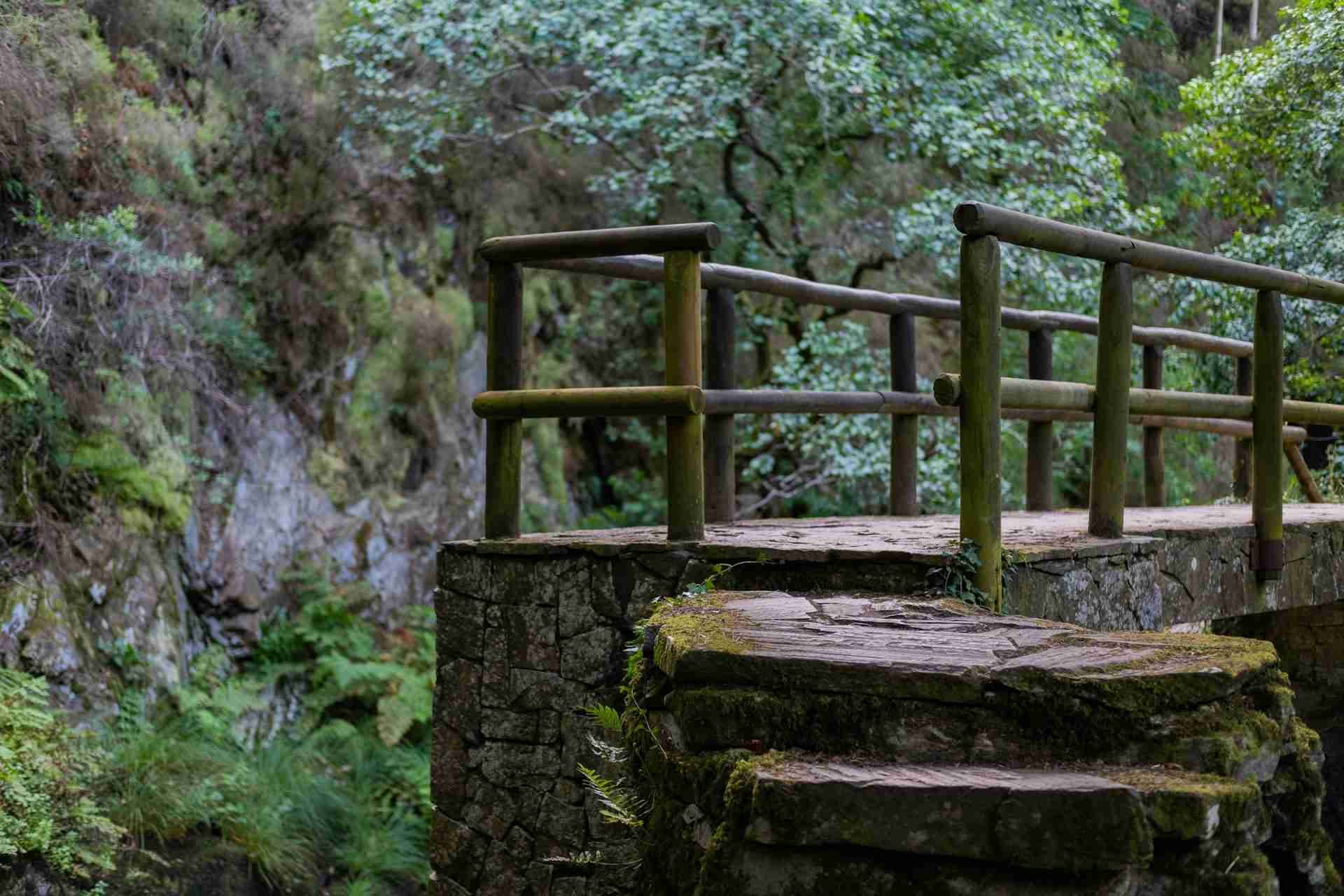
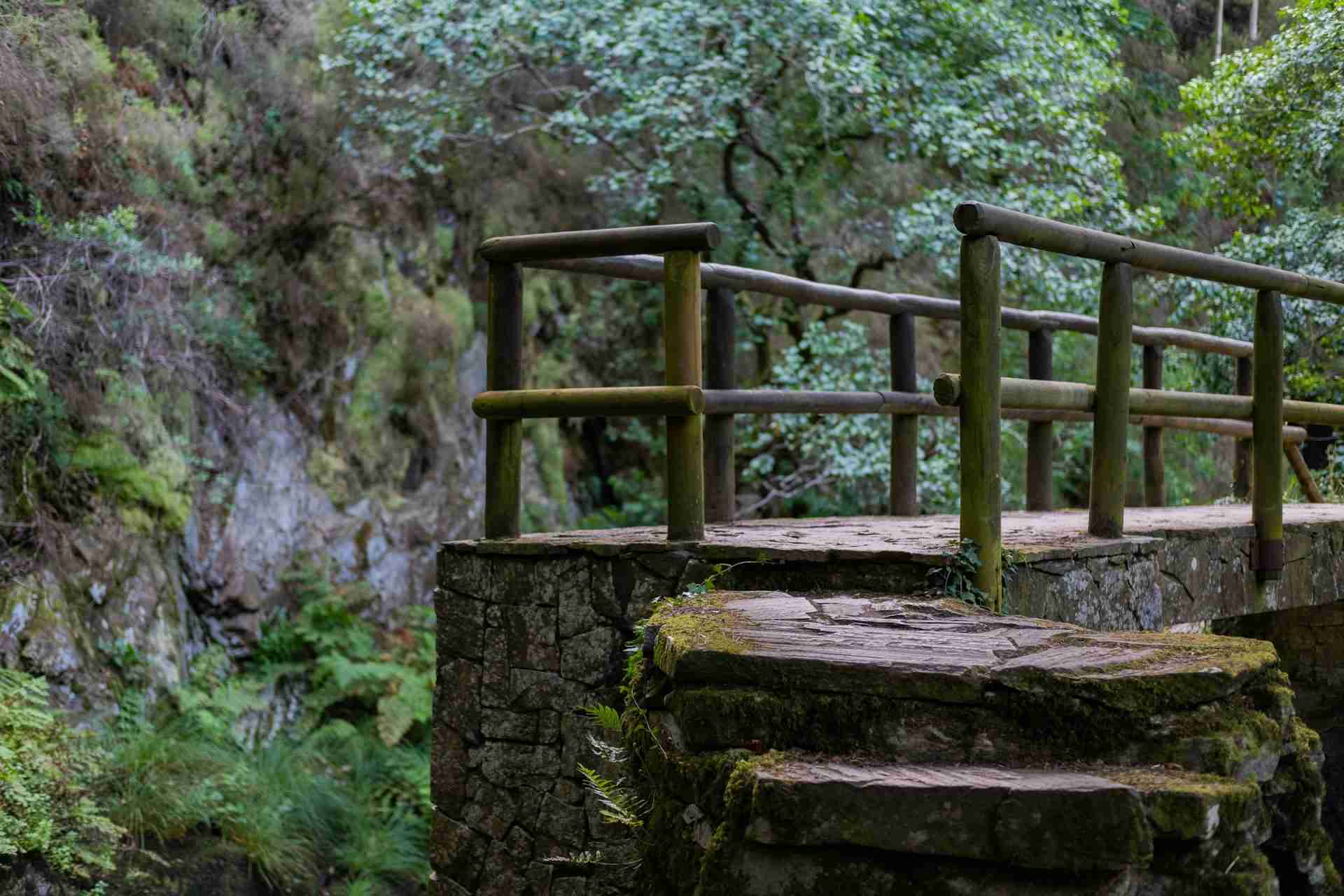
Refugio de Verdes is a quiet forest park in Galicia where the Anllóns River winds through a shaded valley filled with small waterfalls, old stone structures, and dense woodland. The river moves quickly through narrow channels, spilling over rocks and forming a series of cascades that create constant movement throughout the landscape. Historic mill ruins and stone bridges appear along the riverbanks, adding a sense of history that blends naturally with the surrounding forest. Wooden walkways follow the river and make it easy to move between viewpoints while still feeling immersed in the woodland environment. For photographers, the location offers a mix of moving water, textured stone, and layered greenery that works particularly well for long exposure photography and intimate river scenes.
Best Photography Opportunities
• River Cascades – The waterfalls scattered throughout Refugio de Verdes are the main photographic draw, with water sliding over rock ledges and weaving through narrow channels in the riverbed. These cascades are not large, but they appear frequently along the trail, which means photographers can experiment with many compositions within a relatively small area. Using longer shutter speeds transforms the fast moving water into smooth flowing lines that contrast nicely with the darker rocks and surrounding moss. Look for angles where the river bends or drops over multiple levels, as this adds depth and movement to the frame. The best compositions often come from stepping slightly off the main viewpoints and carefully framing the water between rocks and tree trunks.
• Historic Water Mill Ruins – Several old mill structures remain along the river, built from rough stone that blends naturally with the forest surroundings. These ruins tell part of the region's agricultural history and provide strong focal points for landscape compositions. Photographers can frame the mills with the river in the foreground or capture the way water flows past their foundations. The textures of the stone walls work well in softer light when details and subtle shadows become more visible. Including parts of the surrounding forest can help create a layered scene that shows how these historic structures sit quietly within the woodland.
• Stone Bridges – The park features a few charming stone bridges that cross the river at strategic points along the trail. These bridges provide elevated views of the water below and also serve as compositional anchors when photographed from downstream. Positioning the bridge within the upper portion of the frame while the river flows beneath can create a strong sense of direction through the image. Early morning or overcast conditions help balance the tones of the stone and water while avoiding bright highlights on the river surface. The bridges also make good subjects on their own when framed by surrounding trees and the flowing river beneath.
• Wooden Walkways Through the Forest – Wooden pathways follow parts of the river and provide interesting compositional lines that guide the viewer into the forest scene. These walkways can be photographed as leading lines that move through the frame toward waterfalls or river bends. The contrast between the wooden structures and the natural environment adds variety to the landscape compositions. After rainfall the wood often darkens slightly, which can create stronger tonal contrast against the surrounding greenery. Shooting from lower positions along the trail can help emphasize the perspective created by the walkway.
• River and Forest Details – Beyond the main waterfalls and structures, the forest itself offers many smaller scenes that reward patient observation. Moss covered rocks, swirling pools of water, and fallen branches create detailed compositions that work well with shorter focal lengths or moderate telephoto lenses. These scenes often reveal subtle patterns where the river interacts with the rock formations. Soft lighting under the forest canopy helps keep contrast manageable and allows textures to stand out. Spending time looking for these smaller compositions can often produce the most unique photographs from the area.
Best Time to Visit
Refugio de Verdes is most rewarding to photograph during periods of soft light when the forest canopy naturally diffuses sunlight. Overcast days are particularly helpful because they reduce harsh shadows and allow the greens of the forest and moss covered rocks to appear more balanced in photographs. These conditions also make it easier to shoot longer exposures of the waterfalls without dealing with strong highlights in the moving water.
Autumn can be an especially appealing season as the surrounding trees introduce warmer tones that contrast with the darker rocks and white water. Spring is also excellent because rainfall typically increases the river flow, making the cascades more active and visually interesting. Early morning is usually the quietest time to work, with fewer visitors and calmer conditions along the trails. Visiting shortly after rainfall can improve the appearance of the waterfalls while also deepening the colors of the rocks and forest floor.
How to Get There
Refugio de Verdes sits just outside the town of Coristanco in the province of A Coruña in Galicia, Spain. The location is easiest to reach by car, and the drive from the city of A Coruña usually takes around forty five minutes depending on traffic. Signs for Refugio de Verdes appear as you approach the area and direct visitors toward the park entrance. There is a parking area near the start of the walking trails, which makes access relatively simple for photographers carrying tripods and camera gear.
The park itself is accessed through maintained walking paths that follow the river and cross it in several places. Most of the main waterfalls and historic structures can be reached within a short walk from the parking area. Access to the park is generally free, though it is always wise to check local information before visiting in case seasonal regulations or restrictions are introduced.
Recommended Photography Gear
Refugio de Verdes is well suited to landscape photographers who enjoy working with moving water and forest environments. A sturdy tripod is essential because many of the best images here rely on long exposure techniques to soften the motion of the waterfalls and river currents. A camera that performs well in lower light conditions is helpful since much of the park is shaded by trees.
A wide lens is useful for capturing waterfalls along with the surrounding forest, bridges, and rock formations. A moderate zoom lens is also valuable for isolating smaller river scenes and details among the rocks and flowing water. Neutral density filters can help extend exposure times during brighter conditions, while a circular polarizing filter is extremely useful for reducing glare on wet rocks and the water surface. Waterproof footwear and a microfiber cloth for wiping spray from the lens are also practical items since the trails often run close to the river.
Nearby Photography Locations
• Monte Neme
is a striking landscape known for its abandoned mining areas and unusual turquoise colored lakes. The contrast between pale rock surfaces and bright water creates a unique environment for landscape photography. Elevated viewpoints across the plateau allow photographers to capture sweeping perspectives of the surrounding countryside.
is a long Atlantic beach located within easy driving distance of Coristanco. The wide sandy shoreline and powerful waves create excellent conditions for seascape photography, especially during sunset when warm light reflects across the water. Long exposures work particularly well here as the movement of the waves creates smooth patterns across the beach.
is a coastal wetland that offers calm water, sand dunes, and frequent bird activity. Early morning often brings still conditions that allow reflections to form across the lagoon surface. The mix of water, grasses, and distant hills creates layered compositions that differ greatly from the forest scenes found at Refugio de Verdes.
• Malpica de Bergantiños
is a small fishing town along the rugged Costa da Morte coastline. The harbor contains colorful fishing boats that make strong foreground subjects against the deep blue Atlantic. Photographers can also capture dramatic coastal views where waves crash against rocky cliffs just outside the town.
is one of the most significant prehistoric monuments in Galicia and offers a completely different subject for photographers exploring the region. The ancient stone burial chamber sits within a protected archaeological site that provides clear views of the structure and surrounding landscape. The textures and geometry of the stone slabs create compelling compositions, especially when photographed in softer morning or evening light.
Comments
Loading comments…